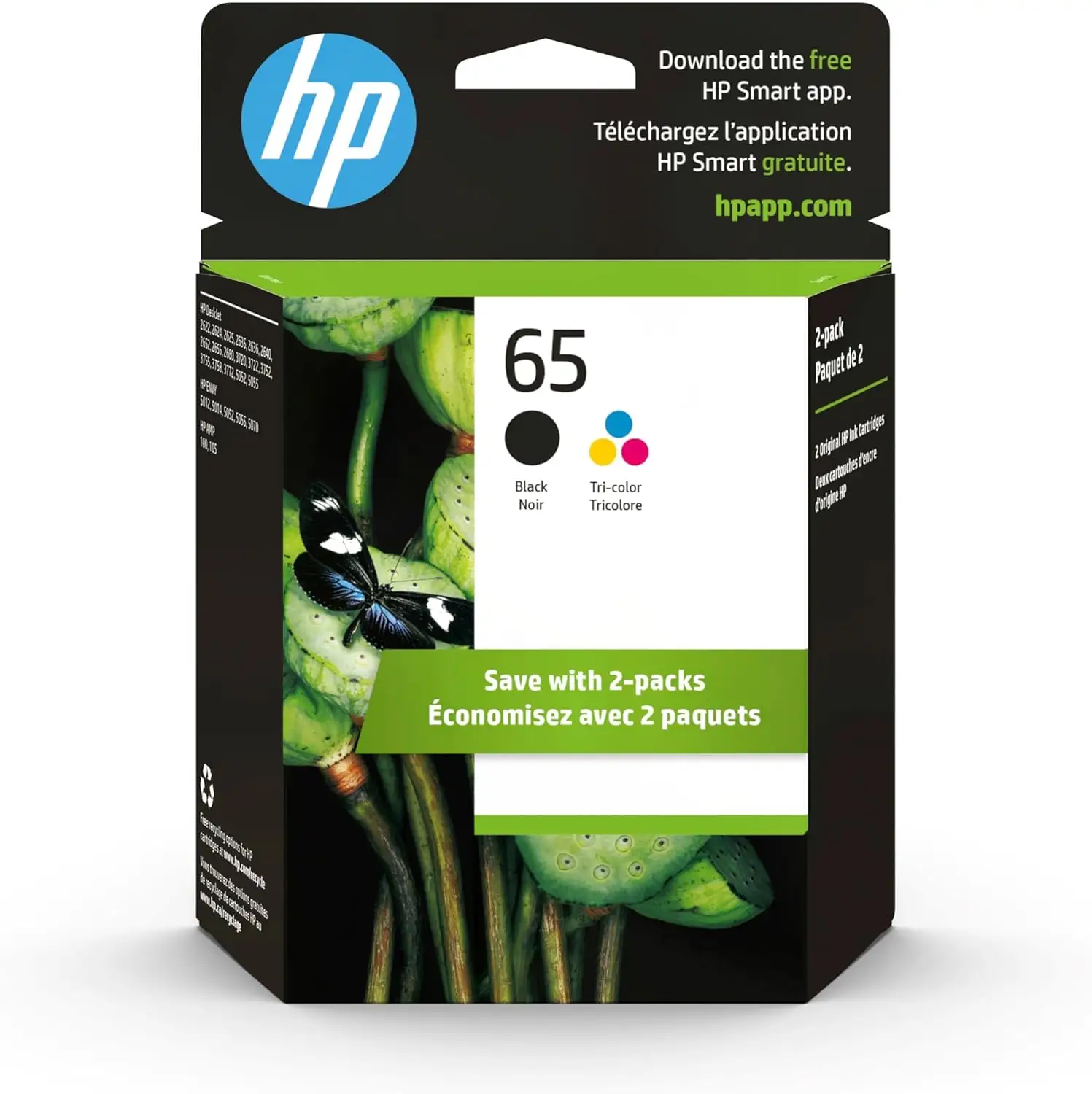
HP 65 Tri-color Ink Review: Vibrant Colors, Mixed Value Verdict
Starting with a surprising twist, despite its friendly shelf price, the HP 65 Tri-color Ink Cartridge earns a 7.4/10 from cross-platform user feedback. Why? While praised for vibrant color and easy installation, a deeper dive reveals a fiercely debated balance between quality and cost—especially for users with moderate to high printing needs.
Quick Verdict: Conditional
| Pros | Cons |
|---|---|
| Consistently vibrant, accurate colors | High cost per page (~$9,995/litre equivalent) |
| Simple, quick installation process | Low page yield (~100 pages) |
| Reliable performance with compatible HP printers | Expensive compared to third-party alternatives |
| Fade-resistant prints on photos and documents | Occasional defective units reported |
| Works seamlessly with Instant Ink subscription | Stock availability issues in some regions |
Claims vs Reality
HP’s marketing leans heavily on “consistent quality, reliability, and fade-resistant prints,” engineered to work with specific HP printers. Official specs position the cartridge with a standard yield of ~100 pages for tri-color use, emphasizing vibrant output for documents and photos.
Digging deeper into user reports, that page yield is achievable only under ideal printing circumstances. A Staples customer bluntly stated: “I printed 20 pages and the ink was gone from both… never again.” Others pointed out discrepancies when printing photos, as large areas of color depleted the cartridge faster than expected. While HP promises “up to 2x more prints with original ink vs. non-original ink”, many buyers feel the cost-per-page erodes that advantage.
Performance claims on color richness hold up better in reality. Users across Best Buy and Trustpilot note superior vibrancy compared to remanufactured alternatives. One Best Buy reviewer wrote: “Really bold vibrant colors. Dries pretty quick and doesn’t bleed through the paper.” This aligns well with HP’s fade-resistance claim, especially for occasional photo prints.
Cross-Platform Consensus
Universally Praised
Ease of installation stands out across Amazon, Best Buy, and Staples. A verified buyer on Amazon mentioned: “Easy to install and use. Lasts a while.” That seamless fit benefits casual users and small offices who want a no-maintenance replacement process. Reddit community threads echo this sentiment, noting that cartridges slot into compatible DeskJet and Envy printers without hassle.
Color quality draws consistent applause. Best Buy reviewers commend “excellent print quality… easy to install”, while Trustpilot logs similar praise: “Colors bright and clear and colorful.” For creatives printing photos or presentations, that vibrancy is a clear win. HP’s ink technology, blending dye-based tri-color pigments, proves effective for home users seeking near-professional results without outsourcing printing.
Compatibility breadth also ranks highly. Multiple sources confirm smooth operation across AMP, DeskJet, and ENVY series models. As PROVANTAGE noted: “Ideal for producing color documents, presentations, and photos… offers balanced output for home, school, or small business.”
Common Complaints
The most persistent gripe is yield versus cost. TechRadar highlighted the staggering effective price per litre (~$9,995), with the cartridge’s ~2ml per color limiting even light photo projects. Staples reviews include remarks like “100 pages is misleading… printed 12 photos and used ¾ of the cartridge.” High-cost ink economics become more pronounced for schools, offices, and heavy home printers who churn out large prints.
Defective or mis-sold units occasionally frustrate buyers. A Best Buy user recalled: “Told wrong ink to purchase… now I have to try and return it.” Others report rare but notable cases where cartridges failed to communicate with their printers, requiring replacements.
Stock variability at physical retailers compounds the issue. Reddit users and Trustpilot reviewers suggest buying in multi-packs online to avoid local shortages. This particularly affects XL editions, which have higher yields and appeal to prolific printers.
Divisive Features
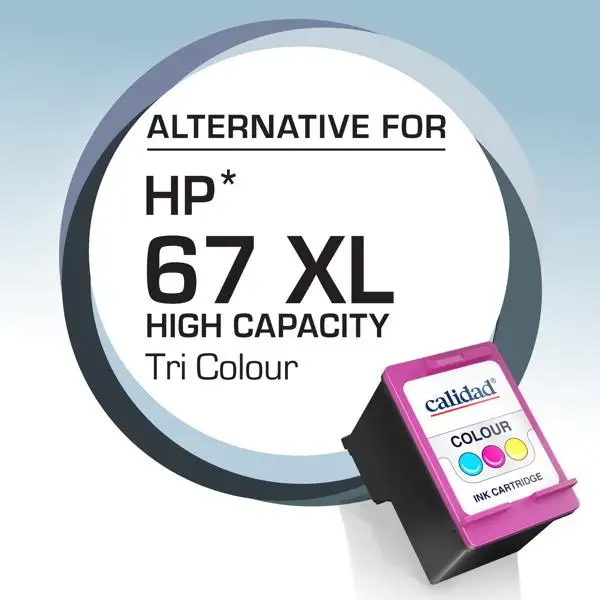
The Instant Ink program garners mixed reactions. Some praise the convenience—automatic shipments and cost control for occasional printing—while high-volume users argue subscription plans don’t offset per-page costs enough. The XL variant’s promise of ~300 pages tempers criticism; as one Best Buy reviewer put it: “These are great cartridges and last a long time! Definitely recommend XL rather than basic ones.”
Environmental claims split opinions. HP touts that 82% of cartridges contain recycled plastic and are recyclable through HP Planet Partners, but frequent replacements clash with sustainability goals. Occasional users see value in the green initiative, while heavy users note that a high discard rate undermines eco gains.
Trust & Reliability
On Trustpilot, product reliability for compatible printers remains largely solid. PROVANTAGE stresses: “Original HP cartridges… designed to work the first time, every time.” Recurring praise for “fade-resistant” and “consistent performance” suggests minimal quality degradation over the cartridge’s life cycle.
Long-term durability gains points from casual users who print infrequently. One Staples customer shared: “If you don’t print very often it will dry up before you use it,” cautioning other low-volume owners to buy smaller sizes to reduce waste.
Defective rates appear low but noteworthy—isolated incidents involving faulty chips or poor sealing arise in reviews, generally resolved through retailer returns.
Alternatives
The TechRadar comparison makes Epson T850 and Brother LC75C strong contenders in cost-per-page efficiency. Both offer larger ink volumes with significantly lower long-term costs. Heavy or professional printers may benefit from switching to ink tank models, where refill costs are drastically lower.
However, for owners already invested in HP DeskJet or ENVY models, non-OEM cartridges can slash expenses but may compromise vibrancy and printer compatibility. Several Reddit and Best Buy threads affirm that OEM cartridges “always give great color and work well” compared to third-party substitutes that risk clogging.
Price & Value
On eBay, standard HP 65 tri-color cartridges range from $6 to $14 new, depending on seller and batch date; XL versions hover around $17–$20. Retail pricing from HP and major stores sits closer to $18.89 (Amazon) to $25 (Staples), with XL hitting $45 at Best Buy.
Community advice leans toward buying bundled black+color packs for minor savings, particularly during seasonal promotions. Trustpilot reviewers note Best Buy’s pricing often beats Target’s for identical SKUs.
Given depreciation in stored ink quality, resale value is negligible—most buyers opt for unopened, current-date stock only.
FAQ
Q: Is the HP 65 Tri-color cartridge worth the price?
A: For low-volume users who value vibrant, fade-resistant prints, yes. Heavy printers may find the high cost per page and low yield uneconomical long term.
Q: Can I use third-party ink with my HP printer?
A: While possible, many users report reduced color quality and compatibility issues. OEM cartridges offer the most consistent performance.
Q: How many pages can the HP 65 Tri-color cartridge print?
A: Officially ~100 pages, but photo-heavy or color-rich content will lower yield significantly, sometimes to under 30 pages.
Q: Does the HP 65 work with Instant Ink?
A: Yes, it’s fully compatible. Instant Ink can benefit low-volume users with predictable costs, though savings for high-volume printing are limited.
Q: What printers are compatible with HP 65 Tri-color?
A: AMP 100 series, DeskJet 2600/3700 series, and ENVY 5000 series, among others. Always confirm the cartridge number for your exact model.
Final Verdict: Buy if you’re a light or occasional home printer who values color fidelity and easy installation with compatible HP machines. Avoid if you print frequently, especially color documents or photos, as yields and costs skew higher. Pro tip from the community: opt for the XL version or bundled packs to stretch replacements further.