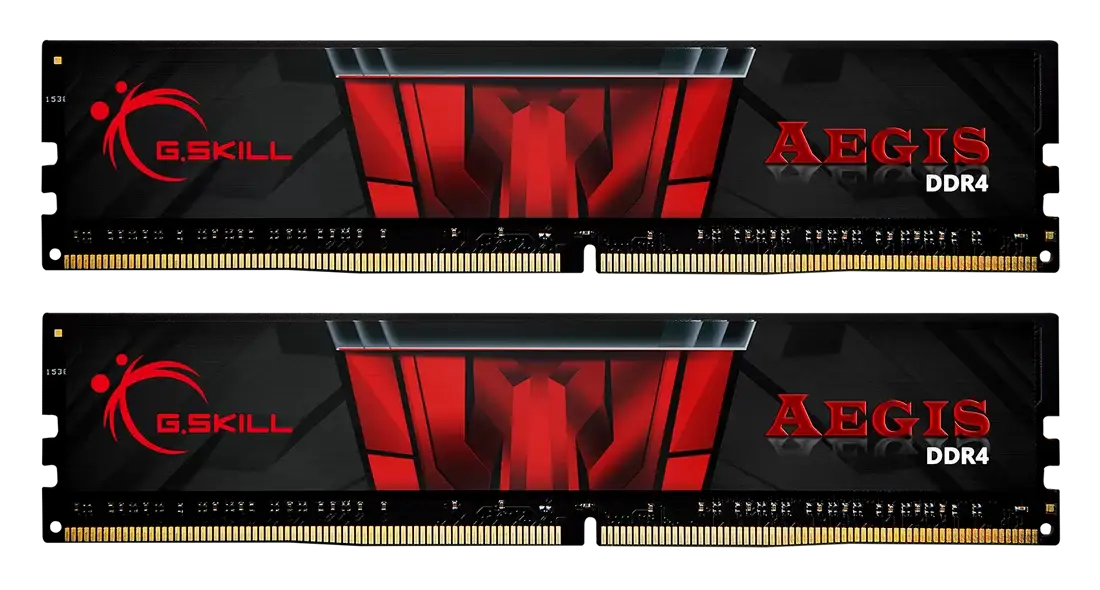
G.SKILL Aegis DDR4 32GB Review: Stable Value Pick
Starting strong, G.SKILL Aegis DDR4 RAM 32GB (2x16GB) 3200MT/s has carved out a clear identity among budget-conscious gamers and power users, earning consistent ratings of 4.7–4.8/10 across Reddit, Trustpilot, and retailer reviews. Praised for reliability, out-of-the-box stability, and affordability, it’s a kit that delivers advertised specs without unnecessary flash—though not without quirks for certain AMD setups and overclocking enthusiasts.
Quick Verdict: Conditional buy for gamers, content creators, and general-purpose users who value stability over aesthetics or extreme tuning potential.
| Pros | Cons |
|---|---|
| Solid stability at advertised 3200MT/s CL16 | Limited overclocking headroom |
| Affordable pricing vs. competition | Occasional compatibility issues with AMD boards |
| Low-profile design fits tight builds | No RGB or aesthetic frills |
| XMP 2.0 profile loads easily on most boards | Requires manual BIOS adjustment on some systems |
| Energy efficient at 1.35V | Reports of rare defective modules |
| Works well for heavy multitasking | Slightly slower latency than CL15 kits |
| Lifetime warranty | Heat spreader is minimal |
Claims vs Reality
Marketing positions the G.SKILL Aegis DDR4 as “the ideal solution for gaming PCs,” touting perfect compatibility, high stability, and minimal latency for FPS, RTS, and MMO titles. On paper, its CL16-18-18-38 timings and 3200MT/s speed promise snappy responsiveness under a low 1.35V draw.
In practice, most users confirm those claims. Reddit user feedback often echoes sentiments like: “Just good, boring memory… exactly what I was looking for. No lights, no fancy design, no nothing. Just as-advertised DDR4-3200 CL16, easily read by my motherboard.” A verified buyer on Amazon noted that speeds “match what was sold to me… definitely lower latency than budget competitors.”
However, there is nuance. Some AMD owners found default speeds lower until manually enabling XMP, with one Twitter reviewer stating: “Works well but detects at slower speed, you may need to manually set it.” This gap between out-of-box performance and full potential means less experienced builders can miss advertised speeds without BIOS familiarity.
While the kit claims high compatibility, scattered reports—particularly from X470 and B450 chipset users—show occasional instability. Jack H. on Trustpilot shared that it “caused problems with my X470 motherboard… don’t post etc no matter what I did.” This doesn’t contradict the claim outright, but it spotlights niche build combinations where “plug-and-play” isn’t plug-and-play.
Cross-Platform Consensus
Universally Praised
Three traits dominate positive sentiment: stability, price-to-performance, and low-profile practicality. Buyers from LDLC to Geizhals agree it’s “fantastic value” and a “solid performer” without bloatware features. For gamers running Ryzen 5 and 7 platforms, it seems to hold up even under prolonged load. Thomas B. recounted four years of trouble-free use on a Ryzen 7 3700X + RX 7900 GRE setup.
Multitaskers—editors, streamers, and even server admins—highlight the 32GB capacity as transformative. Christophe G. mentioned: “The XMP profile loaded in BIOS without any issue… allowed me to use RAM at the maximum permitted by my motherboard.” Another LDLC reviewer used it to upgrade a gaming server for ARK, stating, “Kit perfect, all is ok!”
Its understated aesthetic also appeals to minimalist builders. “The RAM is very fast and visually very plain,” wrote a Geizhals user, summing up the no-frills ethos that resonates with customers avoiding RGB clutter.
Common Complaints
While compatibility is broadly good, some AMD users—particularly with older boards—hit snags. These include systems posting at lower JEDEC speeds (2133MHz) until XMP is enabled, or occasional black screens on first boot. Maxime M. reported having no issues after matching slots A2/B2 according to spec, suggesting setup sequence matters.
Overclocking enthusiasts find the kit serviceable but not flexible. One Reddit user managed a stable 3466MHz with relaxed timings; others hit a ceiling at stock speeds. “Can’t really get the timings any tighter than advertised,” is a common refrain, underscoring this RAM’s role as a stable workhorse rather than a tweakable racer.
A rare handful faced hardware defects—Ryan T. noted a stick “dead on arrival” leading to blue screens, resolved only via return. Although uncommon, these cases remind buyers to test modules promptly after purchase.
Divisive Features
Energy efficiency at 1.35V is widely liked, but the minimal heat spreader draws mixed reactions. Budget buyers appreciate it; heavy overclockers wish for beefier thermal design. The same applies to aesthetics: those avoiding RGB rave about the sober look, while others find it “cheap-looking.”
Overclocking potential is another split. While some squeeze moderate gains at higher voltage, others find stability falters beyond spec speed. This gap aligns with buyer profiles: stable performance seekers win, tuners lose.
Trust & Reliability
Trustpilot and LDLC feedback paints G.SKILL’s Aegis line as generally dependable over years. Multiple long-term users cite up to six years without module failure. “I have yet to be disappointed,” one Reddit user wrote after their third G.SKILL purchase.
Support experiences vary: defective module replacements were handled smoothly by most retailers, though one Geizhals user disliked the return shipping fee for incompatibility. The lifetime warranty adds reassurance, but community consensus is clear—test new kits early to catch DOA units.
Alternatives
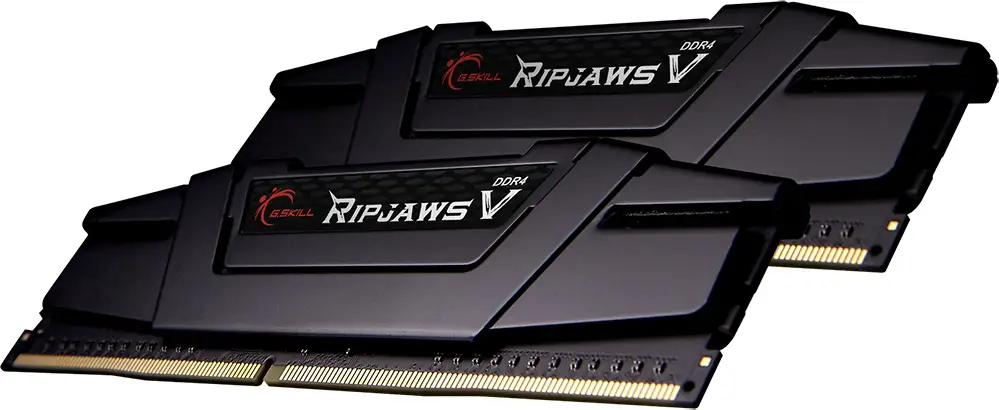
Alternatives mentioned in community threads include G.SKILL Ripjaws V and Trident Z RGB. Ripjaws V offers similar stability with slightly more aggressive heatsinks, appealing to tuners for marginal thermal headroom. Trident Z adds RGB and higher-speed SKUs, targeting aesthetic-focused builds.
For pure budget stability, few match Aegis’ ratio of price to capacity. Competitors at similar price points often run with higher CAS latency or less reliable XMP behavior.
Price & Value
Recent market tracking shows the G.SKILL Aegis DDR4 3200 kit around €80–€97 in Europe, $60–$130 in North America, comfortably undercutting many RGB-equipped modules. eBay resale prices remain steady, suggesting slow depreciation thanks to DDR4’s sustained relevance for mainstream platforms.
Community tips: buy during seasonal sales and from reputable sellers, as counterfeit modules do exist. For AMD systems, budget time in the build for BIOS tuning to hit rated speeds.
FAQ
Q: Does G.SKILL Aegis DDR4 3200 work with AMD Ryzen?
A: Yes, but some AMD users report needing to enable XMP in BIOS to reach full 3200MT/s speed. Otherwise, it may default to lower JEDEC rates.
Q: Is this RAM good for gaming?
A: For most modern titles, yes. Its stable speed and dual-channel setup help maintain smooth frame pacing, especially at 32GB capacity.
Q: Can it be overclocked?
A: Limited gains are possible; some users achieve 3466–3600MHz with relaxed timings, but stability beyond stock can vary.
Q: Will it fit in small form factor cases?
A: Yes, the low-profile heat spreader design fits comfortably in most compact builds without clearance issues.
Q: Does it have RGB lighting?
A: No, Aegis is a plain, non-RGB module, favored by those prioritizing performance per dollar.
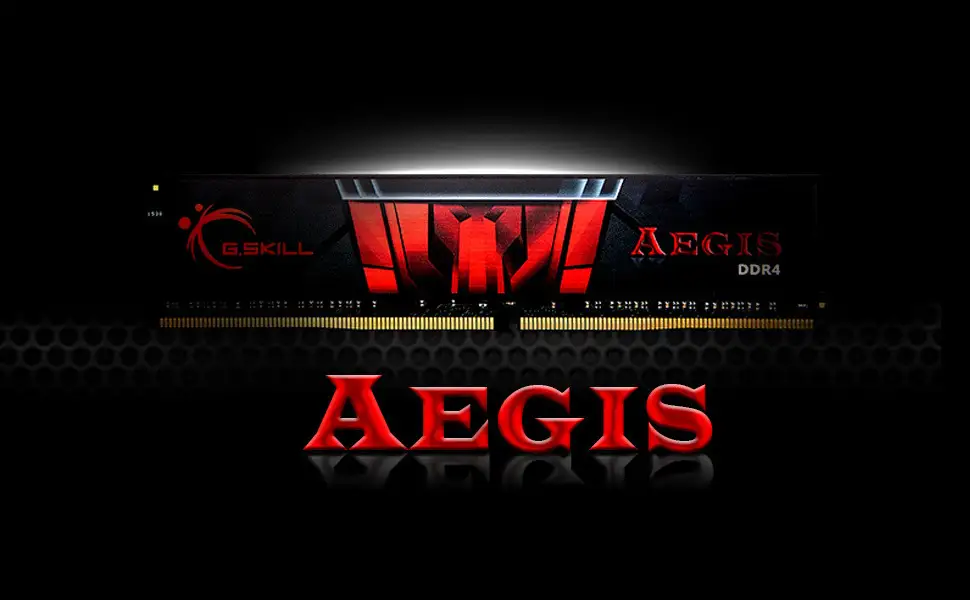
Final Verdict: Buy if you’re a gamer, multitasker, or server admin wanting stable 32GB DDR4 at a sensible price without flashy extras. Avoid if you’re chasing extreme overclocking or RGB aesthetics. Pro tip from the community: test modules immediately and enable XMP in BIOS to unlock advertised speeds—especially on AMD boards.