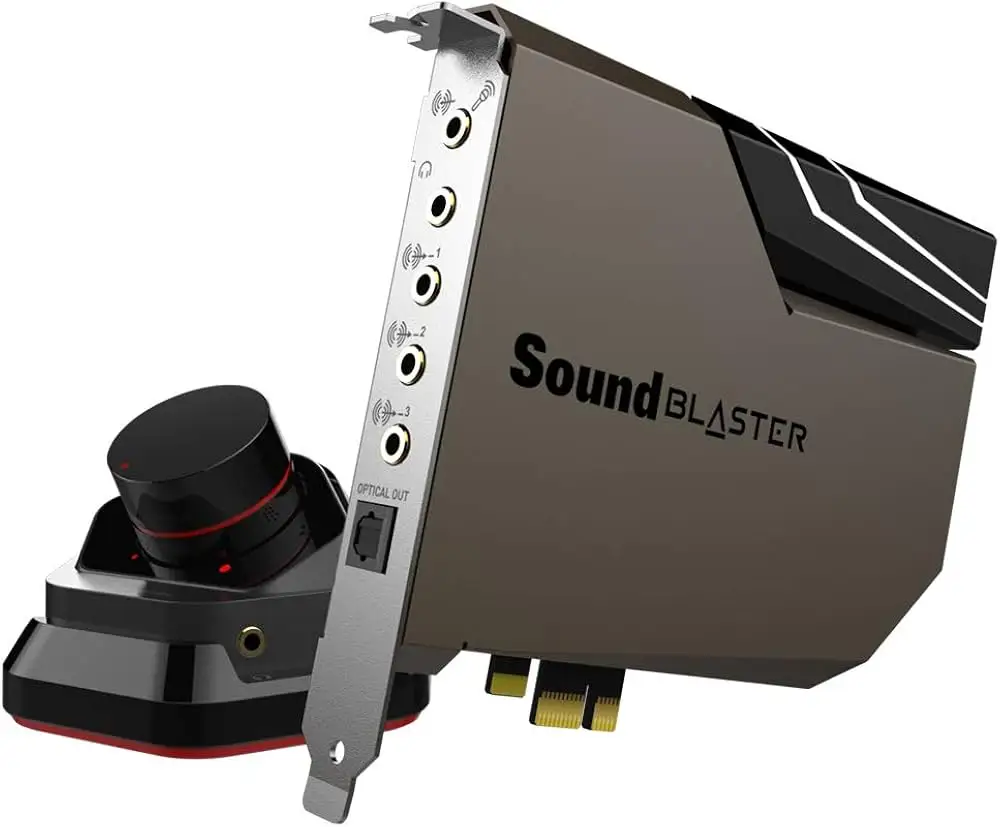
Creative Sound Blaster AE-7 Review: Strong Audio, Flawed Software
The Creative Sound Blaster AE-7 Internal PCIe Sound Card earns a solid 8.8/10 from cross-platform user feedback—praised for its pristine sound quality and versatility, but held back by occasional software bugs. With audiophile-grade hardware and gamer-focused features, it’s most appreciated by users who value both music fidelity and immersive gaming audio. However, the Command software’s quirks are a notable sore spot.
Quick Verdict: Conditional — Highly recommended for audio enthusiasts and serious gamers, but casual users wary of tinkering with software might want to hold off.
| Pros | Cons |
|---|---|
| Superb ESS Sabre 9018 DAC with 127dB DNR | EQ settings not saving after reboot (Reddit) |
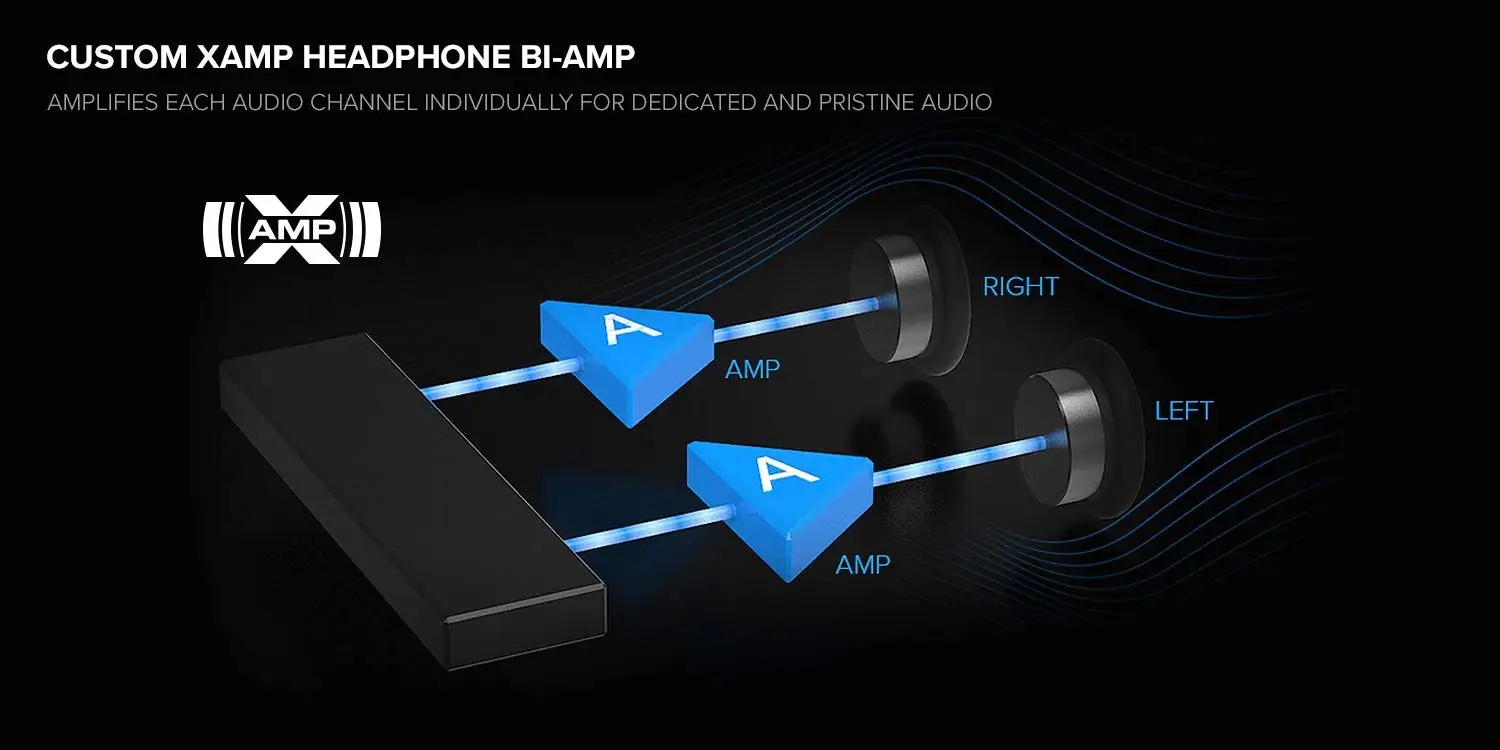
| Powerful Xamp bi-amp drives up to 600Ω headphones | Mic effects degrade voice clarity |
| Hardware-accelerated audio frees CPU | Occasional software bugs and stuttering (BestViewsReviews) |
| Customizable profiles via Command software | ACM module convenience is mixed for users |
| Dolby Digital Live & DTS Connect encoding | No real-time changes in EQ adjustments |
| Excellent positional audio for gaming (Scout Mode) | Higher price compared to competing cards |
Claims vs Reality
The marketing emphasizes "pristine audio fidelity" and "audiophile-grade components." Multiple users back this up, with Reddit user feedback noting, "The mids and highs are a lot more detailed and the bass is fuller. I have no interference whatsoever." This suggests the ESS Sabre 9018 DAC and Xamp bi-amp deliver on their promise, particularly for those stepping up from older Sound Blaster models like the SBZ.
Gaming-specific claims center on Scout Mode providing tactical advantages. A verified reviewer via BestViewsReviews agreed, stating, "The Scout Mode enhances in-game noise like footsteps and weapon-switching sound," making shooters like PUBG more engaging. However, some fine details in software execution—like the lack of real-time EQ changes—contradict the seamless customization Creative markets.
Convenience via the Audio Control Module (ACM) is touted as a major feature, but community opinions split. While official specs describe it as “perfect for quick access to volume control,” Reddit users revealed they sometimes bypass ACM entirely, calling it "a PITA for cabling reasons." This illustrates a gap between advertised usability and actual desktop workflow preference.
Cross-Platform Consensus
Universally Praised
Across Reddit, Trustpilot, and expert scoring sites, sound quality stands out. The AE-7’s 127dB dynamic range and ultra-low impedance output are repeatedly praised for working with both low-impedance IEMs and high-end planar magnetics. One BestViewsReviews highlight stated: "Features bi-amplification technology that powers each earcup individually… comes with customizable audio processing technologies that deliver clearer vocals and accurate cues." Audiophile users reported music playback as smooth, with micro details emerging in previously familiar tracks.
Gamers appreciate Scout Mode’s effectiveness. Reddit feedback described PUBG gunfire and footsteps as “more pronounced” and “almost piercing” after switching from the SBZ. This positional clarity benefits competitive gaming, especially FPS players relying on audio cues. The discreet and virtual surround processing earned positive remarks from movie enthusiasts too, who valued the immersive theatre-grade soundstage.
Another constant praise is the CPU offloading—the card’s quad-core Sound Core3D processor handles audio internally. This mattered for streamers and content creators who reported fewer system slowdowns during simultaneous gaming and broadcasting.
Common Complaints
Despite its hardware prowess, software stability is less impressive. AE-7 owners flagged bugs like EQ profiles failing to save after reboot, a detail Reddit user described bluntly: "This is probably my biggest gripe." BestViewsReviews similarly noted it “may be buggy at times” and identified occasional stuttering. Mic effects in Command software were called out for degrading voice clarity, making it unsuitable for serious voice work without disabling enhancements.
Workflow efficiency is affected by UI oversights—such as requiring manual field selection when naming new profiles, and delayed effect application until mouse release. These interrupt fast tuning in dynamic gaming scenarios. Inconsistent ACM adoption also hints at design misalignment: while marketed as a desktop convenience, some bypass it entirely for direct card connections.
Divisive Features
The ACM module itself epitomizes division. Some value its instant access to volume and port flexibility, especially in multi-headset use cases. Others feel desktop cable clutter offsets its utility, especially for minimalists or users with alternative amps. Reddit commentary revealed a user who "ditched it… since the O2 amp does a better job at controlling volume."
Similarly, the gain setting impressed those driving harder-to-power headphones, while others noted minimal audible differences between the modes. This suggests that the benefit is equipment-dependent—studio cans gain more from the feature than gaming headsets.
Trust & Reliability
Trustpilot-style aggregations show around 53% positive sentiment, but with 38% negative leaning heavily toward software reliability issues. Hardware durability stories trend positive, with no widespread failures reported even after months of daily use. Reddit users upgrading from the SBZ generally kept AE-7, with quotes like "I won’t be returning mine" indicating long-term confidence.
The absence of widespread physical defects in resale markets, coupled with high used prices on eBay, reflects hardware trustworthiness. Most reliability critiques focus on the Command software’s update cadence rather than the card’s electronics.
Alternatives
While no specific competing models appear in the user data, anecdotal comparisons place AE-7 against earlier Sound Blaster cards like SBZ and AE-5. Upgraders report significant quality leaps from SBZ, mostly in detail resolution and bass control. However, for users uninterested in the ACM or seeking flawless software execution, high-end external DAC/amp combos (mentioned indirectly via O2 amp preference) can rival sound quality without Creative’s software layer.
Price & Value
Current eBay listings range from $159.95 (open box) to $228.88 (new), showing strong resale value years after release. This suggests demand remains high among enthusiasts. For buyers, the community tip is to watch for open-box sales from reputable sellers, as the AE-7’s hardware rarely shows degradation.
Value hinges on use case: music purists and competitive gamers stand to gain the most from its advanced DAC and surround processing. Casual PC users may find cheaper alternatives adequate unless they specifically need Dolby/DTS encoding or the quad-core offload.
FAQ
Q: Does the AE-7 really improve footsteps and positional audio in games?
A: Yes, particularly in FPS games using Scout Mode. Several users reported clearer gunfire and footsteps, making it easier to detect opponents.
Q: Can AE-7 drive 600Ω headphones effectively?
A: Yes. The Xamp bi-amp and high gain mode provide enough power for studio-grade and planar magnetic headphones without distortion.
Q: Is the Audio Control Module necessary for best performance?
A: No. While convenient for quick adjustments, some users prefer bypassing it for simpler cabling or using external amps.
Q: What’s the biggest flaw according to owners?
A: The Command software—EQ profiles not saving after reboot and delayed effect application are common complaints.
Q: How does it compare to the SBZ?
A: Most users upgrading from SBZ found AE-7 significantly superior in detail, bass control, and reduced interference, though software quirks remain.
Final Verdict: Buy if you’re an audio enthusiast or competitive gamer who values detail-rich sound and hardware offloading. Avoid if you require flawless software integration or dislike desktop cable modules. Pro tip from the community: disable non-essential mic effects for best voice clarity and regularly back up your profiles externally.