Garmin Dash Cam Mini 3 Review: Compact but Flawed
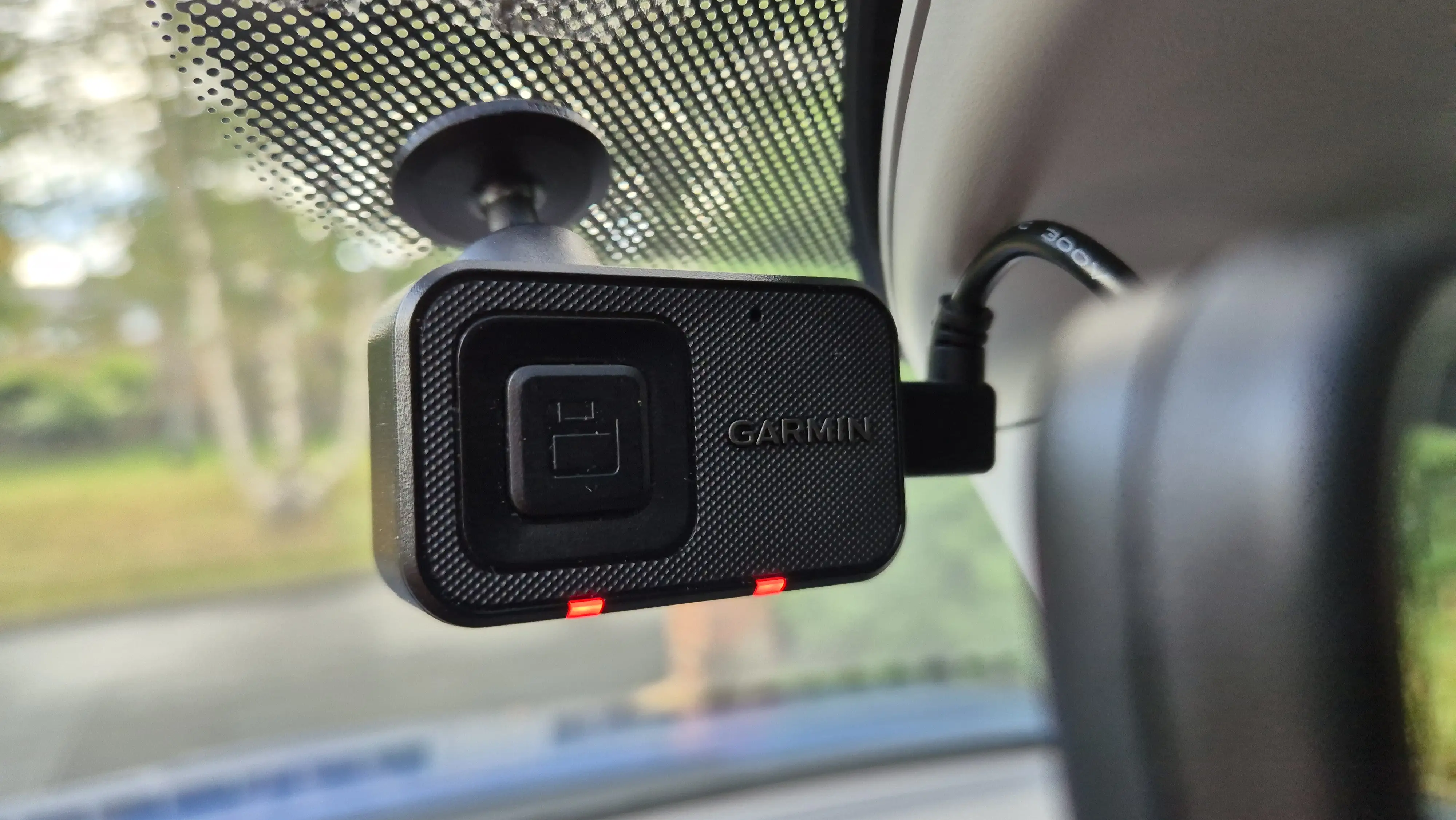
The Garmin Dash Cam Mini 3 has built a reputation for being one of the smallest dash cams on the market, but digging into real-world feedback reveals a more nuanced picture. While its ultra-compact form factor and ease of installation earn widespread praise, performance and connectivity issues temper enthusiasm. Across platforms, the Mini 3 averages around a 4/5 rating, with users split between admiration for its discreetness and frustration over its reliance on the Garmin Drive app and paid Vault subscription for certain features.
Quick Verdict: Conditional Buy
| Pros | Cons |
|---|---|
| Very compact, discreet design | No GPS or rear camera |
| Polarizing lens reduces glare | App connectivity often slow or unreliable |
| Easy installation in minutes | MicroSD card not included |
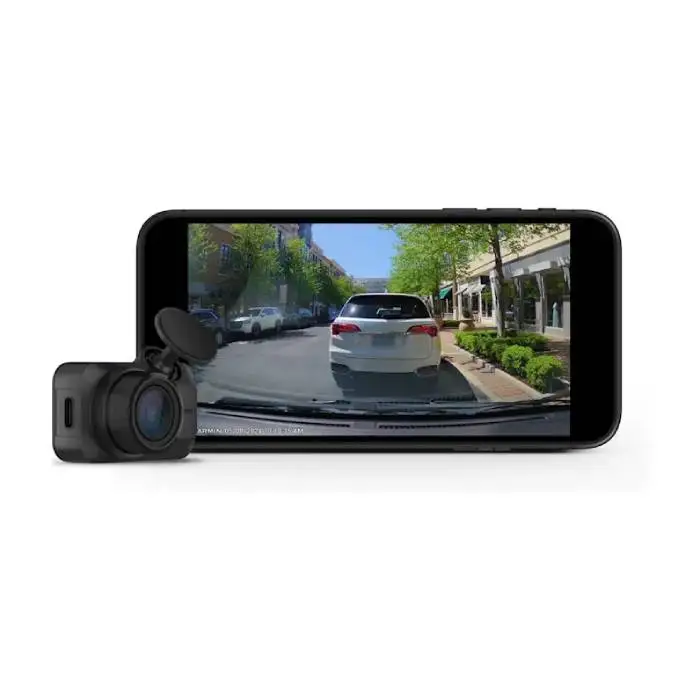
| Voice control in multiple languages | Parking mode/live view require paid subscription |
| Decent day/night HD video quality | Wi-Fi transfer speed poor for larger files |
| Wide 140° field of view | No built-in screen for immediate playback |
Claims vs Reality
Garmin markets the Mini 3 as offering "crisp 1080p video" and a "140-degree field of view" with glare reduction via the Clarity Polarizer lens. While the 1080p resolution delivers clear daytime footage for most users, Reddit discussions point out limitations in license plate readability beyond 25–30 feet. A verified buyer on Best Buy wrote: “Picture quality is good enough night and day, but it’s nothing to write home about.”
The brand also touts its “Parking Guard” and “Live View” functions as advanced security features. In practice, multiple Reddit users emphasized these require a constant power source, active Wi-Fi, and a paid Vault subscription. One user clarified: “Vault isn’t the only way to record, but it is required to access recordings remotely when not at the vehicle.” This contradicts the marketing tone that implies full remote capabilities out of the box.
Garmin’s stated FOV of 140° was tested at closer to 119° by TechGearLab, which noted this was still among the best measured but slightly less than advertised. The discrepancy matters for drivers seeking maximum peripheral capture.
Cross-Platform Consensus
Universally Praised
The Mini 3’s size is its biggest selling point. Best Buy reviewers repeatedly highlight how it “fits perfectly behind my rear view mirror” and is “hardly noticeable.” This makes it ideal for drivers who want security without visual clutter. For rideshare drivers, the discreetness reduces passenger awareness while still documenting incidents.
Installation speed is another standout. TechGearLab clocked full setup at just five minutes, noting “this device just can’t be beat” for getting operational quickly. The adhesive mount and simple cable routing were seen as a major upgrade over bulkier, suction-based competitors.
The polarizing lens earns near-universal approval. TechRadar reported “practically no reflections at all in the footage we captured, even on a sunny autumn day,” and night performance benefits too, with reduced halos around headlights. For urban commuters driving at night, this helps preserve detail despite lower resolution.
Common Complaints
Connectivity is the most frequent frustration. Users on Trustpilot and Reddit describe slow Wi-Fi transfer speeds and frequent connection drops, especially with Android Auto or Apple CarPlay active. A Best Buy customer said: “It’s take forever to load the videos and half the time the camera loses connection.” This impacts those who rely on quick access to footage after an incident.
The reliance on the Garmin Drive app is divisive. While some praise its polished interface, others find it cumbersome. One reviewer complained: “You have to manually connect to Wi-Fi every time you get in the car… very annoying.” Without a built-in screen, all interactions—live view, settings, downloading clips—must be done via app or by removing the SD card.
Video quality at 1080p is adequate but underwhelming for some in 2024. DashCamTalk rated night video 5/10, warning that plate readability drops sharply after dark. Professional reviewers note that for a new-generation device, higher resolution options would be expected.
Divisive Features
Voice control garners mixed reactions. Some enjoy hands-free commands, but others report unreliability. A Best Buy reviewer admitted, “Voice command rarely works. I just use the button.”
Parking Guard is appreciated by drivers in high-risk parking areas, but the subscription requirement alienates cost-conscious buyers. As Reddit user feedback shows, many opt out entirely, preferring local SD storage.
 **Trust & Reliability**
Durability scores well in long-term use. French-language reviews note it “continues to function perfectly” even in high summer heat, and Garmin’s own spec sheet rates it for -4°F to 140°F operation. The lack of an internal battery (using a supercapacitor instead) reduces swelling and failure risk.
However, trust in Garmin’s ecosystem is dented by locked features behind subscriptions. Some Reddit commenters view Vault as “a revenue stream” rather than a genuine value-add. Best Buy feedback also shows dissatisfaction when connectivity issues prevent Vault uploads, leading to lost footage.
Alternatives
Several reviewers suggest considering more feature-rich competitors if resolution or rear coverage is a priority. TechGearLab points to the RedTiger 4K F7NP and Miofive S1 for higher pixel counts, and the Rove R2-4K Dual for front/rear capture. These trade discreetness for expanded capability.
For those loyal to Garmin but wanting GPS, the Dash Cam 67W offers 1440p and wider FOV, albeit in a larger housing.
Price & Value
eBay listings show new units at $129.99 (about 13% off MSRP), while Best Buy maintains $135–$149.99 depending on bundle. Resale value is moderate, with discounts driven by competition from higher-res models. Buyers should budget for a Class 10 microSD card (8–512GB supported) and possibly the $9.99/month Vault subscription if remote access matters.
Community tips include buying the suction mount separately for flexibility, and using a powered rearview mirror connection for cleaner cabling.
FAQ
Q: Do I need a Vault subscription to use the Mini 3?
A: No, recordings can be stored locally on a microSD card or transferred via the Garmin Drive app when near the camera. Vault is only required for remote access when away from the vehicle.
Q: How is night video quality?
A: Adequate for identifying vehicles and road markings, but license plate readability drops significantly beyond close range. The polarizing lens helps reduce glare from headlights.
Q: Can it sync with other cameras?
A: Yes, up to four Garmin dash cams can be synced for multiple viewpoints via the Garmin Drive app.
Q: Does it include a memory card?
A: No, you must purchase a compatible microSD card separately.
Q: Is installation difficult?
A: Most users report setup in under 10 minutes with the adhesive mount. Cable routing is straightforward.
 **Final Verdict**
Buy if you prioritize discreetness, fast installation, and glare-free HD video for front coverage. Avoid if you require GPS data, rear camera footage, or instant high-res plate capture. Community pro tip: skip the Vault subscription unless you truly need remote access—local SD storage is faster and more reliable.