Furman M-8x2 Review: Works, but Conditional Buy (8.6)
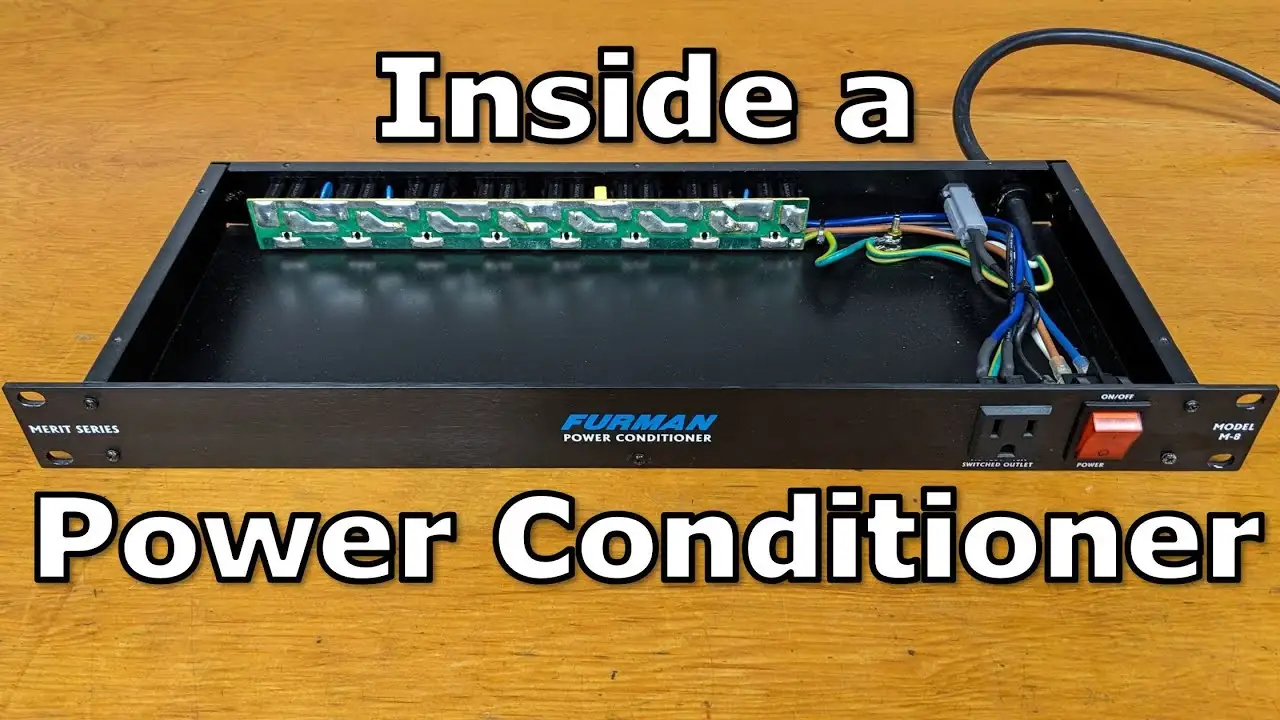
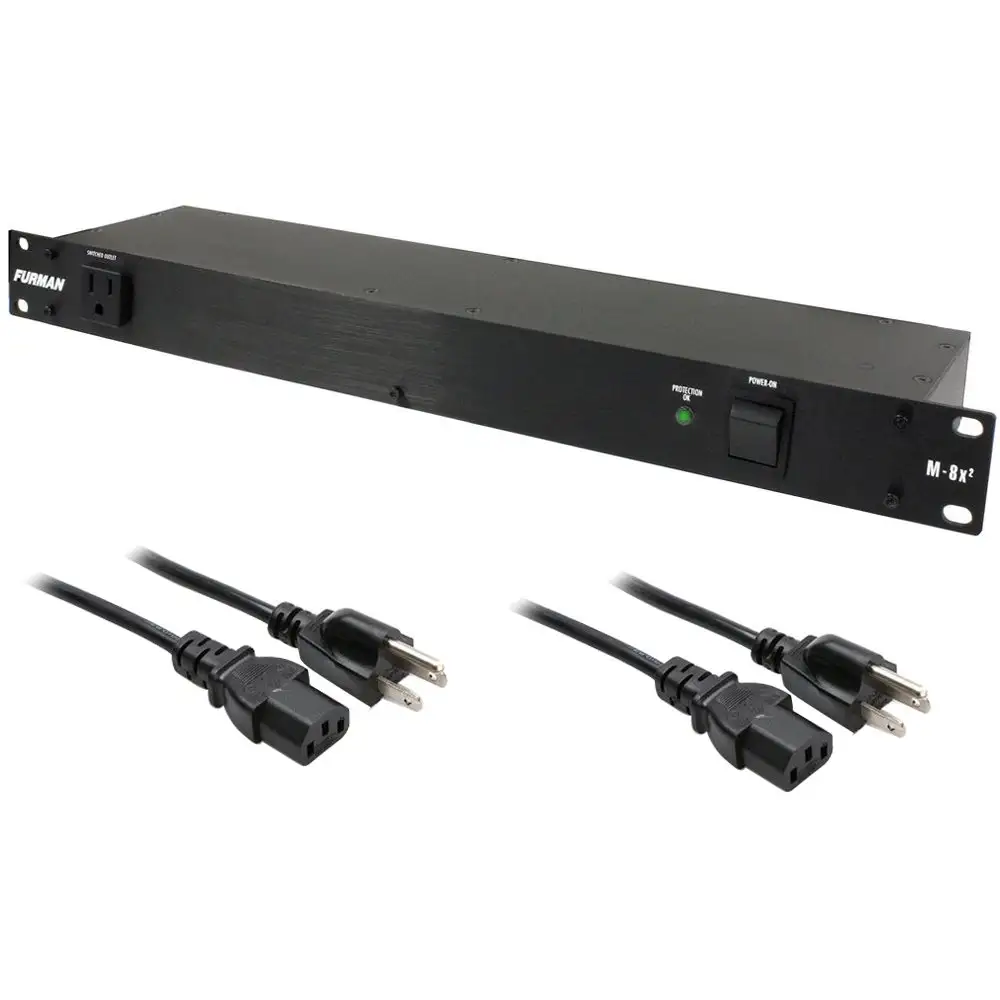
A recurring Sweetwater theme says it all: “it just works”—but the more you read, the more Furman M-8x2 Power Conditioner & Surge Protector with Extension Cables looks like two products in one: a tidy rack power hub that many call a noise-solver, and a “glorified power strip” that skeptics say you shouldn’t over-credit. Verdict: Conditional buy, 8.6/10.
Quick Verdict
Yes—conditionally. If you want a basic 1U rackmount power distribution unit with surge protection and some RFI/EMI filtering, most buyers sound thrilled. If you expect dramatic “power conditioning” or have a rig already quiet (or with ground-loop issues), some users say the improvement is unclear—or even negative in a few setups.
| What matters | What users liked | What users didn’t | Who it affects |
|---|---|---|---|
| Noise reduction | “noise and hum… disappeared” (Sweetwater) | “still a lot of hum” (Sweetwater) | Home studios, old wiring, churches |
| Rack convenience | “8 outlets on the back… extra outlet on the front is handy!” (Sweetwater) | Wants “another [front outlet]” (Sweetwater) | Rack users, live rigs |
| Value | “works well without breaking the bank” (Sweetwater) | “poorest example of a surge protector” (Sweetwater) | Budget-conscious buyers |
| Wall-wart spacing | “spaced to accommodate… wall warts” (Specs) + praised layout (Sweetwater) | Shallow depth blocks wall warts below (Sweetwater, zZounds) | Shallow racks, deep gear stacks |
| Reliability/peace of mind | “still kicking after 10 years” (Sweetwater) | Rare failures / doubts about internals (zZounds, Sweetwater) | Touring users, storm-prone areas |
Claims vs Reality
Furman’s product pages and Amazon listing lean hard into two promises: “AC noise filtering reduces RFI/EMI” and “spike & surge protection ensures equipment stays safe & power stays clean,” with a 15A rating and a “Protection OK” indicator. Digging deeper into user reports, the noise-filtering claim is the one that gets the most passionate reactions—both positive and negative.
Claim #1: “AC noise filtering reduces RFI/EMI.”
A recurring pattern emerged in Sweetwater and zZounds reviews: users with noisy environments describe immediate, measurable-seeming relief. A Sweetwater buyer wrote: “There was an instant difference in the sound quality after installment… all of the previous noise and hum… disappeared.” Another Sweetwater reviewer in a radio-heavy area said: “I live downtown and a block away from a radio station… the furman m-8x2 did away with the rfi entirely.” On zZounds, one buyer with older wiring echoed the same storyline: “my home was built in 1925… humming… light switches would make my amp pop and click… cleaned up all the white noise.”
But other accounts describe either no clear benefit or unresolved hum. One Sweetwater reviewer was blunt: “Didn’t really help my issue… still a lot of hum… I do live in a house that is very old.” Another user framed it as impossible to verify: “I’m assuming it does… there’s no way to really tell.” The contradiction isn’t that filtering never works; it’s that the benefit seems highly dependent on the specific noise source and setup.
Claim #2: “Surge and spike protection.”
Here, “peace of mind” is the dominant phrase across platforms. A Sweetwater reviewer called it “cheap insurance for expensive gear,” while a zZounds user summed up the motivation: “hope i don’t need it, glad i have it.” A particularly vivid zZounds story described a failure event with protection: “we plugged into the stage power… and this thing smoked. but what didn’t smoke was the $5k worth of equipment… Furman… sending a replacement.”
At the same time, some users challenge the implied level of protection—especially compared to heavier-duty solutions. A skeptical Sweetwater reviewer complained: “Where’s the beef? this is the poorest example of a surge protector… 3 small movs… you’d better buy an iso-bar and plug this… into it!” And on Amazon, a 1-star reviewer reported the opposite of what they wanted: “introduced a very audible hum/buzz… so, no it does not filter ac line noise. in my case it produced noise.”
Claim #3: “Wall-wart spacing and rack practicality.”
On paper, Furman emphasizes wall-wart spacing and shallow depth. Users largely confirm the intention—then add a real-world catch. A Sweetwater buyer praised the design: “wall warts are allow[ed] to hang down and out of the way,” but warned it “could be a problem if you need to mount a deeper piece of gear just beneath.” Another Sweetwater review distilled the issue: “it is not very deep physically which is a problem with using wall warts… a blank panel will solve the problem.” zZounds echoes that: one reviewer had to “purchase a short extension to connect the wall wort plug… due to the shallow depth.”
Cross-Platform Consensus
Universally Praised
The strongest consensus isn’t about mystical “conditioning”—it’s about making a rack usable and orderly. Sweetwater users repeatedly frame it as a central power hub: “plug in your gear, power up… at the end of the night, simple shut ’er down.” For mobile DJs and gigging musicians, that single-switch workflow is the payoff more than any lab-grade filtration. A zZounds reviewer described the simplicity: “it literally could not be easier,” and another Sweetwater buyer said: “great addition to my rack… head, tuner, wireless and my phone charger all in one place.”
Another widely praised theme is noticeable noise reduction—when the problem is real and external. Churches, old buildings, and apartments show up repeatedly in the stories. A Sweetwater reviewer wrote: “noise… from the electrical in the building… once we began using these, that noise was gone.” Another said a small freezer was polluting power: “pops, crackles… it not only stopped those noises, but it improved the sound quality.” And the “radio station in the rig” scenario appears more than once: “radio signals in my studio monitors… they’re now gone.”
Finally, many buyers praise build feel and longevity. On Sweetwater: “first impression was one of quality. heavy, fit and finish… above average.” Another long-term user reported: “I’ve used one for over 10 years… it does what it is supposed to do.” The durability angle shows up on Sweetwater and zZounds as a reason people stick with Furman: “I like furman because they last forever,” and “still kicking after 10 years.”
After those narratives, the recurring praised points condense into:
- Rack convenience: 8 rear outlets + front outlet frequently called “handy” (Sweetwater)
- Cleaner rigs: reports of reduced “hum,” “hiss,” “crackle,” and RFI (Sweetwater, zZounds)
- Solid feel: “built like a tank” style reactions (Sweetwater)
- Long service life: “over 10 years” and “close to 15 years” replacement cycles (Sweetwater)
Common Complaints
Digging deeper into user reports, the most common frustration is physical fit with wall warts in real racks. The unit is designed to be shallow, and users confirm that can backfire when you stack deep gear underneath. One Sweetwater reviewer explained the practical consequence: “the rack item below it can’t be ‘deeper’ or a wall wart won’t fit.” Another called the depth change a “bad design… impossible to plug anything in if you have gear in the space below.” zZounds users end up solving it the same way: short extensions or “pigtail” cords.
The second major complaint is uncertainty about what it’s actually doing electrically. Some users openly call it a power strip in a rack faceplate. Sweetwater has multiple versions of the same thought: “very basic power conditioner / power strip,” and “it’s a power strip… that’s all there is to it.” Another reviewer pushed harder, wanting proof: “when someone can produce results of actual testing… waveform on a scope… notice that information is nowhere to be found?” Even when they like it, they sometimes label it “glorified power strip” (Sweetwater, zZounds).
Third, there are edge-case negative outcomes—rare but important. A Sweetwater user warned: “good, but don’t use for your amp… plugging my amp… changed how it sounds in a negative way… saturated and fizzy.” On Amazon, one buyer reported the unit “introduced a very audible hum/buzz” that disappeared when another filter was placed ahead of it. These aren’t majority experiences, but they’re the kind of stories that make cautious buyers hesitate.
Key complaint themes, summarized:
- Shallow depth + wall warts can block adjacent gear (Sweetwater, zZounds)
- “Glorified power strip” skepticism; hard-to-verify conditioning claims (Sweetwater)
- A few reports of added hum or tonal change in certain amps/rigs (Amazon, Sweetwater)
Divisive Features
Noise filtration itself is divisive because user environments vary wildly. One Sweetwater reviewer claimed an “immediate noticeable… elimination” of noise, while another said their setup remained noisy: “still a lot of hum.” A third admitted confounding factors—rack cleanup and cable management happened at the same time: “I have less noise… but… I also just racked all my gear… I’m unsure as to what role this device played.”
Even the “value” narrative splits into two camps. Many call it “great value” and “works well without breaking the bank” (Sweetwater), while a vocal minority argues the internal parts don’t justify the category or price—“poorest example of a surge protector” (Sweetwater). The same product becomes either affordable peace of mind or an overpriced rack strip, depending on expectations.
Trust & Reliability
Scam concerns and review-authenticity patterns aren’t really visible in the provided Trustpilot row—it’s Sweetwater review content repeated—so the more telling trust signals come from consistency across independent retail platforms (Sweetwater, zZounds, Amazon) and from event-based stories. zZounds includes a striking “took the hit” anecdote: “this thing smoked… but… equipment… didn’t,” followed by a no-drama replacement: “they are sending a replacement. no fuss, no muss!” That kind of account tends to carry weight for buyers who prioritize surge events over day-to-day noise.
Long-term durability stories are unusually common for a basic rack unit. Sweetwater reviewers cite timelines like “over 10 years,” “close to 15 years,” and “20+ years” on older Furman units before failures. Even skeptics sometimes still keep several in racks because they’re dependable for distribution: “for the simple reality of rack power distribution this is probably the cleanest solution… i have several of them” (Sweetwater).
Alternatives
Only competitors mentioned in the data are other Furman models and one third-party suggestion. If you want the same basic idea but with more front-panel features, Sweetwater users mention swapping to Furman M-8LX after wall-wart depth friction: “my solution was swapping it out with a furman m-8lx… went without the pull-out lights.” The “more features” step-up in the dataset is the Furman M-8DX, referenced meaningfully in the “best power conditioners” list and implied by user desire for more front outlets or meters.
On the harsher side, one Sweetwater reviewer advised pairing with a heavier-duty strip: “you’d better buy an iso-bar and plug this… into it!” That isn’t a full competitor comparison, but it signals a user strategy: treat the M-8x2 as rack distribution and add another layer upstream if you’re worried about surge suppression design.
Price & Value
Price perception hinges on whether buyers see it as a “no frills” rack tool or an audio upgrade. Sweetwater frames it as budget-friendly and often discounted (“price drop”), and users echo that: “great price… small simple does what it’s suppose to!” On eBay, listings show new units commonly around the $80–$90 range (with other listings and “best selling” snapshots suggesting broader spread). Resale trends also appear stable enough that used units exist at significantly lower prices, reinforcing the idea that it’s a commodity-like rack staple.
Buying tips from the community skew practical rather than financial. Multiple users recommend planning for wall warts: “consider getting yourself some ‘outlet savers’… extension cords for… wall warts” (Sweetwater). Another suggests rack spacing fixes: “a blank panel will solve the problem” (Sweetwater). The value story, in other words, is maximized when you budget a few extra dollars for short extensions and leave physical clearance in the rack.
FAQ
Q: Does the Furman M-8x2 actually reduce hum and noise?
A: Sometimes—especially in noisy buildings or apartments. A Sweetwater reviewer said: “all of the previous noise and hum… disappeared,” and another reported removing RFI: “did away with the rfi entirely.” But others said “still a lot of hum” (Sweetwater), suggesting results depend on the source of the noise.
Q: Is it basically just a power strip in a rack?
A: Many users describe it that way. One Sweetwater reviewer wrote: “it’s a power strip… that’s all there is to it,” and another called it a “glorified power strip.” At the same time, multiple buyers report audible improvements, implying the filtering can matter in specific electrical environments.
Q: Will wall-wart adapters fit without blocking outlets?
A: The outlet layout is praised, but rack stacking can be tricky. Sweetwater users warn the shallow depth can make wall warts collide with gear below: “the rack item below it can’t be ‘deeper’ or a wall wart won’t fit.” Several buyers solve it with short extension “pigtails” (Sweetwater, zZounds).
Q: Is it safe for amps and high-power rigs?
A: Some run substantial setups “like a champ” (Sweetwater), but there are cautionary reports. One Sweetwater reviewer said plugging in a guitar amp “changed how it sounds in a negative way,” and an Amazon reviewer said it “introduced a very audible hum/buzz.” Amp users appear best served by testing in their exact rig.
Q: How reliable is it long-term?
A: Many owners report long service life. Sweetwater includes “over 10 years” and “close to 15 years” usage stories, and zZounds has a stage-power incident where the unit failed but “$5k worth of equipment” reportedly survived, followed by a replacement from Furman.
Final Verdict
Buy if you’re a home studio builder, church tech, or gigging musician who wants a basic rackmount power hub and hopes to tame hiss, pops, or RFI—because plenty of Sweetwater and zZounds users describe “instant” improvements and long “still kicking after 10 years” durability. Avoid if you expect guaranteed conditioning results, have unresolved 60-cycle hum that may be grounding-related, or can’t spare rack clearance for wall warts.
Pro tip from the community: plan on short extension cords—Sweetwater users repeatedly recommend “outlet savers” or leaving a blank panel to avoid wall-wart clearance issues.