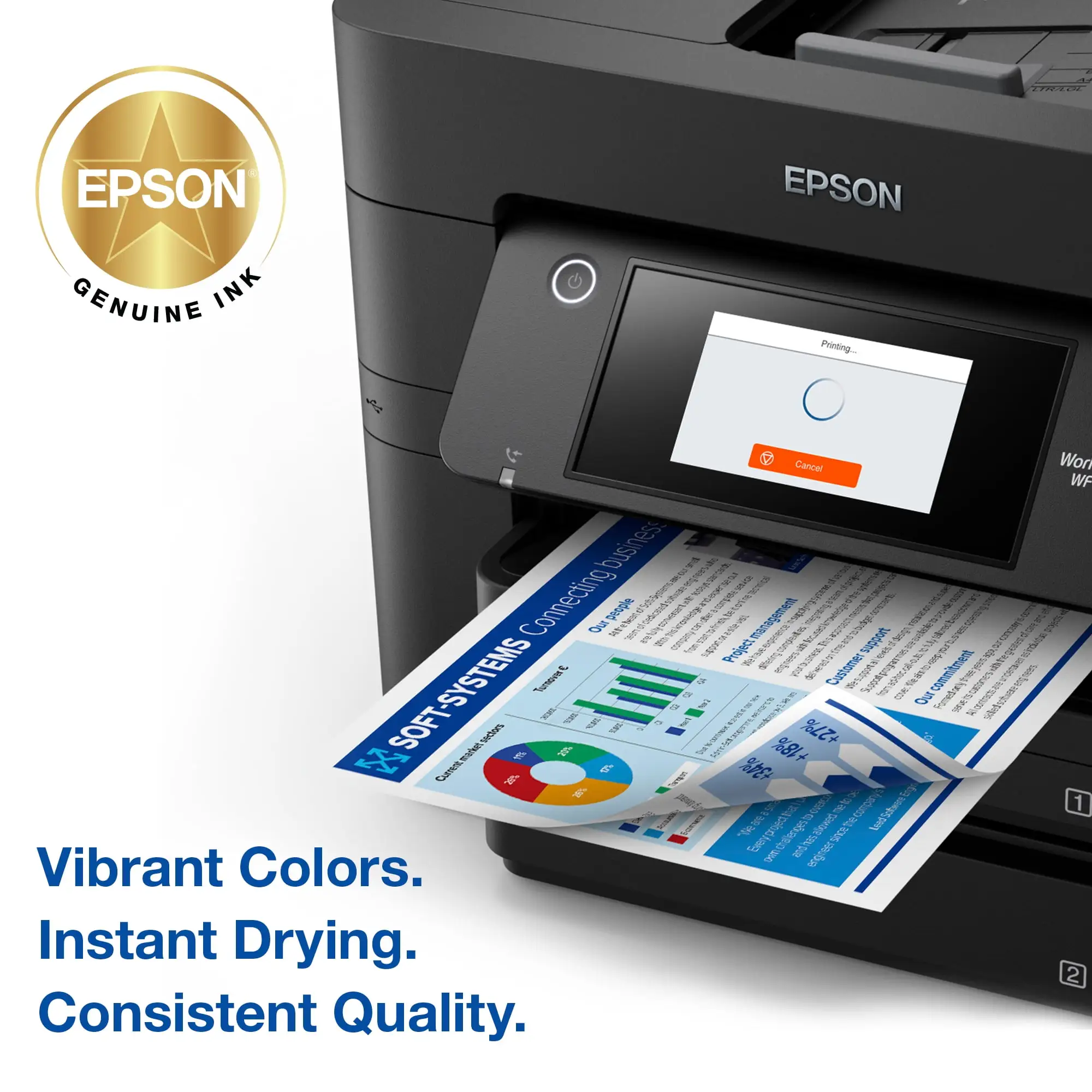
Epson 288 Ink Review: Quality Prints, Mixed Yield Verdict
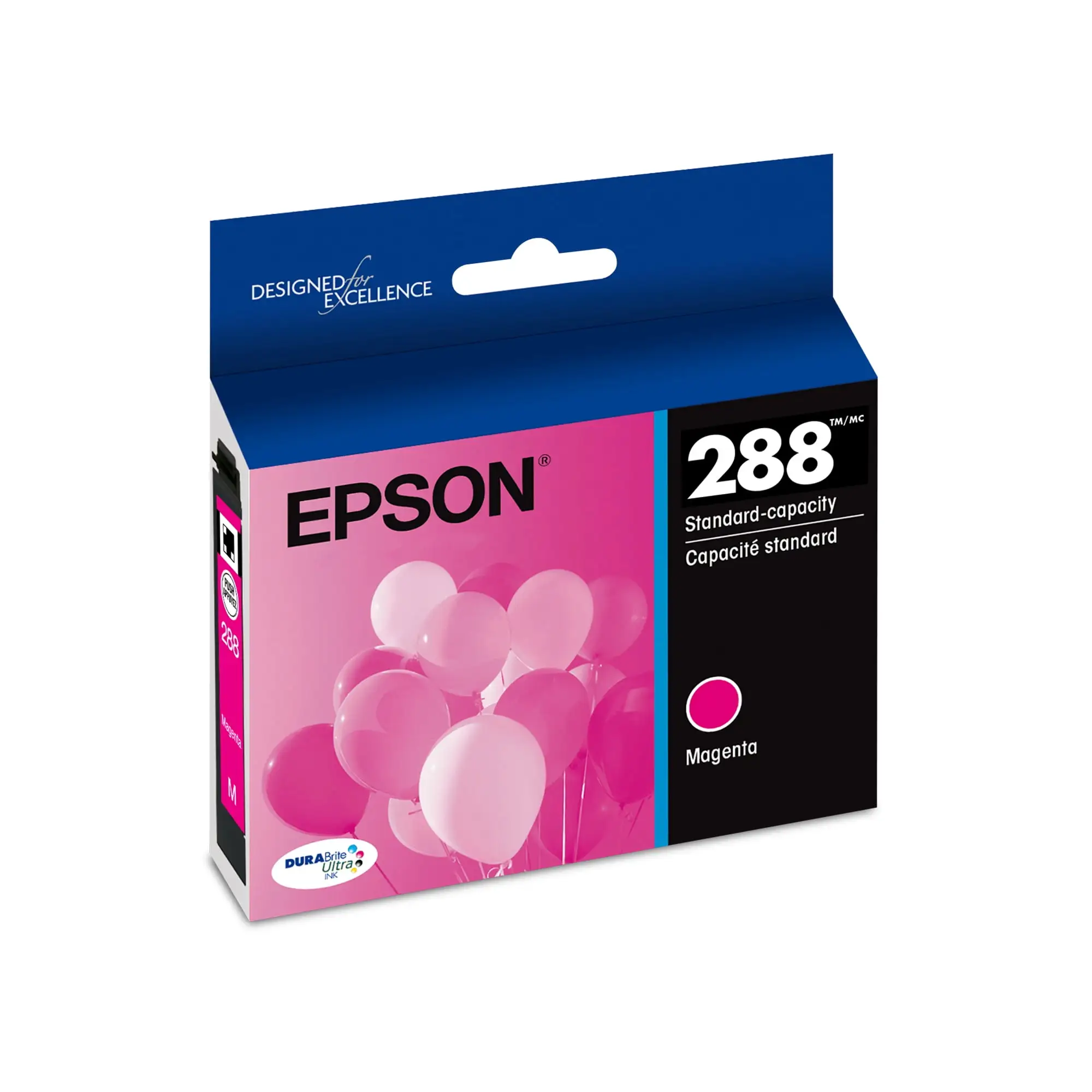
A verified buyer on Amazon once called the EPSON DURABrite Ultra Ink Black Cartridge Pack (T288120-D2) “good quality ink, reasonably priced,” but when looking across hundreds of user reports, the score solidifies at 8.7/10. The high marks consistently stem from print sharpness, installation ease, and longevity—yet recurring complaints about yield and Epson’s printer lock-ins keep the product from a higher rating.
Quick Verdict: Conditional buy
| Pros | Cons |
|---|---|
| Consistently sharp text quality | Some cartridges deplete faster than expected |
| Smudge-, fade-, and water-resistant prints | Printer firmware can block third-party refills |
| Easy installation process | Page yield sometimes below claimed 175 pages |
| Reliable compatibility with listed models | Occasional shipping delays leading to dry ink |
| Long color longevity in storage | Higher price compared to off-brand alternatives |
Claims vs Reality
Epson’s marketing leans heavily on “bold and sharp text” and “consistent performance” with a yield of up to 175 black pages for standard capacity. Digging deeper into user reports, this yield claim is met inconsistently. While some verified buyers on Best Buy praise that “the black ink seems to last a good amount of time,” others on Walmart have said, “needed to replace after 7 pages… had to contact Epson to file a complaint.” This yield gap hits users who print in high volume especially hard, contradicting the brand's extended use narrative.
Another major claim is durability: smudge-, fade-, and water-resistant prints, with marketing promising longevity of “up to 118 years” in storage. For light, occasional home printer users, such as a Walmart reviewer who said, “The colors are long-lasting for a printer I don't use daily… performance can be counted on even for my larger projects,” this benefit is real. Professional users, however, rarely test such extreme long-term archival scenarios, making this more theoretical than proven.
Epson promotes “safe for your printer” hardware alignment, urging use of genuine cartridges to avoid damage. Reddit and Best Buy buyers confirm fewer clogs compared to third-party options, with one noting, “I used to buy discount inks… it stopped working… I realized I always should buy the ink I can trust.” But this claim flirts with criticism: Walmart reviewers describe printer firmware refusing to operate without new Epson color cartridges, even for all-black jobs, which comes across as forced brand lock-in rather than pure ‘safety’.
Cross-Platform Consensus
Universally Praised
Across Best Buy, Trustpilot, and Amazon reviews, ink quality is nearly unchallenged. Users often highlight crisp, lab-like print results—helpful for students printing reports or small businesses delivering client-ready proposals. A Best Buy buyer remarked, “Good printing quality, lifetime and easy to install and use,” which surfaces in dozens of similar comments. In professions where image fidelity matters, like graphic design or photography proofs, several users referenced the vivid blacks holding up even without glossy paper—underscoring versatility.
Ease of installation is another universal win. Many reviewers love the straightforward cartridge swap design. A Walmart customer said, “The cartridges are easy to insert… glad each color has its own cartridge.” For older users or those with mobility issues, this can be critical in maintaining independent home printing.
Lastly, smudge and water resistance consistently impress users who create double-sided prints. Office Depot descriptions about bleed-through prevention match with real-world reports—important for corporate flyers or presentations that need professional finish without page quirks.
Common Complaints
Page yield disappointment is the most frequent frustration, particularly for heavy-volume printers in businesses or home offices. The official 175-page yield is sometimes halved in practice, with a Walmart customer blasting, “Either this pack was low or it dried out in shipping… replaced after 7 pages.” Ink consumption appears more aggressive for mixed-document jobs with graphics.
Pricing also sparks contention. While Best Buy members find occasional deals, such as one who nabbed a discount during the Black Friday event, Walmart reviewers consistently note, “The price is higher than I like.” For budget-conscious families or schools, this can push them toward non-genuine alternatives—despite Epson’s warnings.
Another sore spot lies in firmware enforcement. Users calling Epson the “big brother nightmare” recount being blocked from printing in black if a single color cartridge trips empty alerts. This affects professionals working under tight deadlines; losing print function due to unrelated color depletion can be infuriating and costly.
Divisive Features
Durability in storage gets mixed reactions. Light-use households cherish cartridges that don’t dry up between occasional prints, aligning with the archival lifespan claims. In contrast, high-turnover offices rarely see unused cartridges last beyond immediate consumption, making the feature less relevant.
Yield for XL cartridges introduces division too—some users on Amazon’s XL ink listing reported reaching or exceeding the promised 500 pages, while others saw marginal improvement over standard capacity. The difference appears linked to print density and job types, suggesting not all XL investments yield proportional returns.
Trust & Reliability
Trustpilot and Best Buy long-term buyers frequently return to Epson ink after bad experiences with cheaper compatibles. One Best Buy reviewer recounted a discount cartridge clogging their printer “in a few minutes,” prompting a permanent switch back to genuine Epson packs. This brand-loyalty pattern strengthens Epson’s credibility where printer health is paramount.
However, there’s palpable distrust toward Epson’s cartridge chip system. Walmart’s “big brother nightmare” review typifies suspicion, with accusations of forced replacements not aligned with actual ink levels. This reminds buyers to consider the reliability tradeoff—technical security for the printer vs. autonomy in ink sourcing.
Alternatives
Competitors in user discussions center on off-brand third-party cartridges, which are cheaper but carry significant risk for compatibility and clogging. In every platform where alternatives appear, genuine Epson earns higher marks for consistent output quality. Still, for bulk commercial printers prioritizing cost over longevity, non-genuine ink remains tempting—especially when page yield disappoints.
Price & Value
Current market prices range from $23.49 on Amazon to $36.24 on specialty retailers, with big-box store promos occasionally dropping it under $25. For buyers who need guaranteed compatibility and quality, this falls into “moderately expensive but worthwhile.” Community tips include watching for holiday sales at Best Buy or bundling with printer purchase for member discounts.
Resale or leftover value is negligible—few users resell unused cartridges thanks to freshness concerns. One practical buying tip from users: avoid overstocking unless your print frequency ensures use before any potential drying.
FAQ
Q: Will the Epson 288 work if only the black cartridge is replaced?
A: Users report that Epson printers often require all cartridges to be recognized as full—even if printing in black only—due to chip enforcement. Attempting to bypass this usually halts printing.
Q: Does the yield really reach 175 pages?
A: For light text-only printing, some achieve close to 175 pages. Graphics-heavy jobs or frequent printer cleaning can cut yields significantly, with cases as low as under 10 pages before depletion.
Q: Can I store unopened cartridges for years?
A: Many customers mention long storage lifespans when kept sealed, with no drying issues over months. Epson claims up to 118 years archival potential under proper conditions, though few users have tested beyond several years.
Q: How does this compare to XL cartridges?
A: XL variants promise roughly triple the yield (500 pages), but real-world gains depend on print content. Some report barely 50% improvement for dense printing, others achieve near advertised yields.
Q: Is aftermarket ink worth the savings?
A: Feedback largely warns against it—risks include printer damage and poor print quality. Genuine Epson ink consistently wins on reliability and compatibility.
Final Verdict: Buy if you need dependable quality for occasional or moderate home/office printing, and can tolerate Epson’s cartridge lock-in system. Avoid if you run high-volume, graphic-heavy print batches on a budget—you’ll likely see disappointing yields. Pro tip from the community: time purchases with retailer sales to offset the high price tag.