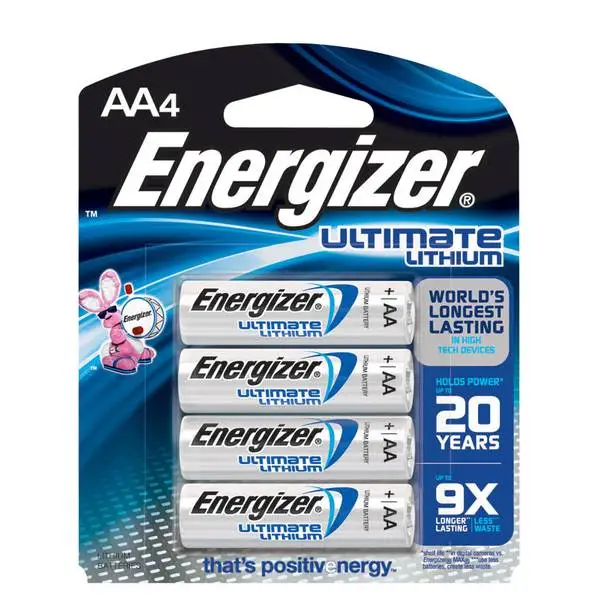
Energizer Ultimate Lithium AAA Review: Worth It? 8.7/10
A 4.8/5 average at Best Buy (732 reviews) sits next to a handful of “absolute ripoff” complaints elsewhere—exactly the kind of split that makes Energizer Ultimate Lithium AAA worth scrutinizing. Verdict: strongly positive for high-drain and “set-and-forget” devices, with real caveats around price and occasional bad batches. Score: 8.7/10.
Quick Verdict
For people powering cameras, smart home gear, and medical devices, Energizer Ultimate Lithium AAA gets described as the “reference standard.” But digging into cross-platform comments shows the main friction points are cost, pack-size confusion, and scattered reports of early failure or leakage.
| Call | What users say | Who it’s best/worst for |
|---|---|---|
| Buy? | Conditional | Best for high-drain + cold weather; worse if you want cheapest AAA |
| Battery life | “last a long long time” | Camera users, wireless mouse/gaming mouse |
| Leak resistance | Mostly “never have leaked,” but not unanimous | Long-term storage devices |
| Cold weather | “work better…in very cold weather” | Outdoor sensors, winter use |
| Price/value | “well worth the money” vs “too expensive” | Budget shoppers may balk |
| Packaging clarity | “I thought…four packs not four batteries” | Anyone ordering quickly online |
Claims vs Reality
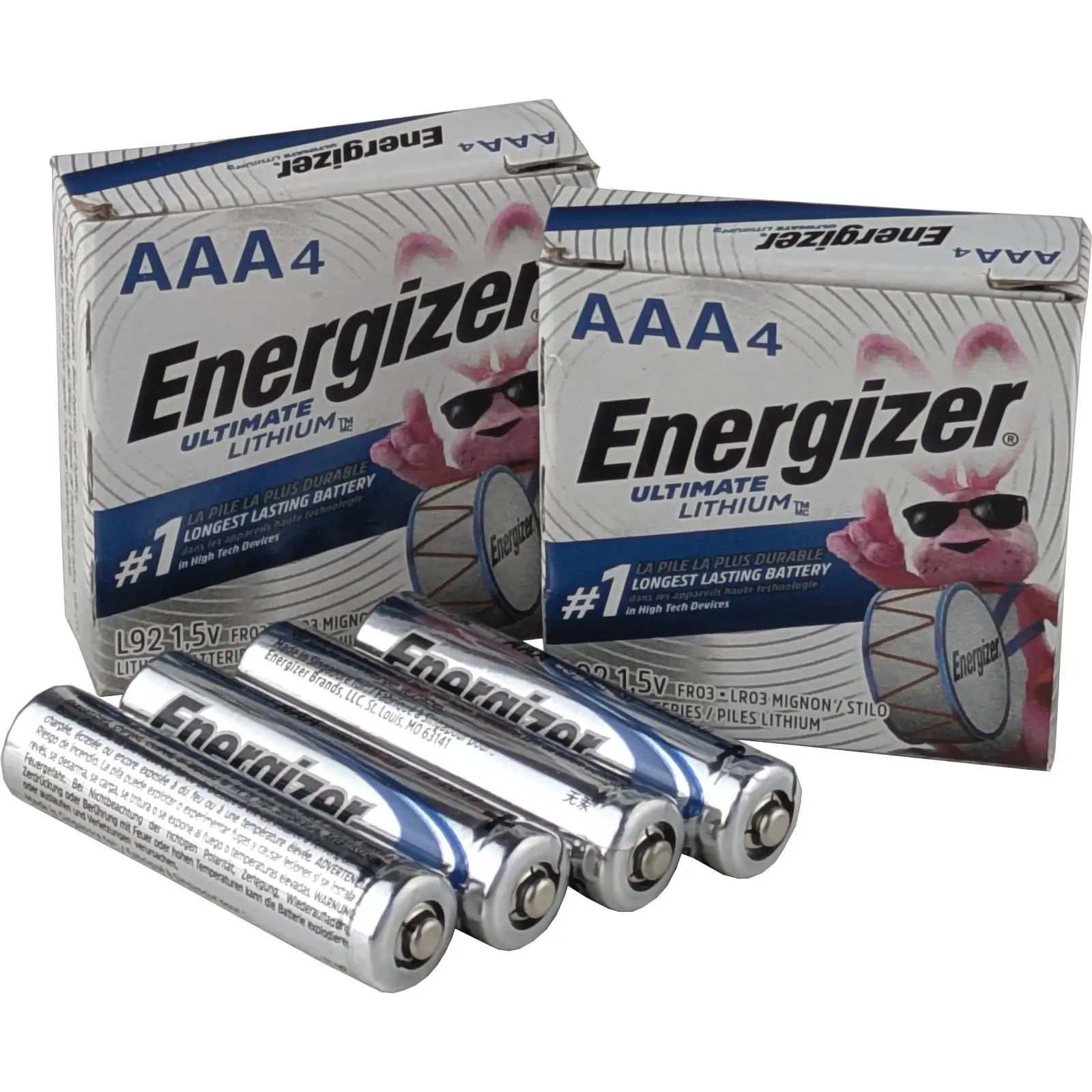
Energizer markets these as the “#1 longest-lasting AAA battery in high-tech devices,” “leak-proof,” and able to “hold power up to 20 years in storage,” plus extreme temperature performance (Amazon Specs). User feedback mostly reinforces those themes—but with a few important wrinkles.
The “longest-lasting” pitch lines up with many real-world stories from shoppers using high-drain electronics. A Best Buy reviewer, photobug, framed the tradeoff bluntly: “these lithium batteries are more expensive than alkaline but well worth the money. they last many times longer in my cameras.” That kind of comment shows up repeatedly in different use cases—wireless mice, handheld electronics, and devices that sit for months.
Leak-proof claims also get strong support, but they aren’t spotless. On Best Buy, maverick said: “they work well, last a long time, and don't leak like alkaline batteries if left in a device,” and ricki echoed: “they won't leak and ruin your electronics.” Yet Best Buy’s own feature breakdown flags that “some users experienced issues with leakage,” and Walmart’s review stream includes buyers complaining about problems on arrival and value expectations.
Finally, the storage-life story is where the data gets messy. Officially, Amazon Specs cites “up to 20 years” in storage for AA/AAA. Meanwhile, a Walmart reviewer reacted to the longevity narrative with frustration: “half over dead on arrival. how cld they last 10 yr… these were over half dead.” While officially rated for long storage, multiple users report receiving batteries that seemed depleted, suggesting that “shelf life” doesn’t protect you from a bad batch, poor seller handling, or old stock.
Cross-Platform Consensus
Universally Praised
The clearest recurring pattern is stamina—especially in devices that punish cheap alkalines. Best Buy user davem called them “the reference standard in terms of lithium batteries,” adding that “many devices with these batteries installed have lasted over a year.” That “install and forget” theme matters most for people who don’t want surprise failures: smart home sensors, remotes in guest rooms, emergency flashlights, and anything stored for long periods.
Camera and photography-style usage keeps surfacing as a proving ground. Best Buy user photobug said they “last many times longer in my cameras,” and emphasized that if you need power after long idle periods—“months…or even over a year”—“this is what you need.” For travel shooters or parents documenting events, that’s less about saving pennies and more about not losing moments to dead batteries mid-use.
Weight is another quiet advantage that specific users notice. Best Buy user vee jva aj tied the lightweight benefit to gaming performance: “i use this for my logitech g305 gaming mouse because these batteries weigh less than others… they last forever and super light.” For competitive gamers or office workers who want a consistent feel in a wireless mouse, lighter batteries can be a practical perk, not just a spec sheet footnote.
Even people who aren’t enthusiastic writers still land on the same point: longevity. Best Buy user brucee shrugged, “batteries are batteries. they work fine and last a long time,” which reads like reluctant endorsement—high praise in a category many consider interchangeable.
- Repeated praise centers on “last a long time,” “last forever,” and “reference standard” performance (Best Buy reviews).
- High-drain wins show up most in cameras and wireless peripherals (Best Buy reviews).
- “Superior shelf life” and confidence after idle periods is a frequent reason people pay the premium (Best Buy reviews).
Common Complaints
Price is the loudest and most consistent negative. Even some satisfied users frame it as “worth it” rather than “cheap.” Photobug admitted the pain: “more expensive than alkaline but well worth the money,” while Walmart reviews are more blunt, including: “too expensive… much longer than regular ones, but they're still too pricy.” For families burning through batteries in toys or low-drain devices, that premium can feel like overkill.
Another issue isn’t the battery itself—it’s buyer expectation and listing clarity. A Walmart customer wrote: “i thought when i read it meant four packs not four batteries for 14. i want a refund.” That kind of reaction suggests that dissatisfaction sometimes comes from pack-size misunderstanding rather than performance, but it still impacts perceived value and trust in the purchase.
The most alarming complaints center on “dead on arrival” or unexpectedly short life. One Walmart reviewer said: “these were over half dead,” and questioned longevity claims directly. Fakespot excerpts include harsher accusations, with one complaint reading: “batteries die… in less than 20 hours… clearly rejects or faulty battery lots,” and another: “complete and absolute ripoff.” Digging deeper into those comments, the frustration often sounds like a quality-control or sourcing problem rather than a minor underperformance—especially when buyers suspect counterfeit or mishandled inventory.
- Price objections are frequent, even among fans (Walmart, Best Buy reviews).
- Listing/pack confusion can trigger refund demands (Walmart reviews).
- A small set of reports describe extreme underperformance or dead-on-arrival batteries (Walmart reviews, Fakespot excerpts).
Divisive Features
Leak resistance is mostly celebrated, but it isn’t universally accepted as “problem solved.” Best Buy has multiple users praising the absence of corrosion—harley howton said: “long lasting, and no corrosion ever leaking out of these batteries!”—yet Best Buy’s own summary acknowledges some leakage complaints exist. That leaves cautious buyers with a split message: many people buy these specifically to avoid leaks, but a minority still reports issues.
Value is similarly polarized because it depends on how you define “worth.” Some treat the premium as obvious. Best Buy user gnr rules said: “they work as advertised. worth the extra spend.” Others evaluate value through frequent-use lenses and still hesitate. A Walmart reviewer noted heavy remote use and got “right at 2 months,” concluding it’s “much longer than regular ones, but they're still too pricy.” For high-drain or mission-critical devices, the math works differently than for TV remotes or toys.
Trust & Reliability
Digging deeper into user reports, the trust question isn’t about whether lithium chemistry can deliver—it’s about whether the pack you receive is authentic, fresh, and stored correctly. Fakespot’s page explicitly warns it “has detected that there may be counterfeit products sold through this listing,” which matches the tone of the harshest one-star-style complaints describing “faulty battery lots” and sudden failures.
At the same time, long-term reliability stories are a big reason this product stays beloved. Best Buy user biyahero contrasted it with another brand’s leaks and wrote: “i have been using these… for a couple of years now and they never have leaked and last a long long time.” That kind of multi-year purchasing pattern—people repeatedly returning to the same lithium AAA—acts like a trust signal from the community, even if it doesn’t erase the counterfeit anxiety around certain listings.
Alternatives
Only a few direct competitors are named in the data, but they’re telling. Best Buy user biyahero described switching away after “many problems… leaking” with Duracell, and called these “the only kind i buy ever.” That frames the alternative not as a spec comparison, but as a damage-avoidance decision—people paying more to reduce the chance of corrosion ruining devices.
Rechargeables also appear as an alternative path in the Fakespot excerpts, where someone said: “too xpensive switching to rechargables.” For buyers who burn through batteries weekly (kids’ toys, controllers, household gadgets), the community sentiment suggests rechargeables can win on cost—even if they don’t match lithium’s shelf-life appeal.
Price & Value
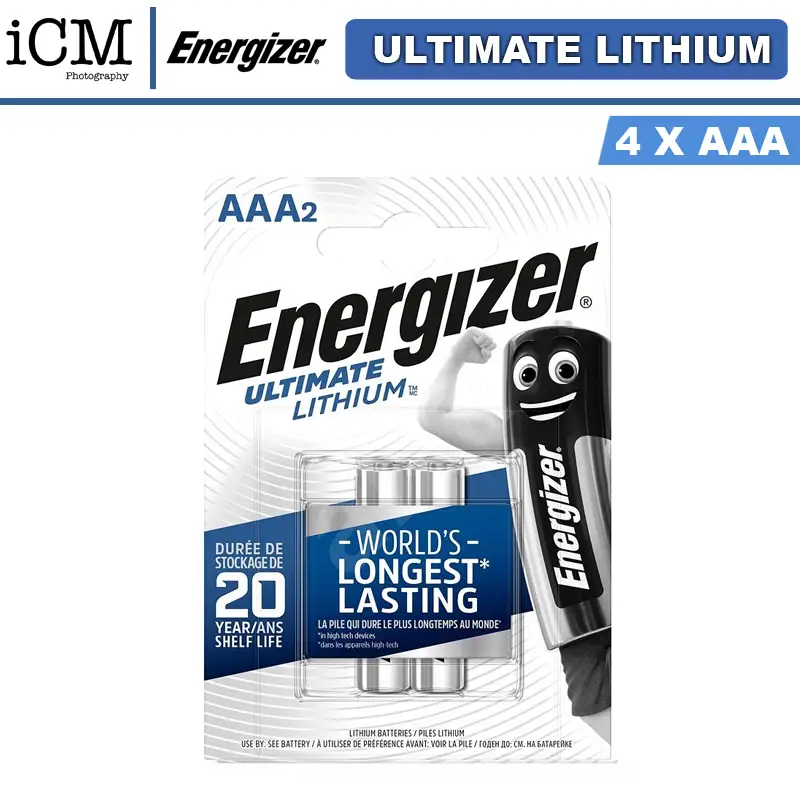
On Amazon, the 24-count listing appears at $63.99 (about $2.67 per battery) in the provided specs, positioning Energizer Ultimate Lithium AAA as a premium choice rather than a convenience buy. Best Buy’s 4-pack shows $14.99, reinforcing that premium per-cell pricing across retailers.
Resale/market pricing snapshots from eBay show a wide spread, from single 4-packs around $8–$13 to larger lots priced by expiration date, suggesting buyers actively shop for “fresh sealed” stock and treat long expiry as part of the value proposition. The community buying tip implied by the data is to reduce per-battery cost by purchasing larger packs—mirroring the Fakespot excerpt sentiment: “if you buy a big pack of these you can get the price per battery down to an affordable level.”
For value-focused shoppers, the investigative takeaway is this: people who hate interruptions (cameras, smart devices, emergency kits) justify the premium through fewer swaps and fewer leak worries, while heavy everyday users often conclude they’d rather go rechargeable.
- Expect premium pricing across mainstream retailers (Amazon Specs; Best Buy listing).
- Watch pack size/quantity carefully to avoid “four batteries vs four packs” confusion (Walmart review).
- Larger multipacks are commonly framed as the way to make the per-battery cost feel reasonable (Fakespot excerpt).
FAQ
Q: Do Energizer Ultimate Lithium AAA batteries really last longer than alkaline in real devices?
A: Yes, many buyers say they last noticeably longer, especially in high-drain devices. Best Buy user photobug wrote they “last many times longer in my cameras,” and davem said devices with them “have lasted over a year.” A few complaints describe unusually short runtimes, suggesting occasional bad packs.
Q: Are these batteries actually leak-proof?
A: Mostly, but not perfectly. Best Buy user maverick said they “don't leak like alkaline batteries if left in a device,” and ricki said they “won't leak and ruin your electronics.” However, Best Buy’s review summary mentions “some users experienced issues with leakage,” so it’s not a universal outcome.
Q: Are they worth it for a TV remote or low-drain gadgets?
A: It depends on how you value convenience vs price. A Walmart reviewer using a remote “almost 24/7” got “right at 2 months,” calling it longer than regular batteries but “still too pricy.” For low-drain devices, some buyers prefer cheaper alkalines or rechargeables.
Q: Do people report dead-on-arrival or weak batteries?
A: Yes, a minority do. One Walmart reviewer said the batteries were “over half dead on arrival,” questioning longevity claims. Fakespot excerpts also include harsh complaints about very short life. These reports coexist with many long-life stories, pointing to possible seller, storage, or batch issues.
Q: What devices do users most often praise them for?
A: Cameras and wireless peripherals come up repeatedly. Best Buy user photobug praised camera longevity, and vee jva aj uses them in a “logitech g305 gaming mouse” because they “weigh less” and “last forever.” Reviews also reference general electronics and cold-weather performance.
Final Verdict
Buy if you’re powering high-drain electronics (digital cameras, wireless mice, smart devices) or stocking emergency gear and want long shelf-life confidence—Best Buy user davem’s “reference standard” framing captures the mainstream sentiment.
Avoid if you’re price-sensitive for everyday low-drain use, or if you’re likely to be frustrated by premium pricing and pack-size confusion—Walmart reviewers calling them “too pricy” and “I thought…four packs” show that pain.
Pro tip from the community: treat these as a premium battery for “most-loved devices,” and double-check the listing and seller—because while many users say they “never have leaked,” a few reports of dead-on-arrival packs and counterfeit concerns suggest where the real risk sits.