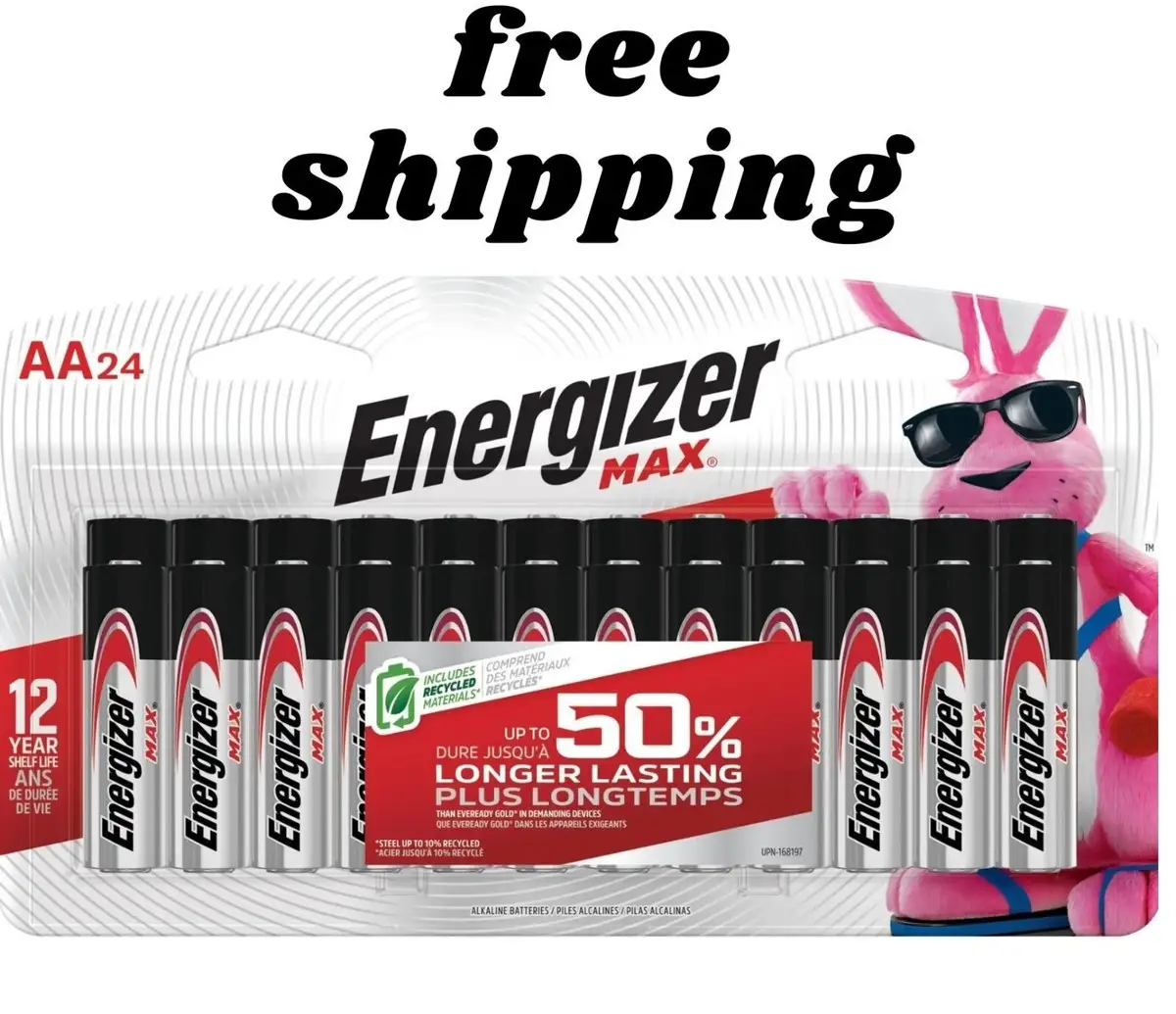
Energizer MAX AAA Batteries Review: Reliable 9/10 Buy
A flat tire on a dark road is where these batteries show their teeth. A verified buyer on Best Buy recalled a one‑hour roadside repair and said the flashlight powered by Energizer MAX AAA Batteries gave “a bright steady light” the whole time. Across platforms, that kind of dependable, boring‑in‑the‑best‑way performance is the throughline. Verdict: highly reliable everyday AAA alkalines with minor packaging gripes. Score: 9/10.
Quick Verdict
Yes — for everyday devices that need consistent AAA power.
| What users like | Evidence from users | What users dislike | Evidence from users |
|---|---|---|---|
| Long battery life | Best Buy reviewers repeatedly call them “long‑lasting” and “go on and on” | Packaging format | Reddit poster says “packaging comes in these little 4‑packs… kinda weird” |
| Trustworthy brand | Best Buy users: “go‑to choice… dependable power solutions” | Price vs generics | Best Buy buyer: “a little expensive but you get what you pay for” |
| Works across devices | Stories include remotes, flashlights, smart locks, toys | Occasional leakage reports | Best Buy pros/cons tally lists “leakage (17)” mentions |
| Good value on multipacks | Reddit: “saved me like 20% compared to the store” | Retail/inventory friction | Best Buy buyer: “bb on‑line store inventory never seems accurate” |
Claims vs Reality
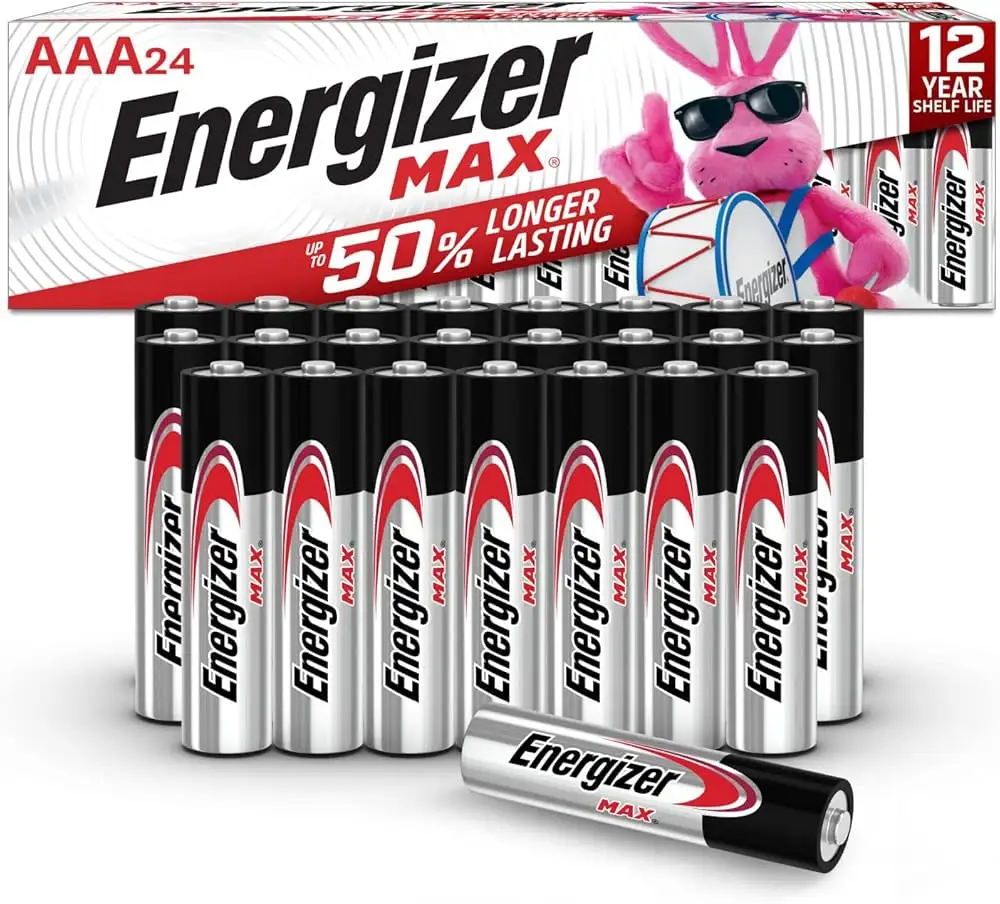
Marketing claim 1: “Longest‑lasting MAX… up to 10–12 years in storage.” Digging deeper into user reports, longevity is the single most repeated praise. A verified buyer on Best Buy wrote: “Energizer batteries are some of the most reliable and long‑lasting batteries I’ve ever used… deliver consistent power.” Another added the classic slogan in real life: “like the energizer bunny they go on and on!” For households stocking up for remotes and toys, that translates to fewer mid‑week swaps.
Users also back the shelf‑life idea in practice, even if they don’t measure years. A verified buyer on Best Buy noted: “even after storing them for months, they maintain their charge,” framing them as emergency‑drawer dependable. While the official spec says up to 10 or 12 years depending on listing, real feedback aligns with the spirit of that claim: they still feel “ready when needed.”
Marketing claim 2: “Leak protection… protects devices up to two years after fully used.” Most buyers treat leak resistance as a trust factor rather than a testable feature. A verified buyer on Best Buy said leak resistance “sets them apart from cheaper brands.” Another, using them for holiday decor, posted on Target that they “keep all of my light up decor pieces going strong… don’t have to worry about any leaky batteries.” This suggests the claim resonates as peace‑of‑mind.
That said, a recurring pattern emerged in cons tracking: Best Buy’s review summary lists “leakage (17)” mentions. While that’s a small minority against thousands of reviews, it’s worth flagging: while officially positioned as leak‑resistant, some users still report leakage. The dominant experience is still “safe for devices,” but it isn’t universally perfect.
Marketing claim 3: “Great value for everyday low to mid‑drain electronics.” User stories fit that positioning almost exactly. Reddit user (no handle provided) described using them in “headband lights… holiday decorations… fancy milk frother” and called them “perfect for everyday use.” Best Buy buyers mention remotes, flashlights, smart home devices, toys, and even medical tools. Reality matches the intended use case, with few complaints about underperforming in ordinary gadgets.
Cross-Platform Consensus
Universally Praised
The strongest cross‑platform agreement is on runtime. A recurring pattern emerged of users comparing them favorably to off‑brands. Reddit user (no handle provided) said: “they last way longer than those cheap generic brands (learned that the hard way),” and framed the expected cost around “75–80 cents per battery.” For parents cycling through toy batteries, this means fewer surprise failures mid‑play. A verified buyer on Best Buy echoed that daily‑use reliability: “great batteries for toys… reliable batteries,” especially when kids leave toys running.
Dependability in higher‑stakes moments also comes up. The flat‑tire story is the clearest: a verified buyer on Best Buy wrote that during an hour‑long tire change, “the whole time these batteries provided all the power I needed.” For drivers keeping emergency flashlights in cars, that narrative matters more than lab specs. Another verified buyer called them “the only choice for me! last long,” capturing a loyalty built on not failing when needed.
Versatility across devices is another universal praise. Best Buy reviews repeatedly list use in “remote controls and flashlights to gaming controllers and cameras.” One buyer specifically noticed performance in a smart lock: “it unlocks really fast in milliseconds now!… other brands… opened much slower.” For smart‑home users, that suggests these alkalines deliver solid current for devices that are sensitive to voltage sag.
Finally, brand trust and consistency show up everywhere. A verified buyer on Best Buy said Energizer is their “go‑to choice… dependable power solutions.” Another wrote simply, “Energizer works!” Even short comments like “must buy!… last for a longtime” reinforce that people aren’t experimenting here—they’re restocking a known quantity.
Common Complaints
Packaging is the most repeated annoyance. Reddit user (no handle provided) noted: “the packaging comes in these little 4‑packs which is kinda weird.” This isn’t a performance knock, but for bulk buyers it can be fiddly: more plastic, more pieces to open, more partial packs in drawers. The fact that this is called a “tiny complaint” suggests it’s a mild friction, not a dealbreaker.
Price relative to generics is the second complaint theme. Several Best Buy reviewers concede they’re not the cheapest. A verified buyer on Best Buy said: “a little expensive but you get what you pay for.” Another called them “slightly more expensive than generic options” but still “well worth the price.” The implication: bargain shoppers may flinch, but those burned by short‑life discount batteries tend to return.
Leakage shows up as a minority concern. Best Buy’s pros/cons tally lists leakage mentions, and a few buyers allude to relying on leak resistance as a differentiator precisely because cheaper brands have failed them. For collectors of devices stored long‑term—holiday decorations, emergency flashlights—this is the one risk that keeps popping up, even if it’s not dominant.
A small side gripe is retail experience rather than the batteries themselves. One verified buyer on Best Buy complained: “bb on-line store inventory never seems accurate.” Another noted a promo points dispute. These don’t indict the product, but they explain occasional negative ratings in the mix.
Divisive Features
The value equation splits by user type. Heavy users and bulk shoppers see strong value. Reddit user (no handle provided) celebrated bulk pricing and said buying in multi‑packs “saved me like 20% compared to the store.” Best Buy buyers praise sale pricing: “not over priced… if caught on sale.” For households that burn through AAA weekly, the cost per battery feels justified.
More occasional users can view the same price as high, even while admitting quality. The “a little expensive” refrain is always paired with “worth it,” making price not a true negative but a tradeoff. So the divisiveness isn’t about performance; it’s about whether your budget and usage frequency let you feel the savings from longer life.
Trust & Reliability
Trustpilot‑style verified feedback from Best Buy paints a reliability‑first picture. A verified buyer on Best Buy wrote: “they last so long!!! great price and always reliable,” and another called them “the only brand that I buy and will continue to buy.” The scale of ratings—thousands with 4.8/5—suggests low risk of duds and consistent manufacturing.
Long‑term durability stories appear indirectly in repeat‑purchase behavior. Reddit user (no handle provided) claimed to have bought “over 1000 of them… and they never disappoint.” That kind of bulk loyalty functions as a durability signal: users who churn through batteries keep returning because failure rates feel low. Even the few leakage mentions don’t overpower the prevailing “safe and steady” narrative.
Alternatives
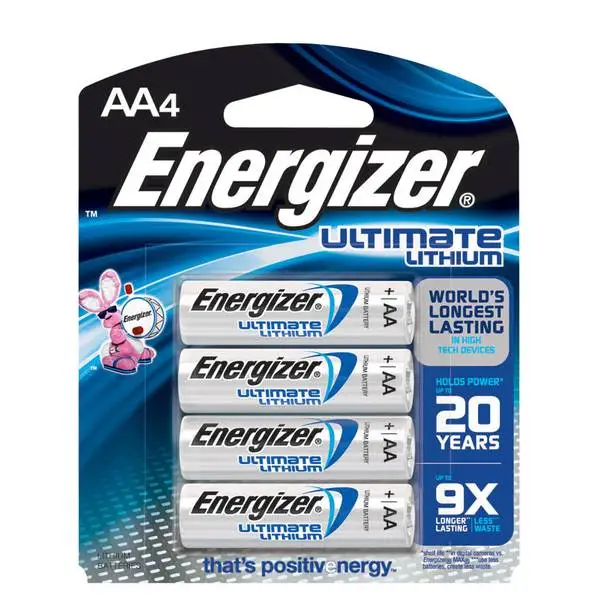
Only one competitor is explicitly raised in community talk: Energizer Ultimate Lithium. Reddit user (no handle provided) gave the clearest comparison: “if you want the best, go for energizer ultimate lithium — they last 5x longer but cost more. but honestly? these max batteries are perfect for everyday use.” The takeaway from users is situational: MAX for routine remotes, toys, and lights; lithium for high‑drain or mission‑critical gear where paying more for runtime makes sense.
No other brands are meaningfully discussed in the provided data beyond vague “cheap generic brands” comparisons. So the user‑guided alternative set stays within Energizer’s own lineup.
Price & Value
Current retail snapshots show standard AAA MAX multipacks hovering in the mid‑teens to high‑20s depending on count. Community pricing expectations line up: Reddit user (no handle provided) said you “wanna pay about 75–80 cents per battery,” and celebrated that as “amazing.” Best Buy buyers consistently rate value around 4.6/5, implying that at sale prices the pack feels like a clear win.
eBay listings reinforce that AAA MAX holds steady resale/bulk value: 24‑packs and 48‑packs cluster around typical market rates, not fire‑sale territory. For shoppers, that stability reads as demand‑driven confidence, not a product people dump.
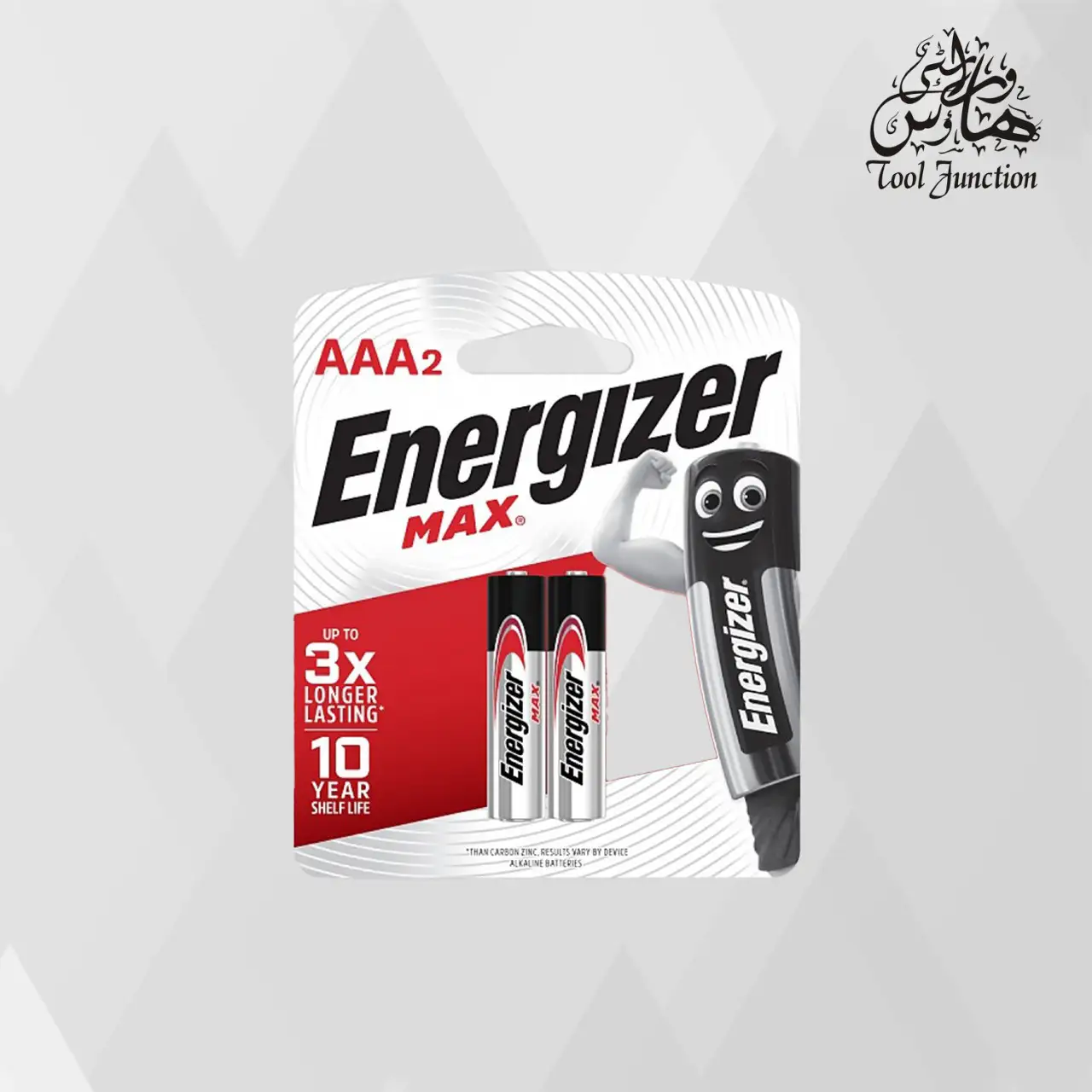
Buying tips from users are practical: watch for multi‑pack discounts or price matching. A verified buyer on Best Buy recommended leveraging store price‑match to reduce cost before stocking up, saying it helped them “saved a few bucks and purchase not 1 pack but 2!” Bulk buyers also seem to accept the odd 4‑pack sub‑packaging as the tradeoff for lower per‑cell pricing.
FAQ
Q: Do Energizer MAX AAA Batteries really last longer than generic brands?
A: Yes, most users say they noticeably outlast off‑brands. Reddit user (no handle provided) wrote they “last way longer than those cheap generic brands,” and Best Buy reviewers repeatedly call them “long‑lasting” and “go on and on,” especially in remotes, toys, and flashlights.
Q: Are they safe from leaking in stored devices?
A: Mostly yes, but not flawless. Best Buy buyers praise leak resistance as a key advantage, and Target feedback says there’s “no worry about leaky batteries.” However, Best Buy review summaries still show some leakage mentions, so long‑stored devices aren’t completely risk‑free.
Q: What kinds of devices are people using them in?
A: Users report broad everyday use: remote controls, flashlights, gaming controllers, cameras, smart door locks, holiday decorations, and children’s toys. A verified buyer on Best Buy said they’re “perfect for a wide range of devices,” and another highlighted faster performance in a smart lock.
Q: When should I choose Ultimate Lithium instead?
A: Community guidance is to step up to lithium for higher‑drain or critical gear. Reddit user (no handle provided) said Ultimate Lithium lasts “5x longer but cost more,” while MAX is “perfect for everyday use,” implying lithium for situations where runtime outweighs price.
Final Verdict
Buy if you’re a household that burns through AAA in remotes, toys, flashlights, or smart‑home devices and wants predictable long life without overthinking it. Avoid if you’re extremely price‑sensitive and only need a couple of cells a year, or if packaging waste from multiple 4‑packs bothers you. Pro tip from the community: stock up during sales or price‑match, because at roughly “75–80 cents per battery,” users say the value clicks.