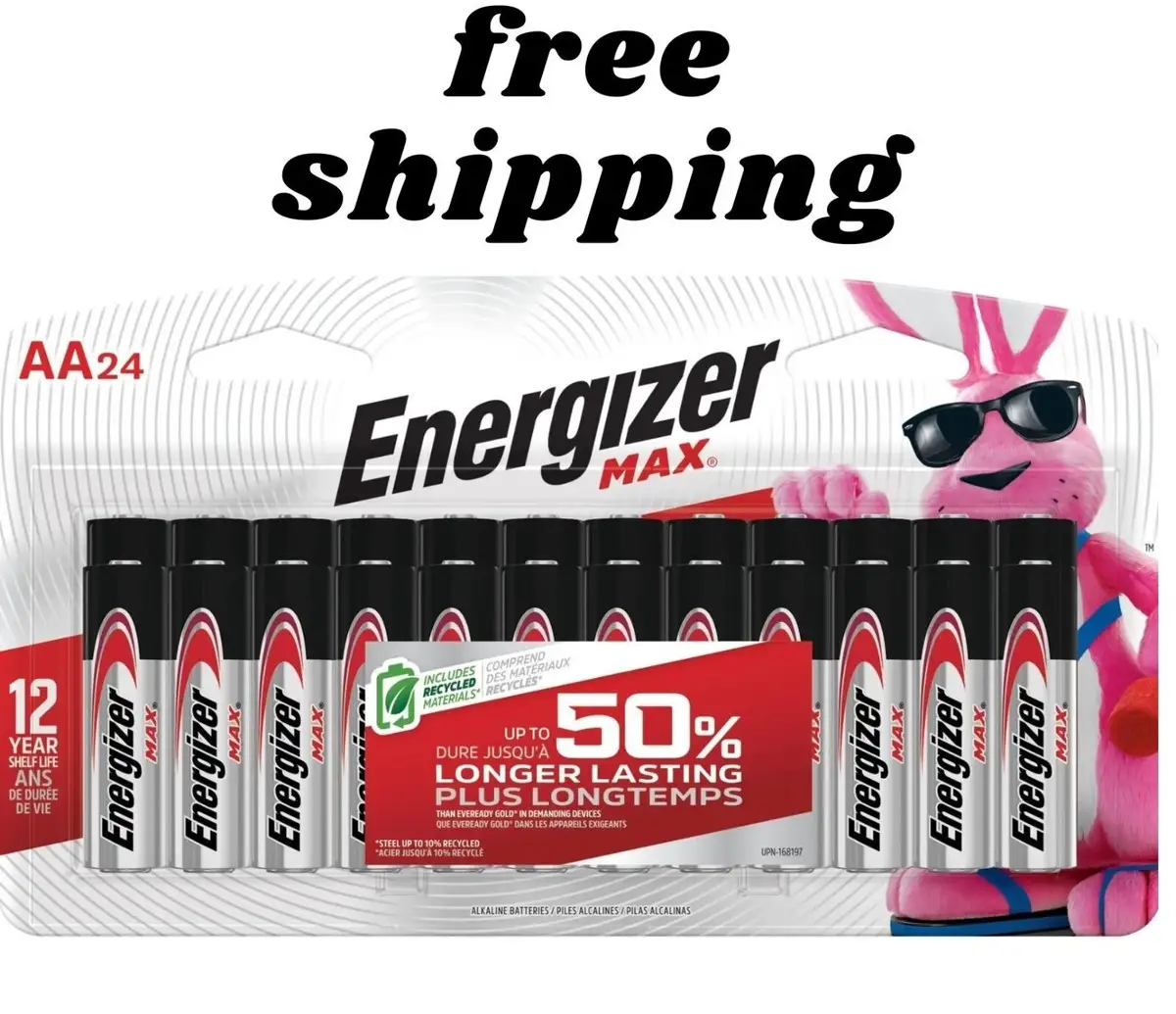
Energizer MAX AAA 4 Pack Review: Yes for Everyday Use
“Wow! it unlocks really fast in miliseconds now!” That single smart-lock moment from Best Buy captures the core theme across platforms: Energizer MAX AAA Batteries (4 Pack) are widely perceived as dependable, strong everyday alkaline AAA cells—especially when users need steady power, not surprises. Verdict: Yes (for everyday devices) — 8.8/10.
Quick Verdict
The Energizer MAX AAA Batteries (4 Pack) land as a practical, widely trusted choice for common household electronics, with most feedback centering on long battery life and consistent performance. The strongest stories come from flashlights, emergency kits, and smart devices where people notice stable output immediately.
There’s very little “drama” in the feedback—fewer reports of sudden failure and more “set it and forget it.” Still, a recurring nitpick shows up around packaging formats (especially multi 4-packs), and value depends heavily on catching sales or buying larger counts.
| Verdict | Evidence from users | Who it fits | Who should hesitate |
|---|---|---|---|
| Yes (everyday use) | Best Buy reviews highlight “battery life, price, performance” | Remotes, toys, flashlights, smart locks | Heavy users wanting rechargeables |
| Strong reliability | Best Buy user brendar: “reliable and long-lasting… deliver consistent power” | Emergency kits, car flashlights | Those who only shop cheapest |
| Good performance boost | Best Buy user alicia: “door opens… really fast” vs other brands | Smart-home devices | If you hate small multi-pack packaging |
| Minor complaint: packaging | Reddit post: “packaging comes in these little 4-packs… kinda weird” | Bulk buyers okay with sorting | People wanting one large tray pack |
Claims vs Reality
Digging deeper into the marketing claims around “long-lasting,” “leak-resistant,” and “long shelf life,” the user feedback generally aligns—but with some nuance around how people experience those benefits. Users don’t talk in lab numbers; they talk about a flashlight staying bright during a flat tire, or a smart lock responding faster.
Claim 1: Long-lasting power for everyday devices.
Real-world stories support this claim strongly. On Best Buy, brendar described Energizer Max as “reliable and long-lasting” and said they “deliver consistent power” across devices like “remote controls and flashlights.” Another Best Buy reviewer, heaven, tied battery longevity to a specific emergency: after installing them in car flashlights, they used one during a flat tire repair and said “the whole time these batteries provided all the power i needed for a bright steady light.”
On Reddit, one enthusiastic community post emphasized day-to-day dependability and compared it against generics: the author said they “last way longer than those cheap generic brands” and noted using them for “headband lights… holiday decorations… even my fancy milk frother.”
Claim 2: Leak resistance and device protection.
Users do echo the leak-resistance idea, though often as reassurance rather than a measured comparison. Best Buy user brendar said Energizer batteries are “designed to resist leaks, ensuring that my devices are safe from damage.” A Target-related social post framed it similarly: “i don’t have to worry about any leaky batteries,” connecting the benefit to seasonal décor use.
That said, the provided feedback doesn’t include detailed “my device was saved from a leak” before/after incidents—more that people trust the reputation and choose them to avoid the risk.
Claim 3: Long shelf life for storage.
This is one place where official claims vary across listings. One Amazon listing states “holds power up to 10 years in storage,” while a Target listing claims “up to 12 years in storage,” and another Amazon-related product copy references “up to 10 years.” Users mostly describe the outcome (they still work after sitting), not the exact number of years. Best Buy user brendar said, “even after storing them for months, they maintain their charge,” which supports the direction of the claim without confirming a specific shelf-life figure. While officially stated as 10–12 years depending on listing, user feedback here is more about practical readiness than the precise rating.
Cross-Platform Consensus
Universally Praised
A recurring pattern emerged across Best Buy, Reddit, and other review snippets: people repeatedly frame these as the “safe pick” for AAA-powered devices, especially when consistency matters more than shaving off a few cents.
Reliable, steady power (especially for emergency lighting).
For drivers and emergency-preparedness shoppers, the standout story is the flashlight use-case. Best Buy user heaven described needing dependable light while changing a tire at night and said the batteries provided “a bright steady light” for about an hour of work. That kind of anecdote is less about capacity charts and more about confidence under stress.
Another angle appears in practical household readiness. Best Buy user catman wrote: “batteries are great! our flashlights are ready for power outages.” For anyone building a blackout kit, that framing—“ready for power outages”—shows why alkaline AAA packs stay relevant even in a rechargeable era.
Strong value when bought smart (sales, bulk, price matching).
Price is praised not as “cheap,” but as “worth it.” Best Buy user disha called it a “great buy on the 24 pack… for the price,” and another reviewer (“terrible”) described the pricing as “not over priced / comparable to non name brand batteries if caught on sale.” The common thread is strategy: users like these most when they can buy at the right moment.
On Reddit, the poster framed cost per cell as the hook and claimed you “wanna pay about 75 - 80 cents per battery,” adding they “saved me like 20% compared to the store.” For budget-conscious families buying batteries for toys and holiday décor, that kind of small-per-unit saving is the difference between stocking up and rationing.
Notable performance in smart devices and daily electronics.
For smart-home users, one of the clearest “performance” stories comes from Best Buy user alicia, who put them into a smart front door lock and reported: “wow! it unlocks really fast in miliseconds now!” They contrasted it against “other brands” that opened “much slower” even when the battery was new. For anyone frustrated with sluggish smart locks, this is the kind of “felt” performance improvement that drives brand loyalty.
Meanwhile, everyday use is constant across quotes: Best Buy user brendar listed “remote controls and flashlights,” and Best Buy user china 1 said they used them for “remote control and for the baby toys” with “long life.” This reinforces the consensus positioning: these are everyday AAA workhorses.
Short summary of what people praise most
- Steady light in flashlights and emergencies
- Consistent performance across devices
- Good value when bought on sale or in larger packs
Common Complaints
The complaints aren’t about catastrophic failure in the provided excerpts; they’re more about friction—how the product is packaged and how it’s sold.
Packaging quirks, especially with multiple 4-packs.
The Reddit community post called out the “only tiny complaint” as packaging: “the packaging comes in these little 4-packs which is kinda weird.” For users buying in quantity—holiday decorators, families with lots of battery-powered toys, or anyone stocking emergency bins—multiple small boxes can be annoying to store and sort.
This lines up with the general “minor packaging issues” theme mentioned in Best Buy’s summarized customer sentiment: “while some mentioned minor packaging issues.” The complaint isn’t that batteries don’t work; it’s that the presentation can be inconvenient depending on how you organize spares.
Retail experience issues (inventory accuracy).
A different kind of frustration appears in shopping logistics rather than product function. Best Buy user dynex said: “product great, bb on-line store inventory never seems accurate.” For last-minute shoppers—like someone who realizes they’re out of AAA before a trip or a holiday setup—inventory mismatch can feel like the “battery problem,” even if it’s really a retailer problem.
Value sensitivity: not always the cheapest option.
Even positive reviewers acknowledge the price can be higher than generic brands. Best Buy user brendar said they “may be slightly more expensive than generic options,” but argued performance is “well worth the price.” The tension here is clear: the value proposition depends on whether you’re optimizing for lowest upfront cost or fewer disappointments.
Divisive Features
The most divisive theme isn’t performance—it’s what type of buyer you are.
Alkaline convenience vs rechargeable economics.
Some users lean into the simplicity of single-use batteries: install, forget, no charging. The Gun Values Board review narrative explicitly framed the draw as a “straightforward, no-nonsense power solution” and praised consistent output in demanding flashlight use. But it also acknowledged a drawback: “non-rechargeable nature… higher long-term costs for heavy users.” So for light-to-moderate household consumption, the convenience wins; for high-drain, frequent replacement scenarios, some users may gravitate toward rechargeables or lithium (as referenced in community tips).
Brand trust vs bargain hunting.
The Reddit post positions these as a step above “cheap generic brands,” while some Best Buy reviewers emphasize price matching and catching sales. That divide suggests two buyer types: those paying for reliability and those willing to shop hard for the best per-battery deal.
Trust & Reliability
Trust signals show up repeatedly as “they don’t disappoint” narratives, especially from platforms with large review counts. Best Buy lists the Energizer MAX AAA (4 pack) at 4.8/5 with 7,744 reviews, and their summary notes customers are “highly rated” for “battery life, price, performance.” That scale matters: it suggests the positive themes aren’t isolated anecdotes.
Scam concerns don’t surface directly in the provided Trustpilot field because the included “Trustpilot” data is actually Best Buy content repeated rather than a separate Trustpilot review set. What does emerge instead is a pattern of trust anchored in brand familiarity. Best Buy user brendar called them their “go-to choice,” and the Target social post leaned on nostalgia: “as a kid i would always see the # energizer bunny.” The reliability story here is less about authentication fears and more about buyers choosing a known quantity to avoid battery roulette.
For longer-term durability, the closest “after time passes” reassurance comes from storage/emergency framing. Best Buy user brendar said “after storing them for months, they maintain their charge,” and Best Buy user catman emphasized preparedness: “flashlights are ready for power outages.” Those aren’t six-month teardown posts, but they do reflect confidence in standby reliability.
Alternatives
Only a few competitors are explicitly referenced in the data, and they’re mostly positioned as trade-offs rather than direct equals.
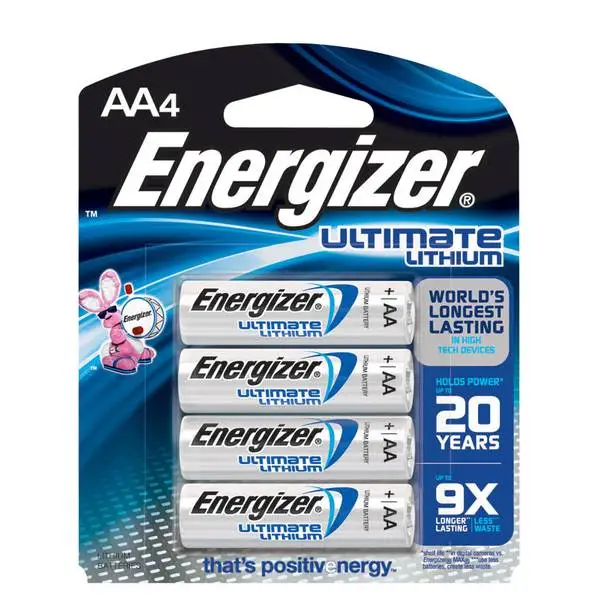
The clearest named alternative is Energizer Ultimate Lithium, raised in the Reddit community post as a step-up option. Reddit user (no username provided) offered a “pro tip”: “go for energizer ultimate lithium - they last 5x longer but cost more.” That frames the decision for two user types: everyday household use (MAX) versus high-demand situations where paying more per battery might be justified.
There’s also a recurring comparison against “cheap generic brands.” The same Reddit post said they “last way longer than those cheap generic brands,” and the Gun Values Board story described frustration with generics that led to “dim light” or “complete failure” in critical moments, then praised the Max line for steadier performance in a tactical flashlight scenario.
So the alternative story is simple: if you want a reliable alkaline AAA for day-to-day devices, MAX is where most users land; if you’re chasing maximum runtime and can tolerate higher cost, lithium comes up as the upgrade path.
Price & Value
Pricing and value are discussed in “per battery” logic and deal strategy rather than absolute pricing. The Reddit post argues a target price of “75 - 80 cents per battery,” suggesting that’s when these feel like a steal. Best Buy reviewers repeatedly mention value in bulk packs—disha called the 24-pack a “great buy,” and alicia talked about using Best Buy’s “price matching policy” to “saved a few bucks” and buy two packs.
On the resale/market side, the eBay listings show active bulk sales (industrial and retail variants), which signals that people do buy these in quantity outside mainstream retail. That matters for shoppers who prioritize stocking up: bulk availability exists, but “value” will hinge on whether you’re buying retail MAX packs versus industrial-labeled AAA stock.
Community buying tips—explicitly stated—lean toward:
- Price matching (Best Buy user alicia: “price match… saved a few bucks”)
- Buying bulk packs for better per-cell value (Best Buy user disha: “great buy on the 24 pack”)
- Treating MAX as the everyday default and lithium as the premium upgrade (Reddit post: “ultimate lithium… cost more”)
FAQ
Q: Do Energizer MAX AAA batteries actually last longer than generic brands?
A: Many buyers say yes in everyday use. A Reddit community post said they “last way longer than those cheap generic brands,” and Best Buy user brendar described “reliable and long-lasting” performance with “consistent power” across devices like remotes and flashlights.
Q: Are they good for flashlights and emergency kits?
A: Feedback strongly supports that use. Best Buy user heaven said the batteries powered a flashlight through a flat-tire change with “a bright steady light,” and Best Buy user catman wrote, “our flashlights are ready for power outages,” reflecting confidence in emergency readiness.
Q: Do they help smart locks and smart-home devices perform better?
A: Some users report noticeable improvement. Best Buy user alicia said after installing them in a smart front door lock, “it unlocks really fast in miliseconds now,” and noted other brands made the lock open “much slower,” even with new batteries.
Q: Is the packaging annoying?
A: It can be for bulk buyers. The Reddit post called the 4-pack format “kinda weird,” and Best Buy’s review summary notes some “minor packaging issues.” For people stocking batteries for toys or holiday décor, multiple small packs may be less convenient to store.
Q: Should I get Energizer MAX or Energizer Ultimate Lithium?
A: The community frames MAX as the everyday choice and lithium as the upgrade. The Reddit post suggested “energizer ultimate lithium… last 5x longer but cost more,” while still calling MAX “perfect for everyday use,” especially when bought at a good price.
Final Verdict
Buy if you’re the kind of user who wants dependable AAA alkaline batteries for remotes, toys, flashlights, and smart devices—especially if you stock up during sales. Best Buy user brendar summed up the appeal as “reliable and long-lasting,” with “consistent power” and leak-resistance peace of mind.
Avoid if you burn through AAA batteries constantly and want to minimize long-term cost or waste; the non-rechargeable nature is a real trade-off acknowledged in the broader review narratives.
Pro tip from the community: If you’re chasing maximum runtime and can pay more, the Reddit post recommends stepping up: “go for energizer ultimate lithium… cost more,” while keeping Energizer MAX AAA Batteries (4 Pack) as the everyday default.