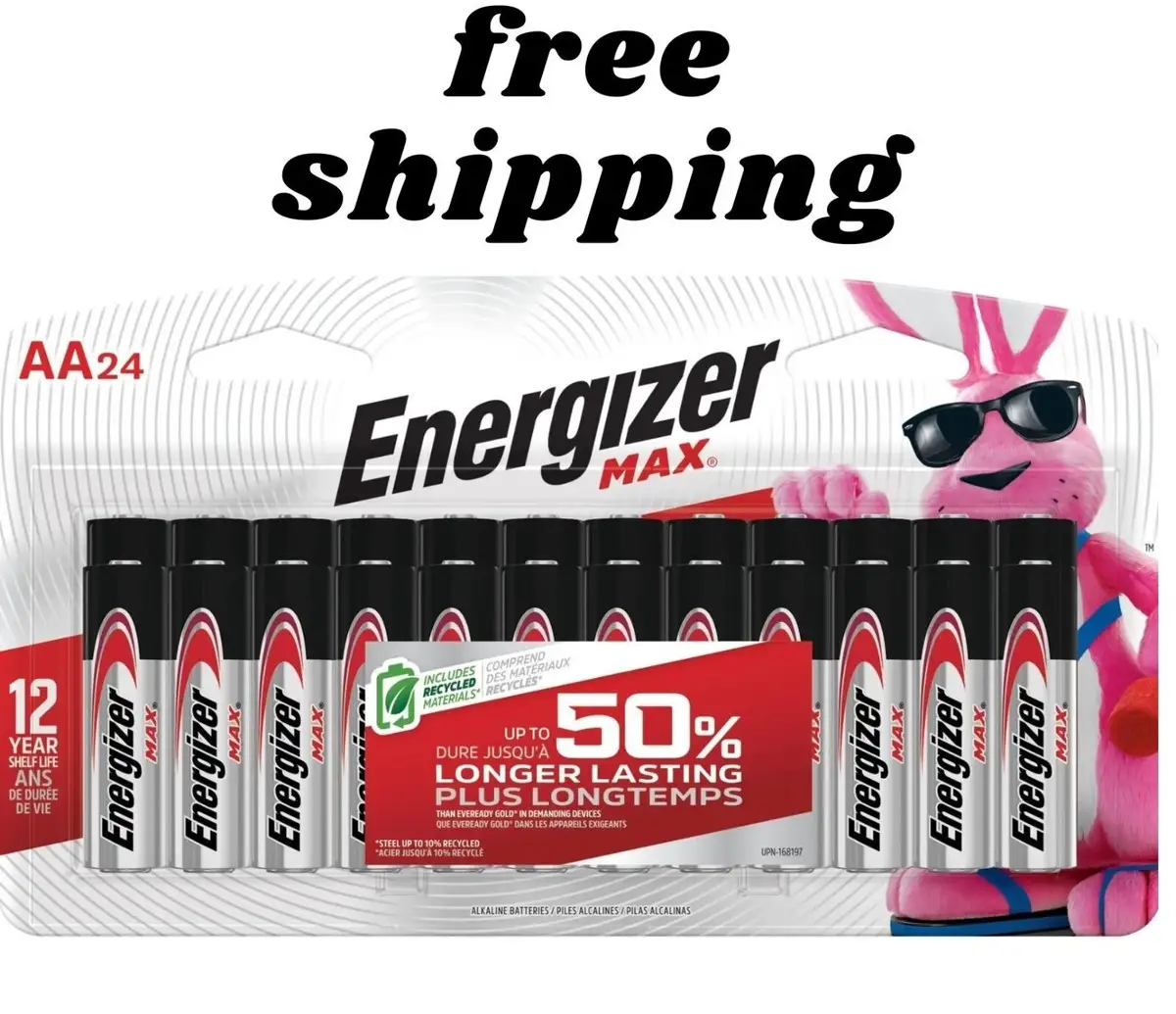
Energizer MAX AA Batteries Review: Worth It? 8.8/10
A pack of AA batteries that people joke will last “until 2025” is exactly the kind of hype that usually collapses under scrutiny—but Energizer MAX AA Batteries largely holds up across platforms. Verdict: a dependable, long-lasting alkaline choice with a few sharp edges around packaging and online-order risk. Score: 8.8/10
Quick Verdict
Yes (conditional): Worth it for everyday devices and stocking up—especially when priced competitively online—but be cautious buying from less controlled marketplaces where condition/brand mix-ups and leakage horror stories appear.
| What buyers cared about | What they said | Best for | Watch-outs |
|---|---|---|---|
| Battery life | “keep going and going and going” (Best Buy) | Toys, remotes, flashlights | High-drain devices still vary |
| Reliability | “dependable and long-lasting” (Best Buy) | Household staples | A few reports of bad batches online |
| Leak resistance | “haven’t leaked at all” (Reddit) | Garage flashlights, stored devices | One severe leakage report tied to wrong item received (Groupon) |
| Price/value | “cheaper than walmart” (review analysis) | Bulk buyers | Prices swing widely by retailer |
| Freshness/expiration | “lengthy expiration date” (Best Buy) | Emergency kits | Verify dates from third-party sellers |
Claims vs Reality
Digging deeper into official claims, Energizer MAX AA Batteries is marketed as “long-lasting power,” “up to 50% longer lasting” (vs. Energizer Basic in digital cameras), and “protects devices from leakage… up to 2 years” after fully used. The through-line in real feedback is that many people buy these for annoying, everyday failure points—kids’ toys dying mid-play, remotes lagging, flashlights corroding in storage—and they’re looking for fewer surprises.
On longevity, the gap between marketing and reality tilts positive. A Best Buy reviewer, user Humber Tom, framed it as “an exceptional power solution,” praising “outstanding longevity” and “consistent and dependable power output.” On Reddit, Ronald Martin went further with a vivid household stress test: “my daughter’s screaming unicorn has been running non-stop for weeks now,” adding “no more ‘mommy, it stopped working!’ every 2 days.” Those anecdotes match the retail review patterns where battery life and performance are repeatedly the top “highly rated” traits on Best Buy.
Leak protection is where the “claims vs reality” story gets complicated. Some real users explicitly celebrate the leak-resistant design: Reddit user Ronald Martin said: “These haven’t leaked at all, even in our garage flashlights that sit unused for months.” But one of the harshest counterexamples comes from Groupon: “Groupon sent me the duracell procell… Today, I took another box out to use and found them all leaking… cannot use anymore.” That isn’t a direct indictment of Energizer MAX performance so much as a warning about fulfillment errors and storage/handling in online deals—still, it’s a real user outcome buyers should weigh.
Shelf life claims also show minor inconsistency across official pages. Some official materials say the batteries “hold their power for up to 10 years while in storage,” while another Energizer product page states “up to 12 years in storage.” Meanwhile, user feedback tends to translate shelf life into a practical heuristic rather than a number. Best Buy user Oled 4 Ever noted: “Reliable and long-lasting. Lengthy expiration date,” treating the date as reassurance, not a lab result.
Cross-Platform Consensus
Universally Praised
“Long-lasting” isn’t just a buzzword here—it’s the main character of the feedback. A recurring pattern emerged across Best Buy and community posts: these batteries are used in the exact devices that create daily friction, and users describe relief when that friction disappears. Best Buy user Cap Tin Turbo distilled the vibe into a single line: “these batteries will keep going and going and going.” For parents, that means fewer toy meltdowns. Best Buy user Khush Boos said: “I bought it for my son’s toys… my son use toys almost everyday and still the battery is going good.”
Reliability and stable performance show up as a second “universal” theme. Some reviewers emphasize not just runtime, but consistency—no weird drops or intermittent behavior. Best Buy user Humber Tom praised “stable performance without any fluctuations or drops.” In aggregated review analysis, one quoted line captures that plainspoken expectation: “they’re dependable.” That matters most for things like smoke alarms and controllers where uncertainty is the problem. Reddit user Ronald Martin tied it to household peace: used in “smoke alarms (no annoying midnight beeps yet)” and “xbox controllers (teenage boy approved).”
Value—especially online—also gets repeated. Reddit user Ronald Martin said: “the Amazon price is insane compared to stores. I saved like $5 getting them here.” In review-analysis snippets, multiple quotes reinforce the same shopping logic: “best deal around,” “can’t beat the price,” and “cheaper than walmart.” For people who burn through AAs across multiple rooms—remotes, clocks, toys—bulk pricing is part of the product experience.
After those narratives, the praise can be summarized plainly:
- Most-cited wins: long battery life, dependable output, good bulk value
- Devices mentioned often: kids’ toys, remotes, flashlights, Xbox controllers, smoke alarms
- Buying behavior: “stock up” mentality when pricing dips
Common Complaints
The most consistent negative thread isn’t that the batteries don’t work—it’s that online ordering sometimes introduces avoidable risk: packaging issues, fulfillment mistakes, or suspect batches. Best Buy’s review summary explicitly notes “some mentioned minor packaging concerns,” even as battery life and value stay dominant.
The harshest “complaint” in the dataset is the Groupon experience, which reads like an investigation into what can go wrong when the supply chain is messy. A Groupon buyer wrote: “Groupon sent me the duracell procell… found them all leaking… cannot use anymore… not sure if I would order batteries online again.” Even though the wrong brand was reportedly delivered, the user’s takeaway impacts how shoppers may view buying batteries online in general—especially in bulk.
Price complaints also surface, but more as situational gripes than a condemnation. On Fakespot’s pulled quote, a reviewer says: “I dislike the price for these batteries.” That coexists with many others praising deals, suggesting price sensitivity depends heavily on where and when you buy.
Summarizing the pain points:
- Occasional “packaging concerns” reported at retail (Best Buy)
- Online deal/marketplace risk: wrong item, condition issues, leakage (Groupon)
- Price swings: some call it a bargain, others still feel it’s expensive
Divisive Features
One surprising divisive thread is “rechargeability” in third-party summaries. BestViewsReviews claims “92% liked its rechargeability,” alongside a user-quote saying: “I have compared these batteries with rechargeable batteries and found them better.” But Energizer MAX AA Batteries are explicitly described as “single use” in Amazon specs. While some users compare them favorably to rechargeables, the product itself isn’t rechargeable—so shoppers should treat any “rechargeability” phrasing as a reporting/aggregation artifact, not a feature.
Another split is “online buying” itself. Reddit user Ronald Martin celebrates the savings and convenience, but the Groupon buyer’s experience ends with: “not sure if I would order batteries online again.” The same purchasing channel that enables great pricing can also be where quality-control feels less predictable.
Trust & Reliability
Digging deeper into trust signals, Best Buy’s large review base (12k+ reviews shown) trends heavily positive, repeatedly highlighting “battery life, price, performance.” Best Buy user Humber Tom called them a “go-to choice,” emphasizing “durable build quality” and “exceptional shelf life.” Those patterns suggest a mainstream retail channel where buyers feel they’re getting what they expect.
At the same time, long-term reliability anxiety clusters around leakage—often tied to storage or seller variability rather than day-one performance. Reddit user Ronald Martin framed leak resistance as the deciding factor after past damage: “I’ve had so many devices ruined by battery acid… These haven’t leaked at all.” On the opposite end, the Groupon buyer’s account describes widespread leakage upon opening multiple boxes—plus a fulfillment mismatch—turning it into a cautionary tale about where the batteries come from and how they’ve been stored.
For durability stories beyond the first week, a few users offer medium-term signals. In review-analysis snippets, one line stands out: “these batteries are still going strong five months later,” and Best Buy user Cap Tin Turbo mentions owning them “for 10 months” before writing: “they keep going.”
Alternatives
Only a few competitors appear directly in the provided data, and they’re mostly mentioned as comparisons rather than full alternatives. The dominant comparison is against Duracell and against bargain brands.
In review-analysis excerpts, buyers explicitly stack them against Duracell: “last longer than the ‘copper top’ ones!” Another user frames the tradeoff as paying more for endurance: “you pay a little more for energizer but they last so much longer than cheap brands.” On the Energizer product page side, the claim is “up to 50% longer lasting than Eveready Gold in demanding devices,” which aligns with the general theme that people choose MAX when they’re tired of swapping batteries constantly.
There’s also a meaningful comparison against store/house brands. One review-analysis quote says: “they work longer than the amazon brand ones I previously purchased.” For cost-focused buyers, that’s the alternative that matters most: cheaper batteries that may require more frequent replacements.
Price & Value
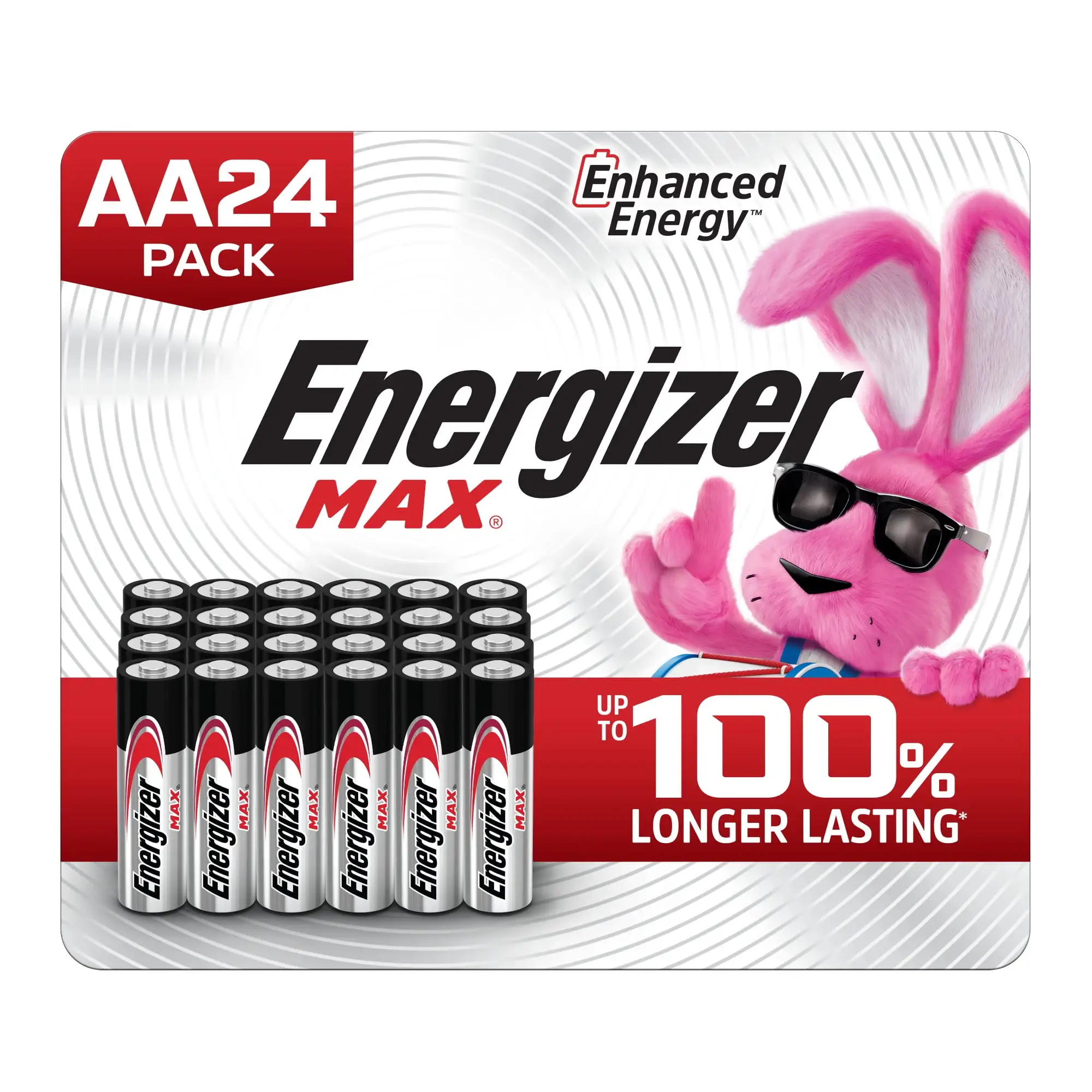
Across platforms, Energizer MAX AA Batteries lives in a pricing reality that shifts drastically by retailer and pack size. Amazon’s listing snapshot shows a 24-count pack priced at $18.16 (about $0.76 per battery) at the time of capture. Best Buy lists a 24-pack at $28.99 in the provided data, but reviewers still praise value—suggesting buyers may be purchasing during promotions, bundling with other items, or simply prioritizing reliability over absolute lowest cost.
Community feedback reinforces the “watch for deals” strategy. Reddit user Ronald Martin said: “the Amazon price is insane compared to stores… I saved like $5 getting them here.” Review-analysis quotes echo that mindset: “best deal around,” “saved a dollar,” and “can’t beat the price.” On eBay, the market is all over the map—bulk lots, industrial variants, and mixed listings—so value depends on seller credibility and verifying expiration dates/packaging.
Buying tips that emerge from the feedback patterns:
- Buy larger packs when discounted to lower per-cell cost (Reddit + review-analysis deal language).
- Verify packaging integrity and expiration dates, especially from third-party marketplaces (Best Buy packaging mentions; eBay variability).
- For critical devices (alarms, emergency lights), favor reputable retailers for predictable storage/handling (contrast between Best Buy confidence and Groupon warning).
FAQ
Q: Do Energizer MAX AA Batteries actually last longer in real life?
A: Many buyers describe noticeably longer runtime in everyday devices. Best Buy user Cap Tin Turbo wrote: “these batteries will keep going and going and going,” and Reddit user Ronald Martin said a toy ran “non-stop for weeks.” Review-analysis snippets also mention “still going strong five months later.”
Q: Are they leak-proof, or can they still leak?
A: Official materials emphasize leak protection “up to 2 years” after fully used in devices, and some users report zero leakage. Reddit user Ronald Martin said: “These haven’t leaked at all… in our garage flashlights.” But a Groupon buyer reported widespread leakage after a questionable shipment, suggesting seller/storage can matter.
Q: Are these rechargeable batteries?
A: No. Amazon product specs label them “single use,” and the listing notes “reusability: single use.” Some third-party summaries mention “rechargeability,” but that appears to reflect comparisons to rechargeable batteries rather than an actual rechargeable feature.
Q: What devices do people most often use them in?
A: Feedback frequently mentions toys, remotes, flashlights, controllers, and alarms. Reddit user Ronald Martin cited “xbox controllers” and “smoke alarms,” while Best Buy user Khush Boos bought them for “my son’s toys.” These are the kinds of devices where reliability matters more than peak performance.
Q: Is it cheaper to buy them online or in stores?
A: Many shoppers report better deals online, especially in bulk. Reddit user Ronald Martin said: “the Amazon price is insane compared to stores.” However, deal platforms and marketplaces can add risk; a Groupon buyer described receiving the wrong brand and finding “them all leaking,” shaping a more cautious view of online ordering.
Final Verdict
Buy Energizer MAX AA Batteries if you’re stocking up for a house full of remotes, toys, flashlights, or controllers and want fewer swaps—especially when you can snag a bulk deal. Avoid if you’re buying from questionable deal sources where condition, storage, or even the delivered brand may be uncertain. Pro tip from the community: Reddit user Ronald Martin’s strategy was simple—“might buy another pack just to stock up at this price.”