Energizer MAX AA Batteries Review: Worth It? 8.4/10
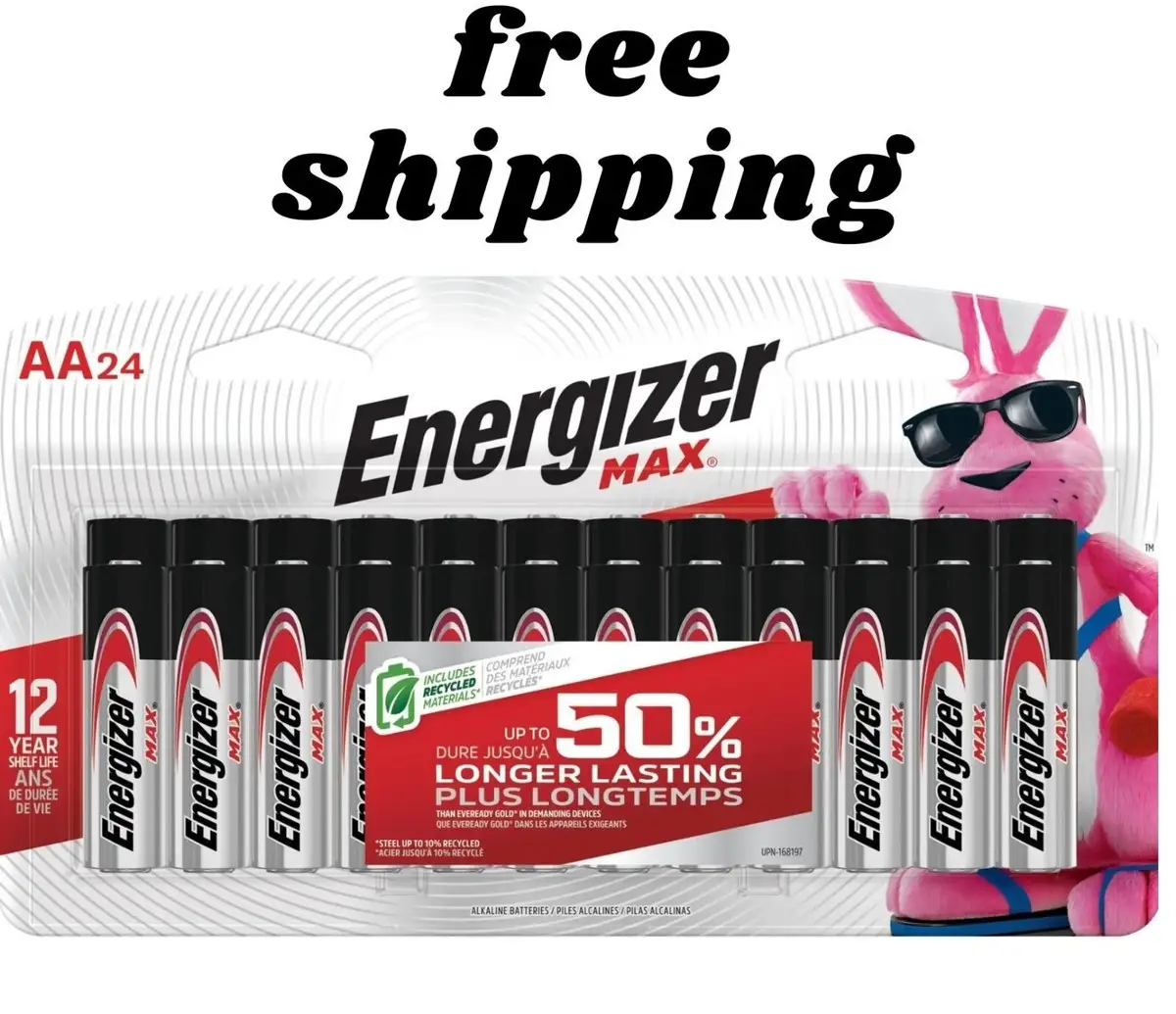
A 4.7-star average on Amazon (with hundreds of reviews) sets the tone: Energizer MAX AA Batteries (16 Pack) are widely treated as the “default” AA for household devices. The verdict across platforms leans strongly positive—especially for low-to-mid drain gadgets—but price sensitivity and high-drain expectations complicate the story. Verdict: Yes (for everyday devices) — 8.4/10
Quick Verdict
Yes/Conditional: Yes for remotes, clocks, flashlights, toys, and “always need AAs around” households; conditional if you’re chasing top-tier performance in high-drain gear or you’re highly price-sensitive.
| What buyers focus on | What feedback shows | Who it helps most | Evidence (source + quote) |
|---|---|---|---|
| Long battery life | Strong consensus on lasting power | Families, office users, flashlight owners | Best Buy user moab 461 said: “these hold up to their demand.” |
| Reliability vs store brands | Many call it better than generics | Anyone tired of frequent swaps | Best Buy user stingray said: “last longer than generic brands.” |
| Brand trust | “Go-to” repeat purchases | Bulk buyers, workplaces | Best Buy user bobo head said: “these are my go to batteries.” |
| Price/value | Value praised, but some price frustration | Budget shoppers | Best Buy user superk 734 said: “priced too high… i wouldn’t buy again.” |
| Shelf life | Frequently highlighted as a reason to stock up | Emergency kits, occasional-use devices | Best Buy user huey said: “great shelf life.” |
| Leak concerns | Many report no issues; marketing emphasizes protection | Long-term storage users | TheGunZone review noted: “i’ve never experienced any leaking or corrosion issues.” |
Claims vs Reality
Energizer’s marketing leans hard on three big promises: longer life versus basic alkalines, long storage life, and leak protection. Digging deeper into user reports, the “long-lasting” claim is the easiest to corroborate—especially in the kinds of devices people actually name when they talk about these batteries (remotes, flashlights, toys, mice). Best Buy user panther 43 framed it plainly: “it last longer than any other brand,” and user audi forme echoed the lived impact: “i don’t have to buy these very often.”
The performance story shifts when you separate low-to-mid drain household use from more demanding electronics. Independent lab-style scoring from CHOICE paints a split: strong low-drain results (with endurance under low drain listed at 91%) but notably weaker high-drain performance (performance high drain at 52%). That aligns with the more nuanced tone in long-form community-style writeups: TheGunZone’s reviewer describes “a respectable lifespan in low-to-medium drain devices” but “understandably shorter” life in “more demanding devices like… a gaming controller or a flashlight.”
Leak protection is the quiet promise that matters most to people who’ve been burned before. Energizer claims “Powerseal technology helps protect your devices against damaging leaks for up to two years after… fully used,” and the user anecdotes included here generally support the peace-of-mind narrative. TheGunZone review states: “i’ve never experienced any leaking or corrosion issues,” while an eBay verified purchaser centek said: “reliable batteries that don't leak over time like competitor brand !” Still, these are individual experiences—not a universal guarantee—and the stronger through-line is that buyers expect reliability from this line.
Cross-Platform Consensus
Universally Praised
“Keep going and going and going” is the vibe repeated across retail reviews, and it’s not abstract—it’s tied to everyday household chaos. For parents, the story is less about specs and more about fewer battery swaps during playtime. Best Buy user moab 461 connected it directly to family life: “i have two kids under 10 that blow through batteries . these hold up to their demand . energizer all the way.” For toy-heavy households, that’s a concrete benefit: fewer interruptions and fewer emergency store runs.
A recurring pattern emerged around comparisons to cheaper options. People don’t just say they work; they say they outlast store brands and generics. Best Buy user stingray summed up the generic-vs-brand debate: “they are of good quality and last longer than generic brands,” and user big snoop went further, stacking competitors: “last longer than store brand , duracell and amazon batteries.” For office workers powering mice and keyboards, that “set it and forget it” reliability is the whole point of buying name-brand alkaline.
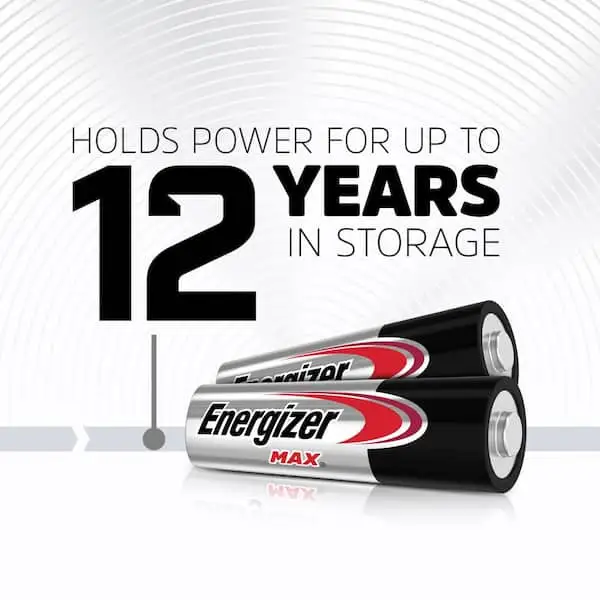
Shelf life and “always good to have around” convenience show up as a practical reason buyers choose the 16-pack format. Best Buy user huey tied trust to storage readiness: “consistent quality and great shelf life.” Walmart’s listing also frames this as “extended shelf life,” and Amazon highlights “up to 10 years in storage,” which maps to the kind of buyer building an emergency drawer for remotes, clocks, and flashlights.
Finally, there’s the simple satisfaction of predictability. For some buyers, this is the definition of “buy once, stop thinking about it.” Best Buy user usafrdoc said: “no issues,” while user tom1 called out the mundane reliability: “batteries that we all need and always in stock.” It’s not glamorous feedback, but it’s exactly the category these batteries compete in—confidence and availability.
- Most-cited strengths: lasting power, dependable performance, good shelf life, better than generic/store brands
- Most-mentioned use cases: remotes, flashlights, toys, wireless mice, clocks
Common Complaints
The most direct complaint in the included retail feedback is price—and it’s visceral when it shows up. Best Buy user superk 734 described a checkout mismatch and ended with a hard stop: “priced too high… i wouldn’t buy again.” That kind of frustration hits the most price-sensitive buyers, especially those who purchase batteries as an unplanned necessity (remote dies, toy stops, flashlight needed now). In those moments, even a generally well-liked product can lose the sale.
Another complaint thread is less about performance and more about the reality of single-use alkalines. TheGunZone review acknowledges the tradeoff clearly: “non-rechargeable… can be wasteful for frequent users,” and flags “environmental impact” as a downside. For high-usage households—gaming controllers, frequent-toy use, or workplaces burning through AAs—this isn’t a minor philosophical point; it becomes an ongoing cost and disposal burden.
There’s also a subtle expectation gap around demanding devices. Marketing copy says “up to 50% longer lasting than basic alkaline… in demanding devices,” but the data in CHOICE shows weaker high-drain performance compared to low-drain. TheGunZone reviewer’s experience matches that split, saying they were “satisfactory” in higher-drain use but describing noticeably shorter lifespan than in remotes and clocks. For buyers expecting “camera-flash champion” performance from a standard alkaline, the reality can feel less impressive.
- Biggest negative: perceived high pricing (especially when bought last-minute)
- Ongoing drawback: single-use design for frequent users
- Expectation risk: high-drain performance may not match low-drain satisfaction
Divisive Features
Value is where opinions diverge the most—not because people disagree on whether the batteries work, but because “worth it” depends on how you buy and how fast you burn through them. Some users frame Energizer MAX as cost-efficient over time. Best Buy user green girl said: “energizers always last and are cost efficient over time,” implying fewer replacements offsets the per-pack price.
Others judge value at the register, not across months of use. Best Buy user superk 734’s story wasn’t about battery life at all—it was about price shock: “on the rack the price said one thing and when i got to register it was more.” For budget buyers or anyone comparing against store-brand multipacks, even strong performance may not justify a premium.
There’s also a usage divide: for low-drain devices, people describe months of “it just works,” while higher-drain users may find the lifespan merely “fine.” TheGunZone review captures that middle ground: “respectable lifespan in low-to-medium drain devices,” “shorter” in more demanding devices—still “satisfactory,” but not miraculous.
Trust & Reliability
The trust conversation in the provided dataset is less about scams and more about consistency—buyers repeatedly describe these as dependable and predictable. Best Buy user huey anchored that sentiment: “we can always count on energizer batteries for consistent quality,” and Best Buy user vine added the recurring comparison: “seems to last longer than other brands.” These are not one-off novelty purchases; they read like habit and brand loyalty.
Longer-term reliability shows up in small, practical stories rather than dramatic claims. TheGunZone reviewer emphasizes durability and sealing: “the outer casing… is robust and seems well-sealed,” paired with “never experienced any leaking or corrosion issues.” On eBay, verified purchaser centek similarly focused on leakage over time: “reliable batteries that don't leak over time like competitor brand !” For buyers storing spares for emergencies, that “no mess later” reputation is a key part of perceived reliability.
Alternatives
The only clearly mentioned direct competitor in the included user feedback is Duracell, and the comparisons are blunt rather than technical. Best Buy user lally said: “i would recommend energizer just as good as dure cell,” framing them as parity picks. But other buyers claim Energizer MAX wins on longevity in their household mix: Best Buy user big snoop said: “last longer than… duracell.”
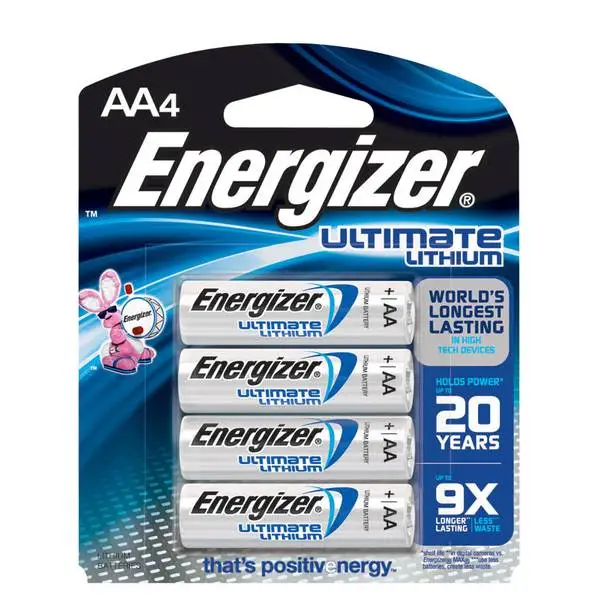
If your devices are truly high-drain, the product tables in the Amazon “from the manufacturer” section also point toward Energizer Ultimate Lithium as a separate line positioned for “high-tech and smart devices” and “extreme temperatures.” That’s not a user-reviewed alternative here—but it’s the only brand-adjacent “step up” explicitly described in the provided data.
Price & Value
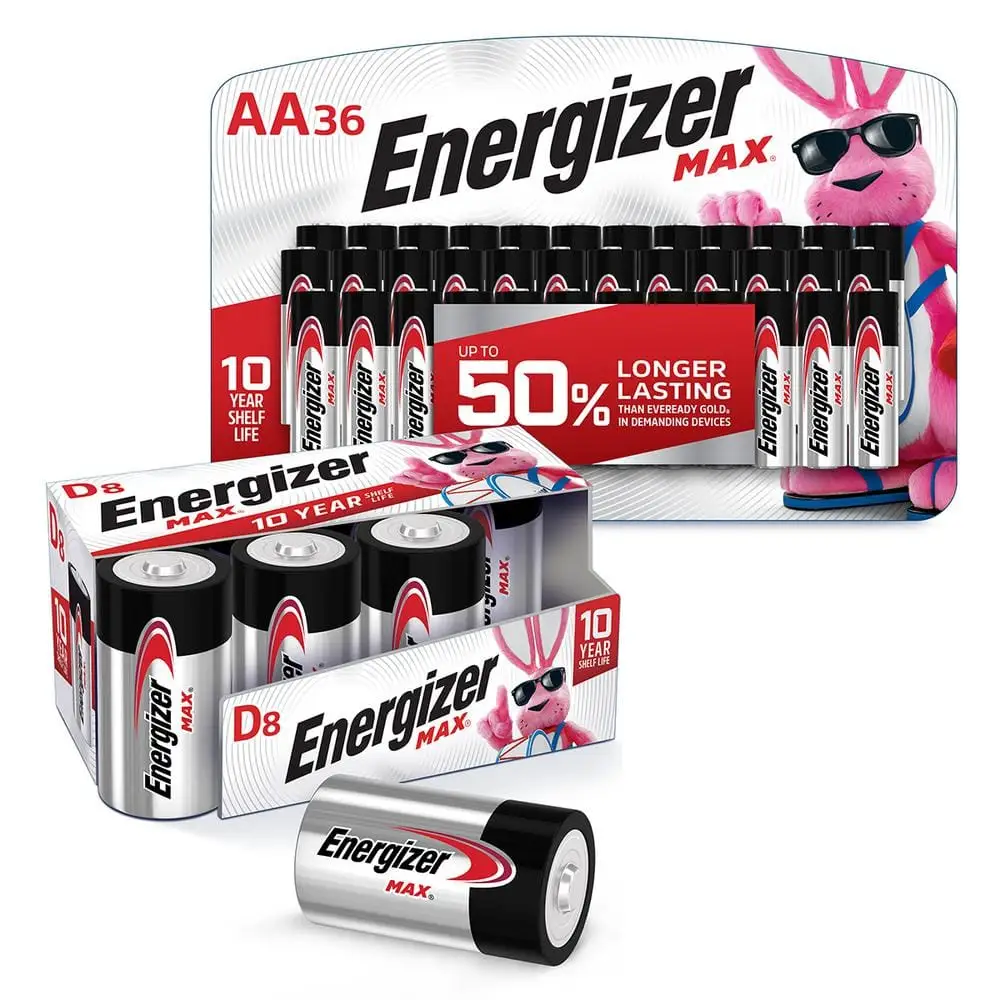
Current pricing varies by retailer and listing, but the theme is clear: shoppers are often weighing these against cheaper store brands and timing purchases around deals. Amazon shows a 16-pack listing at $13.85 (about $0.87 each) in the provided snapshot, while Walmart’s listing shows $12.91 (about $0.81 each). On eBay, listings include prices around $10.99 to the mid-teens for new packs, with some multi-pack deals.
Resale marketplaces add a different angle: expiration dates and bulk savings matter. An eBay listing highlights “expiration date 2032,” and verified buyer white-paint mentioned a “hard not to like this deal” scenario tied to long dating: “date good for 8 years.” For emergency preparedness buyers, that resale-market emphasis mirrors the “stock up” mentality more than the day-to-day remote-control use case.
Community buying “tips” here are implicit: buy bigger packs when the price per cell drops, and treat these as a household staple rather than a panic purchase. Best Buy user karenk’s energy reflects that stock-up mindset: “glad to find a large pack of batteries… you are always in need of batteries for electronics.” The biggest risk to value is buying when you’re desperate—exactly the scenario superk 734 described—because price sensitivity spikes when you feel cornered.
- Best value pattern: larger multipacks, sale timing, and long expiration dates
- Worst value pattern: last-minute purchase at a higher shelf price
FAQ
Q: Do Energizer MAX AA batteries actually last longer than generic/store brands?
A: Many reviewers say yes, especially in everyday devices. Best Buy user stingray noted: “last longer than generic brands,” and user big snoop claimed they last longer than “store brand” options. The most consistent wins show up in remotes, toys, and flashlights rather than extreme high-drain scenarios.
Q: Are these good for remotes, clocks, and flashlights?
A: Yes—those are repeatedly cited use cases. Best Buy user coolv said they used them for “flash lights” and found them “long lasting,” and TheGunZone reviewer listed remote controls and clocks as devices where they “last several months.” These are classic low-to-mid drain applications.
Q: How big is the leak risk with Energizer MAX?
A: Several users emphasize not seeing leaks, and the brand markets leak protection. TheGunZone reviewer wrote: “i’ve never experienced any leaking or corrosion issues,” and eBay verified buyer centek said they “don't leak over time like competitor brand.” Individual results vary, but the included feedback trends toward confidence.
Q: Are they worth the price?
A: It depends on how you buy. Some see long life as “cost efficient over time” (Best Buy user green girl), while others are frustrated by high prices in-store (Best Buy user superk 734: “priced too high… i wouldn’t buy again”). Bulk deals and avoiding last-minute purchases appear to improve satisfaction.
Q: Are these a good pick for high-drain devices?
A: They can work, but expectations should be measured. CHOICE’s lab scoring shows much stronger low-drain results than high-drain performance, and TheGunZone reviewer described life in demanding devices as “shorter” than in remotes and clocks. For consistently high-drain use, some buyers may prefer stepping up to lithium lines.
Final Verdict
Buy if you’re stocking a household “battery drawer” for remotes, clocks, toys, flashlights, and wireless mice—and you want a dependable alkaline that many reviewers say “last longer than generic brands.”
Avoid if you’re highly price-sensitive and often buying batteries last-minute, or if your main use is consistently high-drain gear where the performance story is less dominant.
Pro tip from the community: Buy larger packs when pricing is favorable so you’re not forced into an urgent purchase—Best Buy user karenk put it simply: “you are always in need of batteries for electronics.”