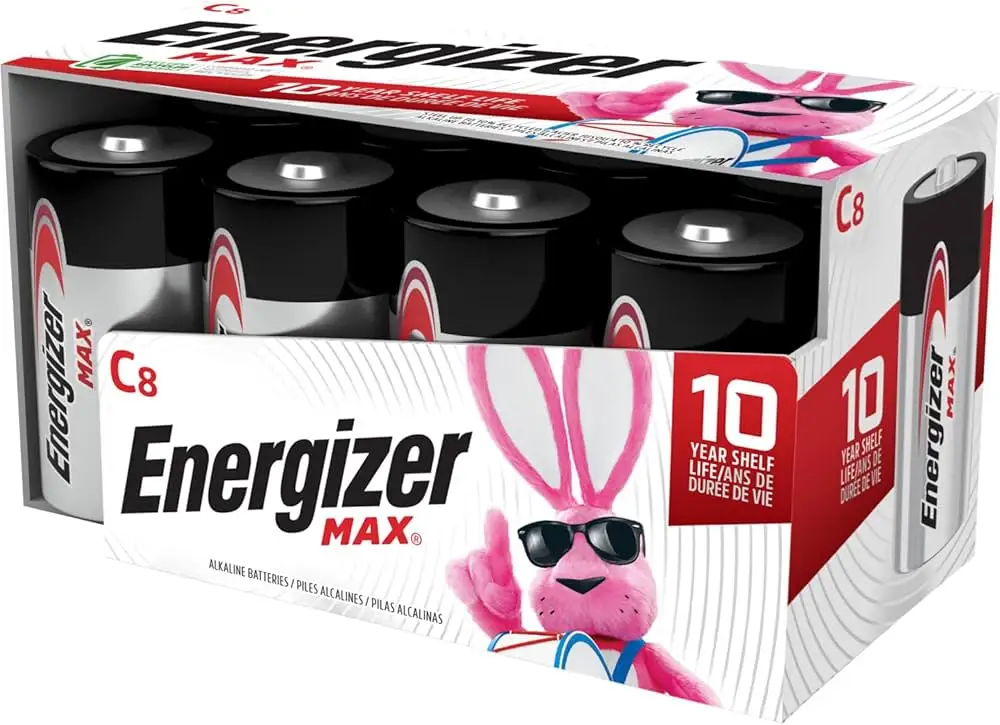
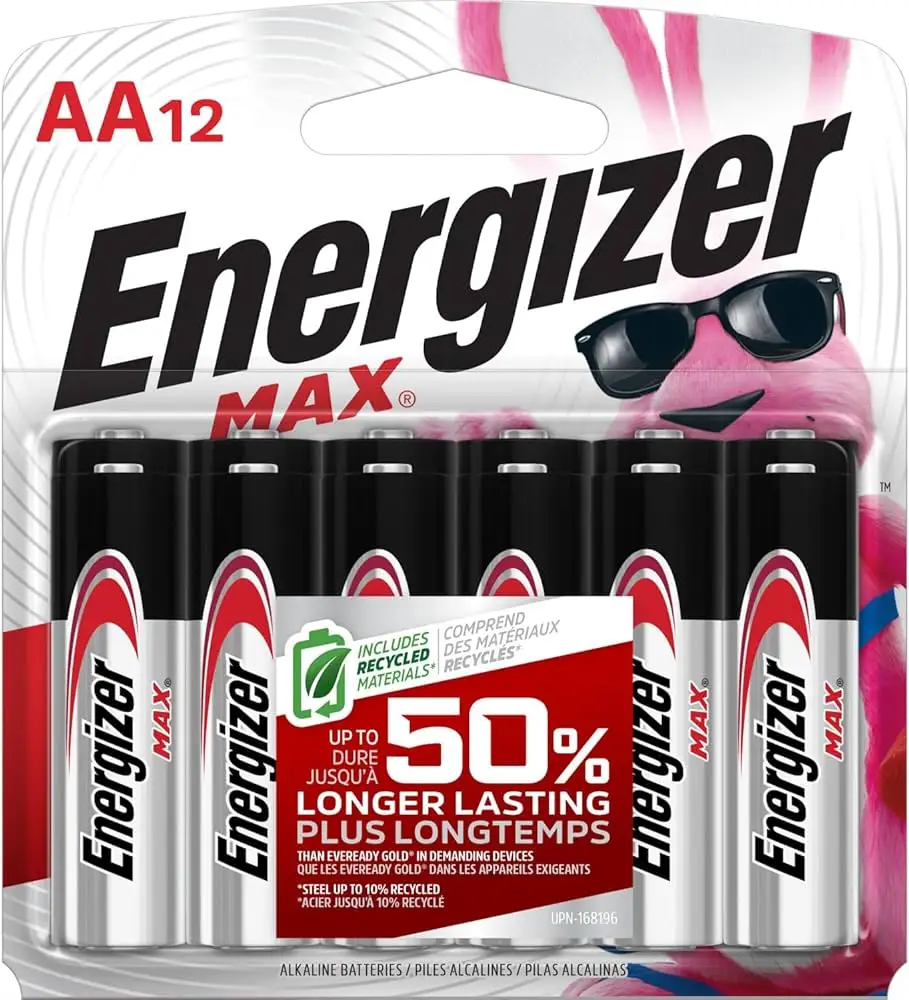
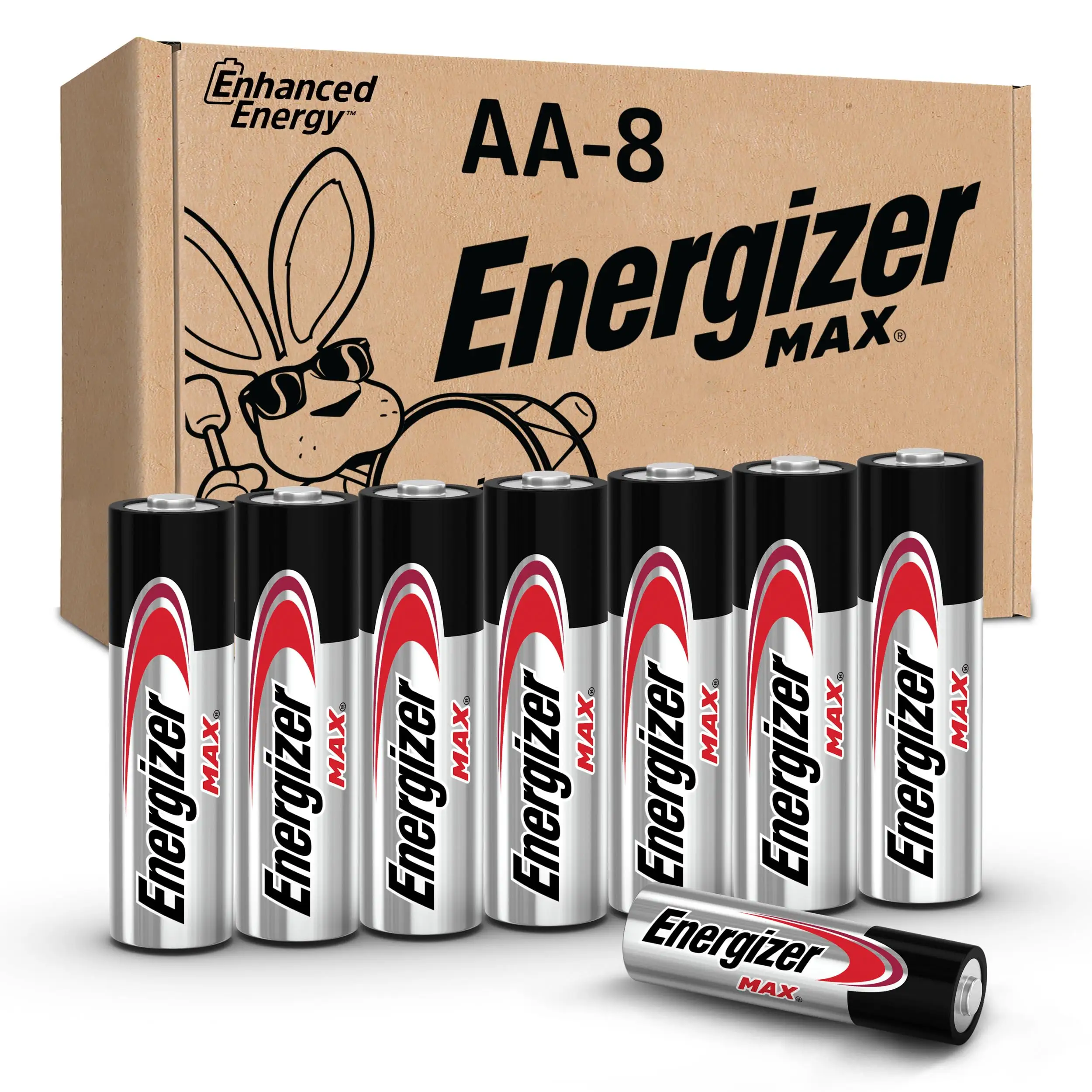
Energizer MAX AA Batteries Review: Strong Everyday Power
The surprising takeaway from hundreds of verified reviews is that Energizer MAX AA Batteries deliver genuinely long-lasting power for most everyday devices, but they’re not a perfect fit for every scenario. Across Amazon, Best Buy, Reddit, and eBay, users consistently rate them at 9+/10 for reliability and shelf life, though high-drain performance has mixed reports.
Quick Verdict: Conditional buy — excellent for low-to-mid drain devices, but heavy electronics may benefit from lithium alternatives.
| Pros | Cons |
|---|---|
| Long shelf life (up to 10 years in storage) | Weaker performance in high-drain devices compared to lithium |
| Leak-resistant for up to 2 years after depletion | Occasional reports of old stock causing leaks |
| Widely available in bulk with good discounts | Packaging damage in some online orders |
| Consistent power output in remotes, toys, clocks | Not designed for extreme temperature use |
| Good value per battery when bought in large packs | Some shipments contain fewer batteries than advertised |
| Trusted brand with device damage protection | Expiration dates sometimes close to purchase date |
| Positive cross-platform reliability feedback | Not suitable for critical medical device longevity needs |
Claims vs Reality
One of Energizer’s core marketing claims is that MAX AA batteries are “up to 50% longer lasting” than basic alkaline batteries in digital cameras. While Amazon specs boast this, lab testing from Choice scored high-drain performance at only 52%, compared to 83% in low-drain. A verified buyer on Best Buy summed it up: “Great for my son’s toys… still going strong after weeks,” but didn’t mention high-drain electronics.
Another claim is “Leak-resistant construction for up to 2 years after depletion.” Reddit user ronald martin confirmed this in real-world use: “I’ve had so many devices ruined by battery acid – looking at you, other brand! These haven’t leaked at all, even in our garage flashlights that sit unused for months.” However, Trustpilot user dnasty j. warned: “Two of them exploded in my expensive flashlight… check the date and return if not reasonable.”
Finally, Energizer highlights a “10-year shelf life.” Many eBay buyers back this up with listings showing expiration dates well into 2035. Yet, Trustpilot complaints reveal some shipments had expiration dates only months away, undermining this advantage when buying from third-party sellers.
Cross-Platform Consensus
Universally Praised
The strongest praise comes from low-drain scenarios — remotes, wall clocks, and gaming controllers. Reddit user ronald martin noted his Xbox controllers were “teenage boy approved” with no mid-game battery swaps for weeks. On Best Buy, humber tom stated: “Outstanding longevity… stable performance without any fluctuations or drops.” This reliability extends to toys, with khush boos reporting daily use in a child’s toys “and still the battery is going good.”
For households, the leak resistance is a major plus. Amazon reviewers frequently mention confidence in storing them long-term without damage. One verified buyer said: “I have come to rely on Energizers to not leak and damage the equipment.”
Common Complaints
High-drain performance is the most frequent criticism. Choice lab data showed endurance at 58% for high-drain tasks like camera flashes — far below lithium alternatives. Trustpilot’s Jill S. experienced short lifespans in an insulin pump, saying: “Each battery lasts 2 weeks… ultimate lithium lasts a month or more.”
Packaging and inventory issues also frustrate buyers. Tiffany V. on Trustpilot received “only 19 instead of 20 in a broken box with tape,” raising concerns about resale or repackaged stock. Groupon buyers reported leak incidents with mis-shipped Duracell Procells, reinforcing caution when purchasing from non-reputable sellers.
Divisive Features
Price-per-battery draws both praise and skepticism. Many Amazon reviewers call it “best deal around” when buying bulk online — cheaper than Walmart. eBay buyers cite “two for the price of one” deals with expiration dates 8+ years out. However, some Best Buy shoppers still opt for lithium despite the higher cost, citing better high-drain results.
The 10-year shelf life also splits opinion — while most confirm long-term viability, isolated cases of near-expired stock cause distrust in certain marketplaces.
Trust & Reliability
Trustpilot data shows that while the Energizer brand enjoys broad trust, marketplace handling can erode confidence. Reports of exploded batteries in flashlights and missing units point to storage and inventory control issues rather than inherent product flaws. On Reddit, multiple users stress buying from reputable sellers to avoid old stock.
Long-term durability stories support the brand’s leak resistance. A verified Amazon buyer shared: “These batteries are still going strong five months later,” with no corrosion. The device damage protection policy — repair or replace if leakage occurs — is a unique trust factor noted in Amazon listings.
Alternatives
The most common alternative discussed is Energizer Ultimate Lithium, favored by high-drain device users like Jill S. Lithium offers better cold-weather performance and longer runtimes but at a higher price. Duracell CopperTop also appears in user comparisons, with one Amazon reviewer noting: “Last longer than the copper top ones!” For budget buyers, Eveready Gold is mentioned in specs as less lasting but cheaper.
Price & Value
Current online prices range from $0.75 to $0.83 per AA in 24-packs on Amazon, with eBay bulk listings dropping below $0.70. Resale trends show stable value, especially in sealed packs with long expiration dates. Reddit users highlight Amazon’s $5 savings over retail stores, making bulk buys a strong value proposition.
Buying tips from the community:
- Check expiration dates immediately on arrival
- Buy sealed retail packaging from major sellers to avoid leaks
- Bulk packs reduce per-unit cost significantly
FAQ
Q: Are Energizer MAX AA batteries good for high-drain devices?
A: They work but won’t match lithium performance. Lab tests show ~52% high-drain score; best for remotes, clocks, and toys rather than camera flashes or medical pumps.
Q: How long do they last in storage?
A: Officially up to 10 years, and many buyers confirm this. However, check packaging dates to avoid near-expired stock.
Q: Do they leak?
A: Leak resistance is reported up to 2 years after depletion. Most users confirm no leaks, but isolated cases from old inventory exist.
Q: Are they worth buying in bulk?
A: Yes for low-drain users — bulk online deals often beat retail by 20%+. Just ensure reputable seller sources.
Q: What’s the warranty on device damage from leaks?
A: Energizer offers repair or replacement if leakage occurs, within battery life or 2 years after full use. Proof of damage is required.
Final Verdict: Buy if you’re a household user powering remotes, toys, clocks, or flashlights — expect long shelf life, no leaks, and solid value. Avoid if you need maximum runtime in high-drain gear like medical devices or pro photography equipment — consider lithium instead. Pro tip from Reddit: “Stock up when prices drop — you might not need to buy batteries again until 2025.”