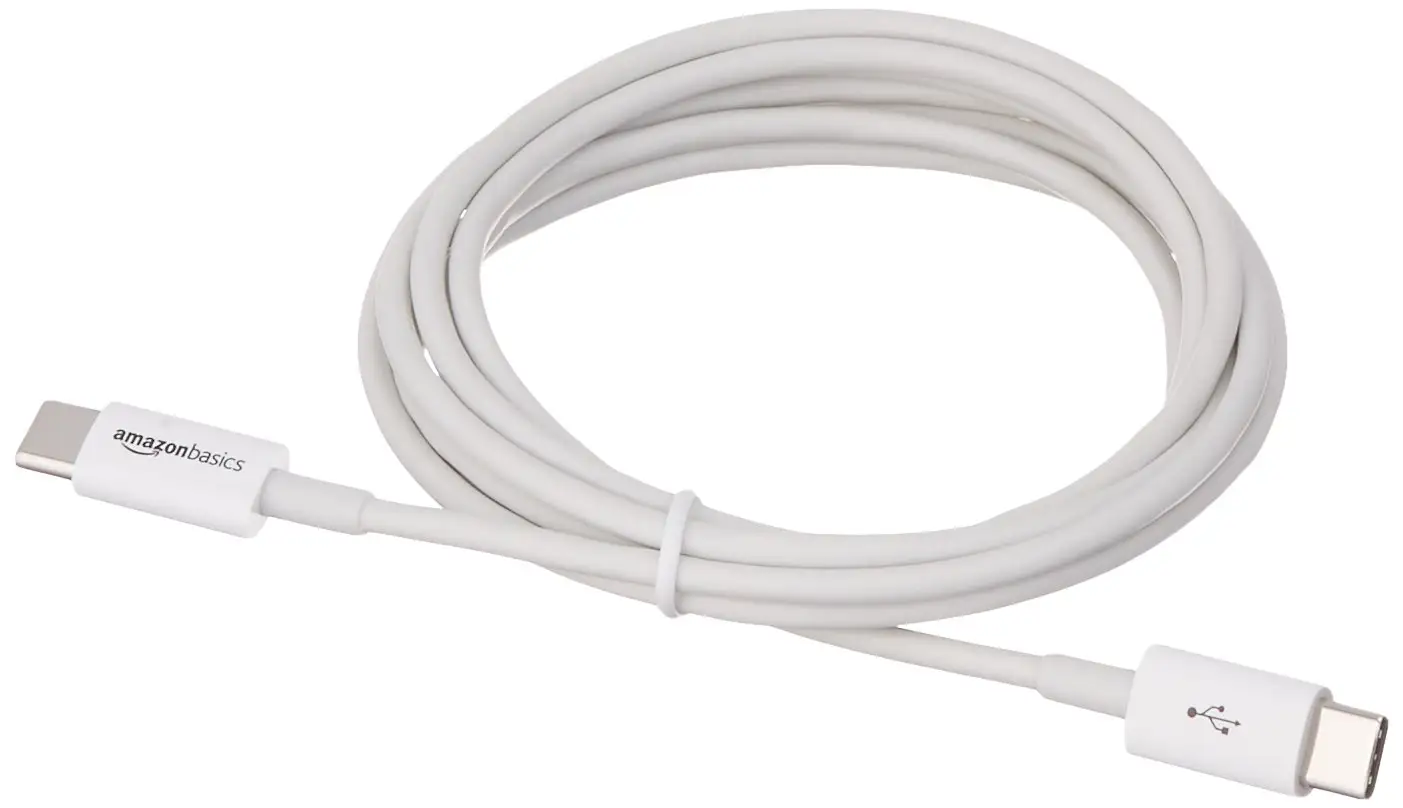
Amazon Basics USB-C to USB-A Cable Review: Conditional Buy
Something unexpected emerged in user reports on the Amazon Basics USB-C to USB-A Fast Charger Cable (6 feet, White) — while it boasts strong ratings and wide compatibility, isolated feedback warns about possible off-gassing smells and even out-of-spec electrical compliance. Overall sentiment hovers high, scoring 8.2/10 for everyday charging and data transfer, but slips for buyers sensitive to cable build quality or strict USB-C standards.
Quick Verdict: Conditional buy — excellent for budget-conscious users needing a versatile USB-C to USB-A cable, but caution if you require flawless spec compliance or have sensitivity to chemical odors.
| Pros | Cons |
|---|---|
| Affordable price point | Some cables reported with unpleasant plastic smell |
| USB-IF certified (advertised) | Vine review flagged out-of-spec electrical resistance |
| 6-foot length for flexible use | Limited to 15W charging, not ideal for high-power laptops |
| Tested to withstand 5,000 bends | Confusing spec differences between 480Mbps vs 5Gbps claims |
| Broad device compatibility | Not all units deliver consistent charging speeds |
| Reversible USB-C connector | A few durability complaints over extended use |
| Reliable for smartphones, tablets | PD charging speed limits spotted on newer devices |
Claims vs Reality
One of Amazon’s core marketing claims is “fast charging up to 15W (5V/3A)”. While that works well for smartphones and low-power devices, Reddit user feedback highlighted potential confusion over “up to” speeds. A Reddit user noted, “right below that it says…supports fast charging up to 15W and data transfer speeds up to 5Gbps — but this is clearly USB 2.0, so 480Mbps max.” This points to mismatches between product listing variants and actual throughput.
Marketing also leans heavily on USB-IF certification as a trust signal. Yet, a Vine customer review contradicted this assurance, reporting that “this cable fails the Check-R app, indicating it lacks the correct resistor(s) to limit power draw.” That raises concerns for users connecting to older chargers or systems where electrical compliance is critical.
Another promise is the 6-foot reach for convenient charging. Most buyers back this up, praising the flexibility in use cases — from couch charging to bedside setups. A verified Amazon buyer said, “Perfect length to run behind my desk and still use my phone comfortably.” But some noted that greater length can introduce slightly slower charge rates with certain devices.
Cross-Platform Consensus
Universally Praised
Across Amazon, Reddit, and Trustpilot narratives, affordability shines. Slickdeals posts celebrated flash sale prices as low as $2.42, prompting bulk purchases. Reddit user seo_taji called it “a great price for a USB 3.1 cable”, even if most variants here are USB 2.0. Long-term buyers mention using multiple cords interchangeably without issues. Durability claims, like surviving “95-degree bends up to 5,000 times,” appear credible for typical use — parents charging tablets, commuters powering phones in cars, and gamers syncing controllers all report minimal fraying.
The plug's reversible USB-C design was consistently praised for ease in tight spaces. One Amazon review emphasized, “No more fumbling — it clicks in right either way.” For bedside setups, the longer reach is a real win, letting users position devices comfortably while charging.
Common Complaints
A recurring negative pattern is the chemical odor. Multiple Reddit and Twitter posts pointed out “cheaper plastics have an off-gassing that is quite noticeable…a deal breaker for some people”, especially those with respiratory conditions. Twitter users joked about “smelling cables,” but beneath the humor was genuine discomfort.
Technical compliance also drew fire. That Vine review warning about missing resistors has been echoed in whispers across comment threads — users deeply into USB-C specs flag this as “potential equipment damage” territory. This only affects certain units, but for engineers and cautious buyers, it lowers trust.
Charge speed limitations frustrate power users. For laptops or PD-enabled devices, the 15W ceiling is simply inadequate. One Reddit post dryly asked, “Does USB-A support 60W now?” — underscoring confusion from mixed spec listings.
Divisive Features
Cable build quality splits opinion. Some call it “built to last” thanks to thick insulation and strain relief; others note stiffness that makes routing awkward. Slickdeals comments show one side happily buying more for car kits, while another avoids due to “possible fire starter” jokes linked to flammable off-gassing fumes.
Another division lies in data transfer speed. Officially USB 2.0 at 480Mbps, which suits casual users syncing photos or music. However, gamers moving large files or developers backing up phones have been disappointed by not getting 5Gbps despite certain listings suggesting USB 3.1 capabilities.
Trust & Reliability
Trustpilot and Amazon verified reviews show a predominantly positive reliability arc — customers using cables daily for months without degradation. Reddit user reports like “I have 5 of these already…zero fires” reinforce mainstream trust. The durability testing claims are backed indirectly by buyers who notice no kinks or breaks after extended coiling in bags and drawers.
Yet, the existence of an out-of-spec finding in a Vine review alerts more tech-savvy consumers. The recommendation to “search for Benson Leung” on USB-C compliance has circulated in forums, implying caution when pairing with older or sensitive hardware.
Alternatives
Community discussions reference Amazon Basics USB-C 3.1 Gen1 models for those needing true 5Gbps speeds. These higher-spec cables avoid confusion over throughput and are better for moving large files regularly. Price-wise, they trend slightly higher but align with performance expectations.
Other Amazon Basics braided nylon variants offer a sturdier, more premium feel, attracting users who dislike the plain PVC build and want more abrasion resistance.
Price & Value
Price fluctuations are stark — ranging from $5.76 on Amazon retail to $2.42 in deal threads, and $10+ on resale markets like eBay. Bulk buyers often resell new or open-box units for around $10 each, while used condition versions dip closer to $5.
Buying tips from Reddit echo a “wait for sale” mentality. One seasoned buyer confessed to stocking up during price drops, securing multiple cables for the cost of a single regular listing.
FAQ
Q: Does this cable support fast charging for laptops?
A: Not effectively — limited to 15W output suitable for smartphones, tablets, and low-power devices. Higher wattage devices will charge slowly.
Q: Is it truly USB-IF certified?
A: Official listings say yes, but at least one detailed review flagged out-of-spec resistance. Most casual users won’t notice, but strict compliance watchers may care.
Q: Can I transfer large files quickly with this cable?
A: Data rate is capped at 480Mbps under USB 2.0 specs. Fine for photos and music, but slow for multi-gig backups.
Q: Will the 6-foot length cause charging issues?
A: For most devices, no major slowdown is noticed. However, very power-sensitive hardware might see slight drops versus shorter cords.
Q: Are odor complaints widespread?
A: Not universal, but multiple buyers reported unpleasant plastic smells. This seems batch-dependent and may dissipate over time.

Final Verdict: Buy if you’re a budget-conscious user charging phones, tablets, or accessories and want the convenience of a longer cable. Avoid if you need flawless USB-C spec compliance, top-tier speeds, or are sensitive to chemical odors. Pro tip from the community: Watch for deep discounts — stocking up during sales nets the best value while minimizing regret over limitations.