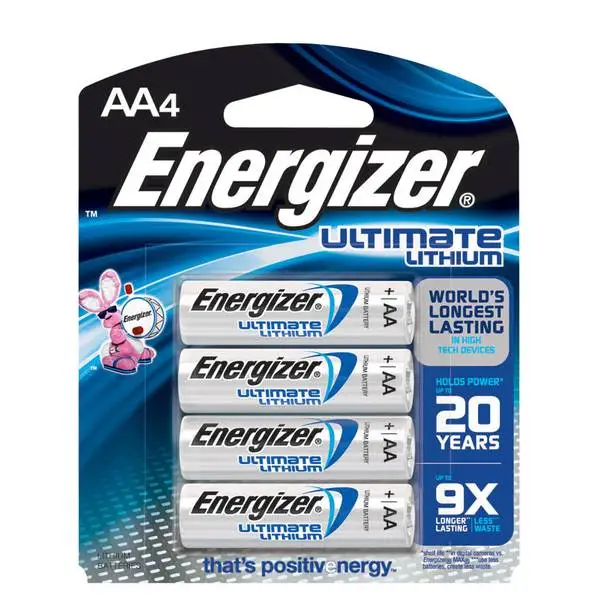
Energizer MAX AA Batteries Review: Reliable 9/10 Pick
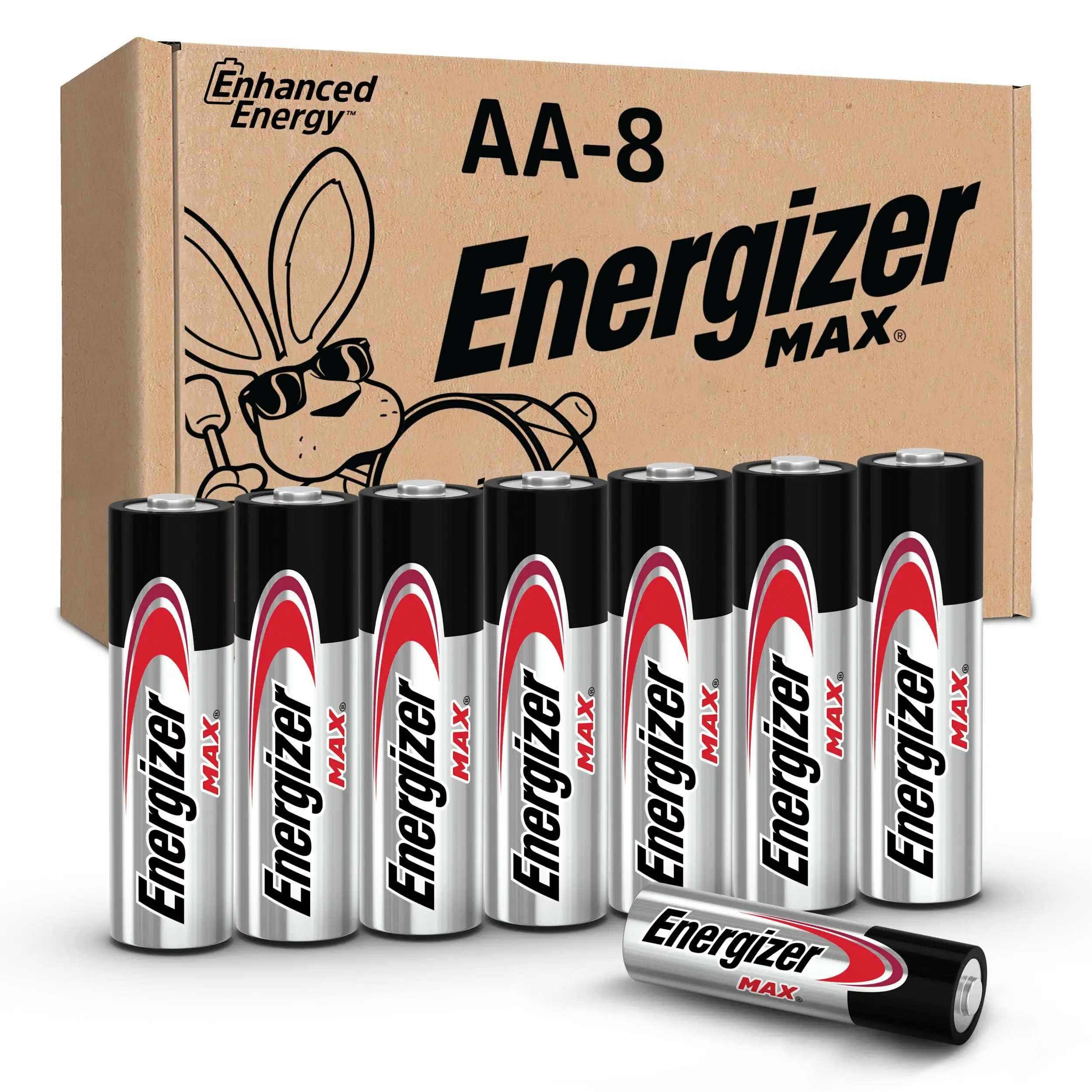
“**No more ‘Mommy, it stopped working!’ every 2 days.” That’s the kind of relief people describe when they swap in Energizer MAX AA Batteries—especially in high-drama households with toy meltdowns and controller dead-zones. Verdict: a consistently well-liked alkaline staple with strong “buy in bulk” momentum. Score: 9/10.
Quick Verdict
Yes—especially if you burn through AAs in toys, remotes, controllers, and business devices.
A recurring pattern across platforms is simple: people trust these for everyday reliability and buy them in larger packs because they feel the batteries “keep going.” Best Buy reviewers frame it as a baseline you can depend on, while the Reddit-style community post reads like a stress-test in kid toys and garage flashlights.
Where the feedback gets practical is value: buyers repeatedly emphasize that pricing (especially online) makes stocking up feel smarter than last-minute store runs. The few negatives that surface are comparatively minor and tend to be about packaging rather than performance.
| Verdict Lens | What people said (with source) | Implication |
|---|---|---|
| Longevity | Best Buy reviewers call them “built to last a long time” (Best Buy) | Good for toys/controllers you don’t want to babysit |
| Reliability | “Always reliable and long lasting” (Best Buy) | Fits low-stress, “set it and forget it” use |
| Leak resistance | “I like that fact that they don't leak” (Best Buy) | Important for devices stored long-term |
| Price/value | “Great product and price” and “can’t beat the price” (ReviewIndex analysis) | Best when bought in multipacks |
| Convenience | “Item arrived as promised” (ReviewIndex analysis) | Helps businesses and households restock easily |
Claims vs Reality
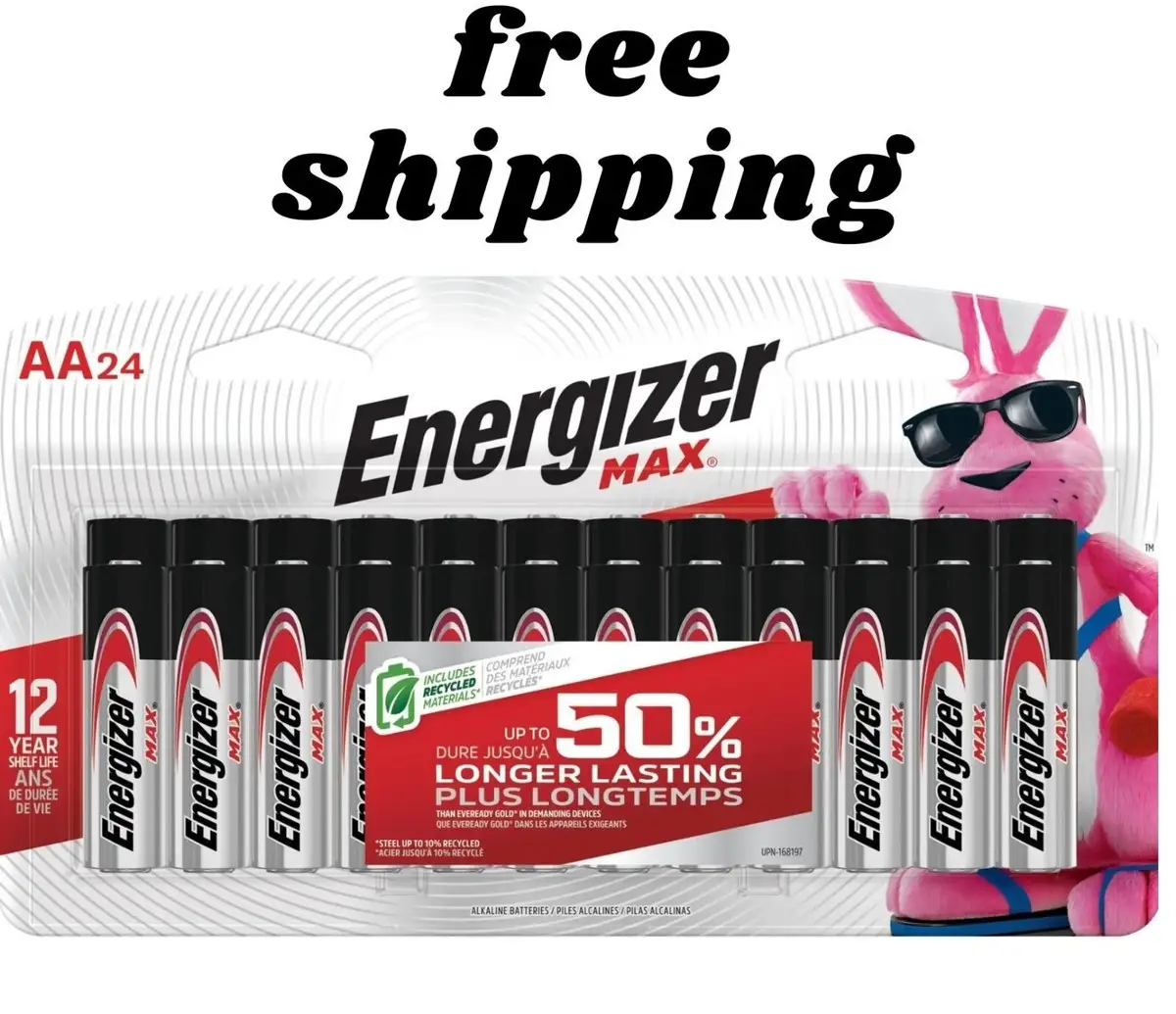
Digging deeper into the marketing claims, the most repeated promises are long storage life, leak protection, and stronger performance than budget alkalines. The official product copy emphasizes they “hold power for up to 10 years in storage” and are “designed to protect devices against damaging leaks for up to two years after fully used” (Amazon product listing; Energizer product page/industrial site).
On the user side, “long-lasting” isn’t described as a lab metric—it shows up as fewer interruptions. Reddit user Ronald Martin said: “my daughter’s screaming unicorn has been running non-stop for weeks now,” adding, “No more ‘mommy, it stopped working!’ every 2 days” (Sharvibe repost of Reddit-style community post). For parents, that’s not just runtime—it’s fewer emergency battery swaps mid-playtime.
Leak protection is one of the clearest real-world anxieties. Officially, Energizer Max AA batteries are “designed to protect devices from leakage of fully used batteries… up to 2 years” (Amazon listing; Energizer industrial page). In lived experience, people talk about the damage they’ve seen with other brands and the relief of not seeing corrosion. Reddit user Ronald Martin said: “I’ve had so many devices ruined by battery acid… These haven’t leaked at all, even in our garage flashlights that sit unused for months” (Sharvibe repost).
Storage-life claims are where a small contradiction appears across the provided specs: Amazon copy highlights “up to 10 years in storage” (Amazon listing), while Energizer’s marketing text in the provided feed references a “12-year shelf life” in one place and also repeats “up to 10 years” elsewhere (Energizer page excerpt). While officially presented as 10 years on Amazon for this listing, other marketing material mentions 12 years, so shoppers may see inconsistent numbers depending on where they read.
Cross-Platform Consensus
Universally Praised
“Powerhouse” language shows up again and again, and it isn’t just hype—people tie it to specific devices where failure is annoying or disruptive. A Best Buy reviewer wrote: “these batteries are an absolute powerhouse, and they have exceeded all my expectations” (Best Buy). For business owners and anyone running devices daily, it’s less about excitement and more about predictable uptime. Another Best Buy reviewer said: “Excellent batteries, doing a great job. Needed them for my business. All good and will buy them again” (Best Buy).
For families, the most consistent praise is fewer interruptions in toys and game controllers. Reddit user Ronald Martin said he bought them because toys kept dying “mid-playtime,” then reported, “used them in everything from Xbox controllers… to smoke alarms (no annoying midnight beeps yet)” (Sharvibe repost). Best Buy reviewers echo that exact ecosystem: one wrote they “last a long time in the kids oculus controllers and the xbox controllers” (Best Buy). For parents and gamers, this translates into fewer dead-controller moments and fewer toy “emergencies.”
Value is also widely praised, but it’s framed as a comparison against local retail prices. Reddit user Ronald Martin said: “the Amazon price is insane compared to stores. I saved like $5 getting them here” (Sharvibe repost). The ReviewIndex aggregation reinforces that deal-hunting mindset with repeated snippets like: “best deal around,” “cheaper than walmart,” and “can’t beat the price” (ReviewIndex analysis). For heavy AA users—families, small businesses, or anyone managing multiple remotes and flashlights—bulk pricing becomes part of the product’s appeal.
After that, a quieter but important theme emerges: consistency. ReviewIndex includes feedback like “keeps the charge,” “they’re dependable,” and “these batteries are still going strong five months later” (ReviewIndex analysis). Even when users don’t gush, they repeatedly describe the batteries as doing what they’re supposed to do.
Quick summary of common praise (after the stories):
- Long runtime in toys/controllers (Best Buy; Sharvibe repost)
- Strong value in multipacks (ReviewIndex analysis; Sharvibe repost)
- Dependable, stable performance for everyday devices (ReviewIndex analysis; Best Buy)
- Leak concerns reduced for stored devices (Best Buy; Sharvibe repost)
Common Complaints
The provided feedback set is notably light on detailed performance complaints—most reviews skew positive and generic. When negatives appear, they’re more about buying/receiving than about the battery chemistry itself. Best Buy’s roll-up text mentions “some… minor packaging concerns” even while emphasizing customers “love the long-lasting battery life and great price” (Best Buy summary).
The ReviewIndex feed shows that “price” has a small negative slice (“waste of money” appears among price keywords), but the balance is overwhelmingly positive (+93% vs -7%) (ReviewIndex analysis). In practice, this suggests the complaint isn’t “these don’t work,” but rather that some buyers feel the price only makes sense when it’s on sale or bundled well.
Another kind of “complaint” is actually confusion: one Best Buy reviewer wrote, “i like the fast charging. fully charge in an hour and retains the charge longer” (Best Buy). Since Energizer MAX here is presented as a single-use alkaline product (Amazon listing: “reusability: single use”), that statement reads like a mismatch—either the reviewer mixed products or misunderstood the listing. It’s not a performance flaw, but it does show how battery listings can blur together for shoppers.
Common pain points (as reflected in the data):
- Occasional packaging concerns (Best Buy summary)
- Value sensitivity when not discounted (ReviewIndex analysis)
- Some reviews appear mismatched to product type (Best Buy)
Divisive Features
Price is the main divisive factor because the brand perception is “premium,” even when shoppers find deals. ReviewIndex includes comments that imply paying more is worth it—“you pay a little more for energizer but they last so much longer than cheap brands” (ReviewIndex analysis)—while also showing that a minority flags cost as “waste of money” (ReviewIndex analysis). For budget-focused buyers using low-drain devices (like clocks), some may not feel a meaningful difference.
Another subtle divide shows up in expectations for “long-lasting.” Some users frame it as dramatic improvement—Reddit user Ronald Martin joked they work so well he “might not need to buy batteries again until 2025!” (Sharvibe repost)—while other snippets are more neutral, like “they seem to last as long as other brands” (ReviewIndex analysis). That gap suggests performance perception depends heavily on device drain and what the buyer used before.
Trust & Reliability
Looking at the verification-heavy patterns in the provided ReviewIndex analysis (878 recent, verified reviews), the trust signal comes through in repetition: buyers keep using words like “dependable,” “work as expected,” and “will buy again” (ReviewIndex analysis). Those aren’t poetic, but they’re the kind of language that shows people feel safe standardizing on a battery brand.
Long-term stories appear in the community-style post and in snippets about extended use. Reddit user Ronald Martin described flashlights “that sit unused for months” without leaks, and talked about weeks of toy runtime (Sharvibe repost). ReviewIndex also surfaces time-based claims like “still going strong five months later” (ReviewIndex analysis), which is the kind of detail people tend to include only when they’ve been burned before by short-lived cells.
Alternatives
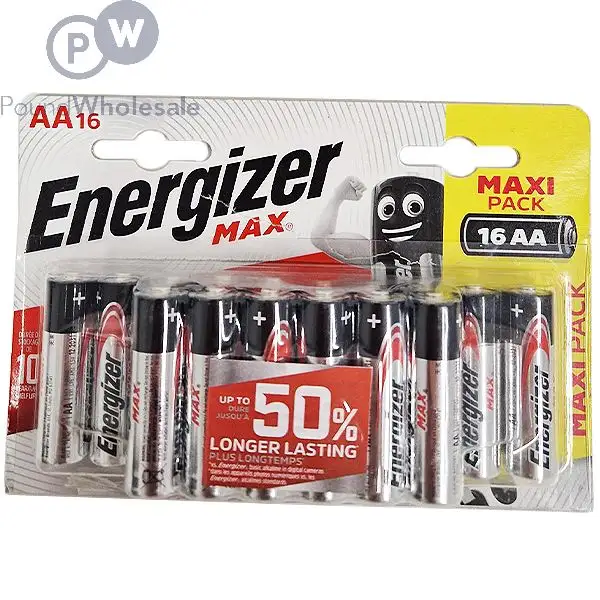
The competitors mentioned in the provided data are Duracell, Eveready Gold, Energizer Basic Alkaline, and “Amazon brand ones.”
The most direct comparison point is Energizer’s own claim: Max provides “up to 50% longer lasting than Eveready Gold in demanding devices” (Amazon listing). On the user side, ReviewIndex includes a specific comparative quote: “last longer than the ‘copper top’ ones!” (ReviewIndex analysis), a reference many shoppers use for Duracell. Another snippet frames the comparison in reverse: “they seem to last longer then other brands,” while a different line says, “they seem to last as long as other brands” (ReviewIndex analysis). For shoppers deciding between Duracell and Energizer Max, the story isn’t unanimous—some feel a clear edge, others experience parity depending on the device.
One of the more pointed real-world comparisons is against store brand: ReviewIndex includes a buyer saying Energizer “work longer than the amazon brand ones i previously purchased” (ReviewIndex analysis). That’s particularly relevant for households cycling batteries through remotes and small toys, where store-brand savings can be erased by more frequent swaps.
Price & Value
Current pricing in the Amazon spec snapshot shows a 48-count pack at $24.98 (about $0.52/count) (Amazon listing). A separate Amazon listing snapshot shows a 24-count pack at $18.16 (about $0.76/count) (Amazon listing). That gap matches how many shoppers talk about value: bigger multipacks shift the deal from “name brand” to “stock-up pricing.”
Community buying behavior is explicitly deal-driven. Reddit user Ronald Martin said: “the Amazon price is insane compared to stores… I saved like $5 getting them here,” and even considered buying another pack “just to stock up at this price” (Sharvibe repost). Best Buy reviews mirror that logic in simpler terms: “the price is a great deal” and “better to pay a tiny bit more for more battery life” (Best Buy).
Resale/market pricing from eBay shows a 16-pack listed at $13.20 (eBay listing), and a “48 pack (12 packs of 4)” listed at $32.99 (eBay listing). While those are seller listings (not user reviews), they reinforce the idea that bulk quantities are a common buying format and that pricing fluctuates by channel.
Buying tips implied by user behavior:
- If you’re powering toys/controllers weekly, prioritize the lowest per-cell multipack (Amazon pricing snapshots; Sharvibe repost).
- If you only need a few AAs for remotes/clocks, price sensitivity is higher and “premium” may feel less justified (ReviewIndex analysis).
- Look for “fresh batteries arrived quickly” type fulfillment signals when you need them urgently (ReviewIndex analysis).
FAQ
Q: Do Energizer MAX AA batteries really last longer in toys and controllers?
A: Many buyers describe noticeably longer runtime in high-use devices. Reddit user Ronald Martin said a toy ran “non-stop for weeks” and he used them in “Xbox controllers” (Sharvibe repost). A Best Buy reviewer also said they “last a long time” in “oculus controllers and the xbox controllers” (Best Buy).
Q: Are they actually leak-resistant for stored devices like flashlights?
A: Leak resistance is repeatedly valued by buyers with storage-heavy use. Reddit user Ronald Martin said they “haven’t leaked at all” in “garage flashlights that sit unused for months” (Sharvibe repost). Best Buy reviewers also praise that “they don't leak” and call that a reason to recommend them (Best Buy).
Q: What’s the shelf life—10 years or 12 years?
A: Official listings commonly state “up to 10 years in storage” (Amazon listing), but other marketing text in the provided feed references a “12-year shelf life” as well (Energizer page excerpt). Shoppers may see both numbers depending on source, even though the product is positioned around long storage readiness.
Q: Are these a good deal compared to buying locally?
A: Deal seekers consistently frame online multipacks as better value. Reddit user Ronald Martin said the “Amazon price is insane compared to stores” and he “saved like $5” (Sharvibe repost). ReviewIndex snippets include “cheaper than walmart” and “can’t beat the price” (ReviewIndex analysis), reinforcing the bulk-buy strategy.
Q: Who benefits most from buying the 48-pack?
A: High-consumption households and small businesses appear to benefit most. One Best Buy reviewer said they “needed them for my business” and planned to buy again (Best Buy). Parents dealing with frequent toy/controller usage also describe fewer interruptions and less frequent replacement (Sharvibe repost; Best Buy).
Final Verdict
Buy Energizer MAX AA Batteries if you’re the kind of household (or business) that keeps feeding toys, flashlights, remotes, smoke alarms, and controllers—because the dominant story is dependable power and fewer interruptions. Best Buy reviewers call them “always reliable and long lasting” (Best Buy), and Reddit user Ronald Martin summed up the daily-life impact: “No more ‘mommy, it stopped working!’” (Sharvibe repost).
Avoid if you only need occasional AAs for very low-drain devices and you’re highly price-sensitive—some feedback suggests value can feel less compelling without a deal (“waste of money” appears among price negatives) (ReviewIndex analysis).
Pro tip from the community: stock up when the online price beats local stores—Reddit user Ronald Martin said he “saved like $5” buying on Amazon and considered grabbing another pack to stash (Sharvibe repost).