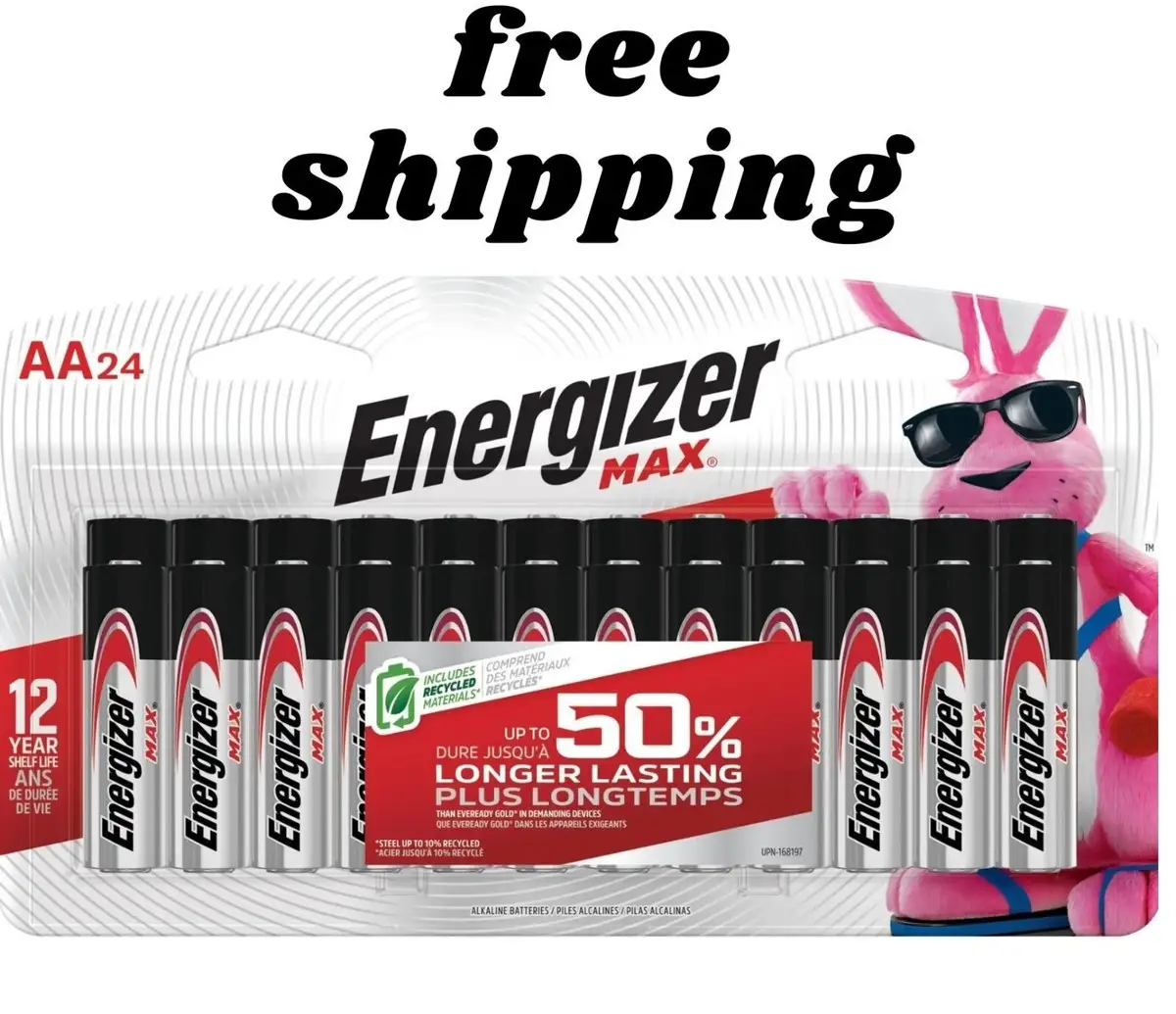
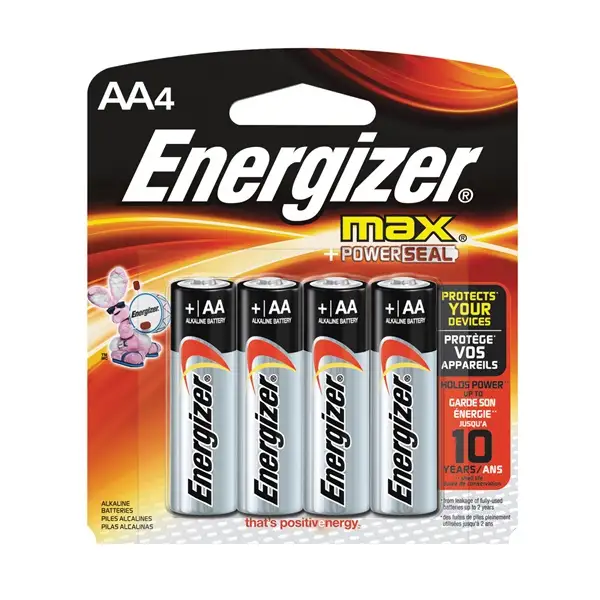
Energizer MAX AA Batteries Review: Conditional Buy (8.3/10)
A clearance tag of $5.99 for a 20-pack at Best Buy sits right next to thousands of five-star raves—and that price whiplash sets the tone for Energizer MAX AA Batteries: frequently praised as dependable “everyday” power, but with a smaller set of reports warning about short runtime in medical devices and occasional packaging/old-stock problems. Verdict: conditional buy for most household use. Score: 8.3/10.
Quick Verdict
For Energizer MAX AA Batteries, the most consistent story is “reliable, long-lasting power for common devices”—especially remotes, toys, flashlights, and controllers—paired with strong value when bought in bulk or on sale. The caution flags show up around specialized/critical devices (like insulin pumps) and inventory freshness/packaging integrity from certain sellers.
| Decision | Evidence from sources | Who it fits best |
|---|---|---|
| Yes | Best Buy reviewers call them “dependable and long-lasting” and “keep going and going and going.” | Families, households with many remotes/toys |
| Yes (if on sale/bulk) | Best Buy shows strong “price/value” sentiment; Reddit mentions Amazon savings. | Budget-minded bulk buyers |
| Conditional | Official messaging stresses leak protection; some Trustpilot reports describe corrosion/explosions tied to near-expired stock. | Flashlight/emergency kit users (check dates) |
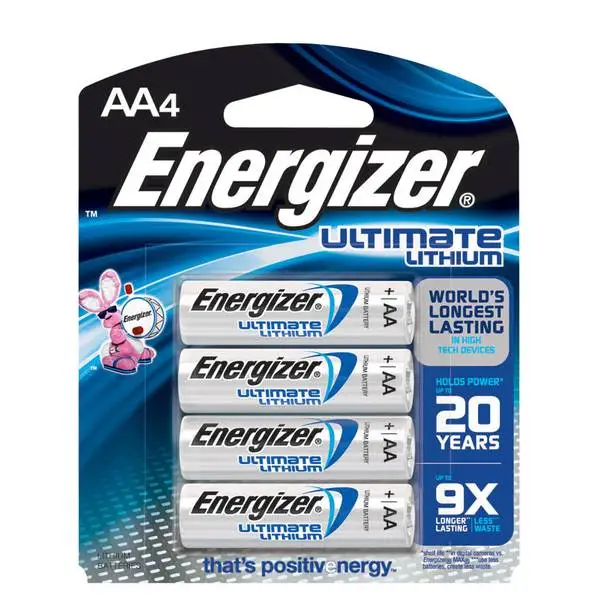
| No (for medical pumps) | Trustpilot reviewer says MAX lasts “2 weeks” in an insulin pump vs lithium lasting “a month or more.” | Medical-device users needing maximum runtime |
Claims vs Reality
Claim 1: “Up to 50% longer lasting” (marketing language across Amazon/Energizer Industrial pages).
Digging deeper into user reports, many shoppers echo the “lasts a long time” idea—but usually in low-to-mid drain devices. Best Buy reviewer Humber Tom framed it as “reliable and long-lasting performance across a variety of devices,” adding that output felt “consistent… without any fluctuations or drops.” That story aligns with CHOICE lab results showing stronger low-drain outcomes (low-drain performance 83%, endurance 91%) than high-drain performance (52%) and endurance (58%).
The gap appears when use shifts from remotes and clocks into more demanding scenarios. CHOICE’s test scoring suggests the batteries are notably better in remote-control-style loads than in high-drain loads (like camera flashes or high-performance toys). That matches the way many consumer quotes celebrate household basics rather than high-drain “hero” use cases.
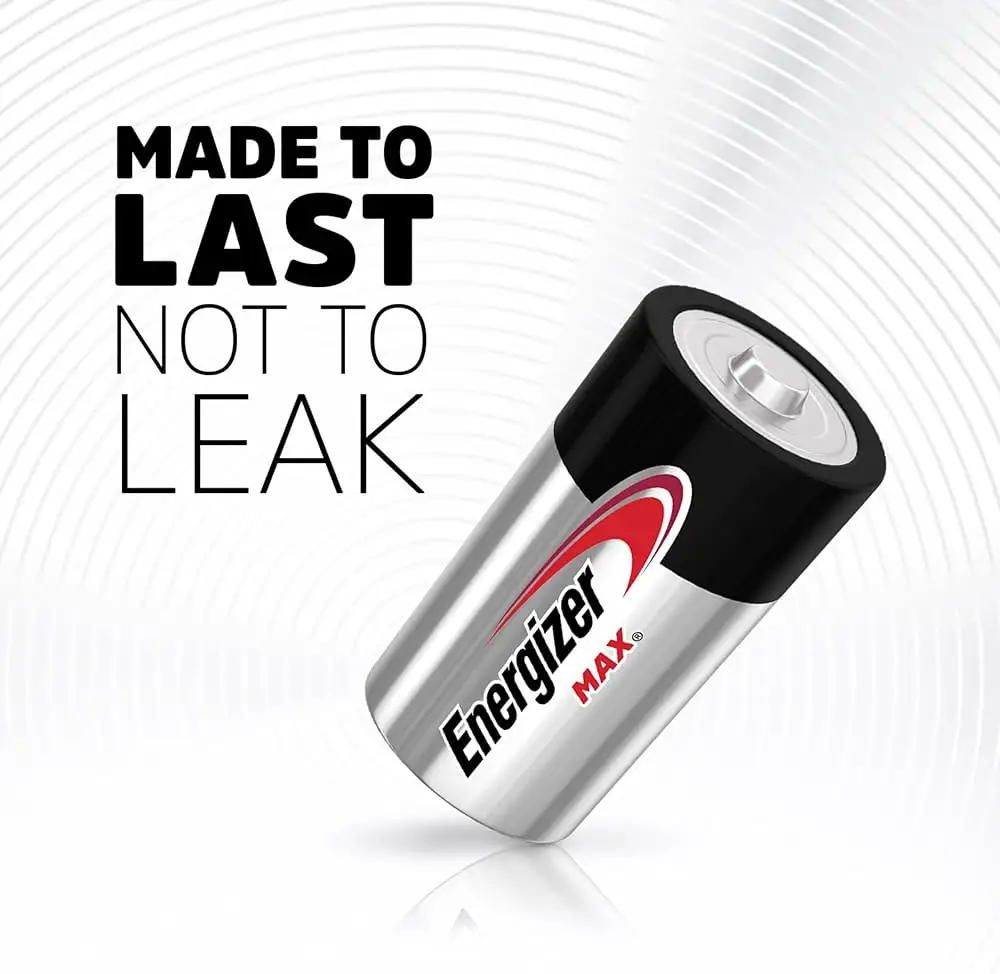
Claim 2: “Leak-resistant / protects devices… for up to two years after fully used” (Amazon + Energizer Industrial).
Many buyers clearly shop on fear of leakage. Reddit user Ronald Martin said: “The leak-resistant thing is huge for me… these haven't leaked at all, even in our garage flashlights that sit unused for months.” Some aggregator snippets also emphasize this trust angle, including: “i have come to rely on energizers to not leak and damage the equipment.”
But the contradiction is impossible to ignore: while leak protection is a headline promise, Trustpilot includes a report that “two of them exploded in my expensive flashlight and corroded it beyond repair,” and the same reviewer pointed to an expiration date “almost the same as the date of purchase.” So while the official promise is protection, a few user accounts raise concerns that old inventory or poor seller handling can undermine the experience.
Claim 3: “10 years shelf life” (Amazon/Energizer Industrial).
Shelf-life messaging resonates most with buyers who want batteries “ready when you need them.” Best Buy reviewer Humber Tom called out “exceptional shelf life,” and another Best Buy review (OLED 4 ever) highlighted “lengthy expiration date.” Yet Trustpilot again introduces tension: one reviewer’s warning—“check the date and return it if that is not reasonable”—frames shelf life as dependent on actually receiving fresh stock, not just a theoretical rating.
Cross-Platform Consensus
Universally Praised
A recurring pattern emerged across Best Buy and Reddit: these batteries are treated like the household default—something you buy in a big pack so you stop thinking about batteries. Best Buy reviewer KarenK (“happy girl in al.”) described the relief of bulk buying: “glad to find a large pack of batteries, the cost was a good one too for all you get… you are always in need of batteries for electronics.” For families juggling toys, remotes, and miscellaneous gadgets, that “always in need” line captures why MAX becomes a pantry staple.
Longevity stories show up most vividly in kid-toy and everyday use. Best Buy reviewer Khush Boos said they bought them for “my son’s toys,” adding: “my son use toys almost everyday and still the battery is going good.” Reddit user Ronald Martin echoed the same scenario with more color: “my daughter's screaming unicorn has been running non-stop for weeks now.” For parents, that translates into fewer interruptions and fewer “it stopped working!” moments mid-play.
Consistency—buttons working when pressed, devices not acting erratic—also appears as a quiet win. One aggregated snippet notes: “i guess these deliver more consistent power so the remote does not hesitate when buttons are pushed.” For heavy remote users (streaming boxes, TV remotes, fans, LED candles), that kind of steady output is a practical quality-of-life improvement rather than a spec-sheet feature.
Finally, value is repeatedly tied to where people buy. Reddit user Ronald Martin claimed: “the amazon price is insane compared to stores. i saved like $5 getting them here.” Best Buy reviewers similarly frame them as a “great buy” when pricing is right. Best Buy reviewer Sonyo Led summed up the value logic: “better life, reasonable price compared to other brands.”
After those narratives, the praise clusters into a few consistent themes:
- Long-lasting in common household devices (toys, remotes, flashlights)
- “Dependable” and “consistent” power delivery
- Bulk packs feel cost-effective (especially during sales/clearance)
- Leak-resistance is a key trust factor for many buyers
Common Complaints
Digging deeper into the negative experiences, the sharpest complaint is not “they’re weak batteries” in general—it’s that they can be the wrong choice for specific high-stakes or high-demand uses. Trustpilot reviewer Jill S. put it bluntly for medical-device use: “These batteries are definitely not ‘max’ batteries! i use them for my insulin pump and each battery lasts 2 weeks!” In the same post, she contrasted them with a different Energizer line: “i need these energizer ultimate lithium… now they last a month or more in my pump.” For insulin pump users, that’s not a mild inconvenience; it’s a battery-change cadence that may feel too frequent.
Another complaint category is packaging and seller integrity, which can shape trust even before the batteries are used. Trustpilot reviewer Tiffany V. described a pack that looked tampered with: “sealed with tape… completely torn… batteries were sticking out… don’t know if they were returned and used a little… kicker! only 19 instead of 20.” Even if the chemistry is fine, experiences like that push buyers toward “never again” with a particular seller.
Then there’s the most alarming scenario: leakage/corrosion tied to old stock. Trustpilot reviewer Dnasty J. reported: “two of them exploded in my expensive flashlight and corroded it beyond repair,” and connected it to an expiration date close to purchase. That’s a direct contradiction to the leak-protection narrative and is especially relevant to people using batteries in emergency flashlights stored for long stretches.
Summarizing the complaint themes after the stories:
- Medical devices (e.g., insulin pumps): some users report short runtime
- Packaging issues: torn boxes, resealed packs, missing cells
- Old inventory concerns: expiration dates too close, corrosion incidents
Divisive Features
Leak protection is oddly divisive—not because most people dislike it, but because experiences split between “total confidence” and “never again.” Reddit user Ronald Martin’s experience reads like the ideal scenario: “these haven't leaked at all, even in our garage flashlights that sit unused for months.” That’s exactly the use case leak-resistant branding targets: devices left idle, then expected to work.
On the other side, Trustpilot includes reports that point in the opposite direction, including corrosion and the warning to “check the date.” The divide suggests the battery line’s reputation may hinge less on the concept of leak protection and more on freshness and supply chain handling—where and how the pack was stored, shipped, and sold.
Trust & Reliability
Trustpilot feedback introduces the strongest “scam-adjacent” anxieties, not by alleging counterfeits outright, but by describing packs that look resealed or arrive incomplete. Tiffany V.’s account—“sealed with tape… don’t know if they were returned… only 19 instead of 20”—reads like a warning sign for buyers who depend on intact retail packaging as proof of legitimacy. Dnasty J.’s story also pushes the “inventory risk” theme: an expiration date “almost the same as the date of purchase” followed by damage to an “expensive flashlight.”
Balancing that, long-term reliability stories on community-style posts tend to be optimistic. Reddit user Ronald Martin emphasized batteries sitting “unused for months” in garage flashlights without leakage, and Best Buy reviewers repeatedly frame the brand as a dependable default—Humber Tom calling them a “go-to choice,” and Cap Tin Turbo summarizing endurance as: “keep going and going and going.” The investigative takeaway: reliability sentiment is high, but the highest-risk complaints concentrate around questionable packaging and near-expired stock.
Alternatives
Only a few competitors are explicitly referenced in the data, but they matter because they show how buyers make the decision. Trustpilot reviewer Jill S. directly recommended a different Energizer chemistry for medical devices: “energizer ultimate lithium… last a month or more in my pump.” CHOICE testing language also frames lithium as higher performing overall in some contexts, even as it discusses value tradeoffs.
There’s also an implicit comparison to cheaper store-brand or “basic” batteries. Marketing claims position MAX as longer lasting than “basic alkaline,” and at least one aggregated quote echoes brand-to-brand comparisons: “last longer than the ‘copper top’ ones!” For shoppers trying to decide between premium alkaline lines, that kind of lived comparison often matters more than lab charts—even though it’s anecdotal.
Price & Value
Pricing narratives come from three angles: mainstream retail, community deal-hunting, and resale/market listings. Best Buy shows normal pricing like $28.99 for a 24-pack while also showing a dramatic clearance example—$5.99 for a 20-pack (sold out). That spread explains why so many reviews mention value: buyers encountering a sale feel like they’re getting premium-brand reliability at a bargain rate.
Reddit user Ronald Martin explicitly tied purchase satisfaction to price: “the amazon price is insane compared to stores. i saved like $5 getting them here.” Meanwhile, eBay listings show a wide range of bulk offerings and explicit expiration-year callouts (e.g., “exp. 2036,” “exp 12/2032”), reinforcing that expiration date is part of the value calculation on the secondary market.
Buying tips that emerge from the stories:
- If buying for emergency storage, check for “lengthy expiration date” (as one Best Buy reviewer praised)
- Avoid packs that look resealed or damaged (Trustpilot packaging complaints)
- Bulk packs tend to drive the strongest “good deal” reactions
FAQ
Q: Do Energizer MAX AA batteries actually last longer in remotes and clocks?
A: Yes, multiple sources support strong low-drain performance. CHOICE scored low-drain performance at 83% and low-drain endurance at 91%, and Best Buy reviewers describe “reliable and long-lasting performance.” One aggregated user note added the remote “does not hesitate when buttons are pushed.”
Q: Are they safe for devices stored for months, like flashlights?
A: Many buyers trust them for storage, but experiences conflict. Reddit user Ronald Martin said: “these haven't leaked at all, even in our garage flashlights that sit unused for months.” Yet Trustpilot reviewer Dnasty J. reported: “two of them exploded… and corroded it,” and advised checking expiration dates.
Q: Are these a good choice for high-drain devices?
A: It depends. CHOICE testing shows weaker high-drain performance (performance 52%, endurance 58%) than low-drain results. Some users still like them in toys and controllers, but the data suggests they’re more consistently satisfying in everyday low-to-mid drain electronics than in the most demanding devices.
Q: Why do some buyers complain about short life in medical devices?
A: A Trustpilot review specifically criticized MAX in an insulin pump: “each battery lasts 2 weeks,” while “energizer ultimate lithium… last a month or more.” That points to chemistry choice: some medical devices may perform better with lithium cells than standard alkaline.
Final Verdict
Buy Energizer MAX AA Batteries if you’re powering a rotation of everyday devices—remotes, clocks, kids’ toys, flashlights, and game controllers—where “dependable and long-lasting” (Best Buy’s Humber Tom) matters more than squeezing every last day out of a high-drain or mission-critical device. Avoid them if you specifically need maximum runtime in medical gear like insulin pumps, where Trustpilot reviewer Jill S. said MAX lasts “2 weeks” compared with lithium lasting “a month or more.” Pro tip from the community: Reddit user Ronald Martin’s advice is implicit—shop around because “the amazon price is insane compared to stores,” and for safety, Trustpilot buyers repeatedly urge checking expiration dates and avoiding damaged packaging.