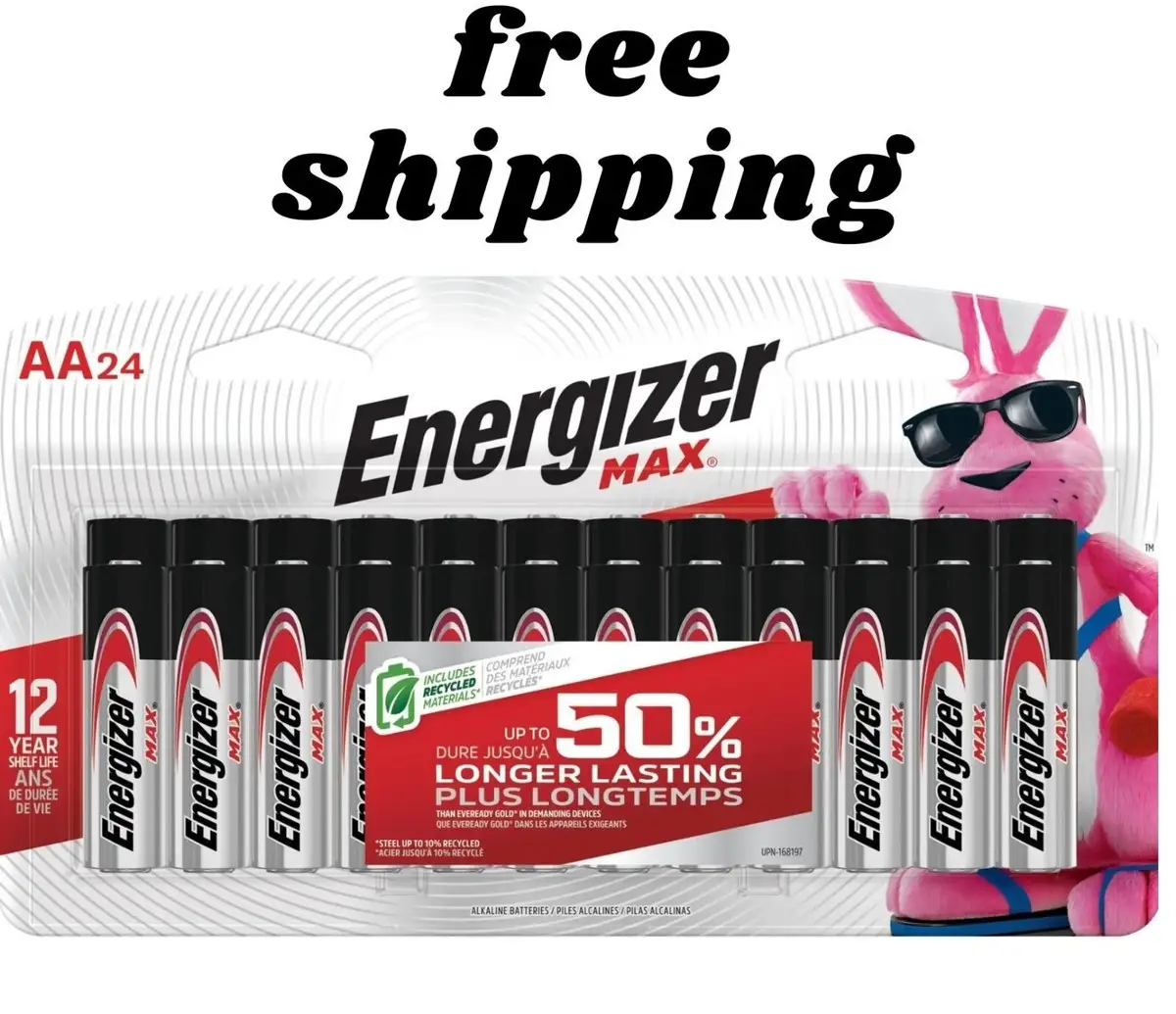
Energizer MAX AA Batteries (16 Pack) Review: Strong Buy
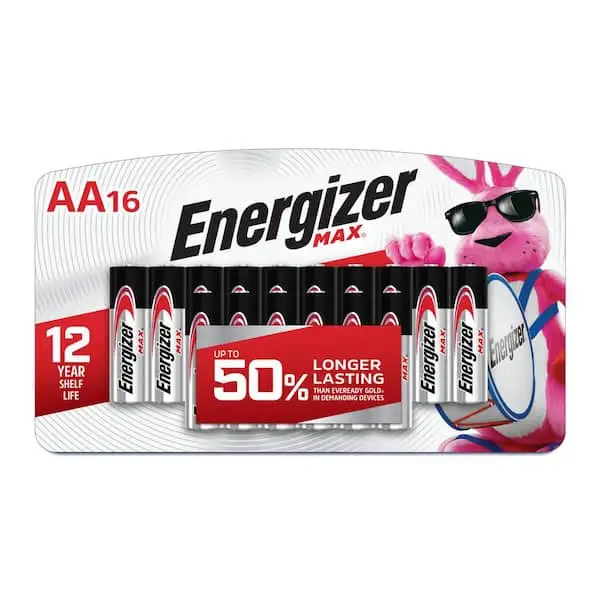
A single theme keeps surfacing across thousands of reviews: these AAs are bought for the boring stuff—and people still get unusually passionate about them. Energizer MAX AA Batteries (16 Pack) earns a verdict of “strong everyday buy” based on broad cross-platform praise for longevity and reliability, with recurring gripes aimed less at the batteries and more at how they sometimes arrive. Score: 8.8/10.
Quick Verdict
For most households: Yes. For mission-critical storage or high-drain use: Conditional (some lab-style testing suggests they’re stronger in low-drain than high-drain scenarios).
| What matters | What people liked | What people didn’t | Who it affects |
|---|---|---|---|
| Longevity in daily devices | “they exceeded my expectations… outstanding longevity” (Best Buy) | High-drain performance isn’t the standout in lab scoring (CHOICE) | Remotes, clocks, toys vs. camera flashes |
| Reliability | “always good and reliable” (Amazon) | Occasional “unsealed product” / “tampered with” packaging (Amazon) | Online shoppers |
| Value | “reasonable price compared to other brands” (Best Buy) | “very expensive, but worth it” (Amazon) | Budget buyers vs. “buy once” buyers |
| Leak concerns | “i like that fact that they don't leak” (Best Buy) | Mostly packaging complaints, not leakage incidents | People storing spares, device-protection focused |
| Convenience | “easy to pick up… shipped… convenient” (Best Buy) | Pack size/packaging variety can surprise | Bulk buyers |
Claims vs Reality
The marketing promise is straightforward: longer life, long storage life, and leak protection. The real-world feedback largely backs the core idea—especially in low-to-mid drain devices—but also exposes where expectations can get bent by shipping, pack presentation, and device type.
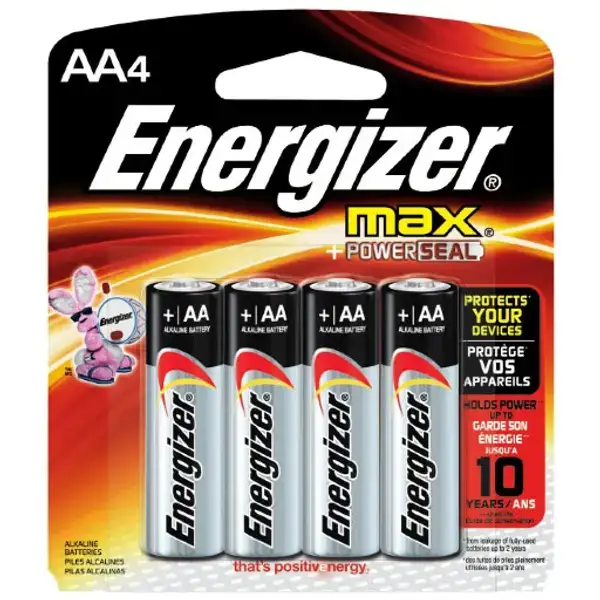
One headline claim is longer lasting power (“up to 50% longer lasting” versus basic alkaline in demanding devices). Digging deeper into user stories, that claim resonates most with people powering everyday electronics. A verified buyer on Amazon wrote: “they do last a long time and provide power as advertised,” explaining they were “pushed to purchasing these” for a battery-powered Nest smoke detector and felt the replacement lived up to expectations. On Best Buy, a reviewer named Humber Tom said: “outstanding longevity, providing reliable and long-lasting performance across a variety of devices,” emphasizing steady output “without any fluctuations or drops.”
A second claim is shelf life—Amazon lists “up to 10 years,” while Walgreens’ listing language mentions “up to 12 years in storage.” That’s where a small contradiction appears in the broader ecosystem: while official copy varies by retailer page, users tend to talk about this as “expiration date” confidence rather than exact years. Best Buy reviewer oled 4 ever praised a “lengthy expiration date,” and another reviewer (Humber Tom) called out “exceptional shelf life.” The feedback supports the idea that people see these as “safe to stash,” even if the exact number differs across listings.
Finally, leak protection is marketed heavily (leak resistant / protects devices from damaging leaks for up to two years after fully used). Users echo this benefit more as peace of mind than as documented “saved my device” incidents. One Best Buy reviewer said: “these batteries are built to last a long time ... i like that fact that they don't leak.” At the same time, the most repeated “integrity” complaints aren’t about leaking—they’re about packaging arriving in questionable condition, which can undermine trust in freshness: an Amazon reviewer wrote, “batteries arrived loose not in package. unsure if product has been used.”
Cross-Platform Consensus
Universally Praised
“Long-lasting” isn’t just a buzzword in these reviews—it’s the central reason people keep repurchasing. A recurring pattern emerged across Best Buy, Amazon, and Influenster: buyers use these AAs in the highest-churn household categories—kids’ toys, remotes, flashlights, wireless mice—then celebrate not having to think about batteries for a while. Best Buy reviewer cap tin turbo distilled it into a slogan: “these batteries will keep going and going and going.” For parents, that translates to fewer mid-play meltdowns. Best Buy reviewer khush boos said: “my son use toys almost everyday and still the battery is going good.”
For people maintaining lots of devices at once, bulk packs feel like a practical relief. Best Buy reviewer karenk wrote: “glad to find a large pack of batteries, the cost was a good one too for all you get.” Another Best Buy reviewer (one duck toe, on a 16-pack listing) framed the bulk benefit as preparedness: “have enough for the flashlights and the remote. it’s a big day.” Even when reviews get humorous, the underlying use case is serious: dependable spares for everyday electronics.
Consistency—power that doesn’t “fade weirdly”—is another repeated theme. Best Buy reviewer Humber Tom highlighted “consistent and dependable power output,” and TheGunZone’s long-form write-up emphasized stable performance in common devices. While that source reads more like an editorial review than a typical forum post, it still reflects a consumer narrative of routine use: “remote controls,” “wireless computer mouse,” “toys,” “flashlights,” “clocks,” and the claim that performance remained stable “until the batteries are depleted.” For users who hate intermittent device behavior (a flaky mouse, a dimming flashlight), this “predictable run-down” story is the real win.
A quieter but persistent compliment is brand trust. Some buyers treat Energizer as the default “safe” choice. Best Buy reviewer tsmith said: “i love this brand of batteries they last a long time!” Another Best Buy reviewer wrote: “energizer batteries are my preferred batteries to use. never have had an issue with performance,” specifically mentioning “kids oculus controllers and the xbox controllers.” For households with a mix of gadgets, that compatibility confidence matters.
Common Complaints
The most concrete complaints are about packaging integrity and how the order arrives—especially on Amazon. A verified buyer on Amazon said: “the package looked like it had been tampered with,” and another warned: “batteries arrived loose not in package. unsure if product has been used.” A different Amazon review described a messy delivery: “package was broken and the batteries were strewn all over the box, mixed with my other items.” These reports aren’t critiques of performance, but they do affect perceived authenticity and freshness—particularly for shoppers who buy batteries as emergency spares.
Price is the second recurring downside, and it’s more divisive than it looks at first glance. Some reviewers accept the premium as the cost of reliability; others resent it. An Amazon reviewer praised performance but added, “the only downside is that these are very expensive, but worth it.” On the Best Buy (Trustpilot-labeled section) listing, a user named superk 734 gave a blunt counterpoint: “priced too high… i wouldn’t buy again,” describing a mismatch between shelf price and register price. For bargain hunters, the frustration isn’t that Energizer charges more—it’s that buying batteries already feels like a “tax,” and unexpected price surprises make it worse.
A smaller—but notable—complaint category is packaging usability or “minor packaging concerns,” echoed in Best Buy’s summary text. That aligns with the broader theme: people care about batteries being easy to store, easy to open, and clearly organized. When packaging fails (arrives unsealed, looks tampered with), it becomes a trust issue, not just a convenience issue.
Divisive Features
The biggest split is device type: low-drain versus high-drain. Everyday buyers often talk as if these are “best at everything,” but lab-style results complicate that story. CHOICE’s testing gives the Energizer Max an overall score of 68%, with a much stronger “performance (low drain)” score (83%) than “performance (high drain)” (52%). While official marketing positions them as longer lasting in “demanding devices,” the data suggests the most consistent strength is in low-drain conditions like remotes—exactly where many consumers use them.
That doesn’t mean users find them “bad” in demanding gadgets; it means expectations should be set carefully. Best Buy reviewer sflex praised flashlight use: “strong light, long lasting… only lithium energy ones are a tiny bit stronger.” For gamers or flashlight users, the divisive point becomes comparison shopping: some will be satisfied; others will prefer lithium for peak high-drain performance.
Trust & Reliability
Digging deeper into trust signals, the pattern isn’t widespread reports of leakage or dead-on-arrival cells—it’s concern about order integrity and retail handling. Amazon reviewers flag “tampered” packaging and “unsealed” delivery, which can create anxiety for anyone buying batteries for smoke detectors, emergency flashlights, or long-term storage. The batteries may still perform well, but presentation problems inject doubt at the moment trust matters most.
Long-term reliability stories do show up more clearly in retail-review environments, where buyers describe not needing to repurchase often. On Best Buy’s 16-pack listing (6002515), audi forme said: “i don’t have to buy these very often. seem to last longer than other brands.” Another reviewer, huey, pointed to repeatable consistency: “we can always count on energizer batteries for consistent quality and great shelf life.” These aren’t dramatic “six months later” posts, but they’re the kind of steady, mundane validation batteries live or die by.
Alternatives
Only a few competitors are explicitly mentioned in the provided feedback, and those mentions are mostly comparison shorthand. Best Buy reviewer lally said: “i would recommend energizer just as good as dure cell,” positioning Duracell as the obvious alternative. Meanwhile, big snoop offered a stronger stance: “last longer than store brand, duracell and amazon batteries.”
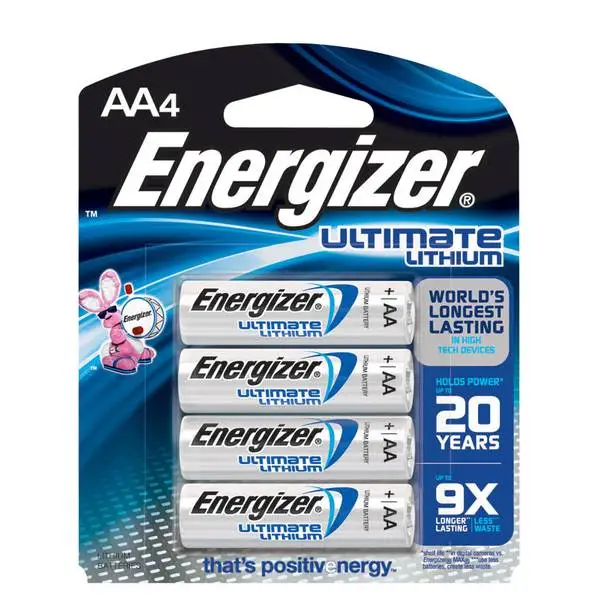
The most meaningful “alternative” in user language isn’t another alkaline brand—it’s switching chemistry. In flashlight use, sflex noted: “only lithium energy ones are a tiny bit stronger.” For high-drain devices (camera flashes, high-performance toys), CHOICE’s scoring framework also implies lithium may perform better, even if value math changes. So the alternative conversation becomes: alkaline MAX for everyday devices, lithium if you’re chasing peak performance in demanding gear.
Price & Value
Price perception depends heavily on where and when buyers purchase. Best Buy reviewers repeatedly tie satisfaction to deal timing—sd cult put it plainly: “energizer batteries are the best, better when on sale.” On Amazon, one reviewer accepted the premium: “very expensive, but worth it,” because the batteries were used in an “important” device category (IoT/smoke detector). Walgreens shows promotional pricing language (“sale price”), reinforcing that many shoppers treat these as a “buy on discount, stock up” item.
Resale and secondary-market pricing appears in eBay listings, where sellers offer 16-packs around the low-to-mid teens with notes like “packaging have some wear and tear.” That’s less a “collector” market and more a signal that batteries are commodity goods—buyers may trade pristine packaging for a lower per-cell cost.
Buying tips that emerge from community behavior are practical: bulk packs for households that churn through toys and controllers, and vigilance about packaging when ordering online. If you’re buying for emergency kits, the “lengthy expiration date” praise suggests many consumers look for clearly marked dates and intact retail packaging to feel confident storing them.
FAQ
Q: Do Energizer MAX AA (16 Pack) batteries really last a long time in everyday devices?
A: Yes, many reviewers describe long runtime in common low-to-mid drain use. Best Buy reviewer cap tin turbo said: “they keep going,” and an Amazon reviewer wrote: “they do last a long time and provide power as advertised,” citing use in a Nest smoke detector replacement scenario.
Q: Are there complaints about leakage?
A: Direct leakage complaints are rare in the provided feedback, but leak resistance is praised as peace of mind. One Best Buy reviewer said: “i like that fact that they don't leak.” More common concerns are about packaging condition on arrival, like “unsealed product” or “tampered with.”
Q: Are these good for high-drain devices like flashes or demanding toys?
A: They’re used successfully in toys, controllers, and flashlights, but performance can vary by device. CHOICE testing shows much stronger low-drain results than high-drain (“performance (low drain) 83%” vs “performance (high drain) 52%”). Some users still report satisfaction in flashlights and controllers.
Q: Why do some buyers say they’re expensive?
A: The premium price comes up repeatedly, even among satisfied customers. One Amazon reviewer called them “very expensive, but worth it,” while a Best Buy reviewer (superk 734) complained: “priced too high… i wouldn’t buy again,” after a price mismatch experience.
Q: What should I watch for when ordering online?
A: Packaging integrity is the biggest red flag in user feedback. Amazon buyers reported “package looked like it had been tampered with” and “batteries arrived loose not in package.” If you’re stocking for long-term storage, intact packaging and clear expiration markings matter to many reviewers.
Final Verdict
Buy if you’re the kind of household that wants a reliable AA stash for remotes, clocks, toys, flashlights, and controllers—and you value not thinking about batteries again for a while. Avoid if you’re extremely price-sensitive or you’re specifically optimizing for high-drain performance where lithium alternatives may feel stronger. Pro tip from the community: wait for discounts—sd cult’s takeaway was simple: “better when on sale.”