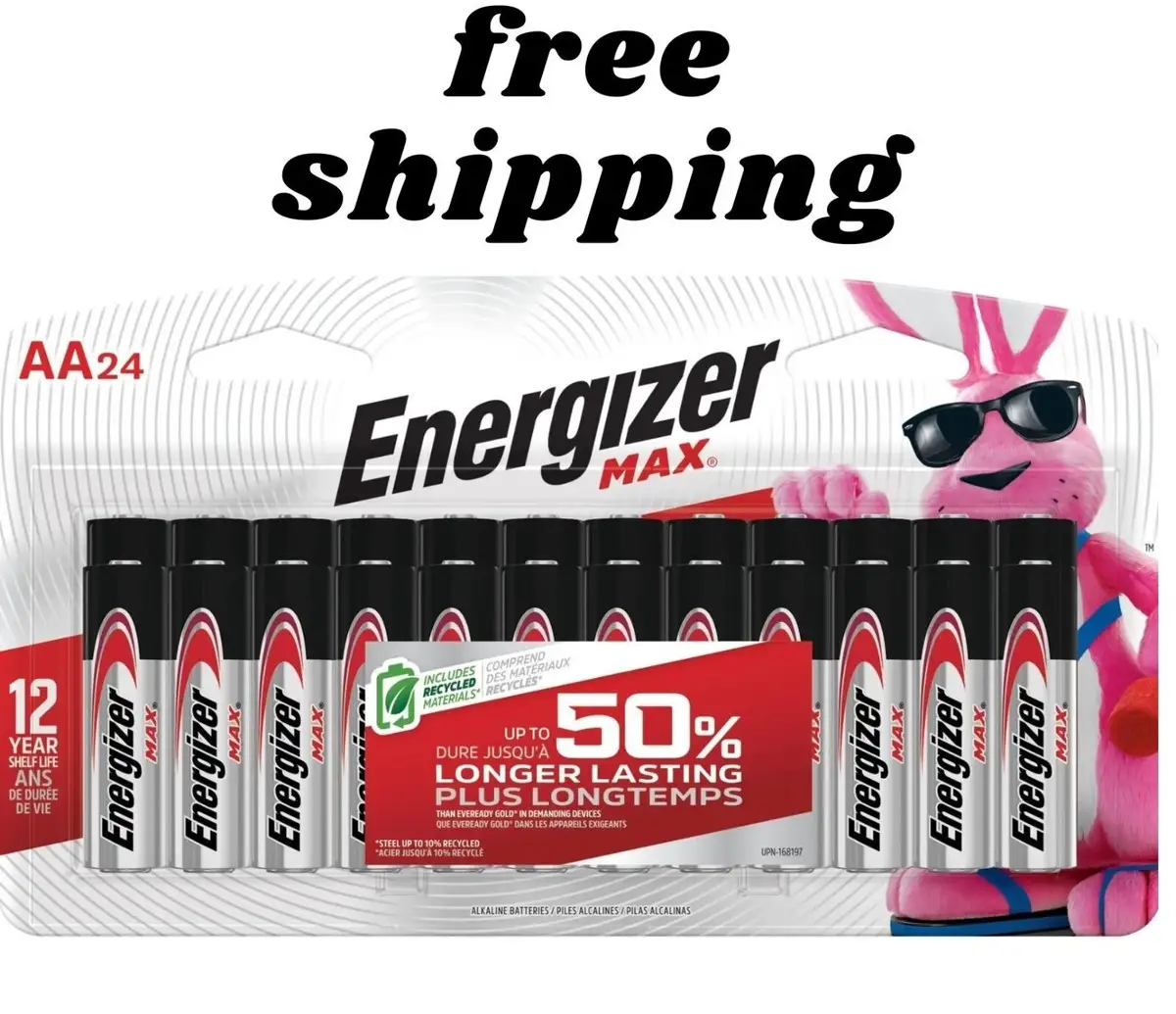
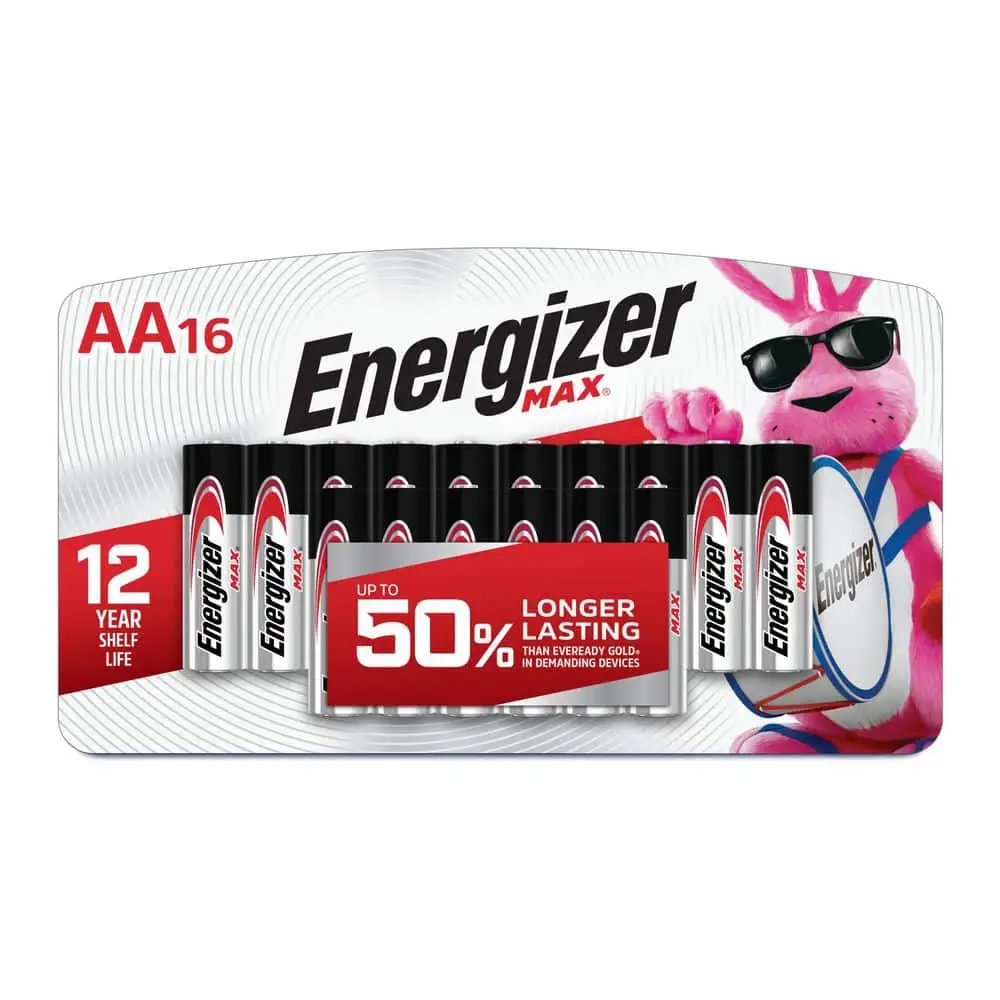
Energizer MAX AA Batteries (16 Pack) Review: 8.7/10
“One of the only downsides is that these are very expensive, but worth it.” That single Amazon review captures the dominant tension around Energizer MAX AA Batteries (16 Pack): people keep buying them for reliability, yet still wince at the price. Verdict: 8.7/10.
Digging deeper into user reports across Amazon, Best Buy, Influenster, and an independent review site, a recurring pattern emerged: buyers reach for these AAs when they want fewer surprises—remotes that stop chirping, controllers that don’t die mid-session, and flashlights that stay ready in a drawer. A Best Buy reviewer framed it simply as “a dependable and long-lasting power solution,” praising “consistent and dependable power output… without any fluctuations.”
At the same time, a quieter thread runs through multiple platforms: packaging and fulfillment issues. Some users weren’t unhappy with the batteries—they were unhappy with how they arrived. An Amazon reviewer complained the “package looked like it had been tampered with,” while another said “batteries arrived loose not in package,” creating doubts about condition even when performance is fine.
What’s striking is how often people describe these as their “go to” batteries for everyday electronics, while also calling out specific use cases like “kids Oculus controllers” and “Xbox controllers.” A Best Buy customer wrote: “never have had an issue with performance and they last a long time in the kids oculus controllers and the xbox controllers,” a kind of real-world stress test for any AA brand.
Quick Verdict
Yes (Conditional) — If you prioritize long-lasting AA performance for common devices (remotes, flashlights, toys, controllers), users overwhelmingly say these deliver. It’s conditional because multiple reports focus on pricing frustration and occasional packaging/arrival problems.
| What users highlight | Evidence from user feedback | Pros/Cons |
|---|---|---|
| Battery life in everyday devices | Best Buy user “cap tin turbo” said: “these batteries will keep going and going and going.” | Pro |
| Reliability across many devices | Best Buy user “coolv” said: “as good as advertised and long lasting.” | Pro |
| Perceived quality vs store brands | Best Buy user “big snoop” said: “last longer than store brand, duracell and amazon batteries.” | Pro |
| Price complaints | Best Buy user “superk 734” said: “priced too high.” | Con |
| Packaging/fulfillment issues | An Amazon reviewer noted: “package looked like it had been tampered with.” | Con |
| Trust in brand name | Influenster user “gabriel l.” said the brand “has much respect.” | Pro |
Claims vs Reality
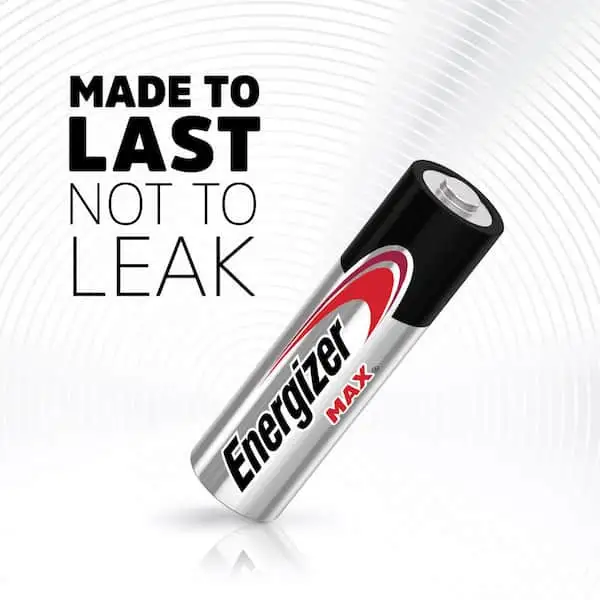
The marketing pitch leans heavily on longevity and leak protection. On Amazon, Energizer MAX AA Batteries (16 Pack) is described as providing power “for up to 10 years in storage,” and the broader Energizer MAX line is positioned around protecting devices from leaks. That’s the promise: dependable energy when you need it, without nasty surprises in the battery compartment.
On the “do they last?” claim, user stories largely line up—especially for low-to-medium drain scenarios. A Best Buy reviewer described using them widely and returning for more: “great quality batteries that are long lasting,” while another summed up the day-to-day value: “my favorite kind of batteries… they last so long.” An Amazon reviewer tied longevity to a critical device, writing: “they do last a long time and provide power as advertised,” after replacing batteries in a Nest smoke detector.
But the “ready when you need them” claim runs into a different reality in shopping experiences: packaging integrity and fulfillment. One Amazon reviewer said, “batteries arrived loose not in package. unsure if product has been used,” and another wrote that the “package looked like it had been tampered with.” Those reports don’t contradict the battery’s performance—but they do create a trust gap at the moment of unboxing, especially for users stocking up for emergencies or safety devices.
Leak protection is also where the feedback becomes more indirect. A Best Buy reviewer celebrated: “i like that fact that they don't leak,” and TheGunZone’s review claimed: “I’ve never experienced any leaking or corrosion issues.” Still, most cross-platform comments focus on longevity and reliability more than actual leak incidents—meaning the claim isn’t widely “tested” in user anecdotes so much as accepted as part of the brand expectation.
Cross-Platform Consensus
Universally Praised
A recurring pattern emerged around long-lasting power in ordinary household devices—the kind that quietly fail at the worst times. For people maintaining remotes, clocks, or flashlights, “long lasting” isn’t an abstract metric; it’s fewer interruptions and fewer emergency store runs. Best Buy user “coolv” said they bought them for flashlights and found them “as good as advertised and long lasting,” while Best Buy user “cap tin turbo” emphasized endurance: “these batteries will keep going and going and going.”
For parents and high-usage households, the story shifts from convenience to survival. Best Buy user “moab 461” described a home where batteries vanish fast: “i have two kids under 10 that blow through batteries. these hold up to their demand.” That kind of comment shows why people pay extra: fewer mid-toy meltdowns and fewer dead batteries in the drawer when something must work.
Gamers and gadget-heavy users also appear repeatedly in user stories. A Best Buy reviewer wrote that Energizer is their preference and highlighted “the kids oculus controllers and the xbox controllers,” saying they “last a long time.” TheGunZone’s reviewer echoed device diversity—remote controls, wireless mouse, toys, flashlights, clocks, and “portable gaming controllers”—and emphasized “reliable, consistent power” without “significant fluctuations… as the batteries aged.”
Then there’s the simple brand-trust effect: people buy them because they don’t want to think about batteries. Influenster user “gabriel l.” said the battery “will last forever,” and a Best Buy reviewer shrugged off the analysis entirely: “i mean it’s energizer batteries the name speaks for itself.” Even when that’s more vibe than data, it’s consistent across platforms: many buyers view MAX as the safe choice.
After those narratives, users most often summarize the “why” in blunt phrases:
- “dependable and long-lasting” (Best Buy user “humber tom”)
- “always reliable and long lasting” (Best Buy user “coolv”)
- “great shelf life” (Best Buy user “huey”)
Common Complaints
Price is the clearest, most consistent pain point—especially for buyers who go through a lot of AAs. An Amazon reviewer who otherwise loved the performance wrote: “the only downside is that these are very expensive, but worth it.” Best Buy user “superk 734” put it more sharply: “priced too high,” explaining they felt the shelf price didn’t match what rang up at checkout and concluding: “i wouldn’t buy again.”
Packaging and fulfillment issues come up often enough to feel like a real theme, not a one-off. For users who stock batteries for important devices—smoke detectors, emergency flashlights, business needs—trust starts at the seal. An Amazon reviewer complained: “package looked like it had been tampered with.” Another reported: “batteries arrived loose not in package,” which led directly to suspicion: “unsure if product has been used.” Even a more forgiving Amazon buyer said the “package was broken and the batteries were strewn all over the box,” though they added that otherwise “they’re the batteries i always buy.”
There’s also a practical, less dramatic complaint found in TheGunZone write-up: the batteries are “non-rechargeable,” and they explicitly call out the “environmental impact” and long-term “cost.” That matters most for heavy users—families burning through packs, small businesses, or anyone powering high-drain devices daily—who might prefer rechargeables but still choose MAX for convenience or reliability.
Common issues, as users frame them:
- Price shocks and “priced too high” moments (Best Buy)
- “Tampered” or unsealed packaging concerns (Amazon)
- The inherent downside of “non-rechargeable” single-use batteries (TheGunZone)
Divisive Features
Value perception is split, and it depends on how you define “worth it.” Some buyers argue that paying more is rational because of fewer swaps and fewer failures. Best Buy user “first choice” wrote: “they last so long and the price is a great deal,” while another Best Buy reviewer said: “better to pay a tiny bit more for more battery life.” This group frames cost as insurance.
Others view the same pricing as unacceptable, especially when the purchase experience is frustrating. Best Buy user “superk 734” described a mismatch between rack price and register price and ended with: “i wouldn’t buy again.” That’s not a performance complaint—it’s a trust/value complaint, and it can outweigh the benefits for budget-focused buyers or anyone expecting predictable pricing.
Trust & Reliability
Trust issues don’t center on counterfeits in the provided data as much as “what did I actually receive?” concerns tied to packaging. When an Amazon reviewer says “batteries arrived loose not in package,” the worry isn’t just mess—it’s whether the product is new. Another Amazon buyer noted the “package looked like it had been tampered with,” which can be especially unsettling if these are destined for a smoke detector or emergency kit.
Long-term reliability stories, on the other hand, are plentiful on retail platforms. Best Buy user “audi forme” wrote: “i don’t have to buy these very often. seem to last longer than other brands,” and Best Buy user “huey” praised “consistent quality and great shelf life.” TheGunZone’s reviewer also anchored their confidence in repeated purchasing “over the years,” saying they “never had to worry about them suddenly giving up on me.”
Alternatives
Two competitors are explicitly mentioned by users: Duracell and Amazon-branded batteries (plus generic/store brands). That gives a narrow but useful comparison based on real buyer perceptions rather than spec sheets.
On Best Buy, user “big snoop” claimed Energizer MAX AA Batteries (16 Pack) “last longer than store brand, duracell and amazon batteries.” Another Best Buy reviewer similarly framed it as superior to “generic brands,” saying “they are of good quality and last longer than generic brands.” Still, not everyone treats the gap as huge: Best Buy user “lally” said, “i would recommend energizer just as good as dure cell,” suggesting parity for some shoppers.
The takeaway from the anecdotes: if you’re deciding between Energizer MAX vs store brand, multiple users report a noticeable longevity edge for MAX. If you’re deciding between Energizer MAX vs Duracell, the data includes both “last longer than duracell” and “just as good,” implying the difference may depend on device, batch, or personal expectations.
Price & Value
Current pricing varies by retailer in the provided data: Best Buy listings show around $19.49–$19.99 for certain pack sizes, and Amazon pricing for an Energizer MAX AAA listing appears separately; eBay shows the 16-pack around $11.99–$13.20 in listings described as new. CHOICE (lab testing) lists a price basis of $0.83 per AA in their context and assigns an “expert rating” of 68%, which may influence value-driven shoppers who want test-bench validation rather than retail-star averages.
User buying behavior suggests many people treat these as “stock-up” items when the deal is right. Best Buy user “sd cult” wrote: “energizer batteries are the best, better when on sale,” and another reviewer framed the math as worthwhile: “better to pay a tiny bit more for more battery life.” But pricing misalignment can instantly flip the script, as Best Buy user “superk 734” described seeing one price “on the rack” and another at the register.
Community-style buying tips embedded in reviews tend to be practical rather than strategic:
- Buy larger packs for households that “blow through batteries” (Best Buy user “moab 461”)
- Watch for sales because the brand premium is real (Best Buy user “sd cult”)
- Consider them for “important” devices even if “very expensive” (Amazon review referencing a Nest smoke detector)
FAQ
Q: Do Energizer MAX AA batteries actually last a long time in real devices?
A: Yes—many buyers specifically praise longevity in remotes, flashlights, toys, and controllers. Best Buy user “cap tin turbo” said: “these batteries will keep going and going and going,” and an Amazon reviewer wrote: “they do last a long time and provide power as advertised.”
Q: Are there packaging or tampering issues reported?
A: Some shoppers report packaging problems. One Amazon reviewer noted: “the package looked like it had been tampered with,” and another said: “batteries arrived loose not in package… unsure if product has been used.” These complaints focus on delivery condition, not battery performance.
Q: Are these better than Duracell or Amazon/store brands?
A: Many users believe so, but opinions vary. Best Buy user “big snoop” claimed they “last longer than store brand, duracell and amazon batteries,” while Best Buy user “lally” said Energizer is “just as good as dure cell.” Multiple comments consistently place them above generic/store brands.
Q: What devices do people commonly use them in?
A: Reviews mention remotes, kids’ toys, flashlights, wireless mice, and game controllers. Best Buy users reference “tv remote control,” “flash lights,” and “xbox controllers,” and TheGunZone reviewer lists everything from “clocks” to “portable gaming controllers.”
Q: Are they worth the higher price?
A: For many buyers, yes—especially when reliability matters. An Amazon reviewer called them “very expensive, but worth it.” Others disagree: Best Buy user “superk 734” said: “priced too high” and ended with “i wouldn’t buy again,” showing value depends on budget and purchase experience.
Final Verdict
Buy if you’re a high-usage household (kids’ toys, controllers) or you want a dependable AA stash for remotes and flashlights—Best Buy user “moab 461” said: “these hold up to their demand,” and Best Buy user “coolv” called them “as good as advertised and long lasting.”
Avoid if you’re extremely price-sensitive or you’ve had bad experiences with damaged or unsealed packaging—an Amazon reviewer warned: “batteries arrived loose not in package… unsure if product has been used,” and Best Buy user “superk 734” said: “priced too high.”
Pro tip from the community: wait for sales if you’re stocking up—Best Buy user “sd cult” summed it up: “better when on sale.”