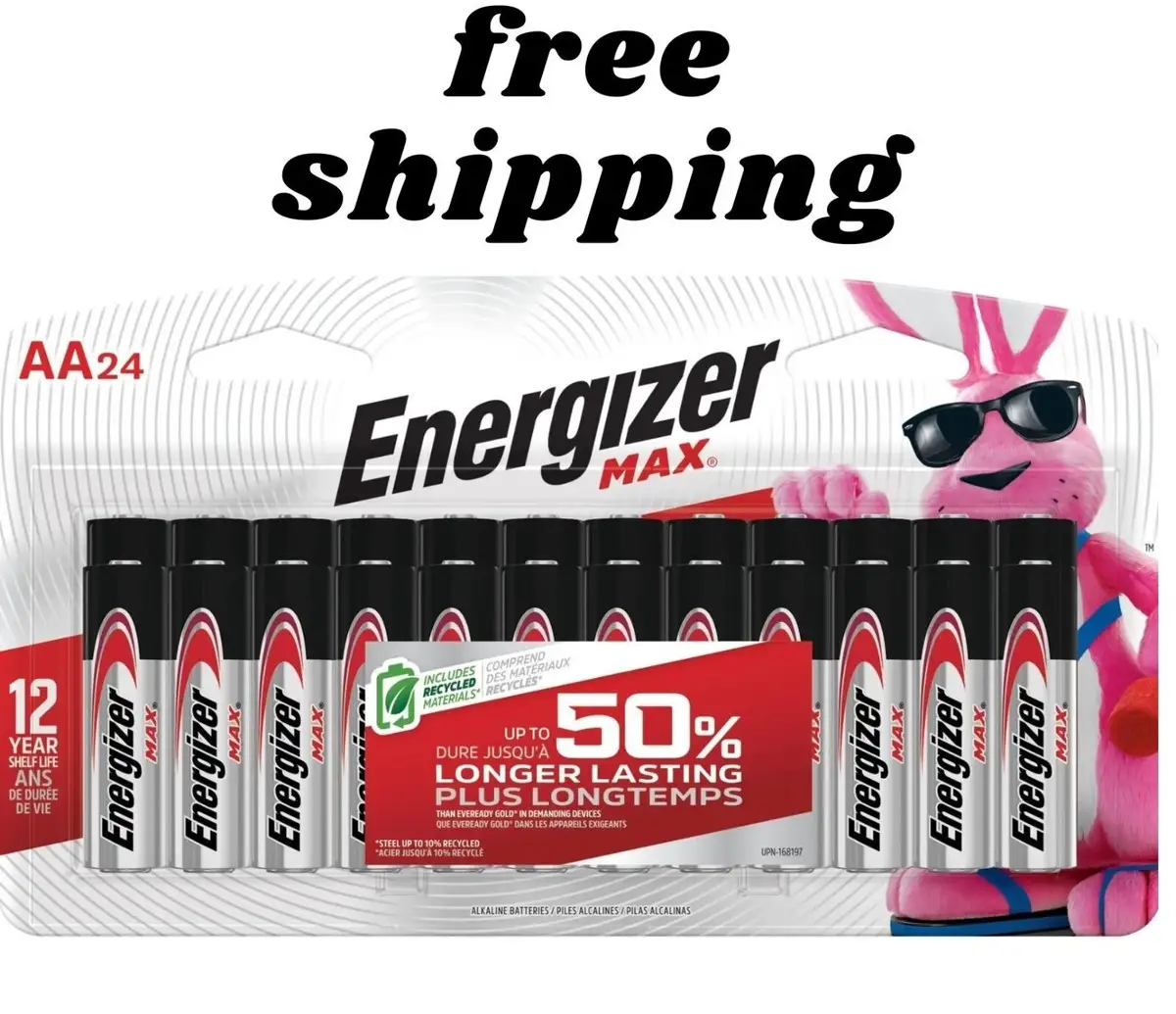
Energizer MAX AA Batteries (16 Pack) Review: 8.6/10
“Better than store brand, duracell and amazon batteries.” That single Best Buy line captures the tone across thousands of comments about Energizer MAX AA Batteries (16 Pack)—dependable, familiar, and mostly bought because people don’t want surprises. Verdict: 8.6/10.
Quick Verdict
A recurring pattern emerged: people buy Energizer MAX AA Batteries (16 Pack) when they need straightforward power for remotes, toys, flashlights, and everyday electronics—and they keep buying when the batteries “keep going and going and going.”
| Verdict | Best for | Biggest strength | Biggest downside | Evidence |
|---|---|---|---|---|
| Yes (for everyday use) | Remotes, toys, flashlights, clocks | Long-lasting in typical devices | Price can feel high | Best Buy + Amazon reviews |
| Conditional | High-drain gear | Reliable but not top performer | High-drain performance is weaker | CHOICE lab results |
| Yes | Stocking up | Good shelf life/expiry comfort | Packaging/shipping annoyances | Best Buy + Amazon reviews |
Pros (from user feedback)
- Reddit-style household use story echoed by a reviewer who said they used them in “remote controls… wireless computer mouse… toys… flashlights… clocks… portable gaming controllers.” (TheGunZone)
- Best Buy user Big Snoop said: “last longer than store brand, duracell and amazon batteries.”
- Best Buy user Cap Tin Turbo said: “these batteries will keep going and going and going.”
Cons (from user feedback)
- Best Buy user Superk 734 complained: “priced too high… i wouldn’t buy again.”
- An Amazon reviewer criticized shipping/packing: “inside a way too large cardboard box.”
- CHOICE’s lab scoring suggests they’re notably stronger in low-drain than high-drain use (CHOICE: 83% low-drain performance vs 52% high-drain performance).
Claims vs Reality
Digging deeper into the marketing claims around Energizer MAX AA Batteries (16 Pack), the biggest story isn’t that the brand is unknown—it’s that shoppers treat “Max” as a promise: decent runtime, minimal fuss, and fewer emergency battery runs. But across sources, the “reality” depends heavily on whether the device is low-drain (TV remote, clock) or high-drain (camera flash, high-performance toys).
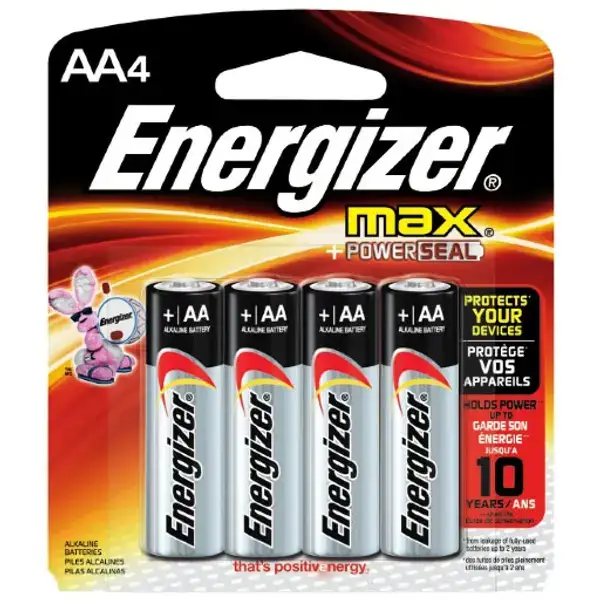
Claim 1: “Up to 50% longer lasting… in demanding devices.”
In everyday retail reviews, people often describe outlasting generics and even other name brands. Best Buy user Stingray said: “they are of good quality and last longer than generic brands,” while Best Buy user Audi Forme added: “seem to last longer than other brands.” For parents dealing with constant toy swaps, Best Buy user Moab 461 framed it as stamina under chaos: “i have two kids under 10 that blow through batteries. these hold up to their demand.”
But lab-style testing complicates the “demanding devices” narrative. CHOICE scored Energizer Max at 52% for high-drain performance and 58% for high-drain endurance, compared with 83% low-drain performance and 91% low-drain endurance. While that’s not the same as a “bad battery,” it suggests the headline advantage is more consistent in low-drain scenarios than the boldest claim implies.
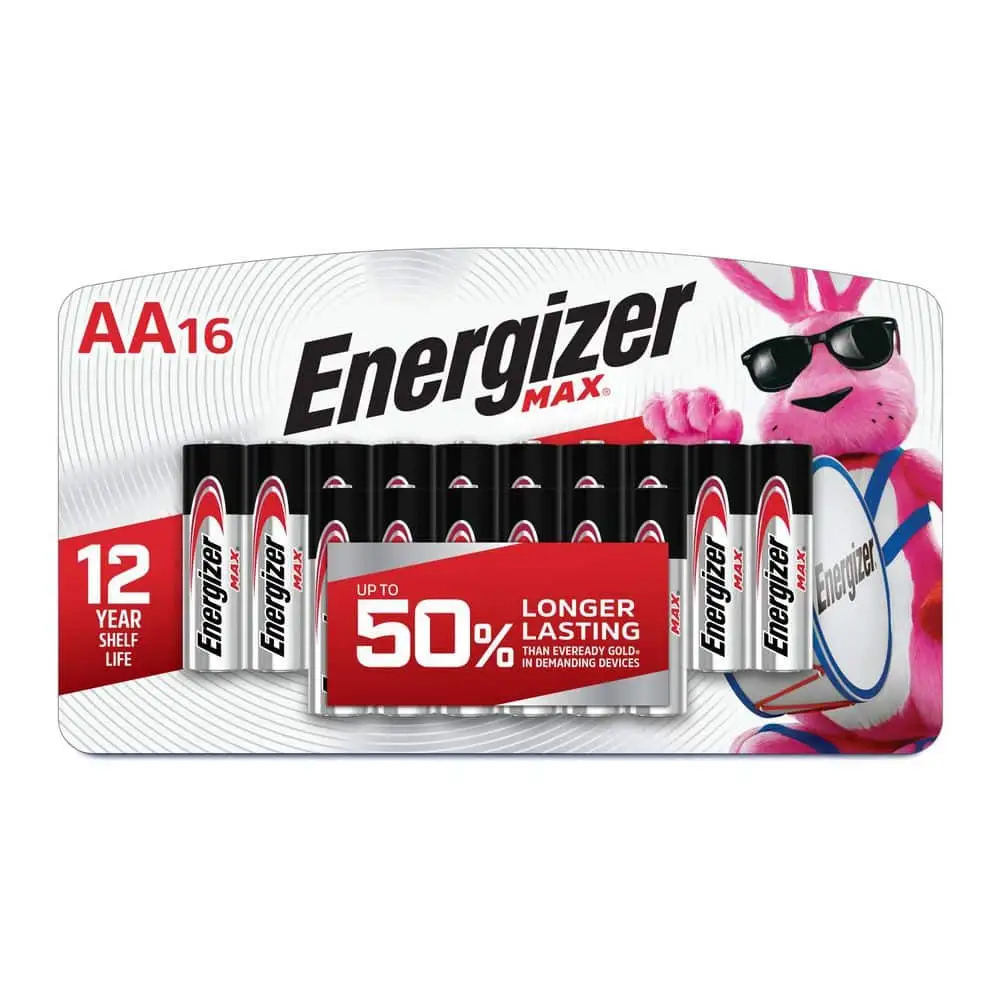
Claim 2: “Holds power for up to 10 years in storage.”
This message lands with buyers who want peace of mind. Best Buy user Huey said: “we can always count on energizer batteries for consistent quality and great shelf life.” Another Best Buy reviewer, Oled 4 Ever, pointed to the same comfort: “lengthy expiration date.” The idea isn’t just longevity—it’s having batteries that still work when the smoke alarm chirps or the flashlight is suddenly needed.
Still, “shelf life” doesn’t erase packaging frustrations. An Amazon reviewer praised the compact internal pack but disliked fulfillment: “nice compact package (inside a way too large cardboard box).” In other words, the stored product feels stable; the shopping experience can be less tidy.
Claim 3: Leak protection (noted on Amazon/Walgreens): “protect… against damaging leaks… up to two years after fully used.”
User narratives here tend to be indirect: people talk about trust and repeat purchasing rather than many explicit leak incidents. TheGunZone’s reviewer said: “i’ve never experienced any leaking or corrosion issues,” positioning leak-resistance as a quiet expectation rather than a celebrated feature. The absence of lots of dramatic leak complaints in the provided reviews supports that, but it’s more “no news is good news” than a flood of detailed leak-proof stories.
Cross-Platform Consensus
A recurring pattern emerged across Best Buy, Amazon, and long-form community-style writeups: Energizer MAX AA Batteries (16 Pack) are treated like a household utility. People aren’t chasing exotic performance—they’re chasing predictability, especially in “remote batteries,” “clock batteries,” kids’ toys, and flashlights.
Universally Praised
The most consistent praise is longevity in everyday devices. Best Buy user Panther 43 kept it blunt: “good battery i always buy this brand and it last longer than any other brand.” For families and busy households, that “last longer” claim becomes a time-saver. Best Buy user Moab 461 described a real use case—kids consuming batteries quickly—then concluded: “energizer all the way.” That’s less about chemistry and more about reducing the constant cycle of replacements.
Another widely shared theme is dependable performance without drama. Best Buy user Usafrdoc said: “they well and do exactly what it’s supposed to do. no issues.” That kind of comment shows up when people want batteries to be invisible—devices work, nobody thinks about it. Best Buy user Coolv tied it to emergency-readiness: “purchased these batteries for my flash lights… long lasting.” In theGunZone’s long-form account, the same dependability is framed as steady voltage and consistency: “reliable, consistent power across all these applications.”
Shelf life and “stocking up” also appear repeatedly. Best Buy user Huey said: “great shelf life,” and Best Buy user One Duck Toe celebrated the bulk practicality: “went all out and got the 16 pack… have enough for the flashlights and the remote.” This is a specific kind of buyer: someone building a drawer stash for random household needs rather than optimizing for a single device.
Quick summary (praised most often)
- Longevity vs generics: “last longer than generic brands” (Best Buy user Stingray)
- Dependability: “no issues” (Best Buy user Usafrdoc)
- Bulk convenience: “glad to find a large pack” (Best Buy user KarenK)
Common Complaints
Price sensitivity is the loudest negative note in the provided data. Best Buy user Superk 734 didn’t criticize performance; they criticized value shock: “priced too high… on the rack the price said one thing and when i got to register it was more… i wouldn’t buy again.” That kind of complaint matters most to frequent battery buyers—parents, workplaces, anyone feeding multiple devices—because the cumulative cost becomes the story.
Packaging and fulfillment complaints exist, but they’re more “minor annoyances” than dealbreakers. One Amazon reviewer described a mismatch between the product’s compactness and the shipping box size: “nice compact package (inside a way too large cardboard box).” Another Amazon review mentioned how items were handled in shipping: “they were in the same box without any packing.” These comments don’t say the batteries are bad; they say the buying experience can feel wasteful or careless.
There’s also an implied limitation for high-drain usage when compared with lab data. While plenty of people use them in toys and flashlights successfully, CHOICE’s lower high-drain scores suggest shoppers with high-drain devices may not see the same advantage they expect from “Max.” This is the clearest “claims vs reality” tension: while marketed as strong in demanding devices, independent lab scoring shows a much bigger strength in low-drain conditions (CHOICE).
Quick summary (complaints most often)
- Price disputes: “priced too high… i wouldn’t buy again” (Best Buy user Superk 734)
- Shipping/packaging: “way too large cardboard box” (Amazon reviewer)
- High-drain expectations: CHOICE shows weaker high-drain scores than low-drain scores (CHOICE)
Divisive Features
Brand comparisons are where opinions split—especially versus Duracell and store brands. Some buyers frame Energizer as superior. Best Buy user Big Snoop said: “last longer than store brand, duracell and amazon batteries.” Others see it as roughly equivalent to competitors. Best Buy user Lally said: “i would recommend energizer just as good as dure cell.” The implication: if you’re brand-agnostic, you might buy based on sale price; if you’ve had a bad run with generics, you stick with Energizer.
Another divisive point is what “value” means. Some see it as cost-effective over time. Best Buy user Green Girl argued: “energizers always last and are cost efficient over time.” Others, like Superk 734, experienced sticker shock and felt burned at checkout. The same product can be “good value” or “too expensive” depending on local pricing, promos, and how urgently the buyer needed batteries that day.
Trust & Reliability
Trust, in this dataset, is less about fraud warnings and more about repeat-purchase confidence. A recurring pattern emerged: people talk about Energizer MAX AA Batteries (16 Pack) as a known quantity. Best Buy user Huey said: “we can always count on energizer batteries for consistent quality,” and Best Buy user Tsmith echoed: “i love this brand of batteries they last a long time!” This is reliability framed as habit: buy the brand, stop thinking about it.
On “scam concerns,” the provided Trustpilot bucket doesn’t contain separate Trustpilot-native patterns; it mirrors Best Buy review content. So the clearest reliability signals come from long-term ownership notes in retail reviews. Best Buy user Big Snoop referenced extended ownership: “owned for more than 2 years when reviewed,” then still claimed they “last longer than store brand.” That kind of time horizon is what shoppers lean on when stocking up for household drawers or workplace supply closets.
The most detailed durability story comes from theGunZone-style community writeup, which claims: “i’ve never experienced any leaking or corrosion issues,” and describes the casing as “robust and seems well-sealed.” While that’s one source, it aligns with the broader theme: fewer surprises, fewer failures that become memorable.
Alternatives
Only a few competitors are explicitly mentioned in the provided data, and the comparisons are blunt rather than technical. The alternatives that appear by name are Duracell, store brand/generic, Amazon batteries, and—within a separate Amazon “trending” excerpt about rechargeables—Eneloop (but that excerpt discusses rechargeable AA, not the alkaline Max pack).
For shoppers deciding between Energizer MAX AA Batteries (16 Pack) and generics, the “alternative” is often framed as a false economy. Best Buy user Stingray said Energizer “last longer than generic brands,” and Best Buy user Big Snoop extended that to include “amazon batteries.” For cost-focused buyers who don’t want to gamble, those comments push Energizer as the safer pick.
Against Duracell, the story is split. Best Buy user Big Snoop claimed Energizer lasts longer, while Best Buy user Lally said it’s “just as good as dure cell.” If you’re choosing between the two, the dataset suggests many shoppers simply chase whichever reputable brand is cheaper that week—unless they feel they’ve seen a real longevity difference.
For buyers open to rechargeables, Eneloop appears as a suggested alternative in the Amazon “trending” excerpt—but those comments describe self-discharge behavior and are not about Energizer Max alkaline. Still, it signals a real decision path: high-usage households sometimes shift from single-use alkaline to rechargeables when cost and waste become the dominant pain points.
Price & Value
Price stories show up in two ways: retail sticker price and resale/market listings. Best Buy’s 16-pack listing appears at $13.99 for one model page, while another Best Buy Energizer Max AA page shows $19.99 (different SKU/page context). Walgreens lists a 16-pack at $17.99 sale (from $22.99). On eBay, listings cluster around $11.80–$15.99 plus shipping, with sellers highlighting “10 year shelf life” and expiration dates like “2032.”
Digging deeper into user reports, “value” depends on whether the buyer feels the runtime reduces repurchase frequency. Best Buy user Audi Forme said: “i don’t have to buy these very often,” which is the clearest consumer definition of value for disposables. Best Buy user Green Girl framed the same idea: “cost efficient over time.” For these buyers, a higher upfront price is tolerated because it buys fewer battery runs.
But value can collapse if the price feels inconsistent or inflated at checkout. Best Buy user Superk 734 described a register surprise: “on the rack the price said one thing and when i got to register it was more… i wouldn’t buy again.” That’s a different kind of “value” story—less about battery performance, more about retail trust and timing.
Buying tips (from the way people talk)
- If you burn through batteries in toys and controllers, bulk packs are favored: “went all out and got the 16 pack” (Best Buy user One Duck Toe).
- If price is your pain point, wait for promos: multiple listings show sales and varied pricing across retailers (Walgreens/Best Buy data).
- If you mostly power low-drain devices, the strongest performance alignment is there (CHOICE low-drain scores).
FAQ
Q: Do these last longer than generic or store brand AA batteries?
A: Many buyers say yes. Best Buy user Stingray wrote: “they are of good quality and last longer than generic brands,” and Best Buy user Big Snoop said they last longer than “store brand, duracell and amazon batteries.” Most stories reference remotes, toys, and flashlights.
Q: Are they good for high-drain devices like camera flashes or performance toys?
A: They’re used in demanding devices, but independent testing suggests a bigger strength in low-drain. CHOICE scored Energizer Max much higher in low-drain performance (83%) than high-drain performance (52%). Some households still use them in toys and flashlights with satisfaction.
Q: Is the 16-pack a good value for households with lots of devices?
A: For frequent users, the value argument is fewer repurchases. Best Buy user Audi Forme said: “i don’t have to buy these very often,” and Moab 461 described kids who “blow through batteries” and said these “hold up to their demand.” Price sensitivity still shows up for some buyers.
Q: Do people complain about packaging or shipping damage?
A: Some do, but it’s not the dominant theme. An Amazon reviewer mentioned a “nice compact package (inside a way too large cardboard box),” and another criticized minimal packing in the box. The complaints focus on fulfillment waste/handling rather than batteries arriving unusable.
Q: Do they leak or corrode in devices?
A: In the provided feedback, explicit leak complaints are rare. A long-form reviewer on TheGunZone said: “i’ve never experienced any leaking or corrosion issues.” Marketing claims also emphasize leak protection, and user discussions more often highlight trust and “no issues” over time.
Final Verdict
Buy Energizer MAX AA Batteries (16 Pack) if you’re a busy household powering remotes, kids’ toys, flashlights, and clocks and you want predictable runtime—Best Buy user Cap Tin Turbo’s summary is the vibe: “these batteries will keep going and going and going.”
Avoid if you’re price-sensitive and shopping without a promo, especially if you’ve been burned by checkout surprises—Best Buy user Superk 734 said: “priced too high… i wouldn’t buy again.”
Pro tip from the community: if your house “blow[s] through batteries,” go bulk—Best Buy user Moab 461 said: “these hold up to their demand.”