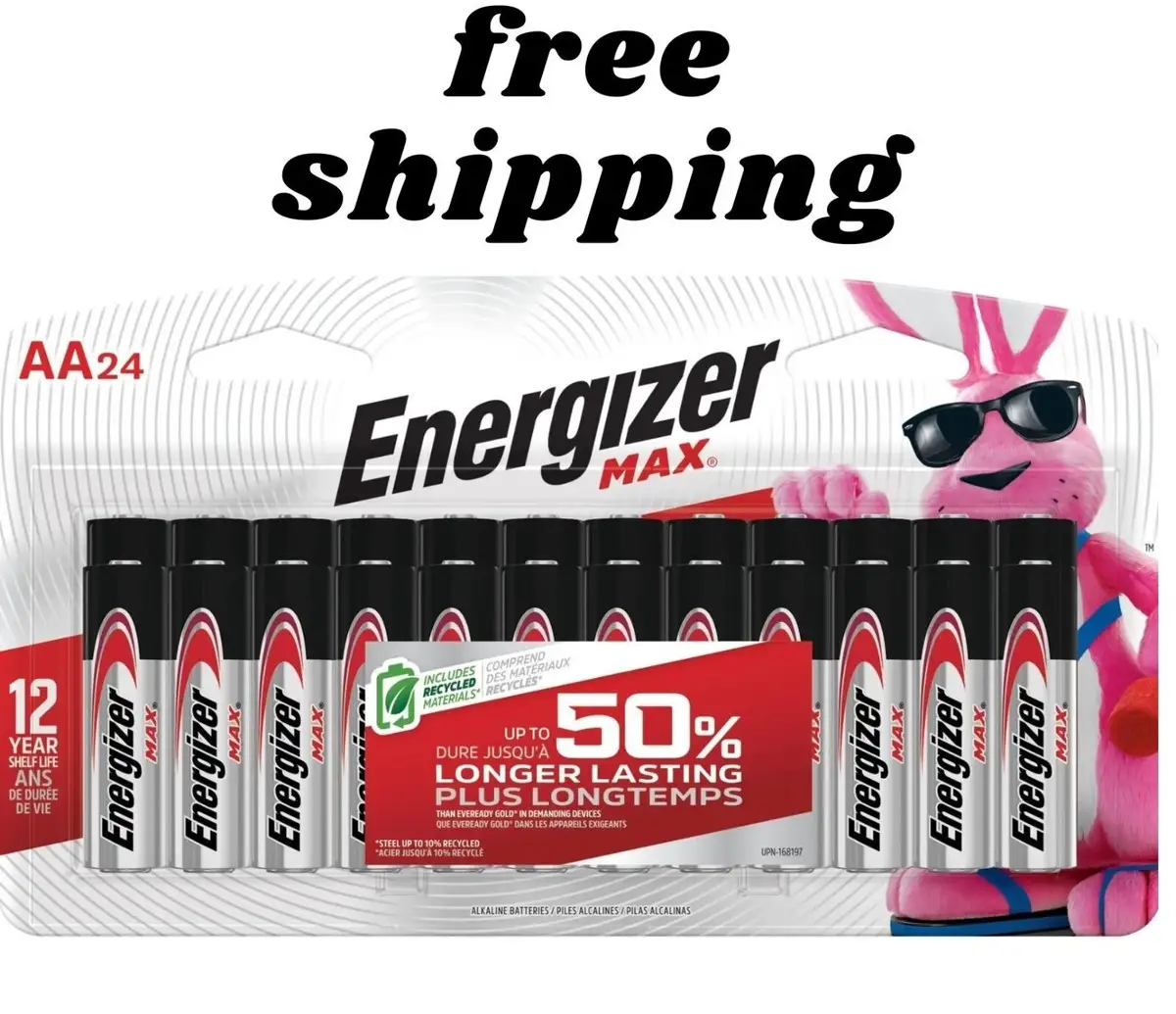
Energizer MAX AA 16-Pack Review: Worth It? 8.7/10
The line that keeps popping up across platforms is basically the Energizer slogan, but from actual buyers: Best Buy user Cap Tin Turbo said: “these batteries will keep going and going and going.” That “set-it-and-forget-it” reputation is the core story around Energizer MAX AA Batteries (16 Pack)—with enough recurring caveats about price and packaging that it doesn’t read like blind brand loyalty. Verdict: 8.7/10.
Quick Verdict
Yes—conditional. If you want reliable AA alkalines for low-to-mid drain devices (remotes, clocks, toys, flashlights), the feedback is overwhelmingly positive. The “conditional” comes from recurring complaints about price and occasional delivery/packaging issues.
| What matters | What people liked | What people didn’t | Who it affects most |
|---|---|---|---|
| Battery life | “long-lasting performance” (Best Buy) | — | Remote/clock users, parents |
| Reliability | “consistent and dependable power output” (Best Buy) | — | Emergency kits, business use |
| Value | “great price…good value” (Best Buy) | “priced too high” (Best Buy) | Bulk buyers, frequent users |
| Packaging | “easy to open” (Influenster) | “tampered with” / “arrived loose” (Amazon) | Delivery-heavy shoppers |
| Leak concerns | “don’t leak” (Best Buy) | — | Device owners worried about corrosion |
| Availability | “always in stock” (Best Buy) | “currently unavailable” listings (Amazon) | Time-sensitive buyers |
Claims vs Reality
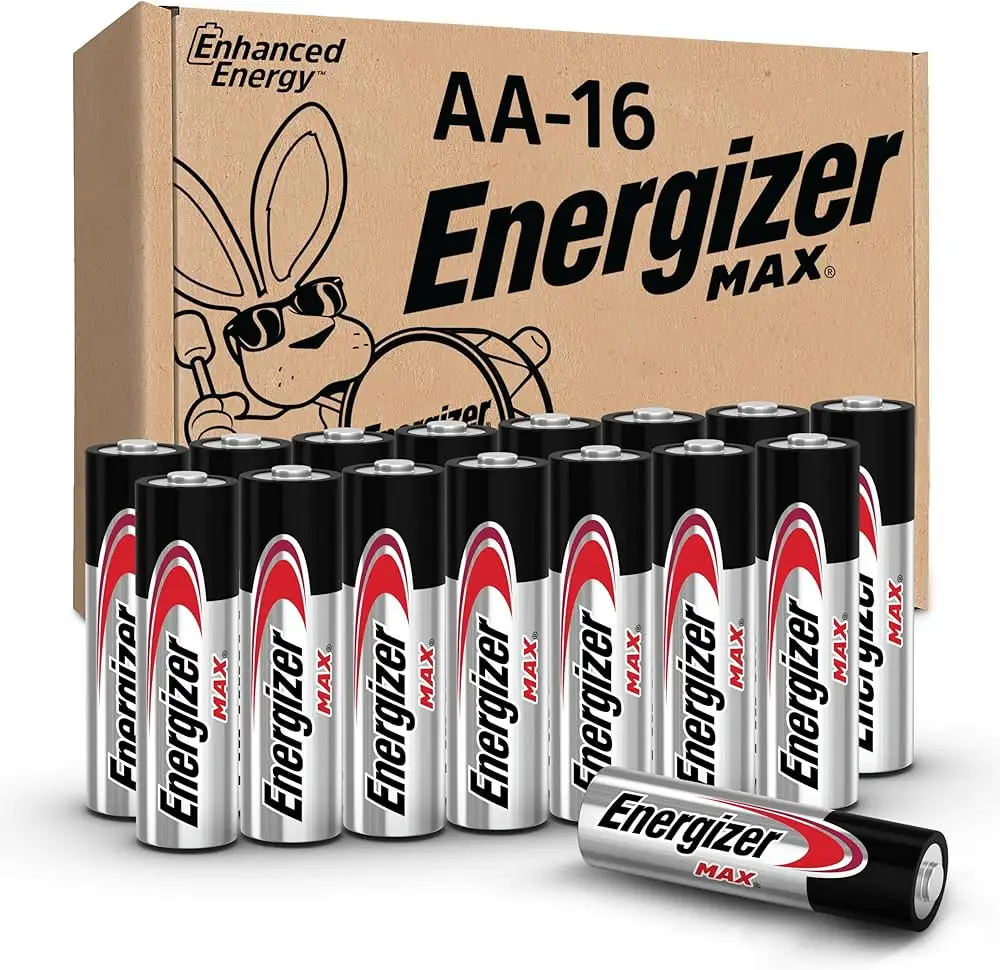
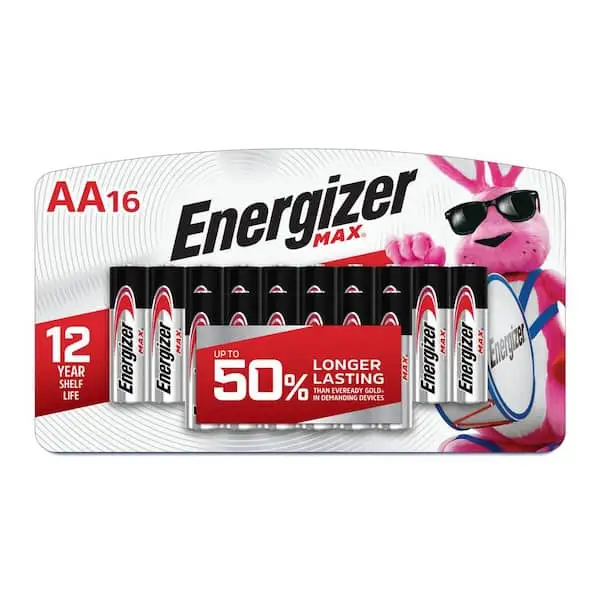
Marketing claim #1: “Up to 50% longer lasting than basic alkaline…in demanding devices.” Digging deeper into user reports, longevity is the most consistent praise, especially in everyday household use. Best Buy user Humber Tom framed it as “outstanding longevity…across a variety of devices,” adding that the power stayed “stable…without any fluctuations or drops.” For parents running toys constantly, Best Buy user Khush Boos said: “my son use toys almost everyday and still the battery is going good.”
But “demanding devices” gets more complicated when you compare user narratives with independent lab-style scoring. CHOICE (expert testing) scored the battery notably higher in low-drain performance (83%) and low-drain endurance (91%) than in high-drain performance (52%) and high-drain endurance (58%). That aligns with where buyers keep placing these batteries: remotes, clocks, toys, flashlights. In other words, while the marketing emphasizes demanding devices, the strongest cross-platform story is dependable runtime in low-to-mid drain gear.
Marketing claim #2: “Leak resistant…protect devices…for up to two years after fully used.” The leak-resistance message shows up indirectly in buyer confidence. Best Buy reviewers repeatedly treat “no issues” as the baseline, and one explicitly calls out leakage: a Best Buy reviewer wrote, “these batteries are built to last a long time ... i like that fact that they don't leak.” On the long-form community side, TheGunZone review claims: “I’ve never experienced any leaking or corrosion issues with these batteries,” presenting it as a major reason to keep them in regular rotation.
Still, a key gap emerged: most user feedback here is about “I haven’t seen leaking,” not about long-term, post-depletion storage of dead cells in devices. The official claim is time-specific (“two years after fully used”), but the user evidence is mostly general reassurance rather than precise timelines.
Marketing claim #3: “Holds power for up to 10 years in storage.” Buyers echo this in everyday language. Best Buy user Oled 4 Ever praised “lengthy expiration date,” and Best Buy user Huey emphasized: “consistent quality and great shelf life.” On Amazon, one reviewer tied this to practical “important” devices, saying the batteries “do last a long time and provide power as advertised,” recommending them for “important IoT that run of batteries.”
The one snag isn’t the storage life itself—it’s whether the product arrives in the condition shoppers expect. Amazon reviews include packaging-related doubts like: “batteries arrived loose not in package. unsure if product has been used.” So the “ready when you need them” promise can get undercut by fulfillment experiences, not by the battery chemistry.
Cross-Platform Consensus
Universally Praised
A recurring pattern emerged: these are treated as the “default safe pick” for household electronics—especially where people don’t want surprises. Best Buy user NicholasW summed up the tone: “good as usual! i have used them on various devices.” That “as usual” matters; it suggests repeat purchases and predictable outcomes rather than a one-time lucky pack.
Battery life is the headline benefit, but the stories show who it really helps. For parents and gift-givers, it’s about not constantly swapping cells. Best Buy user Khush Boos described heavy toy use—“my son use toys almost everyday”—and still called them “long lasting batteries.” On the Trustpilot-labeled Best Buy page, user Moab 461 anchored this in family life: “i have two kids under 10 that blow through batteries. these hold up to their demand.”
For practical, low-drain devices like remotes and clocks, the praise is less dramatic but more consistent. Best Buy user ChrisB wrote: “long lasting still have it in my remote.” Another reviewer (One Duck Toe) framed it as simple household coverage: “have enough for the flashlights and the remote.” TheGunZone review also lists the same device mix—remote controls, wireless mouse, toys, flashlights, clocks—and describes “reliable, consistent power” with devices working smoothly “until they reached the end of their life cycle.”
Value comes up frequently, but usually in the form of “good deal when bought in bulk” rather than “cheap.” Best Buy user KarenK said: “glad to find a large pack of batteries, the cost was a good one too for all you get.” Influenster reviewer Divya A. echoed the same bulk logic while focusing on runtime: “these batteries seems to be the longest lasting as compared to to my previous battery brand.”
Common Complaints
The most repeated frustration isn’t performance—it’s price. This shows up as a “worth it, but…” pattern. An Amazon reviewer called them “very expensive, but worth it,” tying the cost to “quality” and recommending them for more critical devices. On the Trustpilot-labeled Best Buy set, the bluntest version comes from SuperK 734: “priced too high…i wouldn’t buy again,” describing a mismatch between shelf price and register price.
Packaging and fulfillment issues are the other consistent negative theme, and they’re very specific. Amazon includes reports like “package looked like it had been tampered with,” and another buyer said: “package was broken and the batteries were strewn all over the box.” A separate Amazon complaint reads: “unsealed product…arrived loose not in package.” These aren’t criticisms of the batteries’ runtime, but they do affect trust—especially for shoppers buying for emergency kits or long storage.
A smaller but notable issue is that some reviews in the dataset are off-topic or confusing (for example, one Best Buy “review” discusses a TV setup rather than batteries). That doesn’t change the core sentiment, but it shows that not every posted review is equally informative.
Divisive Features
“Value” is where opinions split most. Many buyers call them a great buy—Best Buy user SonyO Led said the pack had “better life, reasonable price compared to other brands.” But others only endorse them when discounted. Best Buy user SD Cult said: “energizer batteries are the best, better when on sale.” This creates a clear buyer persona divide: people who prioritize reliability pay the premium; deal-hunters wait.
Another subtle split is “everyday device” versus “high-drain device” expectations. TheGunZone review says lifespan is “respectable” in low-to-medium drain devices and “shorter” in more demanding devices like a flashlight or gaming controller—but “still satisfactory.” CHOICE’s high-drain scores reinforce that the standout performance story is low-drain endurance. So if someone expects top-tier results in consistently high-drain gear, the consensus becomes more cautious.
Trust & Reliability
Digging deeper into user reports, trust concerns cluster around retail/fulfillment integrity rather than battery failure. Amazon includes the strongest distrust signal—“arrived loose not in package”—because it introduces uncertainty about whether batteries were “used.” Another Amazon reviewer said the package looked “tampered with,” and one mentioned broken packaging with batteries “strewn all over the box.” These stories read less like isolated nitpicks and more like warnings for buyers who prioritize sealed packaging (emergency preparedness, long-term storage, or gifting).
On the flip side, long-term reliability narratives are common on Best Buy and in community-style reviews. Best Buy user Cap Tin Turbo wrote after “owned for 10 months”: “these batteries will keep going and going and going.” TheGunZone review explicitly frames repeat buying over years: “over the years, i have repeatedly purchased these…generally very positive,” emphasizing “peace of mind” in scenarios like a flashlight during a power outage.
The Trustpilot-labeled Best Buy page also shows strong “would recommend” sentiment (96%) and repeated comparisons like “last longer than generic brands” (Stingray) and “last longer than…duracell and amazon batteries” (Big Snoop). Whether or not those comparisons are measured, they show how buyers rationalize trust: longevity plus familiarity equals reduced hassle.
Alternatives
The only direct competitor consistently named by users is Duracell (and “generic” or “store brand” batteries). Several buyers position Energizer MAX as equal or better. Trustpilot-labeled Best Buy reviewer Lally wrote: “i would recommend energizer just as good as dure cell.” Another (Big Snoop) made the stronger claim that these “last longer than store brand, duracell and amazon batteries.”
For shoppers who simply want “good enough” at the lowest price, “generic brands” appear as the reference point, but usually as something Energizer outperforms. Trustpilot-labeled Best Buy reviewer Stingray said these “last longer than generic brands,” and Burrito framed expectations as basic: “just batteries…i trust they will last a reasonable amount of time.” The alternative story here isn’t about features—it’s about whether paying more reduces replacement frequency and device anxiety.
Price & Value
Current pricing in the dataset varies by retailer context, and that variance shapes sentiment. Best Buy shows $19.99 for the 16-pack listing, while a related Best Buy listing shows $13.99 (sold out) for another 16-pack SKU. Walgreens lists $17.99 on sale (down from $22.99). On eBay, listings range roughly $11.99–$15.00 with “free shipping,” sometimes noting packaging wear or “open box” conditions.
User buying tips are implicit: buy in larger packs when the per-battery cost makes sense, and watch sales. Best Buy user KarenK liked the “large pack” because “the cost was a good one too for all you get.” Best Buy user SD Cult basically endorses a sale strategy: “better when on sale.” On the caution side, SuperK 734’s complaint about price changing at checkout highlights a practical tip: verify the final price before you commit if you’re value-sensitive.
Resale value on eBay appears driven by convenience and condition descriptors rather than any “collector” premium. Listings emphasize “brand new” status, “expiration date,” and packaging condition—signals that buyers care about trust and shelf life more than anything else.
FAQ
Q: Are Energizer MAX AA batteries actually long-lasting in real life?
A: Yes—especially in low-to-mid drain devices. Best Buy user ChrisB said: “long lasting still have it in my remote,” and Cap Tin Turbo added: “these batteries will keep going and going and going.” CHOICE testing also shows strong low-drain endurance (91%), aligning with remote-and-clock use.
Q: Do people trust the leak-resistance claims?
A: Many do, mostly because they haven’t experienced leaks. A Best Buy reviewer wrote: “i like that fact that they don't leak,” and TheGunZone review says: “I’ve never experienced any leaking or corrosion issues.” Most feedback is general reassurance rather than time-specific proof of “two years after fully used.”
Q: What’s the biggest downside buyers mention?
A: Price and packaging. One Amazon reviewer called them “very expensive, but worth it,” while a Best Buy reviewer said: “priced too high…i wouldn’t buy again.” Packaging complaints on Amazon include: “package looked like it had been tampered with” and “batteries arrived loose not in package.”
Q: Are these better than Duracell or store brands?
A: Many buyers say yes, though it’s anecdotal. Trustpilot-labeled Best Buy reviewer Big Snoop claimed they “last longer than store brand, duracell and amazon batteries,” while another said Energizer is “just as good as dure cell.” Several reviews also say they outlast “generic brands.”
Q: What devices do people commonly use them for?
A: Remotes, clocks, toys, flashlights, and some controllers. TheGunZone review lists remote controls, wireless mouse, toys, flashlights, clocks, and gaming controllers, saying they delivered “reliable, consistent power.” Best Buy reviewers frequently mention toys and remotes as everyday use cases.
Final Verdict
Buy Energizer MAX AA Batteries (16 Pack) if you’re a parent cycling through toys, a homeowner stocking remotes and clocks, or someone building an emergency flashlight kit—and you value predictable performance. Avoid if you’re extremely price-sensitive at full retail or if you need guaranteed pristine, sealed packaging every time.
Pro tip from the community: Best Buy user SD Cult said they’re “better when on sale,” and several Amazon buyers’ packaging complaints suggest choosing a retailer/shipping option you trust if sealed condition matters most.