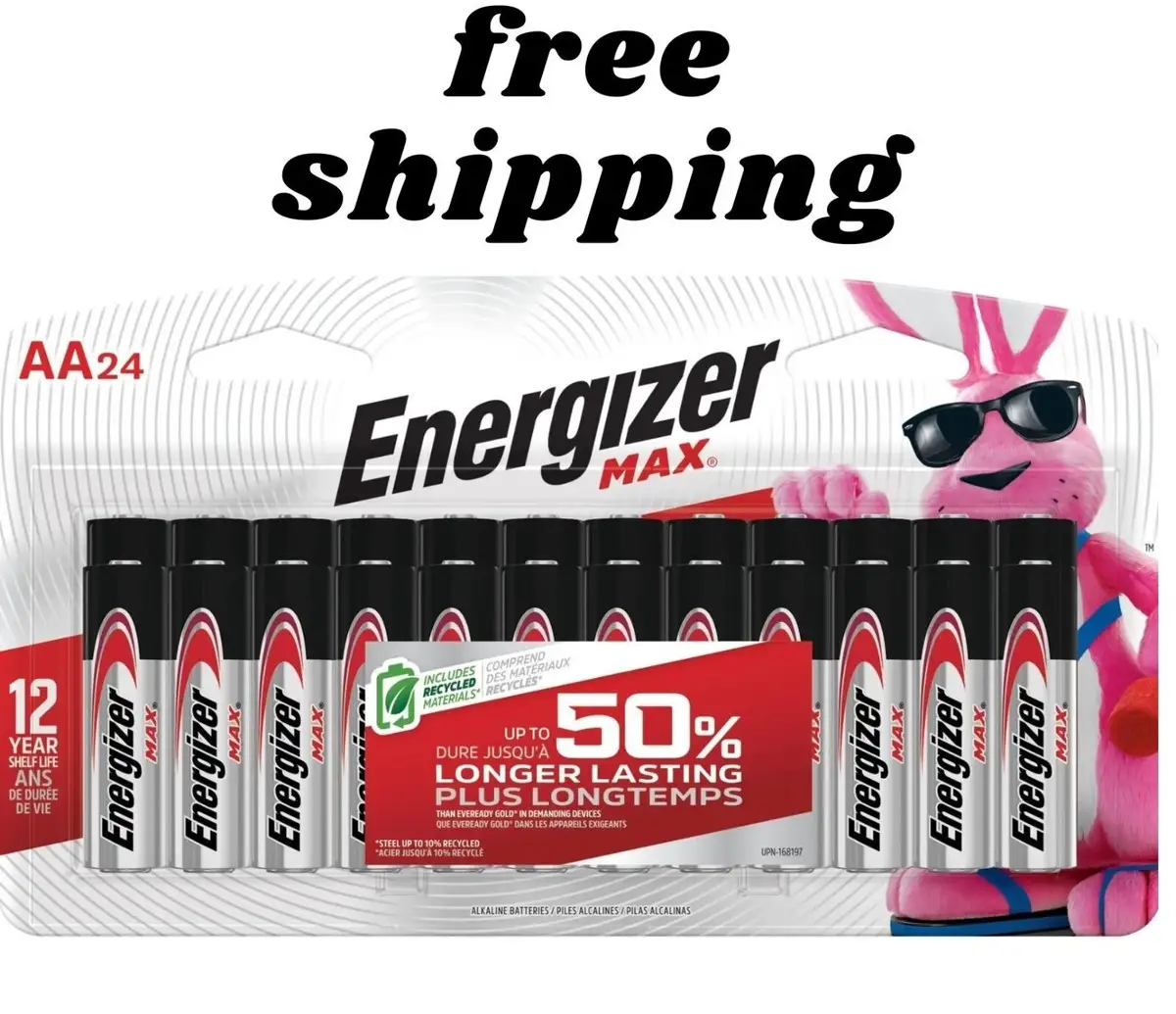
Energizer MAX AA 16-Pack Review: Reliable Value (8.6/10)
“These hold up to their demand. Energizer all the way.” That one line from a Best Buy reviewer captures why Energizer MAX AA Batteries (16 Pack) keeps showing up in homes, offices, and emergency kits—and why plenty of people don’t overthink the purchase. Verdict: a dependable everyday AA for low-to-mid drain devices, with some price gripes. Score: 8.6/10
Quick Verdict
For people powering remotes, clocks, flashlights, toys, and controllers, the dominant theme is consistency: batteries that “keep going,” a shelf-life buyers trust, and a brand many repeatedly return to. Best Buy reviewer huey framed the appeal as predictability, saying: “We can always count on energizer batteries for consistent quality and great shelf life.”
Where the tone shifts is value. A recurring complaint isn’t failure—it’s cost at checkout. Best Buy reviewer superk 734 didn’t criticize performance, but still walked away unhappy: “I think these were priced too high… I wouldn’t buy again.” That tension—strong day-to-day performance vs. price sensitivity—defines the quick verdict.
| Call | Evidence from users | Who it’s best for | Where it disappoints |
|---|---|---|---|
| Conditional Yes | “seem to last longer than other brands” (Best Buy user audi forme) | Families burning through AAs | Shoppers watching checkout prices |
| Pros: Longevity | “they keep going and going and going” (Best Buy user cap tin turbo) | Remotes, flashlights, toys | High-drain expectations vary |
| Pros: Reliability | “always reliable and long lasting” (Best Buy reviewer, page 3) | Emergency use and backups | |
| Pros: Shelf-life confidence | “great shelf life” (Best Buy user huey) | Stocking up, storage | |
| Cons: Price | “priced too high” (Best Buy user superk 734) | Budget buyers | Price swings by retailer |
| Cons: Single-use | TheGunZone review notes: “non-rechargeable… can be wasteful” | Heavy users who prefer rechargeables | Environmental-minded buyers |
Claims vs Reality
Energizer’s product copy leans heavily on longer life, storage readiness, and leak protection. Digging deeper into user feedback, those claims largely align with how people describe using the batteries—especially in everyday household electronics—though there are important boundaries around “demanding devices” and price-per-pack perceptions.
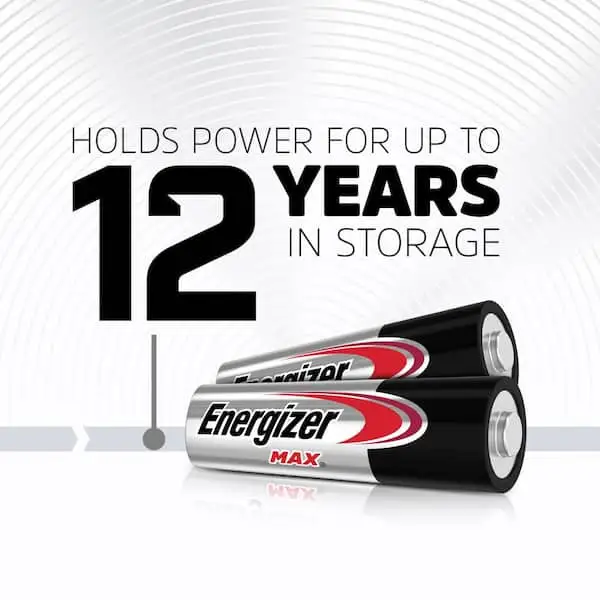
One standout is the “ready when you need them” storage angle. Amazon specs describe “a shelf life of up to 10 years in storage,” and that idea echoes in buyer language. Best Buy user huey specifically praised “great shelf life,” while a broader Best Buy summary highlights customers “found them to outperform other brands and have a great shelf life.” For shoppers who buy in bulk for storms, holiday toys, or business use, that storage narrative matches the way people talk about the product.
Leak resistance is another marketing promise that appears in lived experience stories. Amazon specs say these batteries are designed “to protect your devices against damaging leaks for up to two years after fully used.” On Best Buy, one reviewer emphasized exactly that peace-of-mind angle: “i like that fact that they don't leak.” That’s not a lab report—but it is a recurring type of satisfaction from people who’ve had devices ruined by corrosion in the past.
Where marketing meets friction is “long-lasting” in high-drain contexts. CHOICE’s lab-based scoring paints a more nuanced picture: strong low-drain results (performance and endurance) alongside weaker high-drain scores. While many everyday users rave about longevity in remotes, clocks, and flashlights, CHOICE’s numbers suggest that for truly high-drain situations, outcomes may not match the most optimistic expectations—especially compared with categories like lithium.
Cross-Platform Consensus
A recurring pattern emerged across Best Buy and long-form community-style writeups: the strongest praise centers on dependable, consistent power in the kinds of devices people rely on daily. Best Buy user panther 43 gave a simple comparative verdict: “good battery i always buy this brand and it last longer than any other brand.” That’s not a one-off sentiment; reviewer after reviewer frames the purchase as a default choice rather than a gamble.
Digging deeper into user reports, the most common “story” is a household with constant battery churn—kids’ toys, game controllers, flashlights—where the buyer wants fewer replacements. Best Buy reviewer moab 461 described the real-world stress test: “i have two kids under 10 that blow through batteries. these hold up to their demand.” In that same vein, Best Buy reviewer khush boos tied battery life directly to frequent toy use: “my son use toys almost everyday and still the battery is going good.” For parents, that translates to fewer interruptions and fewer emergency store runs.
TheGunZone’s long-form review (community source) also reinforces the versatility narrative. It lists use cases like “remote controls,” “wireless computer mouse,” “toys,” “flashlights,” and “clocks,” concluding the batteries delivered “reliable, consistent power.” For a home office worker, that kind of experience matters most in peripherals and small devices; for example, TheGunZone reviewer singled out a wireless mouse that “showed no performance issues” until end-of-life. Best Buy user coolv similarly framed the flashlight use case as matching marketing: “purchased these batteries for my flash lights. they are as good as advertised and long lasting.”
Universally Praised
The clearest praise is straightforward longevity in everyday devices. Best Buy user audi forme said: “i don’t have to buy these very often. seem to last longer than other brands.” That’s a practical metric—purchase frequency—many buyers implicitly use to judge AA performance. Best Buy user cap tin turbo echoed the brand’s long-running tagline with lived experience: “these batteries will keep going and going and going.”
Reliability and consistency show up as a separate but related theme—less about raw hours, more about predictability. Best Buy user usafrdoc summarized it as: “no issues,” while Best Buy user huey emphasized they can “always count on” consistent quality. For business buyers, that predictability is explicitly valuable: one Best Buy reviewer wrote, “needed them for my business. all good and will buy them again.”
Finally, several users explicitly frame Energizer MAX as “better than generic” rather than a niche premium buy. Best Buy user stingray said: “they are of good quality and last longer than generic brands,” while another reviewer claimed: “last longer than store brand, duracell and amazon batteries.” Whether those comparisons hold in every scenario, they show the role this product plays: a “safe” AA that people believe beats store brands.
- “good quality and last longer than generic brands” (Best Buy user stingray)
- “we can always count on energizer batteries for consistent quality and great shelf life” (Best Buy user huey)
- “these batteries will keep going and going and going” (Best Buy user cap tin turbo)
Common Complaints
The most direct complaint is price—especially when expectations set by shelf tags or typical deals don’t match the register. Best Buy user superk 734 described a classic frustration: “on the rack the price said one thing and when i got to register it was more… i wouldn’t buy again.” Notably, that complaint isn’t about dead-on-arrival batteries or leaks; it’s about cost relative to alternatives and the inconvenience of needing batteries immediately.
Another low-grade complaint is that, for some buyers, they’re “just batteries”—fine, expected, not thrilling. Best Buy user burrito wrote: “i trust they will last a reasonable amount of time.” That kind of lukewarm feedback typically comes from shoppers who see AA performance as baseline and are more sensitive to price-per-cell than brand claims.
TheGunZone review also highlights a structural drawback: the batteries are “non-rechargeable,” calling out potential “environmental impact” and “cost” over the long run. For heavy users—gamers, families with many toys, workplaces burning through AAs—that’s the most meaningful “complaint,” because it isn’t a defect; it’s about whether single-use alkalines fit the household’s values and budget.
- “priced too high” (Best Buy user superk 734)
- “last for a while at least” (Best Buy user ty breezy)
- “non-rechargeable… can become costly in the long run” (TheGunZone community review)
Divisive Features
“Long-lasting” is widely praised, but it’s also device-dependent, and the data hints at why opinions can diverge. CHOICE testing shows stronger low-drain performance (typical remote-control conditions) than high-drain performance. That matches the kinds of stories that feel most confident—remotes, clocks, flashlights—while leaving more demanding use cases open to debate.
Some users compare favorably to Duracell, while others frame them as “just as good.” Best Buy user lally said: “i would recommend energizer just as good as dure cell,” whereas another reviewer claimed they last longer than Duracell. Those clashing comparisons suggest the bigger takeaway: shoppers often pick based on availability, pack size, and sale price rather than a universally agreed “best brand.”
Trust & Reliability
On trust, the strongest signal isn’t a fear of scams; it’s how often people treat the brand as a default and report repeat purchases. Best Buy user moab 461 committed to the brand identity: “energizer all the way,” and Best Buy user bobo head described habitual use: “these are my go to batteries. i use them at work.” Those aren’t formal verification mechanisms, but they reflect an established comfort level with the product.
There’s also a long-horizon perspective embedded in some reviews. Best Buy user big snoop wrote they “owned for more than 2 years when reviewed” and still concluded: “last longer than store brand, duracell and amazon batteries.” TheGunZone’s review similarly frames reliability as a repeat-purchase pattern “over the years,” emphasizing they “never experienced any leaking or corrosion issues.” Taken together, the trust story is less about “will these be legit” and more about “will these behave predictably in storage and daily use.”
Alternatives
Only a few competitor references appear directly in the user data, but they’re telling: Duracell, store brands, and “Amazon batteries” are the comparison set people keep returning to. Best Buy user stingray contrasted Energizer MAX with “generic brands,” and Best Buy user big snoop explicitly listed “store brand, duracell and amazon batteries” as trailing in their experience.
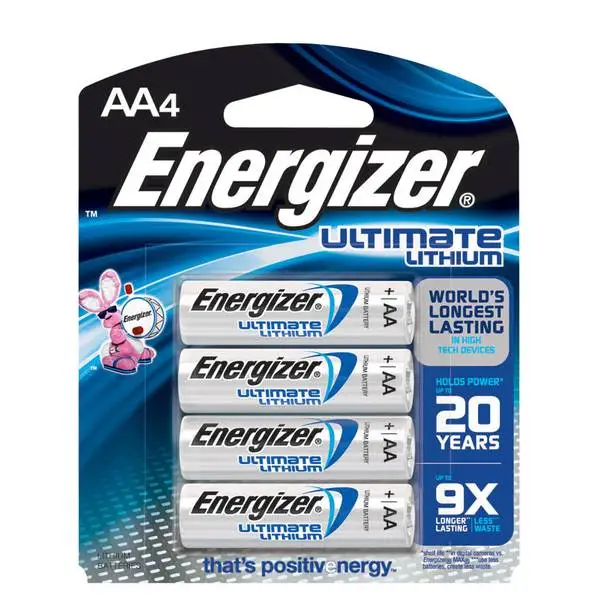
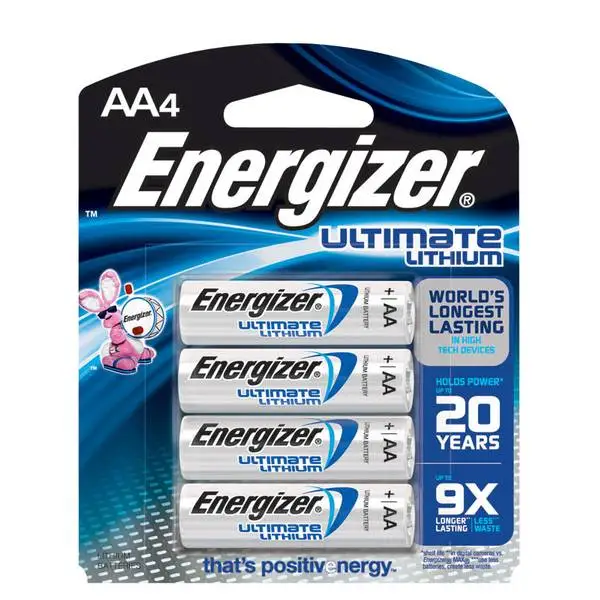
For shoppers who want a premium jump for high-tech or extreme conditions, Amazon’s own manufacturer table points to Energizer Ultimate Lithium as the step-up category. That’s not user sentiment, but it frames the “alternative” decision buyers implicitly face: stick with MAX for everyday low-to-mid drain, or pay more for lithium when high-drain performance is the priority.
Price & Value
Price perception depends heavily on where and when people buy. Best Buy’s listing shows a 16-pack price in the teens to around $20 depending on the page snapshot, while eBay listings show single 16-packs around the low teens and multi-pack lots with visible expiration dates (e.g., “Expires 12/2032”). That resale-style detail matters for buyers who treat batteries like pantry staples: expiration clarity can justify paying a bit more.
The strongest “value” stories come from people who see fewer replacement cycles as savings over time. Best Buy user green girl framed it directly: “energizers always last and are cost efficient over time.” Meanwhile, price-sensitive frustration appears when someone needs batteries immediately and can’t shop around—exactly the situation described by superk 734, who paid more than expected because they “didn’t have time to go anywhere else.”
- Buying tip implied by reviews: stock up when on sale (Best Buy user sd cult: “better when on sale”)
- Value logic users cite: fewer purchases over time (Best Buy user audi forme: “i don’t have to buy these very often”)
- Watch-out: register price vs shelf tag (Best Buy user superk 734)
FAQ
Q: Do Energizer MAX AA batteries actually last longer than other brands?
A: Many buyers say yes in everyday devices. Best Buy user panther 43 wrote: “it last longer than any other brand,” and audi forme said: “seem to last longer than other brands.” Comparisons vary by device type, and high-drain situations may show less advantage.
Q: Are these good for remotes, clocks, and flashlights?
A: Yes—those are the most consistently praised use cases. Best Buy user coolv said: “purchased these batteries for my flash lights… long lasting,” and TheGunZone reviewer lists remotes and clocks among devices where they found “reliable, consistent power.”
Q: Do users report leaking issues?
A: Many comments emphasize the opposite—peace of mind about leaks. One Best Buy reviewer wrote: “i like that fact that they don't leak.” Amazon’s specs also claim protection against leaks for two years after full use, and user sentiment generally aligns with that.
Q: Is the 16-pack good value?
A: Value depends on price at purchase. Best Buy user green girl called them “cost efficient over time,” but superk 734 complained they were “priced too high” due to a shelf-vs-register mismatch. Buyers who wait for sales report better satisfaction.
Final Verdict
Buy if you’re stocking up for a household that runs through AAs in remotes, toys, controllers, flashlights, and clocks—and you want predictable performance more than you want to min-max price per cell. Best Buy user moab 461 summed up the family-use case: “these hold up to their demand.”
Avoid if you’re extremely price-sensitive at the register or you prefer rechargeables for heavy use; the single-use reality is the main structural drawback called out in community writeups. Pro tip from the crowd: watch for discounts—Best Buy user sd cult put it plainly: “better when on sale.”