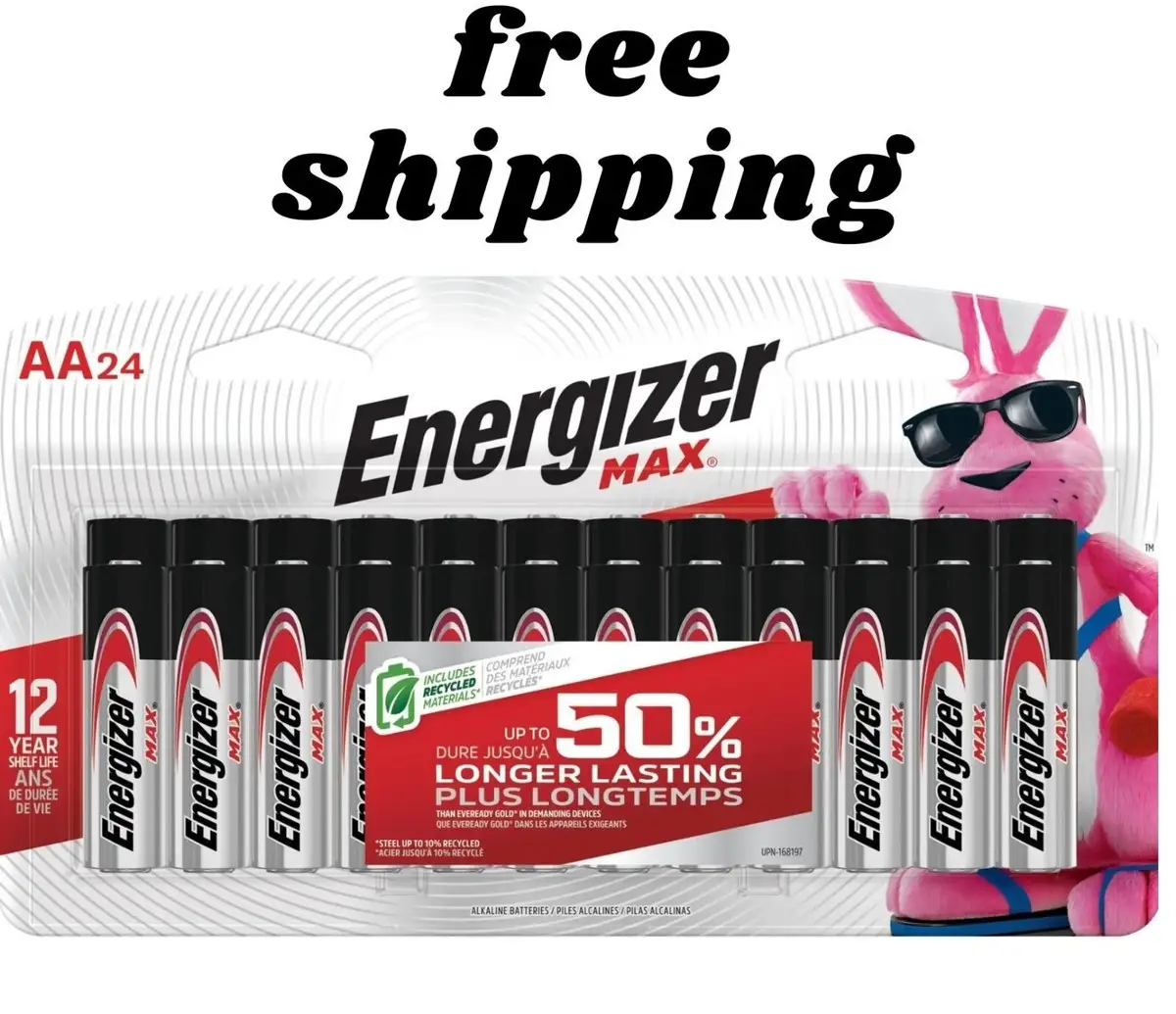
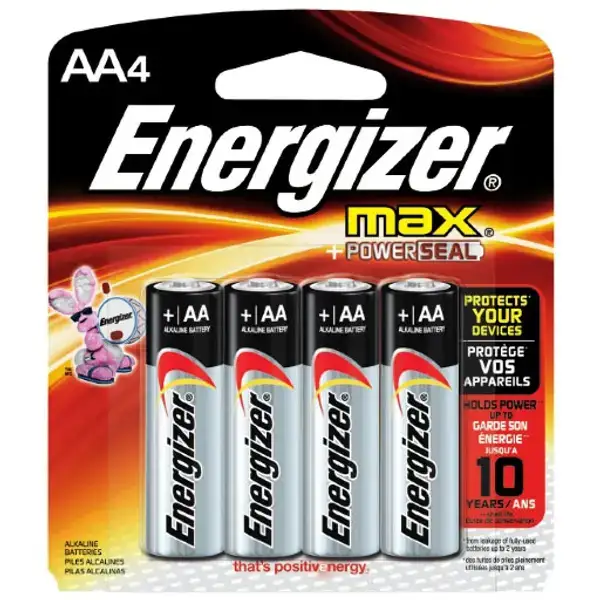
Energizer MAX AA 16-Pack Review: Reliable, Pricey (8.6/10)
Eighty-two percent of Amazon reviewers gave these batteries five stars—and the loudest theme across platforms isn’t flashy performance, it’s simple dependability. Energizer MAX AA Batteries (16 Pack) comes across in user feedback as the “default choice” for households that burn through AAs, with recurring praise for runtime in everyday devices and a steady drumbeat of complaints about packaging and price. Verdict: 8.6/10.
Quick Verdict
Yes—conditional. If you want predictable, name-brand alkalines for remotes, toys, flashlights, and “important” devices like smoke detectors, the cross-platform feedback is overwhelmingly positive. If you’re price-sensitive or hate dealing with messy shipping/packaging issues, the same feedback suggests being selective about where you buy.
| What matters | What people liked | What people didn’t | Who it affects most |
|---|---|---|---|
| Battery life | “keep going and going and going” (Best Buy) | High-drain devices still drain faster | Gamers, flashlight users |
| Reliability | “consistent quality and great shelf life” (Best Buy) | Packaging “tampered” / “arrived loose” (Amazon) | Online shoppers, gift buyers |
| Leak protection | Reports of “never experienced any leaking” (TheGunZone) | No big wave of leak complaints, but claims are hard to verify | Device owners storing spares |
| Value | “good price great batteries” (Best Buy) | “priced too high” (Best Buy) | Bulk buyers, families |
| Convenience | “easy to pick up” / shipping convenience (Best Buy) | Broken packs, loose batteries in box (Amazon) | Delivery-first shoppers |
Claims vs Reality
Energizer’s own product copy leans on longevity, leak protection, and long storage life. Digging deeper into user reports, those claims mostly line up—but the biggest “reality check” comes from how the product arrives, not how it performs.
One headline claim is long storage readiness. Official listings emphasize long shelf life (Energizer states AAs “hold power for up to 12 years in storage”). While most users don’t run controlled storage tests, the idea of not buying batteries often comes up in lived experience. Best Buy reviewer moab 461 said: “I have two kids under 10 that blow through batteries. these hold up to their demand. energizer all the way.” Best Buy reviewer audi forme echoed the same practical outcome: “i don’t have to buy these very often. seem to last longer than other brands.” The “shelf life” claim becomes, in user terms, fewer emergency runs to the store.
Leak protection is another marketing pillar (“designed to protect… against damaging leaks”). Users don’t talk about chemistry, but they do talk about what didn’t happen: corrosion and ruined devices. A reviewer on TheGunZone wrote: “i’ve never experienced any leaking or corrosion issues with these batteries, and that is very important for both safety and avoiding damage to the powered device.” That’s consistent with why people pay extra for a name brand—risk reduction in devices that sit for long stretches.
Where marketing meets messy reality is packaging and fulfillment. Several Amazon reviews praise performance while criticizing the condition on arrival. A verified buyer on Amazon noted: “the batteries themselves were great, but the package looked like it had been tampered with.” Another verified buyer on Amazon warned: “batteries arrived loose not in package. unsure if product has been used.” Even when the batteries are fine, the user experience can start with mistrust—especially for buyers who expect sealed retail packaging.
Cross-Platform Consensus
Universally Praised
The most consistent praise is blunt: these are “go-to” AAs that work across lots of household gear. The feedback isn’t about niche performance; it’s about lowering friction—put them in and forget about them. Best Buy reviewer cap tin turbo summed up the vibe: “what can you say, these batteries will keep going and going and going.” That “they just run” sentiment is repeated across Amazon and Best Buy, suggesting the product’s reputation is built on predictability, not surprise.
For parents and heavy household use, users repeatedly frame the batteries as resilient in toy-heavy homes. Best Buy reviewer khush boos said: “i bought it for my son’s toys… my son use toys almost everyday and still the battery is going good. i must say long lasting batteries.” Best Buy reviewer moab 461 went further into the “kid stress test”: “two kids under 10… these hold up to their demand.” The implication is clear: in environments where batteries are constantly drained, users value fewer swaps and fewer dead-toy meltdowns.
For “everyday devices” like remotes and mice, the story is less dramatic but more universal. TheGunZone review lists a spread of devices—“remote controls,” “wireless computer mouse,” “clocks,” and “flashlights”—and claims steady output: “delivered reliable, consistent power across all these applications.” Best Buy reviewer chrisb offered a classic remote-control success case: “nice battery’s long lasting still have it in my remote.” These are the quiet wins that keep people buying the same pack again.
Even in “important” low-maintenance devices, users describe choosing these deliberately. A verified buyer on Amazon explained the decision through a smoke detector prompt: “my… nest smoke detector began chirping… they recommended to replace with these… i did and… they do last a long time and provide power as advertised.” For smart-home and safety devices, the benefit isn’t just runtime—it’s confidence that you won’t be troubleshooting at 2 a.m.
After that narrative, the praise clusters into a few repeat themes:
- Long-lasting in remotes, toys, and everyday electronics (Amazon, Best Buy)
- Trusted brand consistency and “go-to” buying behavior (Best Buy)
- Broad compatibility across household devices (TheGunZone, Best Buy)
Common Complaints
The biggest recurring complaint isn’t that the batteries fail—it’s that they feel expensive, especially when compared to store brands or when purchased in a pinch. Best Buy reviewer superk 734 complained: “priced too high… on the rack the price said one thing and when i got to register it was more… i wouldn’t buy again.” On Amazon, a verified buyer praised performance but still called out cost: “the only downside is that these are very expensive, but worth it.” This split—“worth it” vs “too high”—often comes down to whether the buyer is stocking up calmly or buying under time pressure.
Packaging and fulfillment issues show up as a distinct pattern in Amazon reviews. A verified buyer on Amazon wrote: “package was broken and the batteries were strewn all over the box, mixed with my other items.” Another said: “unsealed product… batteries arrived loose not in package.” Even when buyers believe they received legitimate batteries, damaged packaging triggers doubt and frustration—especially because batteries are a product where “new” condition and seal integrity matter to trust.
Some complaints are less about the product and more about context: single-use batteries can feel wasteful to people who prefer rechargeables. TheGunZone review states the drawback plainly: “non-rechargeable… can be wasteful for frequent users” and “cost… can become costly in the long run if you use a lot of them.” That’s not a performance complaint; it’s a lifestyle fit issue that shows up whenever high-usage households do the math.
After that narrative, the complaint themes are:
- Price sensitivity and occasional sticker shock (Best Buy, Amazon)
- Packaging arriving “tampered,” “broken,” or “loose” (Amazon)
- Single-use design viewed as wasteful/expensive over time (TheGunZone)
Divisive Features
Value is the feature that splits the room. Many buyers call them a strong deal when purchased in larger packs or on sale, and others see them as overpriced compared to generics. Best Buy reviewer sonyo led said: “better life, reasonable price compared to other brands,” while Best Buy reviewer superk 734 took the opposite view: “priced too high… i wouldn’t buy again.” Same product, different purchase context—sale timing and local pricing appear to shape satisfaction as much as performance.
Brand comparisons also produce mixed takes. Some users frame Energizer as clearly better than store brands and even other big names. Best Buy reviewer big snoop said: “last longer than store brand, duracell and amazon batteries.” But Best Buy reviewer lally offered a more even-handed comparison: “i would recommend energizer just as good as dure cell.” The divide isn’t about whether the batteries work; it’s about whether the premium feels justified versus other mainstream options.
Trust & Reliability
A trust wrinkle emerges from Amazon’s packaging-related complaints: when batteries arrive “loose” or in a package that “looked like it had been tampered with,” buyers immediately question whether the product is used or counterfeit, even if performance seems fine. A verified buyer on Amazon wrote: “batteries arrived loose not in package. unsure if product has been used.” Another said: “the package looked like it had been tampered with.” These aren’t allegations with proof, but they are real trust signals that can sour the experience before the first battery is installed.
Longer-term reliability stories lean positive, especially around consistent output and low-drain endurance. Best Buy reviewer tom1 (owned more than two years) framed the experience as routine reliability: “batteries that we all need and always in stock.” TheGunZone review adds a durability narrative from repeated purchasing: “over the years, i have repeatedly purchased these… generally very positive… i never had to worry about them suddenly giving up on me.” For shoppers who care less about peak performance and more about predictable replacements, that long-horizon tone matters.
Alternatives
Only a few competitors are explicitly referenced in the provided data, and the comparisons are mostly experiential rather than technical.
Duracell is the most commonly named alternative. Some users see Energizer as ahead in longevity. Best Buy reviewer big snoop claimed: “last longer than… duracell.” Others view them as roughly equivalent. Best Buy reviewer lally said: “energizer… just as good as dure cell.” If you’re choosing between these brands, the data suggests the deciding factors are price and availability rather than a guaranteed performance gap.
Generic/store brands appear as the budget foil. Multiple Best Buy reviews position Energizer as longer-lasting than “generic brands.” Best Buy reviewer stingray said: “good quality and last longer than generic brands.” That matters most for users who don’t want frequent swaps—parents, workplaces, and anyone powering controllers or flashlights regularly.
Rechargeables show up indirectly via user preference rather than direct product-to-product comparisons. TheGunZone critique—“non-rechargeable… wasteful for frequent users”—signals that heavy battery consumers might want to consider rechargeables (mentioned broadly in the eBay data as a category) if their priority is long-term cost and reduced waste, not maximum convenience per swap.
Price & Value
Current retail pricing in the provided listings varies by retailer and pack context. Amazon’s specs listing for the 16-count AA pack shows $13.85 (about $0.87 per count). Walmart lists the 16-pack at $12.91 (about $0.81 each). Best Buy shows $19.99 for a comparable listing at one point, underscoring why some shoppers call the price “great” and others call it “too high”—the same pack can swing notably depending on store and timing.
Resale/secondary-market pricing on eBay suggests the product holds a fairly stable commodity value, with listings around $10.99–$16.50 for a 16-pack depending on shipping and deal structure. eBay seller reviews also reinforce the product’s “reliable and doesn’t leak” identity. eBay user centek said: “reliable batteries that don't leak over time like competitor brand!” Another eBay reviewer (dee pizza guys) focused on runtime: “lasts a long time like two to three weeks” in “video game remotes.”
Community buying advice (implied through complaints and praise) points to timing and packaging checks. People who felt good about value often bought in larger quantities or on sale; people who felt burned often encountered surprise pricing or messy fulfillment. Best Buy reviewer superk 734’s frustration reads like a warning to verify price at checkout: “on the rack the price said one thing and when i got to register it was more.”
Practical buying tips drawn from user experiences:
- Prefer retailers/shipments that preserve sealed packaging (Amazon complaints suggest this can vary).
- Stock up during promotions if you’re price-sensitive (Best Buy “priced too high” vs “great price” split).
- If you’re powering “important IoT” or safety devices, some buyers justify paying more for peace of mind (Amazon smoke-detector story).
FAQ
Q: Do Energizer MAX AA (16 pack) really last a long time in everyday devices?
A: Yes, for many buyers they do—especially in low-to-medium drain gear like remotes and toys. Best Buy reviewer cap tin turbo said: “keep going and going and going,” and Best Buy reviewer khush boos described near-daily toy use where “the battery is going good.”
Q: Are there issues with packaging or receiving loose batteries?
A: Yes, some Amazon buyers complained about damaged or unsealed packaging. A verified buyer on Amazon wrote: “the package looked like it had been tampered with,” and another said: “batteries arrived loose not in package.” Performance praise often appeared alongside these fulfillment complaints.
Q: Are these better than Duracell or store brands?
A: Opinions vary. Best Buy reviewer big snoop claimed they “last longer than store brand, duracell and amazon batteries,” while Best Buy reviewer lally said Energizer is “just as good as dure cell.” Multiple reviewers still agreed they outlast “generic brands.”
Q: Are they worth the higher price?
A: It depends on your priorities and where you buy. A verified buyer on Amazon called them “very expensive, but worth it,” while Best Buy reviewer superk 734 said they were “priced too high” and wouldn’t buy again. Pricing varies significantly across retailers.
Q: What devices do people commonly use them in?
A: Users mention toys, remotes, flashlights, wireless mice, and even smoke detectors. TheGunZone review lists “remote controls,” “wireless computer mouse,” “flashlights,” and “clocks,” and an Amazon reviewer bought them after a Nest smoke detector warned of low battery.
Final Verdict
Buy if you’re a household that wants reliable AA alkaline batteries for remotes, kids’ toys, flashlights, controllers, and safety devices—and you’re willing to pay a bit more to avoid frequent swaps. Best Buy reviewer huey captured that trust angle: “consistent quality and great shelf life.”
Avoid if you’re extremely price-sensitive or you’ve had bad experiences with damaged packaging in delivery orders; Amazon reviewers describing “tampered” or “loose” packaging suggest choosing a retailer with better fulfillment for you.
Pro tip from the community: If you’re stocking a battery drawer for the long haul, shop sales and buy multi-packs—users who felt good about value often framed the purchase as fewer repeat trips and fewer mid-week battery emergencies.