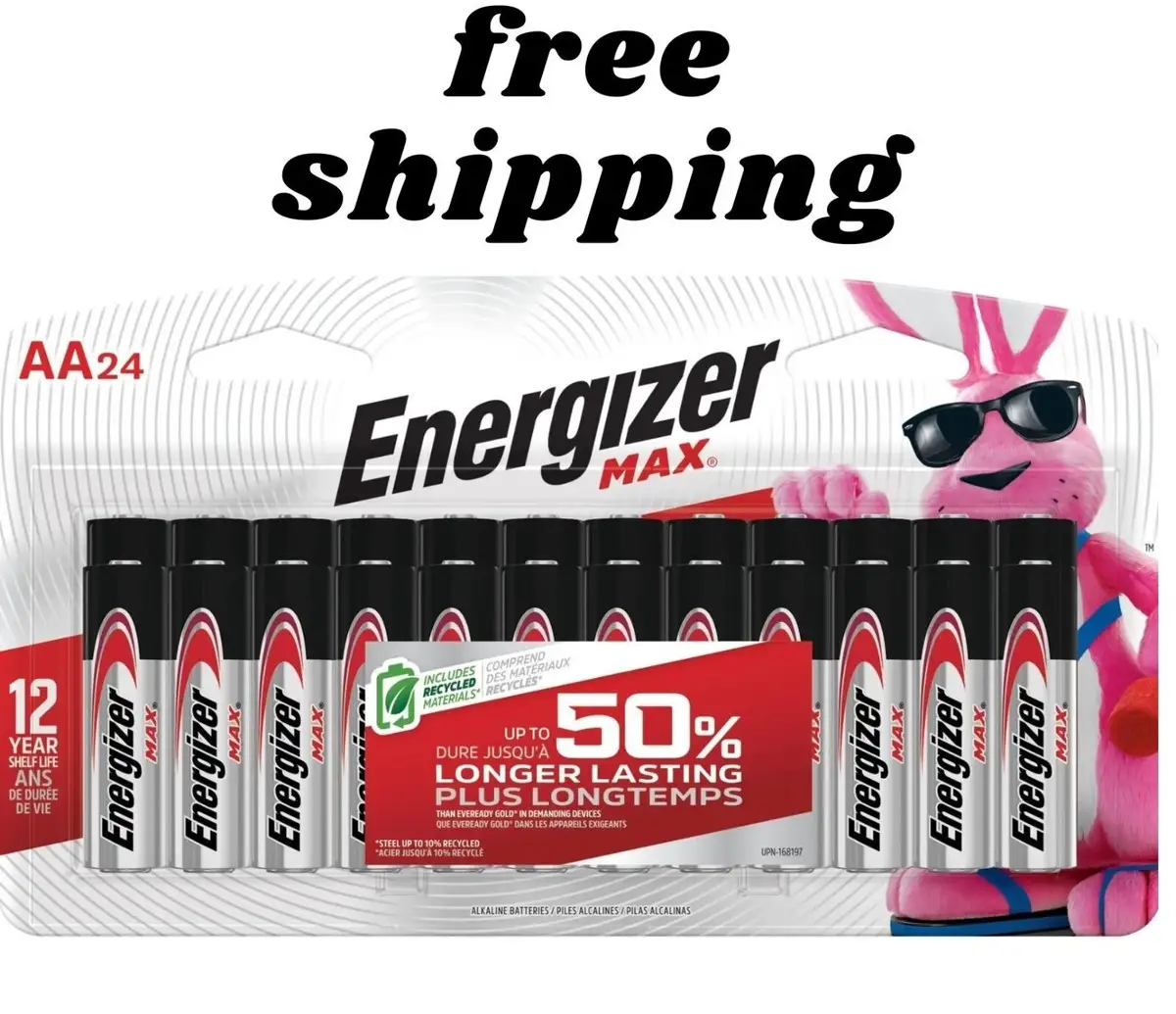
Energizer MAX AA 16-Pack Review: Reliable Buy? 8.6/10
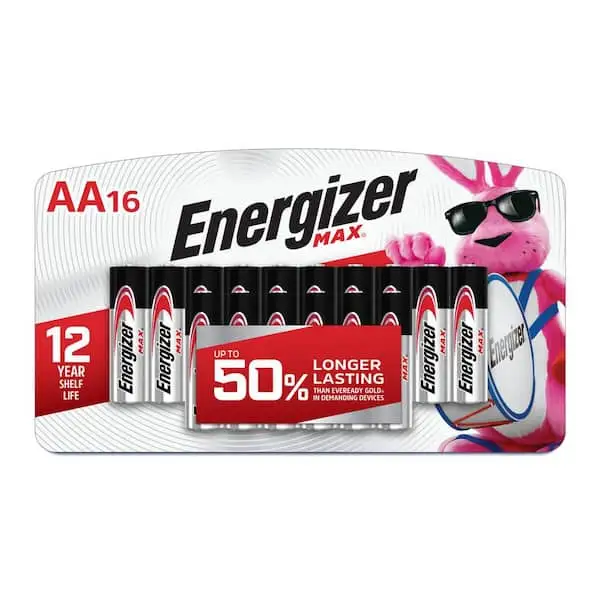
A Best Buy reviewer summed up the appeal in five words: “they keep going and going.” Energizer MAX AA Batteries (16 Pack) earn a verdict that’s more practical than glamorous: dependable everyday AAs with broad satisfaction across retailers, plus a small but real price-and-packaging gripe. Score: 8.6/10.
Quick Verdict
Energizer MAX AA Batteries (16 Pack): Yes—especially for low-to-mid drain household devices (remotes, clocks, flashlights, toys), where shoppers repeatedly praise longevity and reliability.
| What matters | Verdict | Evidence from users |
|---|---|---|
| Battery life (everyday devices) | Strong | Best Buy user moab 461: “these hold up to their demand.” |
| Reliability/consistency | Strong | Best Buy user huey: “consistent quality and great shelf life.” |
| Value when priced right | Usually good | Best Buy user scorka: “good price great batteries, no complaints.” |
| Price swings | Can frustrate | Best Buy user superk 734: “priced too high… I wouldn’t buy again.” |
| Leak concerns | Mostly reassured | Best Buy reviewer: “i like that fact that they don't leak.” |
| Convenience (availability/stocking up) | Strong | Best Buy user karenk: “glad to find a large pack of batteries.” |
Claims vs Reality
Energizer MAX AA Batteries (16 Pack) are marketed around long life, leak resistance, and being ready after storage. Digging deeper into user reports, the “long-lasting” claim is the one that shows up most consistently in day-to-day stories—especially in household items that sip power rather than gulp it. Best Buy user audi forme put it plainly: “I don’t have to buy these very often. seem to last longer than other brands.” Another shopper, vine, echoed the comparison-shopping angle: “seems to last longer than other brands.”
But “long-lasting” also depends on what you put them in. TheGunZone’s long-form review (community-style writeup) frames a realistic boundary: in “low-to-medium drain devices,” they “last several months,” while “more demanding devices” shorten that lifespan. Their device list reads like the classic Energizer MAX use case—“remote controls… wireless computer mouse… toys… flashlights… clocks”—and they describe “reliable, consistent power” across those scenarios.
Leak protection claims get indirect support: instead of users reporting catastrophic leakage, many mention peace of mind and “no issues.” A Best Buy reviewer specifically praised non-leak behavior: “i like that fact that they don't leak.” Meanwhile, the official Amazon description emphasizes leak protection “for up to two years after… fully used.” While users don’t typically quantify that two-year window, the absence of widespread leakage complaints in the provided snippets aligns with that promise more than it contradicts it.
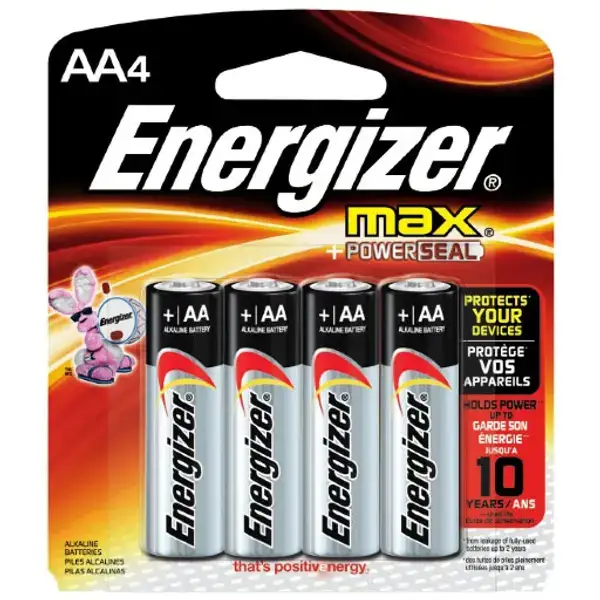
The shelf-life claim is another place where marketing meets real-life behavior, mostly through people who stock up. Best Buy user huey tied brand trust to storage readiness: “consistent quality and great shelf life.” A different Best Buy reviewer, oled 4 ever, pointed to the practical shopping signal: “lengthy expiration date.” Still, if you’re buying purely on value, the real-world friction point isn’t chemistry—it’s price at checkout. Best Buy user superk 734 described a pricing mismatch: “on the rack the price said one thing and when i got to register it was more… i wouldn’t buy again.”
Cross-Platform Consensus
Universally Praised
A recurring pattern emerged across retailer reviews: Energizer MAX AA Batteries (16 Pack) are treated less like a “product experience” and more like infrastructure—something people rely on when they can’t afford surprises. For parents and busy households, longevity is framed as fewer emergency runs to the store. Best Buy user moab 461 described high-consumption family use: “i have two kids under 10 that blow through batteries. these hold up to their demand. energizer all the way.” That’s not a lab test, but it’s the kind of real-life stress scenario that explains why certain buyers stick with a brand.
For people using AAs in flashlights and emergency gear, the story is about reliability under pressure. Best Buy user coolv wrote: “purchased these batteries for my flash lights. they are as good as advertised and long lasting.” TheGunZone review also connects that reliability to outages, describing “peace of mind… using a flashlight during a power outage” and calling it “a repeat purchase.”
For everyday electronics users—remote controls, clocks, mice—the praise is less dramatic but more consistent. Best Buy user panther 43 said: “good battery i always buy this brand and it last longer than any other brand.” Another shopper, stingray, compared them to generics: “good quality and last longer than generic brands.” In the broader Best Buy review set, one user summarized the whole category expectation in a simple endorsement: “energizer are the go to batteries. always reliable and long lasting.”
After those stories, the consensus reads like this:
- Many buyers praise “last longer” performance versus store/generic brands.
- Reliability and shelf-life come up often when stocking up for household use.
- Use cases skew strongly toward remotes, toys, flashlights, clocks, and controllers.
Common Complaints
Complaints exist, but they cluster more around shopping friction than battery failures. The most concrete negative story in the data is pricing dissatisfaction. Best Buy user superk 734 gave a shopper’s-eye view of the problem: “priced too high… on the rack the price said one thing and when i got to register it was more… i wouldn’t buy again.” That’s not a critique of performance; it’s a warning that perceived value can evaporate depending on retailer pricing accuracy and timing.
There’s also an undercurrent that these are still disposable alkalines, which matters to frequent users. TheGunZone review frames the downside directly: “non-rechargeable… can be wasteful for frequent users,” and flags “cost… in the long run if you use a lot of them.” For heavy-drain device owners, that “long run” economics can bite—especially if you’re burning through packs in controllers or toys.
Packaging concerns are mentioned in the aggregated Best Buy summary (“minor packaging concerns”), even if the provided individual snippets don’t elaborate. The fact that it’s surfaced at the “customers are saying” level suggests it appears often enough in the full review corpus to be noticed, even if it’s not the dominant theme in the excerpts here.
After digging through those negatives, the recurring complaint profile is:
- Price sensitivity and checkout/rack mismatch can sour the purchase.
- Disposable nature makes frequent replacement costly for high-usage households.
- Some shoppers flag packaging as a minor annoyance.
Divisive Features
The biggest split is whether Energizer MAX AA Batteries (16 Pack) feel “worth it” compared with cheaper alternatives. Some users argue the longer life pays back over time. Best Buy user green girl framed it as economics: “energizers always last and are cost efficient over time.” Others see the category as commoditized unless the price is right. Best Buy user ty breezy took a neutral stance: “regular ole batteries. last for a while at least ! !”—good enough, but not a revelation.
There’s also debate by comparison brand. Best Buy user lally said: “i would recommend energizer just as good as dure cell,” while big snoop pushed a stronger competitive claim: “last longer than store brand, duracell and amazon batteries.” The split here isn’t about whether they work; it’s about how much better (if at all) they are than other mainstream AAs in your particular devices and shopping prices.
Trust & Reliability
Trust issues in this dataset don’t read like “scam” alarms; instead, they show up as repeat-buying behavior and long-term familiarity. TheGunZone reviewer describes purchasing “repeatedly… over the years” and calls them “dependable.” On Best Buy, the tone is similar: usafrdoc wrote, “no issues,” while huey emphasized “consistent quality.”
However, the “Trustpilot (Verified)” bucket here is actually a duplication of Best Buy’s review page content rather than a distinct verified-review platform pattern. Since it doesn’t introduce new user reports or a separate moderation context, it doesn’t add unique trust signals beyond Best Buy’s own customer reviews.
Where long-term durability is concerned, direct “6 months later” Reddit-style posts aren’t present in the provided data. The closest long-horizon signal comes from theGunzone narrative (“over the years… repeatedly purchased”) and from Best Buy’s general framing around shelf life and dependability, like huey’s “great shelf life” and oled 4 ever’s “lengthy expiration date.”
Alternatives
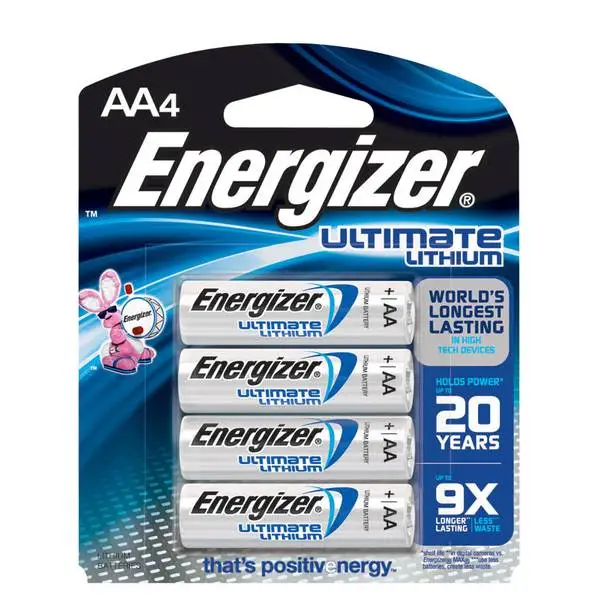
Alternatives mentioned in the data are primarily other Energizer lines and a few brand comparisons from reviewers. Amazon’s manufacturer table positions Energizer MAX AA Batteries (16 Pack) as “everyday low to mid-drain electronics,” while “Energizer Ultimate Lithium” is framed for “high-tech and smart devices” and “extreme temperatures,” and “Energizer Recharge” for repeated replacement scenarios.
That matches how users talk about MAX: strong for household basics, but potentially less cost-effective if you constantly churn through batteries. TheGunZone review spells that out with its “non-rechargeable” con, and users like moab 461 show what heavy usage looks like in practice. If you’re the kind of buyer whose kids “blow through batteries,” the Recharge line (mentioned in Amazon’s comparison table) is the only explicitly named path in the data that targets that pain.
Reviewer comparisons also mention Duracell and store brands as the everyday cross-shopping set. Best Buy user big snoop claimed MAX “last longer than store brand, duracell and amazon batteries,” while lally called them “just as good as dure cell.” So the alternative choice, based on user sentiment here, often comes down to price at the moment you buy rather than a clear-cut performance gulf.
Price & Value
Price and value show up in two ways: what retailers charge, and whether users feel the lifespan justifies it. Best Buy listings in the dataset show the same 16-pack model appearing at different prices (e.g., $13.99 in one review page excerpt; $19.49/$19.99 in another), and Walgreens lists a sale price ($17.99 from $22.99). That spread explains why some people call them “a great buy” while another says “priced too high.”
On resale/market pricing, eBay listings show the 16-pack hovering around roughly $11.99–$13.20 in the provided examples, with multipacks higher. These aren’t “collector” items; the resale trend reads like commodity replenishment pricing. One eBay seller note also mentions “packaging have some wear and tear,” hinting that bargain listings may involve imperfect retail packaging rather than different batteries.
Buying tips emerge indirectly from user behavior:
- Stock up when promotions hit: Best Buy user sd cult said, “better when on sale.”
- If you’re price-sensitive, verify checkout price consistency (superk 734’s complaint).
- For everyday devices, many users feel paying “a tiny bit more” is worth it: one Best Buy reviewer wrote, “better to pay a tiny bit more for more battery life.”
FAQ
Q: Do Energizer MAX AA batteries really last longer than other brands?
A: Many buyers say yes, especially versus store or generic brands. Best Buy user stingray wrote they “last longer than generic brands,” and big snoop claimed they “last longer than store brand, duracell and amazon batteries.” Others are less definitive, with lally saying they’re “just as good as dure cell.”
Q: Are these good for remotes, clocks, and flashlights?
A: Yes—those are the most common real-world use cases in the data. Best Buy user coolv bought them “for my flash lights” and called them “long lasting.” TheGunZone review lists “remote controls… flashlights… clocks” and says they delivered “reliable, consistent power” across those everyday devices.
Q: Do users report leaking or corrosion issues?
A: Direct leakage complaints don’t appear in the provided excerpts; some users explicitly praise the opposite. One Best Buy reviewer said, “i like that fact that they don't leak.” The Amazon product description also emphasizes leak protection “for up to two years” after the batteries are fully used, which aligns with the generally low concern shown in the snippets.
Q: Is the 16-pack a good value?
A: It depends heavily on the price at your retailer. Some users call them a “great buy” and “cost efficient over time,” but Best Buy user superk 734 said they were “priced too high” and wouldn’t repurchase. Watching for sales (as sd cult suggested: “better when on sale”) is a recurring practical strategy.
Q: Should heavy users consider another option?
A: Frequent replacement is where some users see the downside. TheGunZone review lists “non-rechargeable” as a con and warns that it “can become costly in the long run if you use a lot of them.” Amazon’s brand comparison table mentions “Energizer Recharge” for “everyday devices that require consistent replacement,” which matches that concern.
Final Verdict
Energizer MAX AA Batteries (16 Pack): Buy if you’re stocking up for low-to-mid drain household staples—remotes, clocks, flashlights, toys—and you want the kind of reliability that has people saying, “we can always count on energizer batteries.” Avoid if you’re only buying at a premium price point or you burn through AAs constantly and resent disposable costs.
Pro tip from the community: wait for a deal—Best Buy user sd cult put it bluntly: “better when on sale.”