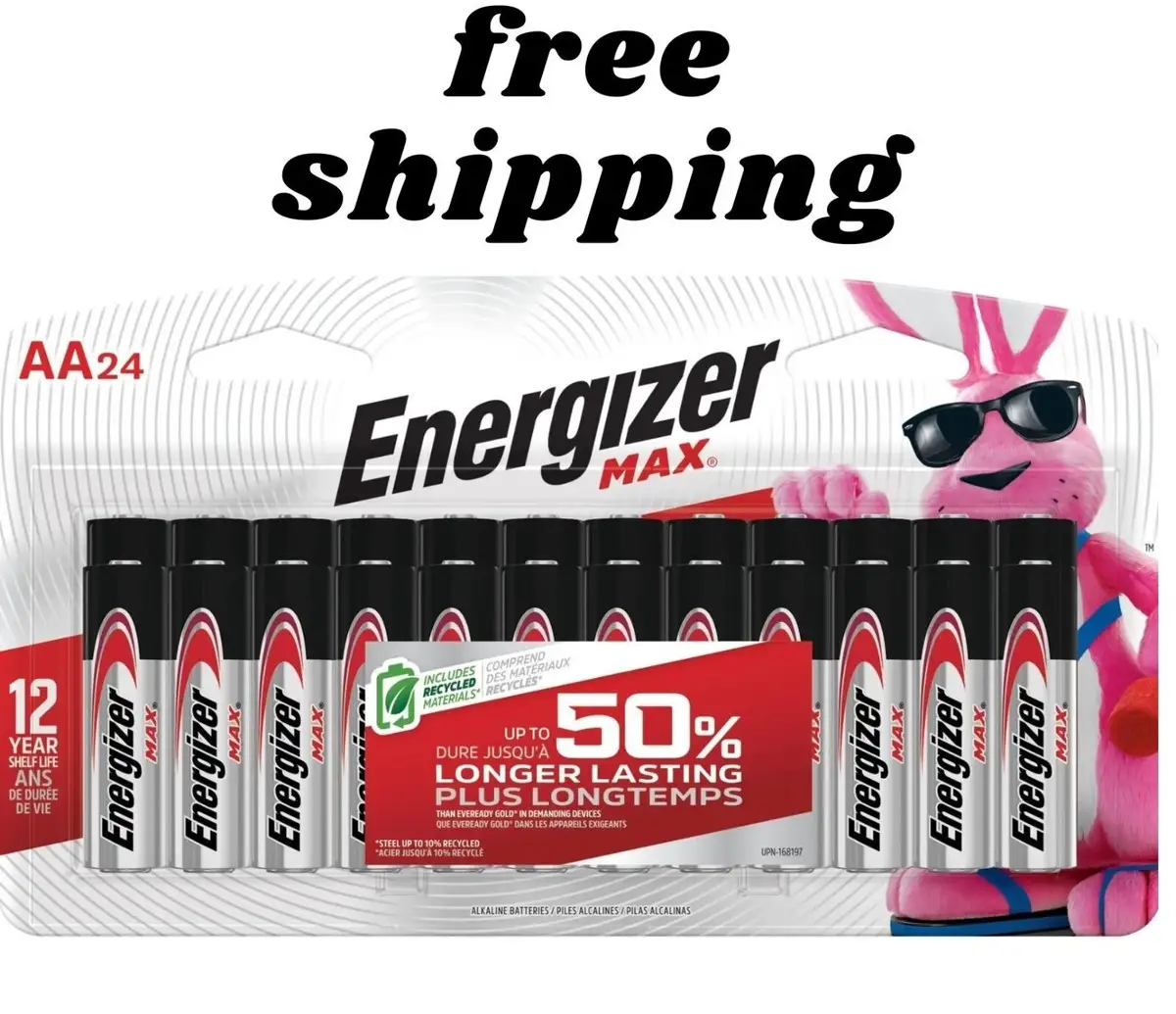
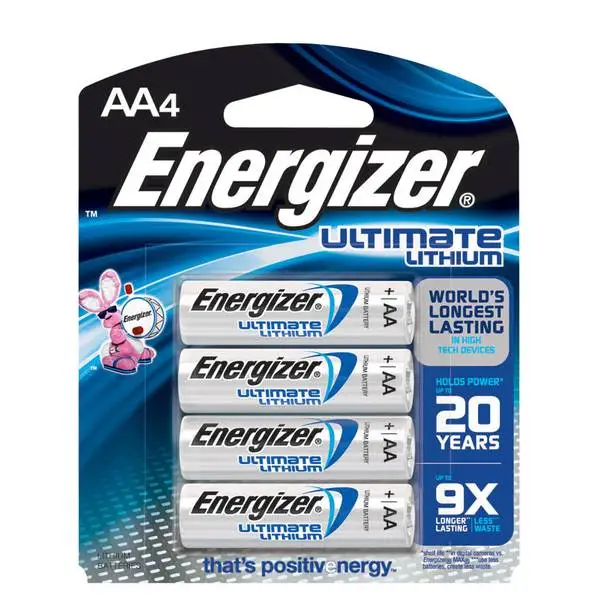
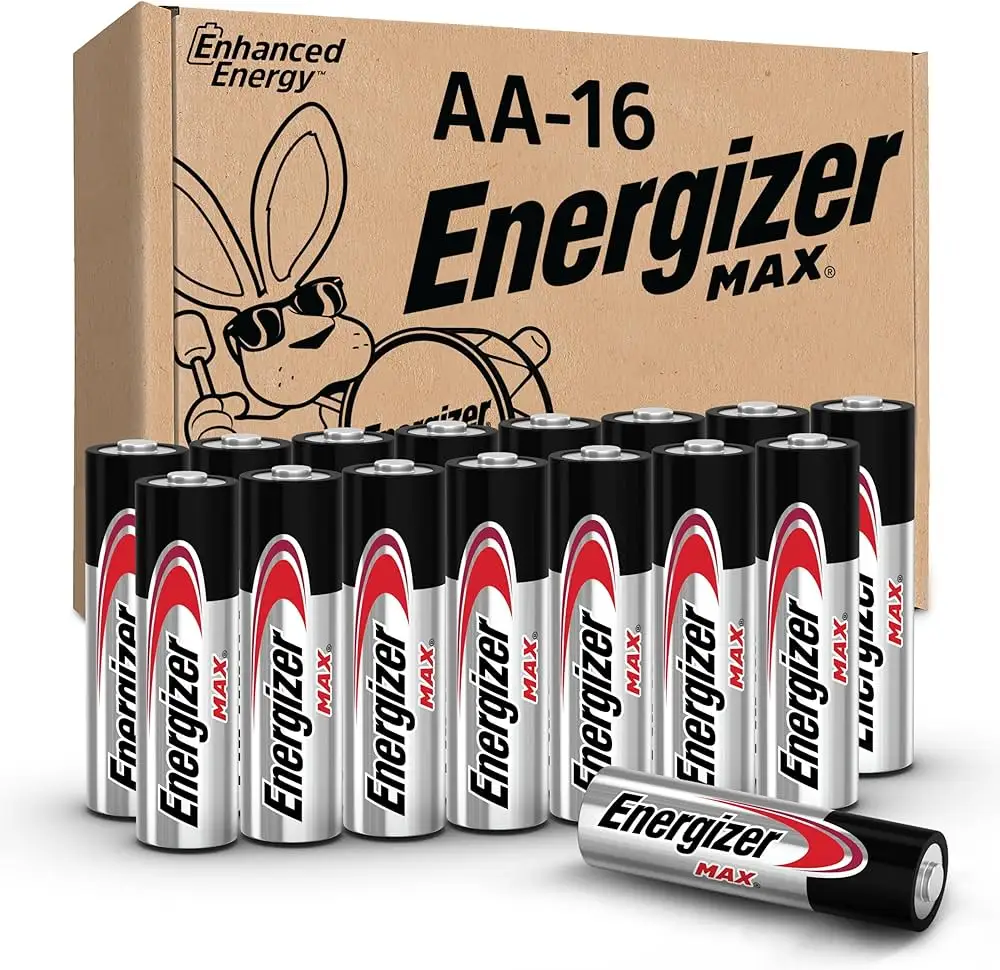
Energizer MAX AA 16 Pack Review: Dependable 8.7/10
“These hold up to their demand.” That single Best Buy line from reviewer moab 461 captures the dominant theme across platforms: for everyday devices, Energizer MAX AA Batteries (16 Pack) are widely treated as the dependable default—tempered by occasional gripes about price and packaging. Verdict: 8.7/10.
Quick Verdict
For Energizer MAX AA Batteries (16 Pack), the answer is Yes (conditional): yes for remotes, clocks, flashlights, and household staples; conditional if you’re price-sensitive or primarily powering high-drain gear where performance can vary.
| What buyers focus on | What they say (with source) | Who it matters for |
|---|---|---|
| Long-lasting in daily devices | Best Buy user audi forme: “seem to last longer than other brands.” | Families, offices, anyone tired of frequent swaps |
| Reliability / consistency | Best Buy user huey: “consistent quality and great shelf life.” | Emergency kits, seasonal devices |
| Works “as expected” | Amazon reviewer: “work as it should.” | People who just need dependable AAs |
| Better than generics (often) | Best Buy user stingray: “last longer than generic brands.” | Budget shoppers deciding between store brand vs name brand |
| Price frustration (sometimes) | Best Buy user superk 734: “priced too high… wouldn’t buy again.” | Deal hunters |
| Packaging/shipping annoyance | Amazon reviewer: “inside a way too large cardboard box.” | Online buyers who care about shipping quality |
Claims vs Reality
Digging deeper into the marketing, the official Amazon listing leans hard on longevity and protection—“up to 50% longer lasting than basic alkaline… in demanding devices,” “hold their power for up to 10 years while in storage,” and leak protection “up to two years after fully used.” User feedback mostly supports the everyday-use story, while independent testing data introduces nuance for high-drain scenarios.
Claim 1: “Longer lasting” power in real life.
On Best Buy, people repeatedly frame these as a “buy less often” battery. Reviewer audi forme wrote: “I don’t have to buy these very often,” and panther 43 kept it blunt: “it last longer than any other brand.” The practical implication shows up most for households that burn through AAs in toys and controllers—moab 461: “I have two kids under 10 that blow through batteries. these hold up to their demand.”
But the “demanding devices” claim gets complicated when you compare it to lab-style results from CHOICE, which scored performance (high drain) 52% and endurance (high drain) 58%, while rating low-drain endurance much higher (91%). That lines up with the user pattern: rave reviews for remotes, clocks, and flashlights, and fewer concrete “camera-flash” type success stories.
Claim 2: “Great shelf life / storage readiness.”
The Amazon page states these “hold their power for up to 10 years while in storage.” User language echoes the idea of dependability and readiness more than exact timeframes. Best Buy user huey said: “we can always count on energizer batteries for consistent quality and great shelf life.” For people stocking emergency flashlights or keeping spares in drawers, that “count on” framing matters more than the number.
CHOICE’s low-drain results also support the “sit-and-work” use case: performance (low drain) 83% and endurance (low drain) 91%, the sort of profile that matches remotes and clocks—the very examples used in the Amazon specs.
Claim 3: Leak resistance / device protection.
Officially, Amazon claims leak protection “for up to two years after fully used.” Users don’t flood reviews with leak horror stories; instead, the absence of problems becomes the story. A Best Buy reviewer highlighted exactly that point: “i like that fact that they don't leak.” Another long-time tone from TheGunZone’s review emphasizes, “I’ve never experienced any leaking or corrosion issues with these batteries,” portraying leak resistance as part of why they’re a repeat purchase.
Cross-Platform Consensus
A recurring pattern emerged across Best Buy and Amazon: people aren’t buying these for novelty—they’re buying them to remove friction from daily life. The reviews that feel most “real” are the ones tied to specific household routines: kids’ toys, flashlights for outages, and the never-ending remote-control battery swap.
Universally Praised
1) “They just last” in everyday, low-to-mid drain devices.
Across Best Buy’s smaller 16-pack page, buyers repeatedly describe longer intervals between replacements. Audi forme wrote: “I don’t have to buy these very often,” while vine echoed: “seems to last longer than other brands.” For parents and caregivers, that translates to fewer interruptions—moab 461’s “two kids under 10” anecdote frames the batteries as a way to keep toys running without constant scavenger hunts for spares.
On Amazon, one reviewer framed the purchase as routine preparedness rather than excitement: “I have plenty of replaceable batteries when i need to replace the batteries for the radio.” The impact here is simple: for households with multiple small devices, a 16-pack functions like a refillable pantry staple.
2) Dependability that feels consistent across purchases.
People lean on brand trust, but they also describe repeatable outcomes. Best Buy user huey called out “consistent quality,” and usafrdoc said they “do exactly what it’s supposed to do. no issues.” For small business owners and workplaces, that reliability angle comes through in the larger Best Buy review feed too, where one buyer wrote: “needed them for my business. all good and will buy them again.”
That theme isn’t limited to one device type. Coolv tied the same “as advertised” trust to a practical use case: “purchased these batteries for my flash lights… long lasting.” For emergency-kit builders, the value is not just capacity—it’s confidence.
3) Better than generic/store brands (and sometimes even other name brands).
Several Best Buy reviewers make direct comparisons. Stingray wrote they “last longer than generic brands,” and big snoop went further: “last longer than store brand, duracell and amazon batteries.” For shoppers standing in an aisle deciding between house brand and Energizer, those comments function as real-world justification for paying more—at least when the price feels fair.
TheGunZone’s long-form review adds a narrative version of the same point, describing “reliable, consistent power” across remotes, a wireless mouse, toys, flashlights, clocks, and gaming controllers—painting the batteries as versatile household insurance rather than specialized performance cells.
Common Complaints
1) Price sensitivity and checkout surprises.
The most pointed frustration in the Best Buy 16-pack sample is about cost rather than performance. Superk 734 gave a 3-star review centered on pricing: “priced too high… on the rack the price said one thing and when i got to register it was more… i wouldn’t buy again.” That’s not an indictment of battery life—it’s a reminder that perceived value can collapse when pricing feels inconsistent.
Even positive reviewers sometimes hint at “it’s just batteries” pragmatism. Burrito’s 4-star “just batteries” tone suggests that for some shoppers, the product only needs to be “reasonable,” and the deciding factor becomes price per cell.
2) Packaging and shipping experience (online).
Amazon feedback includes comments where the product isn’t criticized—but the fulfillment is. One reviewer praised the “nice compact package” yet complained it arrived “inside a way too large cardboard box.” Another 3-star review described dissatisfaction driven by how items were packed together: “my attitude was tainted by the way the aaa batteries were handled… in the same box without any packing.” For online buyers, especially those ordering multiple battery types, packaging can color the entire impression even when the cells perform fine.
3) Not everyone can verify performance immediately.
A few Amazon reviews are essentially non-evaluations—like the gift buyer: “unable to give a review… bought this as a gift.” That doesn’t count as negative performance feedback, but it shows how star averages can include people who are rating the transaction more than the battery lifespan.
Divisive Features
“Good enough for everything” vs “best only in certain devices.”
Many shoppers treat these as an all-purpose solution—Best Buy user green girl: “energizers always last and are cost efficient over time,” and another reviewer in the large Best Buy feed claimed: “best on the market for daily use in just about everything.” That broad confidence tends to come from low-to-mid drain contexts: remotes, clocks, thermometers, toys.
Yet independent testing from CHOICE draws a clear line: much stronger low-drain endurance than high-drain performance. While the Amazon page markets “demanding devices,” CHOICE’s high-drain performance score (52%) suggests the experience may not always match the marketing in the most power-hungry scenarios. The feedback doesn’t explode with high-drain complaints—but the evidence base is mixed: glowing general-purpose anecdotes vs more modest lab high-drain results.
Trust & Reliability
A notable pattern in the “Trustpilot” slot is that it does not introduce a separate set of scam allegations—it simply repeats the Best Buy review feed, where the dominant story is satisfaction with battery life and consistency. Instead of fraud concerns, the trust signal here comes from repetition: people describe this as a brand they “always buy,” like panther 43: “good battery i always buy this brand,” and the long-timer vibe from big snoop, who reviewed after owning for years.
For longer-term durability stories, TheGunZone review reads like a multi-year relationship with the product: “over the years, i have repeatedly purchased these…” and specifically calls out no leak/corrosion issues: “I’ve never experienced any leaking or corrosion issues.” Best Buy’s tom1 adds the household-staple angle: “batteries that we all need and always in stock,” pointing to availability and predictability as part of reliability—not only runtime.
Alternatives
Only a few competitors are explicitly mentioned by users and sources, but the comparison is still telling. Best Buy reviewers repeatedly benchmark against Duracell and “generic/store brand” options. Lally wrote: “i would recommend energizer just as good as dure cell,” while big snoop asserted: “last longer than store brand, duracell and amazon batteries.” That kind of comment matters most to shoppers who are not chasing the absolute best chemistry—just trying to pick the “least annoying” battery to keep around.
CHOICE’s commentary adds another alternative class: lithium. It notes, “lithium batteries may give you better performance overall,” especially relevant for high-drain devices, though it frames value as a tradeoff. So the practical takeaway is: if your use is mostly remotes/clocks/toys, users describe Energizer MAX as beating generics; if you’re powering high-drain devices often, some may look toward lithium despite cost.
Price & Value
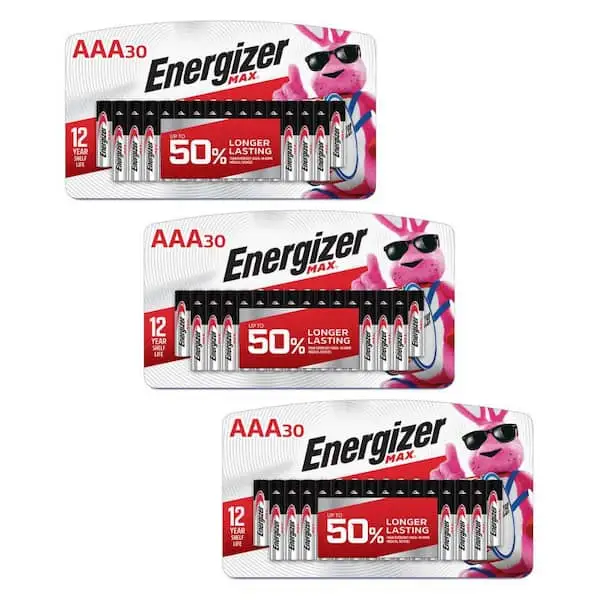
The price story varies by retailer and context. Best Buy lists $13.99 for the 16-pack (sold out in that snapshot), while another Best Buy page shows $19.49 for a 16-pack variant—enough spread to explain why “value” can feel inconsistent. That volatility is exactly what fuels complaints like superk 734’s register surprise: “on the rack the price said one thing and when i got to register it was more.”
On eBay, listings suggest a broad market range for Energizer MAX AAs, with examples like “energizer max 16 aa batteries $12.50 new” and another listing at “$11.99… free shipping,” alongside other pack sizes. For deal hunters, that implies two buying strategies reflected in user behavior: buy larger packs when pricing is good, or shop around across channels.
Community “buying tips” show up indirectly as behavior: Amazon reviewers talk about stocking up—“buy more for less”—and Best Buy comments frame the pack as a way to stay covered: one duck toe wrote: “went all out and got the 16 pack… have enough for the flashlights and the remote.” The underlying value pitch is not luxury; it’s reducing emergency trips for replacements.
FAQ
Q: Do Energizer MAX AA (16-pack) actually last longer than other brands?
A: Many buyers say yes in everyday devices. Best Buy user audi forme noted: “seem to last longer than other brands,” and stingray said they “last longer than generic brands.” Independent CHOICE testing shows stronger low-drain results than high-drain performance, so device type matters.
Q: Are these good for remotes, clocks, and flashlights?
A: Feedback strongly supports those uses. Best Buy user coolv said they bought them for “flash lights” and found them “long lasting,” and Amazon’s product page explicitly targets “remote batteries” and “clock batteries.” CHOICE’s low-drain endurance score (91%) also aligns with remote-style loads.
Q: Do users report leaking issues?
A: Leak complaints are not prominent in the provided reviews. One Best Buy reviewer praised that they “don’t leak,” and TheGunZone review stated: “I’ve never experienced any leaking or corrosion issues.” Officially, Amazon claims protection against leaks for up to two years after fully used.
Q: What’s the biggest complaint from buyers?
A: Price and the buying experience show up most. Best Buy user superk 734 wrote: “priced too high… wouldn’t buy again,” focusing on a price mismatch at checkout. Some Amazon feedback also criticizes shipping/packaging, such as “inside a way too large cardboard box.”
Q: Are they worth it versus Duracell or store brands?
A: Several users say they beat generics and sometimes rival Duracell. Best Buy user lally said Energizer is “just as good as dure cell,” while big snoop claimed they last longer than “store brand” and “duracell.” Value depends heavily on the per-battery price where you buy.
Final Verdict
Buy Energizer MAX AA Batteries (16 Pack) if you’re a household power user stocking remotes, clocks, flashlights, toys, and controllers—and you want fewer battery swaps backed by lots of “lasts longer” anecdotes. Avoid if your main priority is lowest cost per cell or if price inconsistencies frustrate you—superk 734’s “priced too high” experience is the cautionary tale. Pro tip from the community: treat the 16-pack as coverage—one duck toe’s “enough for the flashlights and the remote”—and shop prices across retailers to make the value feel as good as the performance.