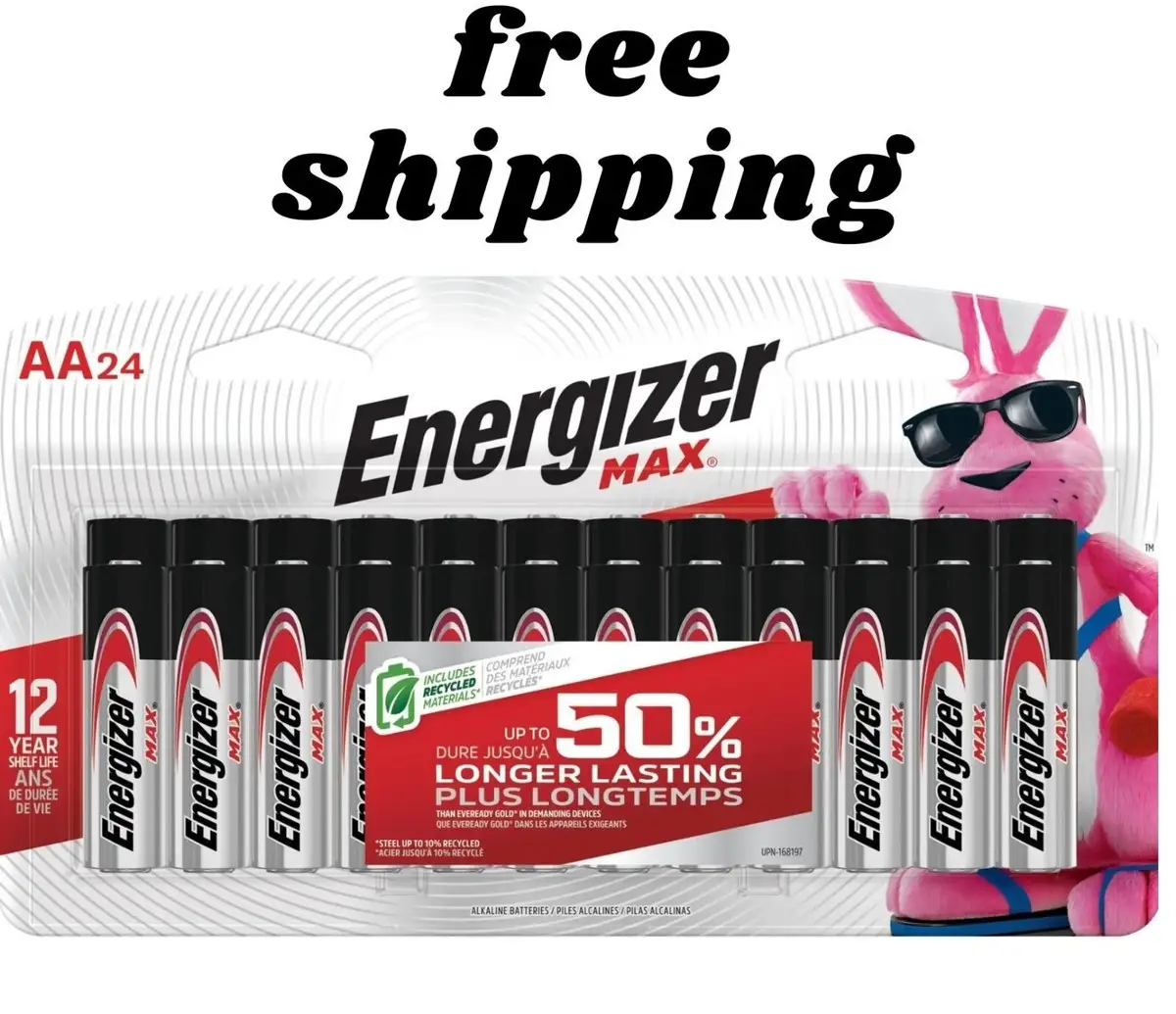
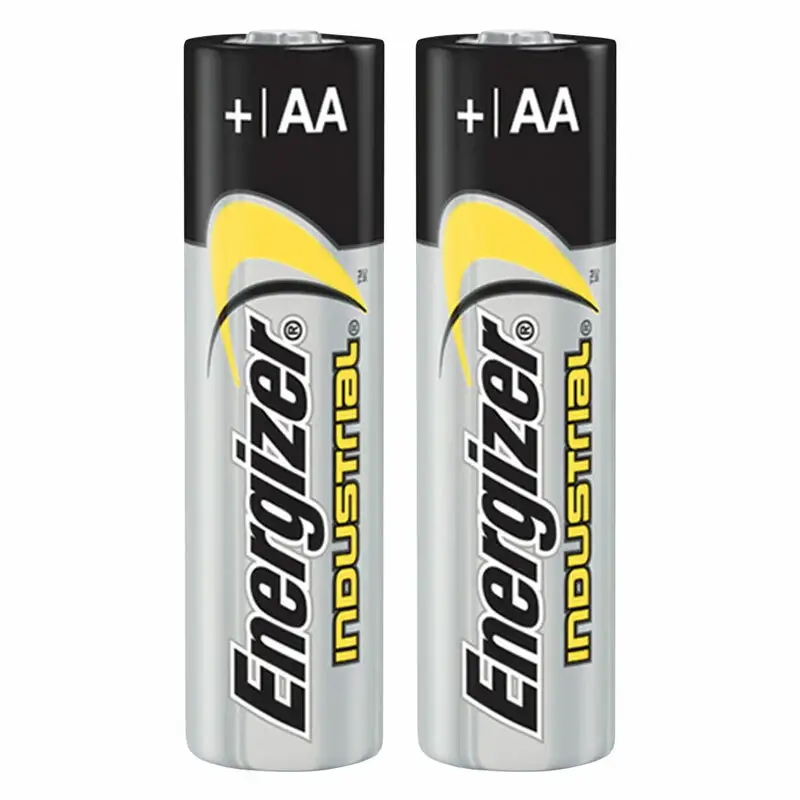
Energizer Industrial AA Batteries Review: Conditional Buy
A recurring theme emerged before any specs even mattered: leakage anxiety. One Walmart reviewer didn’t mince words, saying: “my last pack, half of them leaked before i even had a chance to use them.” Based on the provided cross-platform feedback, Energizer Industrial AA Batteries land a conditional verdict: dependable for many households buying in bulk, but with enough leak complaints and “old stock” worries to make cautious storage and sourcing part of the purchase decision. Score: 7.8/10
Quick Verdict
For people who churn through AAs (holiday decorations, remotes, kids’ gadgets), Energizer Industrial AA Batteries are often treated as a safe bulk buy—until they aren’t. Digging deeper into user reports, the praise focuses on convenience and brand trust, while the sharpest criticism centers on leaks and receiving older-dated inventory.
| Verdict | Who it fits best | Key evidence from users |
|---|---|---|
| Conditional Yes | Bulk buyers, emergency-prep households | A Walmart reviewer said: “by buying this bigger pack i don't have to worry about running out in an emergency.” |
| Yes | People prioritizing brand reliability over no-name cells | A Walmart reviewer wrote: “great batteries . this is our go to brand.” |
| Conditional | Anyone storing batteries long-term | A Walmart reviewer complained: “old stock… i was disappointed that i received old stock merchandise.” |
| No (risk-averse) | Users burned by leakage damage | A Walmart reviewer warned: “half of them leaked before i even had a chance to use them.” |
| Conditional | Remote/low-draw use | A Reddit commenter noted: “eneloops have never leaked on me… but they aren't so good for low-draw things like remotes…” (contrasting approach). |
Claims vs Reality
Marketing claim #1 is essentially longevity and readiness: Amazon describes “long-lasting power for everyday devices” and a “shelf life of up to 10 years,” positioning these AAs as the kind you buy once and forget until the power goes out. That storyline matches how some shoppers talk about bulk packs as a preparedness move. A Walmart reviewer framed it as reducing anxiety, writing: “by buying this bigger pack i don't have to worry about running out in an emergency.” Another echoed the utilitarian angle: “everything uses batteries . better to buy in bulk.”
But digging deeper, long storage is also where trust gets stress-tested. One Walmart reviewer said the logistics were fine but the dates disappointed them: “ordering / shipping / delivery went smoothly , however , i was disappointed that i received old stock merchandise.” For users who buy specifically for “up to 10 years in storage,” receiving inventory that feels older—whether it’s still within date codes or not—undercuts the emotional payoff of paying for “peace of mind.”
Marketing claim #2 leans into leak resistance. Amazon states the cells are “designed to protect against damaging leaks for up to two years after fully used.” In real-life reports, that’s the most contested promise. On Reddit, one poster described Energizer AAs that leaked after being set aside: “i tried to use them after 6 months or so and i see that they have leaked juice from the negative terminal.” The same thread escalates from a single incident to broader suspicion about battery quality: “something has changed in the past few years with energizer and duracell batteries , they leak a lot now.”
Marketing claim #3 is versatility—powering remotes, flashlights, thermometers, smart-home devices. The data supports that users do put Energizers into everything, but it’s also where users start drawing lines between alkaline vs lithium vs rechargeable depending on the device and risk tolerance. A Best Buy reviewer (Ultimate Lithium AA) explained the motivation bluntly: “i haven't had to worry about battery leakage like i do with alkalines.” That contrast doesn’t condemn the Industrial alkalines outright, but it shows where some shoppers migrate when the device is expensive or the battery sits “idle” for months.
Cross-Platform Consensus
Universally Praised
The strongest consensus is about bulk convenience and perceived dependability. Across Walmart-style reviews, the narrative is repetitive in a good way: buy a big pack, stop running out, keep life moving. One Walmart reviewer put it plainly: “good batteries… needed a load of batteries for the couple of christmas decorations that requires batteries.” That’s not about lab-measured capacity; it’s about removing friction in households where devices “eat batteries.”
For families with lots of small electronics, the benefit reads like a logistics upgrade. Another Walmart reviewer described the household reality—kids’ gear everywhere—and why bulk is the strategy: “we use enough batteries with all the kids ' gadgets and gizmos that buying in bulk is the way to go.” For that user type, Industrial-style packaging or big-count packs aren’t glamorous; they’re a way to stop emergency store runs.
A third consistent praise is value relative to brand-name expectations. People repeatedly justify Energizer by positioning it above no-name brands while still “worth it” when bought in larger quantities. On Walmart, one reviewer said: “got a large pack for the price of $ 24 thats a name brand . batteries are becoming so expensive now of days . so i got it from here.” On Trustpilot, the most helpful positive review is similarly direct: “great batteries at a great price.”
Even when users don’t gush, the baseline satisfaction shows up as “does what it’s supposed to do.” One Walmart reviewer summarized with: “exactly as advertised.” Another went for consistency: “consistently good quality.” For shoppers who treat batteries as infrastructure, that kind of unexciting reliability is the whole point.
- Common praise themes: bulk convenience, decent value on big packs, reliable everyday performance
- Typical use cases cited: Christmas decorations, remotes, flashlights, emergency stash
- Most repeated language: “great price,” “go to brand,” “exactly as advertised”
Common Complaints
Leakage is the complaint with the most emotional weight because it implies collateral damage—ruined devices, corroded terminals, cleanup. The strongest single negative line in the dataset is from Walmart: “my last pack , half of them leaked before i even had a chance to use them.” That’s not a nuanced critique; it’s a trust rupture. The same reviewer broadened it beyond Energizer: “same happened with dura cells . they are not making batteries like they used to.”
Reddit provides the most detailed story version of this failure mode. A poster described used Energizer AAs left aside and later found leaking: “i see that they have leaked juice from the negative terminal… their voltages were low ( around 0 . 5 - 0 . 6 vdc ).” Another update in the same thread expands the scope of the issue across devices and sizes: “checked my other 2x ac remotes with aaa… and all of the batteries have leaked… update 2: my bluetooth mouse battery also leaked.”
A second complaint cluster is inventory freshness and date expectations—less dramatic than leaks, but still a big deal for buyers who shop industrial/bulk specifically for storage. One Walmart reviewer spelled out the disappointment: “the 10 year date on the batteries was 2031 , i was expecting 2033.” In other words: even if the batteries are “good,” the buyer feels they didn’t receive the best remaining shelf-life, which changes value.
- Main complaint themes: leakage incidents, perceived decline in quality, older-dated stock
- Users most affected: people storing cells long-term, people leaving batteries in devices for months
- Risk narrative: “leaked before i even had a chance to use them” (device-damage fear)
Divisive Features
Leak resistance is the most divisive, because the dataset includes both “never leaked on me” experiences and intense negative incidents. In the Reddit thread, one commenter said: “i switched to energizer… the other one 's i used have never leaked as of now.” That stands in direct tension with the original poster’s experience and later updates describing multiple leaks. The divisiveness here isn’t subtle: for some, Energizer is the solution; for others, it’s the problem.
Another divisive area is what users consider “best” depending on device criticality. Some Best Buy lithium reviewers treat lithium as a leak-avoidance strategy when devices sit idle: “i've switched to using them in my remote controls… i haven't had to worry about battery leakage like i do with alkalines.” Meanwhile, the Reddit conversation acknowledges rechargeables like Eneloops, but also raises tradeoffs for low-drain devices: “they aren't so good for low-draw things like remotes… you have to replace \ recharge them every 6 months or so vs every couple of years for alkaline.” That split matters because it shows why people still buy alkalines—convenience and low self-drain—despite leak fears.
Trust & Reliability
Trust concerns show up less as “scam” and more as “can I rely on what arrives?” One Walmart reviewer’s “old stock” complaint is a reliability issue in slow motion: “ordering / shipping / delivery went smoothly , however , i was disappointed that i received old stock merchandise.” For preparedness-minded buyers, that isn’t trivial; shelf-life is part of the product.
The most severe trust breach is leakage before use. Trustpilot’s highlighted negative review reads like an accusation of declining manufacturing standards: “they don't make them like they used to… half of them leaked before i even had a chance to use them.” Reddit adds the long-term angle—what happens months later inside a remote or mouse—and that’s exactly where marketing “leak protection” meets real life. The Reddit poster’s timeline is explicit: “i tried to use them after 6 months or so… leaked.”
Alternatives
Only alternatives mentioned in the provided data are worth discussing, and users keep circling a few.
Rechargeables (especially Eneloops) come up as a “never leaked” benchmark in community talk, with a clear caveat. In the Reddit thread, one commenter stated: “eneloops have never leaked on me,” but also warned they can be annoying in low-draw remotes due to self-discharge: “you have to replace \ recharge them every 6 months or so vs every couple of years for alkaline.” That alternative fits users who prioritize avoiding corrosion over “set it and forget it” convenience.
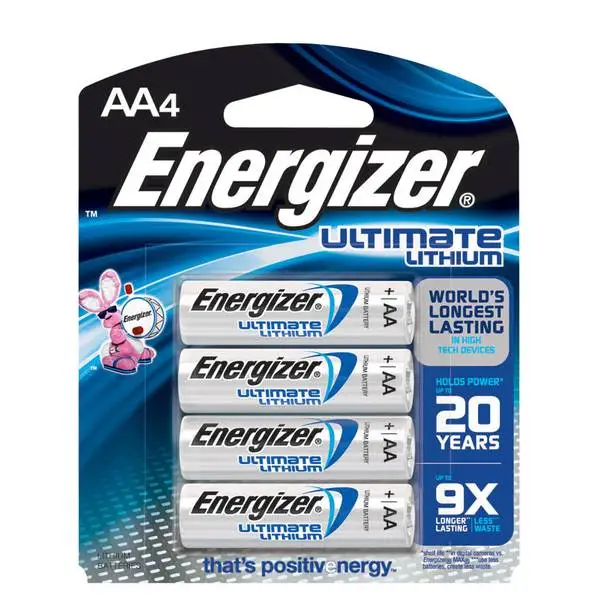
Energizer Ultimate Lithium is repeatedly framed on Best Buy as a premium option for high-value devices and long idle times. One Best Buy reviewer justified the price by focusing on avoiding alkaline leak risk: “yes , they cost more than alka lines , but i haven't had to worry about battery leakage like i do with alkalines.” Another put it in “important devices” terms: “best batteries for important devices ! doesn't leak like some other batteries.”
Duracell is mentioned mostly as a comparison point in decline narratives, not as a clear upgrade. Trustpilot’s negative review said: “same happened with dura cells,” and the Reddit thread opens with: “something has changed in the past few years with energizer and duracell batteries , they leak a lot now.” So while Duracell is a competitor, this dataset doesn’t present it as a reliable “escape hatch.”
Price & Value
The Amazon listing in the data shows $22.46 for 32 (about $0.70 per count), and bulk/industrial channels list EN91 around $0.60 each with quantity breaks (dropping far lower at high volume). That gap explains the user behavior: casual shoppers buy the convenience pack; institutions and heavy users hunt industrial pricing.
Value perception is strongest when buyers compare to local stores and rising battery prices. One Walmart reviewer said: “batteries are becoming so expensive now of days . so i got it from here.” Another framed bulk buying as a pragmatic hedge: “everything uses batteries . better to buy in bulk.”
Resale listings on eBay show constant availability of industrial EN91 lots with visible expiration years (often 2031–2036+). That matters because, in this dataset, date codes are part of what users scrutinize. If shelf-life is the reason you’re buying, community behavior suggests checking listings that clearly state “exp” dates—mirroring the Walmart “old stock” complaint.
Buying tips implied by the data:
- If batteries will sit in devices for months, some users shift to lithium to avoid leak anxiety.
- If buying alkalines for storage, pay attention to date codes/expiration year expectations.
- Bulk purchasing is where most people feel the “name brand” value lands.
FAQ
Q: Do Energizer Industrial AA batteries leak in storage?
A: Some users report serious leakage, while others don’t. A Walmart reviewer said: “half of them leaked before i even had a chance to use them.” On Reddit, one poster described leakage after “6 months or so” of being set aside. However, some commenters also said their Energizers “have never leaked.”
Q: Are these good for low-drain devices like TV remotes?
A: Many buyers use AAs for remotes and everyday devices, and bulk packs are popular for that. But storage-in-device is where leak concerns appear. Reddit users discussed rechargeables like Eneloops as an alternative, noting: “they aren't so good for low-draw things like remotes” due to self-discharge compared with alkaline.
Q: Do I need to worry about getting old stock?
A: Some shoppers do. A Walmart reviewer said: “i was disappointed that i received old stock merchandise,” explaining they expected a later “10 year date.” If long storage life is part of the reason you’re buying, the feedback suggests checking date codes/expiration info when possible.
Q: When do users recommend switching to lithium instead of alkaline?
A: The dataset suggests lithium becomes attractive when devices are expensive or sit idle for long periods. A Best Buy reviewer explained switching away from alkalines because: “i haven't had to worry about battery leakage like i do with alkalines.” Another said lithium is for “important devices” and “doesn't leak like some other batteries.”
Q: Are Energizer Industrial AAs actually different from other Energizer AAs?
A: The provided product pages suggest industrial EN91 cells are positioned as “professional-grade” and often sold in bulk packaging, and one source even notes: “sometimes it’s only the packaging.” The user feedback here focuses less on technical differences and more on outcomes—price per cell, shelf-life expectations, and leak experiences.
Final Verdict
Buy if you’re a bulk buyer powering lots of everyday devices and you value having a trusted name-brand stash on hand—like the Walmart reviewer who said buying bigger means “i don't have to worry about running out in an emergency.”
Avoid if you’ve been burned by corrosion damage or you plan to leave batteries sitting inside devices for months; the harshest warnings include: “half of them leaked before i even had a chance to use them,” and Reddit’s “6 months” storage leak story.
Pro tip from the community: For devices that sit idle and are costly to replace, several users lean toward lithium to reduce leak worry—one Best Buy reviewer said they switched because they “haven't had to worry about battery leakage like i do with alkalines.”