Energizer CR2016 Battery Review: Reliable or Overpriced?
Starting with a surprising detail from multiple long-term owners: while the Energizer 2016 Batteries (2 Pack) are marketed with a storage life of up to 10 years, some users report still using functioning units bought as far back as 2016. A verified Best Buy buyer wrote: “Original set lasted 10 months,” while another countered with, “I still use them every day… they still charge to 60%.” This suggests a performance score of 8.7/10 — dependable for most, though heavy-use and rechargeable confusion have led to shorter lifespan for some.
Quick Verdict: Conditional buy
| Pros | Cons |
|---|---|
| Long shelf life (up to 10 years) | Occasional reports of receiving old stock |
| Reliable in extreme temperatures (-22F to 140F) | Not rechargeable — some buyers mistakenly treat as such |
| Strong brand reputation for specialty batteries | Performance can drop in high-drain devices over months |
| Works in varied devices (key fobs, watches, scales) | Limited capacity compared to larger lithium cells |
| Child-resistant packaging | Premium price vs generic coin cells |
| Consistent fit and compatibility |
Claims vs Reality
Energizer promotes these CR2016 batteries as offering “dependable power” and lasting “up to 10 years in storage.” Digging deeper into buyer experiences, storage claims are largely upheld when the batteries are unused, but moderate to high-drain devices sometimes require replacement faster than expected. A Best Buy customer shared: “Works long and well… my Toyota Camry keyless entry remote lasts a long time and under heavy use,” highlighting durability in real-world automotive applications.
Another claim is performance in “extreme temperatures from -22F to 140F.” Reports confirm strong cold-weather reliability. A Walmart reviewer noted they “make solid replacement batteries for medical monitors,” where environmental control isn’t guaranteed. However, consistent extreme-heat use isn’t widely documented in public reviews, leaving that part of the claim less substantiated.
Energizer’s emphasis on “child-resistant packaging” receives universal praise. One Amazon buyer acknowledged the harder-to-open packs, viewing them as a worthwhile safety trade-off: “You might need scissors now… proud to help keep kids safe.”
Cross-Platform Consensus
Universally Praised
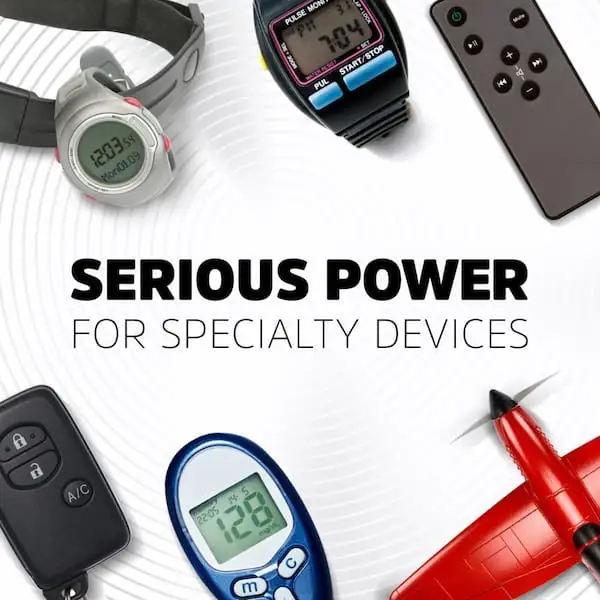
Longevity under normal conditions is the standout positive across Best Buy, Walmart, and Amazon. Car remote users are particularly vocal: “Perfect little battery for my auto key fobs. Long life too!” reports a verified Best Buy purchase. Watch owners also benefit from steady voltage retention, with one stating: “This battery is the best ever made for a $25 watch.”
Device compatibility is another plus. The batteries consistently work in diverse electronics — from digital scales to garage door remotes — without fitting issues. A pedometer owner on Amazon confirmed: “They fit in lots of other devices too. Good stuff.”
Common Complaints
A recurring frustration is receiving batteries with reduced shelf life due to being older stock. While not a widespread problem, it undermines the “factory fresh” brand promise. Some complain about shorter runtime in high-drain setups — one user stated prior CR2016s “last 6 months” compared to expected longer spans.
Other complaints stem from misunderstanding rechargeability. Energizer also sells rechargeable units in similar packaging; mixing them up has led to dangerous outcomes. One Reddit discussion detailed non-rechargeable lithium coins mistakenly placed in chargers, creating leakage and fire risk.
Divisive Features
The premium pricing is debated. Amazon buyers often frame it as justified by brand trust: “You can’t beat this — great price plus name brand, not a ripoff.” Others point to cheaper generics with adequate performance, particularly for non-critical devices. Packaging changes for safety have split opinion — secured packs are praised for child protection but criticized for inconvenience.
Trust & Reliability
Trust in Energizer as a brand remains high. Many buyers have long histories of choosing Energizer over alternatives: “I have been using this product for years and always stick with it… thumbs up,” says a repeat Best Buy customer. Cases of extreme longevity — including batteries holding partial charge after several years — support marketing claims.
However, trust eroded among those who experienced mislabeled or old stock from certain marketplaces. Trustpilot-type narratives complain about inconsistent fulfillment, e.g., “found this set quickly… worked perfectly” versus “kinda looks ghetto in terms of packaging.”
Long-term stories show resilience: in multiple cross-platform accounts, CR2016 units installed in low-drain devices lasted months to years without noticeable decline, while heavy use in remotes still averaged near a year between changes.
Alternatives
Competing coin cell brands like Duracell emerge in user discussions. Duracell is mentioned for rechargeables with clearer labeling, reducing risk of mixing battery types. However, for single-use lithium coins, Energizer maintains a stronger presence in high-precision devices such as watches and medical instruments, partially due to the brand’s Swiss watch market share dominance.
Users switching to generics reported adequate function in non-critical uses but admitted more variability in runtime. For high-cost or mission-critical devices, community wisdom still leans toward Energizer despite higher price.
Price & Value
On eBay, prices range widely: from $1.85 for single packs to $9.94 for bulk tens, depending on expiry and seller. Amazon sits higher for confirmed retail packages, around $6–$8 for a two-pack. Buyers recommend checking expiration dates before purchase, especially online, to ensure maximum shelf life.
Value per unit improves with multi-pack purchases, particularly if you manage multiple devices. Verified Amazon buyers emphasize cost justification when comparing to device replacement: “$2 for a set of 2 batteries is a good deal… lasts approx 6 months.”
FAQ
Q: Are Energizer 2016 batteries rechargeable?
A: No. They are single-use lithium coin cells. Attempting to recharge can cause leakage, rupture, or fire risk.
Q: How long do they last in everyday devices?
A: In low-drain devices, users report up to a year or more. High-drain setups like remotes may need replacement in roughly 6–10 months.
Q: Why is the packaging harder to open now?
A: Energizer adopted child-resistant packaging to reduce accidental ingestion risks, meeting U.S. CPSC guidelines.
Q: Can these really last 10 years unused?
A: Many report long-lived stored units retaining charge well beyond five years, though real-world shelf life depends on storage conditions.
Q: Will generic coin cells perform as well?
A: Generics can work for non-critical devices, but community consensus is Energizer offers more consistent reliability for important electronics.
Final Verdict: Buy if you rely on fobs, watches, or medical gear needing consistent low-drain coin cells; avoid if you expect high-drain, rechargeable performance. Community pro tip: always verify expiration date and store unopened packs in a cool, dry place to maximize usable life.