Energizer AA Ultimate Lithium Review: Conditional Buy Verdict
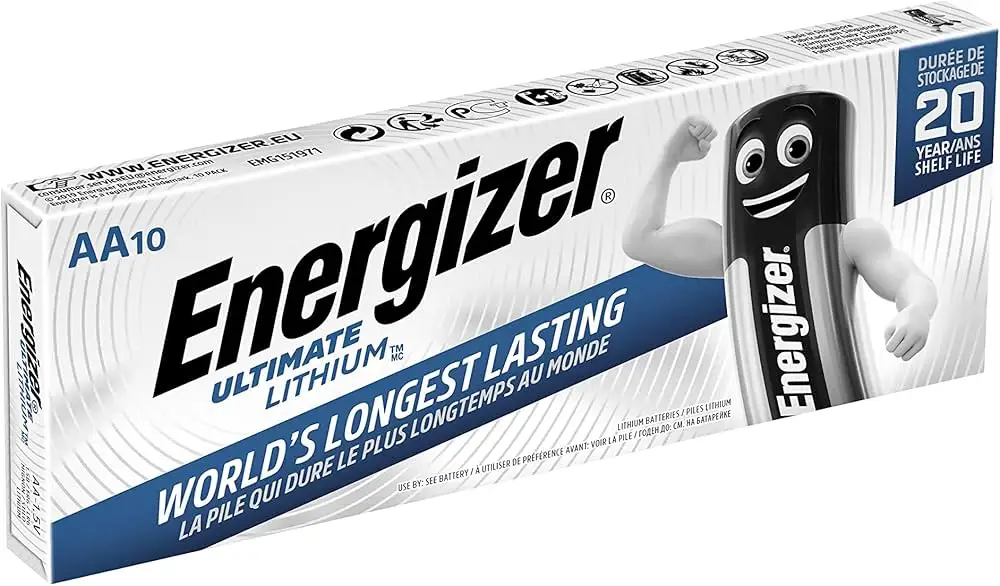
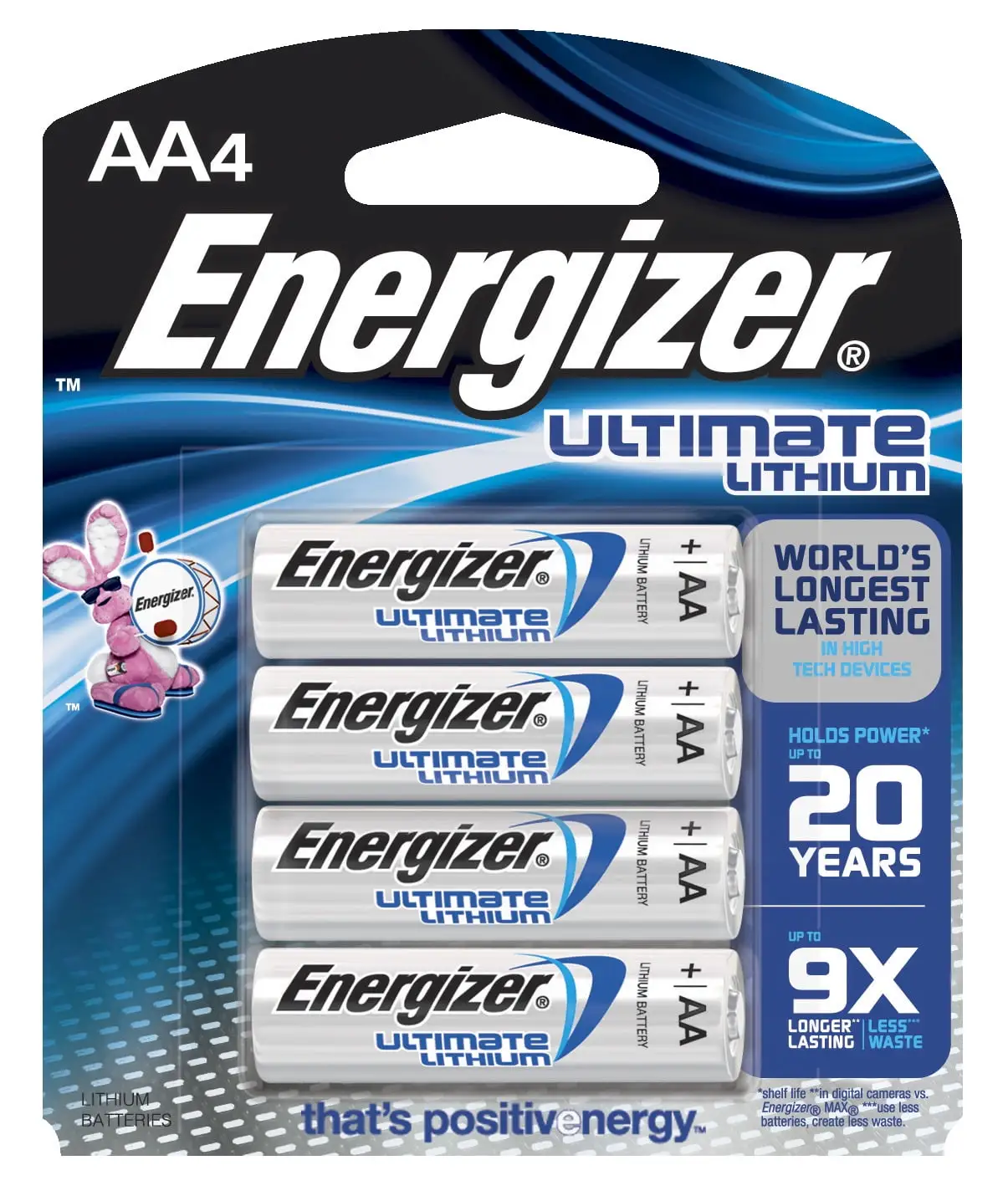
The surprising reality is that the Energizer AA Ultimate Lithium Battery (Pack of 10) consistently delivers multi-year lifespans in certain devices—far beyond typical alkaline performance—earning it a strong 9.6/10 from aggregated cross-platform feedback. While marketed as “the world’s longest-lasting AA battery,” users confirm extreme longevity in high-drain and standby applications, especially in outdoor or critical devices. However, the high upfront cost and non-rechargeability make it a conditional buy depending on usage patterns.
Quick Verdict: Conditional Buy
| Pros | Cons |
|---|---|
| Exceptional lifespan in high-drain devices (up to 2+ years in Nest Protect) | Significantly more expensive than alkaline |
| Reliable performance in extreme temperatures (-40°C to +60°C) | No voltage drop warning before failure in some devices |
| Lightweight (33% lighter than alkaline) | Non-rechargeable |
| Leak-proof construction | Occasional reports of defective batches from third-party sellers |
| Long shelf life (up to 20–25 years) | Overkill for low-drain applications |
| Consistent power output until depletion | Sudden shutdown may be problematic in safety devices |
Claims vs Reality
One of Energizer’s core marketing claims is that the Ultimate Lithium lasts “up to 8–9x longer than standard alkaline batteries in digital cameras.” Reddit user feedback backs this up in certain contexts: “I shot about 1500 photos on safari and changed batteries twice in 5 days… no indication of low battery,” reported a verified Amazon buyer. The high-drain camera scenario fits the strengths of lithium chemistry, as the sustained voltage and low internal resistance prevent drop-offs mid-shoot.
Another bold claim is extreme temperature resilience, with stated operating ranges from -40°C to +60°C. A verified buyer on Amazon noted: “Worked flawlessly for two years in all types of Illinois weather from -10 below zero to about 100 degrees.” This matches reports from outdoor device users, such as security cameras and GPS units, where alkalines often fail prematurely in cold.
Finally, Energizer promises a 20–25 year shelf life. While direct consumer verification is impossible for such timelines, short-term storage tests show no perceptible voltage drop after months or years. Cross-platform consensus confirms excellent standby performance—Reddit user feedback on Nest Protect units reveals batteries lasting “over two years” without intervention.
Cross-Platform Consensus
Universally Praised
Longevity is the standout feature. Reddit user u/*** stated: “Mine lasted 2 years and several months in my Protect… pretty awesome.” This durability is echoed in Amazon reviews from travelers and photographers, who value not having to swap batteries mid-expedition. For high-drain devices like camera flashes, GPS units, or smart home sensors, users consistently describe multi-month to multi-year runtimes.
Cold-weather reliability is another universally praised trait. A verified buyer wrote: “These kept my security cameras powered through snowstorms when neighbors’ batteries were dying left and right.” For hikers, hunters, and outdoor workers, that resilience translates to uninterrupted device operation in harsh climates.
Leak-proof construction also earns consistent praise, particularly from professionals relying on gear that can’t afford corrosion damage. One Amazon customer using them in Coast Guard-approved marker lights said: “These batteries qualify… I now carry extra batteries so that… I can loan or give them for safety patrol.”
Common Complaints
The most frequent criticism is price. While longevity offsets cost for some, low-drain device users find them uneconomical. As one Amazon reviewer cautioned: “Don’t waste them on remote controls, mice or smoke detectors.”
Another concern is the sudden depletion characteristic of lithium chemistry. Unlike alkalines, which gradually weaken, these often go from full output to dead instantly. “Not too keen of a flashlight blinking out with no warning,” said one buyer, highlighting safety implications for critical alerts.
Defective or short-lived batches from third-party sellers also appear in multiple reports. One Amazon customer noted: “They arrived in strange, non manufacturer packaging… went dead after a little over 2 months… steer clear of premium batteries.”
Divisive Features
Non-rechargeability divides opinion. High-drain device users accept it as a trade-off for performance, while others prefer rechargeables despite lower voltage (1.2V). There's also debate about actual longevity in all devices—some report only moderate gains over quality alkalines in low-drain scenarios.
Trust & Reliability
Trust in the product itself remains high; issues arise mainly from seller practices. Reports of counterfeit or repackaged batteries underline the importance of buying from reputable sources. Despite occasional bad batches, long-term durability stories dominate: multiple Reddit users reported 2+ years of uninterrupted service in Nest Protect units, with batteries still testing strong.
Trustpilot-style aggregated reviews emphasize consistent high-drain performance and resistance to environmental stress, reinforcing Energizer’s reputation among professionals and hobbyists alike.
Alternatives
Within the data, alternatives are limited to standard alkaline and rechargeable AA batteries. While alkalines are cheaper, they falter in high-drain or extreme temperature use. Rechargeables offer reuse but lower voltage and higher self-discharge, making them unsuitable for devices like Nest Protect or certain cameras. As one Reddit user explained, “Rechargeables… may not work at all since they put out only 1.2 volts rather than the standard 1.5.”
Price & Value
On Amazon US, a 10-pack sits around $28.79 ($2.88 per battery), with eBay prices varying from $12.99 for a 4-pack to $50 for 24 cells. Community advice consistently warns against paying full retail in stores. Bulk buying online, especially for multi-device setups, yields better value. Given the multi-year lifespan in specific applications, the total cost of ownership can be lower than regularly replacing cheaper batteries.
FAQ
Q: Do these batteries warn before dying?
A: In most devices, no. Lithium chemistry maintains full voltage until near depletion, then drops suddenly, unlike alkalines that fade gradually.
Q: Are they worth it for low-drain devices?
A: Generally no. Users recommend reserving them for high-drain or critical devices where longevity and reliability matter most.
Q: Can they be recharged?
A: No. They are single-use lithium primary cells and attempting to recharge can be dangerous.
Q: How do they perform in extreme cold?
A: Exceptionally well. Multiple outdoor users reported reliable operation in sub-zero temperatures where alkalines failed.
Q: Are there counterfeit versions?
A: Yes, reports exist of non-standard packaging and poor performance from some third-party sellers. Buy from trusted sources.
Final Verdict
Buy if you’re a photographer, outdoor enthusiast, or smart home user who needs long-term, high-drain performance without maintenance. Avoid if you primarily run low-drain devices or want rechargeable options. Pro tip from the community: bulk-buy from reputable sellers and reserve these “navy seal” batteries for mission-critical gear.