Energizer AA Batteries 32 Pack Review: Conditional Buy
“Great deal if you want batteries that explode inside your devices and destroy them.” That one line—dropped in a heated deal-thread—sits right next to people calling the same pack a “no-brainer.”
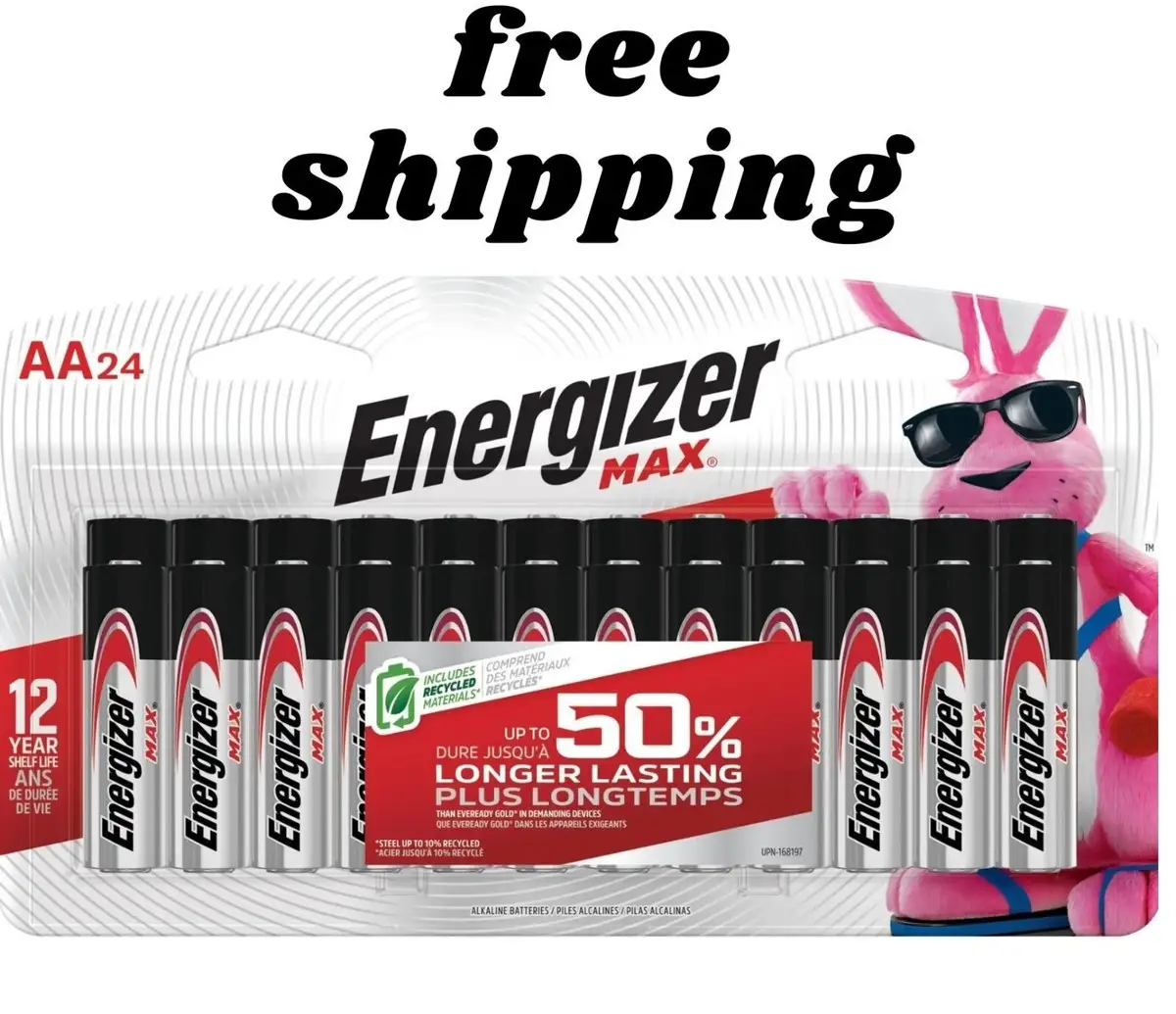
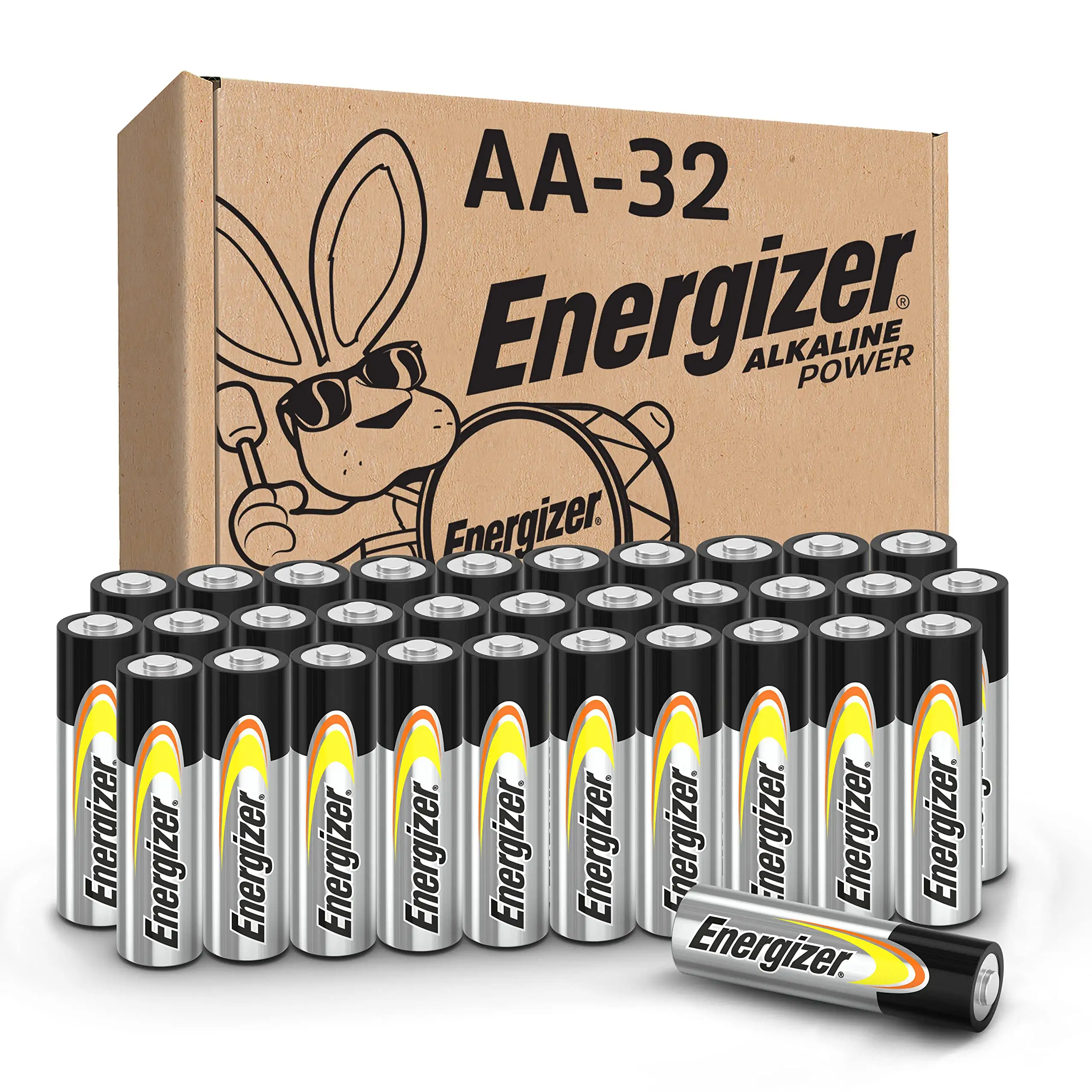
Energizer AA Batteries Alkaline Power, 32 Count — Verdict: Conditional buy — 7.8/10
Quick Verdict
Yes/Conditional: Yes for everyday, low-to-medium drain devices when purchased from trusted listings; conditional if you’re worried about leakage/counterfeits or need maximum performance in demanding gear.
| What buyers focus on | What they say | Who it matters to | Source |
|---|---|---|---|
| Value in a 32-pack | “32-pack is a lifesaver” | Families burning through remotes/toys | Reddit/Sharvibe post |
| Longer than off-brands | “last way longer than… off-brand” | Parents, game nights, emergency kits | Reddit/Sharvibe post |
| Leak anxiety (conflicting) | “no leaks” vs “acid on the table” | Anyone storing spares in devices | Reddit/Sharvibe post; Slickdeals thread |
| Counterfeit worries | “I always end up getting fakes” | Amazon buyers, bulk purchasers | Slickdeals thread |
| Price swings | $22.46 list seen vs $13.29 deal | Deal-hunters, subscribe & save | Amazon listing; Slickdeals |
Claims vs Reality
Claim 1: “Designed to protect against damaging leaks for up to two years after fully used.”
Digging deeper into user reports, “leak” is the emotional center of the conversation—because a battery failure isn’t just a dead remote, it can be a ruined device. One enthusiastic user story is clean and simple: Reddit user (name not provided in the dataset) said these had “no leaks (unlike cough certain budget brands that ruined my favorite flashlight).” For that user, the promise feels true in day-to-day rotation across “toddler toys and tv remotes.”
But the same broader community space contains a stark counterpoint: a Slickdeals commenter described a real mess, saying, “I did have several energizer max aas sitting on my table for a few weeks and one day one of the batteries made a mess of acid on the table.” Even though that example mentions Energizer Max specifically, it undercuts the comfort people want from the brand’s leak-prevention messaging. Another commenter escalated the fear further with, “Great deal if you want batteries that explode inside your devices and destroy them.” The theme: even if leak protection exists on-paper, some buyers still live with “battery goo” anxiety.
Claim 2: “Lasts up to 10 years in storage.”
The storage-life promise becomes part of the “emergency kit” narrative. Reddit user (name not provided in the dataset) referenced the marketing directly: “They claim 10 years shelf life, which means I’ll probably lose them before they expire.” That’s not a lab measurement, but it shows how the claim translates into behavior—stockpiling for hurricanes, blackouts, and the random moment a controller dies mid-session.
Here’s where the reality gets messy: in the provided dataset, the Amazon.de listing describes “lasts up to seven years when stored,” while the Amazon.com listing says “up to 10 years in storage.” While officially presented as up to 10 years (Amazon.com) and 7 years (Amazon.de), user commentary largely treats it as “long enough to stash and forget,” rather than verifying a specific number.
Claim 3: “Long-lasting power for everyday devices.”
The most consistent “reality” is that these are framed as dependable, not exotic. One narrative captures it: Reddit user (name not provided in dataset) called them “work horses” for “game controllers, flashlights,” and even a “smart thermostat.” On ChickAdvisor, one reviewer leaned into brand recognition more than measured performance: “reliable… I recognize the brand. Reliable. don’t see know if it’s better than the others though.”
Yet even within deal communities, some argue the Alkaline Power line isn’t the best version of Energizer to buy. A Slickdeals commenter drew a line between product tiers: “Bought these before and they suck, gotta get the ones that say energizer max.” That’s a recurring “marketing vs reality” gap: “long-lasting” may be true compared to off-brands, but not necessarily the best choice within Energizer’s own lineup for heavy users.
Cross-Platform Consensus
Universally Praised
A recurring pattern emerged around household chaos—devices that constantly die at the worst moment—and the 32-count pack acting as damage control. Reddit user (name not provided in the dataset) framed the bulk size as a household stabilizer: “the 32-pack is a lifesaver… my house eats batteries like candy (looking at you, toddler toys and tv remotes).” For parents, the “benefit” isn’t abstract runtime; it’s fewer mid-dinner meltdowns when a noisy toy flashes “low battery.” The same user put that into a specific moment: “No more ‘low battery’ tantrums… mid-dinner. win.”
Value per battery is another repeated praise point, especially when compared with local retail. The same Reddit user (name not provided) tied price directly to convenience: “cheaper than my local hardware store, and amazon delivers them straight to my door.” That story shows who benefits most: busy households and anyone who wants a “bulk pack” to avoid last-minute trips. On ChickAdvisor, another reviewer echoed the “buy again” rhythm: “excellent value because they last a long time… remotes… razors… toothbrush etc.” The commonality is not niche performance, but routine reliability across many devices.
People also praise versatility across low-to-medium drain electronics. Reddit user (name not provided in the dataset) described using them in “game controllers, flashlights,” and a “smart thermostat.” That matters for people with mixed device ecosystems—smart home gadgets, kids’ toys, and occasional emergency flashlights. The praise isn’t “best-in-class,” it’s “no complaints,” which is exactly the bar many shoppers set for alkaline AAs.
After those narratives, the “universally praised” points compress into a simple picture:
- Bulk convenience for battery-hungry homes (“32-pack is a lifesaver”) — Reddit/Sharvibe
- Perceived longevity vs off-brand (“last way longer”) — Reddit/Sharvibe
- Broad device coverage (controllers, flashlights, thermostats) — Reddit/Sharvibe; ChickAdvisor
Common Complaints
Digging deeper into the loudest negative feedback, the biggest fear isn’t that the batteries die early—it’s that they might damage devices, or that the pack might not be authentic. In the Slickdeals thread, one commenter warned, “Great deal if you want batteries that explode inside your devices and destroy them.” Even if hyperbolic, the emotional content is real: buyers associate alkaline batteries with potential leakage risk, and they bring that baggage into purchasing decisions.
Counterfeit anxiety shows up repeatedly when the purchase is tied to Amazon deals. One Slickdeals commenter said, “I stopped buy this brand off amazon i always end up getting fakes and they hold less charge than when you buy them from walmart.” Another reinforced a broader pattern: “i’ve gotten so many fake and/or bad quality batteries off of amazon… the cr123as and cr2032s are the most common… followed by aa/aaa.” For the user persona who stocks emergency supplies—or just wants one less household variable—this kind of doubt can outweigh a discount.
There’s also complaint friction around product tiering inside Energizer itself. A Slickdeals commenter dismissed this specific line with, “Bought these before and they suck, gotta get the ones that say energizer max.” The implication for heavy users—gaming controllers, high-drain toys, frequent flashlight use—is that Alkaline Power may feel “basic,” even if it’s adequate for remotes and clocks.
Common complaint themes, as expressed by users:
- Leakage/damage fear (“acid… mess,” “explode… destroy”) — Slickdeals
- Authenticity concerns (“getting fakes”) — Slickdeals
- Some dissatisfaction with longevity vs expectations (“they suck… get Energizer Max”) — Slickdeals
Divisive Features
Leak resistance is the most divisive topic because it’s both a marketing promise and a lived risk. Reddit user (name not provided in the dataset) offered a clean positive experience: “no leaks,” contrasting with unnamed “budget brands that ruined my favorite flashlight.” But deal-thread commentary pulls the other way, including the “acid on the table” anecdote (even if that example references Energizer Max, it still shapes how shoppers interpret the brand’s reliability).
Where people land often depends on their risk tolerance and storage habits. One Slickdeals commenter tried to rationalize their own incident: “My only guess is it got accidentally shorted out… i learned my lesson and stopped leaving them laying around.” That’s a crucial “divisive” nuance: some users blame handling and storage conditions; others blame the product/brand outright.
Price is also divisive—because it swings. In the provided Amazon.com specs, the pack appears at $22.46 ($0.70/count), while the Slickdeals post highlights $13.29 with Subscribe & Save. For deal-hunters, it’s a clear “buy” at the low end. For others, it’s hard to justify when off-brands exist—unless the “no leaks” stories matter more than savings.
Trust & Reliability
Scam and authenticity concerns are not subtle in the community data; they’re explicit. In the Slickdeals discussion, one person wrote, “i always end up getting fakes,” and another broadened it into a repeated experience: “i’ve gotten so many fake and/or bad quality batteries off of amazon.” The consequence is practical: users respond by shifting retailers—“we pretty much source disposables from costco or sam’s club”—or buying only “as needed” to reduce exposure to questionable inventory.
At the same time, brand trust shows up in a different way: expectations of customer service if leakage happens. A Slickdeals commenter said, “Energizer… will replace any device damaged by leakage.” Another described positive experiences with battery-company support in general (“their customer service is pretty good if you need it”). These aren’t verified claims of policy coverage for this exact model in the dataset, but they reveal why some buyers tolerate the risk: they believe the brand will “take care of” damage.
Long-term durability “months later” style posts weren’t provided directly in the dataset beyond ongoing household use patterns. The closest proxy is the Reddit user narrative of widespread deployment across many devices without complaint: “work horses… no complaints,” plus the repeated “always have them on hand” behavior on ChickAdvisor (“we use these batteries in everything”). That suggests perceived reliability over repeated cycles—even if it isn’t timestamped as “6 months later.”
Alternatives
Only competitors mentioned in the provided data show up most often as brand-to-brand arguments rather than clean comparisons. In the Slickdeals thread, Duracell is repeatedly invoked as a reference point—sometimes negatively. One commenter wrote, “both duracell and energizer do this more than any other battery,” while another mentioned “something that got ruined by a leaky duracell battery.” For shoppers deciding between the big two, the lived takeaway is uncomfortable: leak anxiety isn’t unique to one brand.
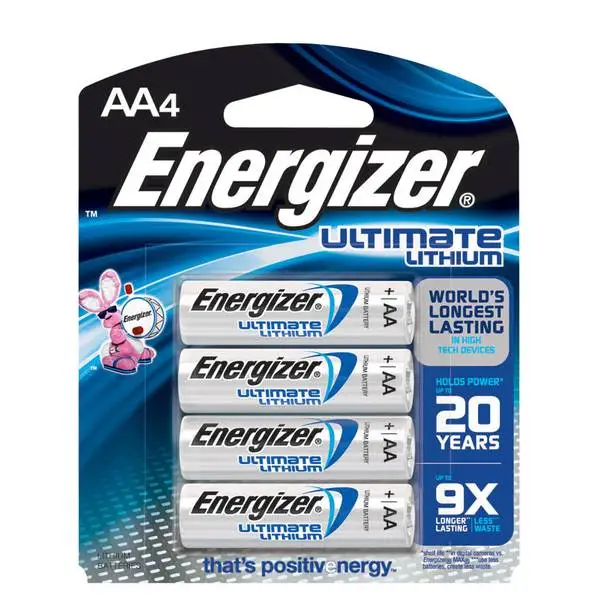
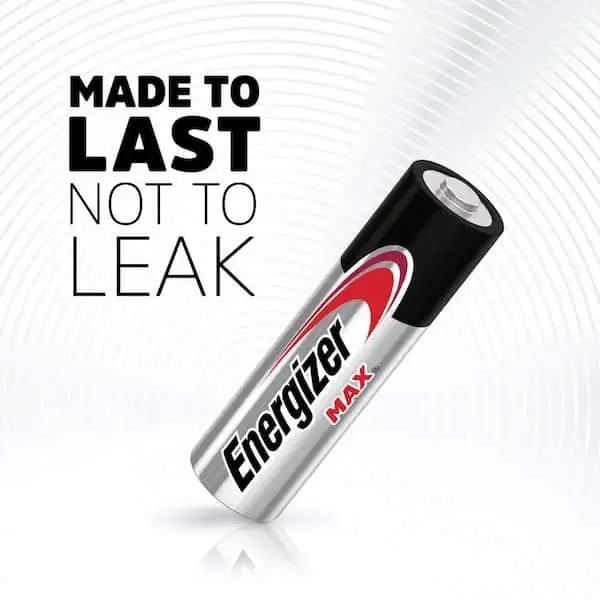
Within Energizer itself, the most direct “alternative” in user talk is upgrading tiers. A Slickdeals commenter advised, “gotta get the ones that say energizer max,” implying Max as the step-up option when Alkaline Power feels underwhelming. Energizer’s own lineup page (Energizer.com) positions multiple AA choices, including “Energizer Max” and “Ultimate Lithium,” reinforcing that the brand expects consumers to segment by device demand.
So in practice, the “alternatives” decision becomes: stick with Alkaline Power for remotes/toys, or move up to Energizer Max / Ultimate Lithium if you share the “these… suck” sentiment or need stronger performance.
Price & Value
The pricing story is volatile in the dataset—and that volatility shapes perceived value more than small differences in performance. Amazon.com specs list the 32-count at $22.46 (about $0.70/count). Meanwhile, the Slickdeals post spotlights $13.29 via Subscribe & Save. Those two numbers create two entirely different narratives: at $13-ish, it reads like a stock-up item; at $22-ish, it invites second thoughts and pushes buyers toward warehouse clubs or other brands.
Deal-community behavior also shows how buyers manage risk. One commenter asked, “this is from the energizer store sold & shipped by amazon. should be authentic, right?” That question is itself a buying tip: people try to reduce counterfeit risk by focusing on seller identity, not just price.
Resale value isn’t a major theme in the provided data, but eBay market listings show active selling of Energizer AA batteries across many pack sizes (industrial, Max, bulk lots). The practical implication: bulk batteries circulate heavily, and listings often reference expiration years—useful for shoppers who care about storage life.
Community-driven buying tips embedded in the feedback:
- Watch for Subscribe & Save drops (Slickdeals highlights $13.29).
- Consider retailer trust to avoid “fakes” (users mention Costco/Sam’s/Walmart as alternatives).
- If you’re disappointed with Alkaline Power, some recommend stepping up to “Energizer Max.”
FAQ
Q: Do these Energizer Alkaline Power AA batteries really last longer than off-brand batteries?
A: Many people say yes for everyday use. Reddit user (name not provided in dataset) said they “last way longer than the random off-brand ones,” especially in “toddler toys and tv remotes.” ChickAdvisor reviewers also describe them as “reliable” and “last a long time.”
Q: Are leaks a real problem with this 32-count pack?
A: Feedback is conflicting. Reddit user (name not provided) reported “no leaks,” but deal-thread commenters warn about leakage and damage, including “made a mess of acid on the table” and “destroy them.” While Amazon claims leak protection, some users still worry—especially when storing batteries loosely.
Q: Should I buy these on Amazon, or is counterfeit risk a concern?
A: Some shoppers are concerned about authenticity. A Slickdeals commenter said they “always end up getting fakes” on Amazon and prefer Walmart, Costco, or Sam’s Club. Another asked whether “sold & shipped by amazon” is safer—suggesting buyers consider seller details, not only price.
Q: Is Energizer Alkaline Power the same as Energizer Max?
A: Users treat them as different tiers. A Slickdeals commenter complained, “Bought these before and they suck, gotta get the ones that say energizer max.” Energizer’s own AA lineup page also lists Max separately, implying it’s a different product line.
Q: What devices are people actually using them in?
A: Reported use spans common household electronics. Reddit user (name not provided) mentioned “toddler toys,” “tv remotes,” “game controllers,” “flashlights,” and a “smart thermostat.” ChickAdvisor reviewers also cite remotes and personal-care items like “razors” and “toothbrush.”
Final Verdict
Buy if you’re the kind of household that “eats batteries like candy” and wants a bulk 32-pack for remotes, toys, and flashlights; Reddit user (name not provided) called it “a lifesaver” and said they’re “work horses.”
Avoid if your top priority is minimizing leak/counterfeit anxiety—Slickdeals commenters warn about “getting fakes” and even claim they can “destroy” devices.
Pro tip from the community: shop with seller trust in mind and time purchases around deal cycles—Slickdeals highlighted $13.29 via Subscribe & Save, and one commenter specifically questioned whether “sold & shipped by amazon” improves authenticity.