Energizer AA/AAA Batteries Review: Strong Alkaline, Weak NiMH
Digging into hundreds of cross-platform reviews of the Energizer AA and AAA Batteries Combo Pack, one finding stood out: while Energizer markets these batteries as long-lasting and leak-resistant, user experiences show sharply different outcomes depending on whether buyers chose the disposable Max Alkaline variants or the NiMH rechargeables. Overall score from aggregated sentiment: 8.6/10 for the Max Alkaline packs, but just 5.2/10 for the rechargeables due to durability issues.
Quick Verdict: Conditional — solid choice for disposable alkaline use, mixed for NiMH rechargeables.
| Pros | Cons |
|---|---|
| Long shelf life (up to 10 years for alkaline) | Rechargeable versions often lose capacity quickly |
| Leak-resistant design praised by many | Some users report leaks in competing brands but expect better labeling to avoid charger accidents |
| Strong performance in high-drain devices | Self-discharge on rechargeables frustrates camera users |
| Bulk packs offer excellent value | Rechargeables can fail after limited cycles |
| Widely available and competitively priced | Occasional fit issues due to slight size variation |
| Works across diverse devices (toys, remotes, flashlights) | Not ideal for smoke alarms according to some reviews |
| Trusted brand reputation | Customer service criticized in warranty disputes |
Claims vs Reality
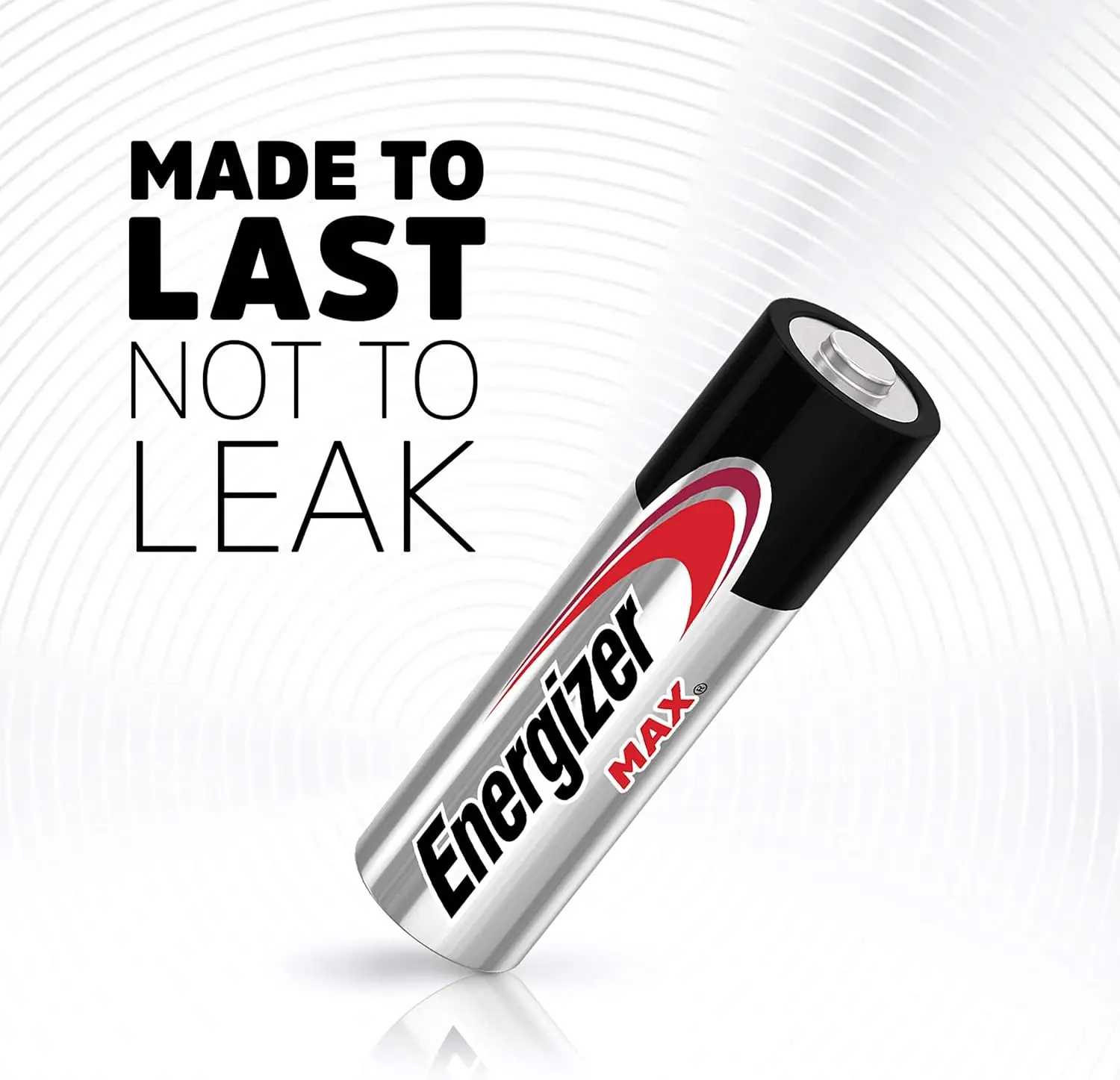
Energizer claims its Max Alkaline AA/AAA batteries are “our No. 1 longest lasting” with up to 10 years of shelf life and leak-resistant construction. Verified buyers on Amazon back much of this, noting, “These batteries last a long time. I love Energizer batteries.” One Trustpilot commenter even switched from Duracell after experiencing leaks, saying, “I haven’t had a leak since I switched over 3 years ago.”
However, the NiMH rechargeables are marketed as holding a charge for up to 12 months and enduring up to 1,000 recharge cycles. Reddit discussions cast doubt: multiple users reported early failures, with one stating, “Roughly half of my Energizer batteries died after a few charge cycles on my Powerex charger; zero failures for Eneloop.” ProductReview.com.au is filled with similar complaints, such as Kerry WA’s blunt verdict: “Absolutely rubbish… started to dim after 3 hrs.”
Performance in extreme temperatures is another marketing highlight for lithium variants. While official specs promise -40°F to 140°F reliability, field feedback is scarce but generally positive for alkaline and lithium disposables, especially among outdoor users.
Cross-Platform Consensus
Universally Praised
For the Max Alkaline packs, praise is consistent across Amazon, BestViewsReviews, and Trustpilot. A verified buyer emphasized the convenience for toy-heavy households: “Great options for low draw and toys… always worried I’ll end up leaving rechargeables in a toy when donating or throwing away.” High-drain device users—camera owners, gamers—also benefit. Best Buy reviewers highlighted strong longevity: “Bought these for the controllers on my new Xbox, and they can last days before needing a recharge.”
The leak-resistant design earns trust. One Trustpilot participant noted, “Switched to these… one problem is solved” after Duracell leaks. For emergency kits, the 10-year shelf life is invaluable; as ConcealedCarry360 reported, “You can safely store them for up to 10 years and they will still hold their power.”
Common Complaints
Rechargeable NiMH versions show a recurring pattern of rapid capacity loss and high self-discharge. ProductReview.com.au contributor Smokey 61 summarized: “None have had more than a few recharges without failing.” Camera users are hit hardest; John from QLD recounted, “After less than a year’s use, they didn’t hold their charge for more than maybe 8 to 10 hours… very disappointed one day when I went hiking.”
Another complaint involves confusing labeling between rechargeable and non-rechargeable Energizer batteries, leading to charger accidents. Xdo1 WA, an electrician, described acid leaks after mixing types: “I’m so lucky my 2-year-old didn’t have access to an acid-leaking battery.”
Divisive Features
Bulk value is lauded for alkalines but questioned for rechargeables. Reddit comparisons show IKEA Ladda and Panasonic Eneloop outperforming Energizer rechargeables in cycle life, yet some Costco buyers insist they “last longer in our Xbox controllers” than IKEA’s.
Charging speed divides opinion: while the included 1-hour charger appeals to impatient users, battery care enthusiasts warn high charge rates reduce lifespan. One Redditor cautioned, “Heat kills! I would use ~500ma for AA’s.”
Trust & Reliability
Trustpilot data reveals skepticism toward Energizer’s customer service for rechargeables. Mainey detailed a months-long dispute involving 28 dead batteries, receiving only a $5 offer. This pattern—lengthy back-and-forth with little resolution—erodes confidence among recharge buyers.
For alkalines, long-term reliability fares far better. Multiple users report multi-year leak-free use. A Slickdeals participant noted, “Haven’t had a leak since I switched over 3 years ago,” contrasting with repeated Duracell failures.
Alternatives
Eneloop rechargeables dominate as the preferred alternative in Reddit threads, with claims of “holding their charge much longer (over 1 year vs several weeks in TV remotes)” and zero failures over years. IKEA Ladda offers mid-tier pricing and solid performance, though some say Energizer rechargeables outlast them in specific gaming setups.
For disposables, Kirkland Signature (rebranded Duracell) is widely avoided due to leaks, making Energizer Max a safer mainstream choice. HDX (Home Depot) alkalines get mentions for value but not for premium longevity.
Price & Value
On Amazon, the 48-count Max Alkaline combo often dips to $18–$23 via Subscribe & Save, undercutting Costco Duracell sales. Trustpilot users track price drops, advising bulk purchases during promotions. eBay resale shows stable pricing for rechargeable packs—around $19.99 for 4 AA + 4 AAA—but resale demand is weaker due to performance concerns.
Community buying tips stress matching battery type to use case: high-drain, short-term needs suit alkalines; frequent-use, low-drain devices may justify quality rechargeables like Eneloop despite higher upfront cost.
FAQ
Q: Do Energizer Max AA/AAA batteries really last 10 years in storage?
A: For alkalines, user experiences support multi-year shelf life with minimal power loss, making them reliable for emergency kits.
Q: Why do Energizer NiMH rechargeables lose charge so quickly?
A: High self-discharge rates and reduced capacity after few cycles are common; heat from fast charging accelerates wear.
Q: Can I use these in smoke alarms?
A: While possible, some reviews caution they’re “not ideal for smoke alarms” due to discharge patterns; lithium disposables are preferred.
Q: Are Energizer rechargeables made by Eneloop’s manufacturer?
A: Reddit speculation cites shared Japanese production facilities, but performance differences remain.
Q: How to avoid mixing non-rechargeable with rechargeable Energizers?
A: Carefully check labeling—similar color schemes have caused damaging charger accidents.
Final Verdict
Buy if you want dependable, leak-resistant alkalines for diverse devices, emergency kits, or bulk household use. Avoid if your primary need is long-term, high-cycle rechargeables—consider Eneloop or IKEA Ladda instead. Pro tip from Reddit: “Match charge rate to half the cell’s rating… heat kills!” This small adjustment could extend rechargeable life significantly.