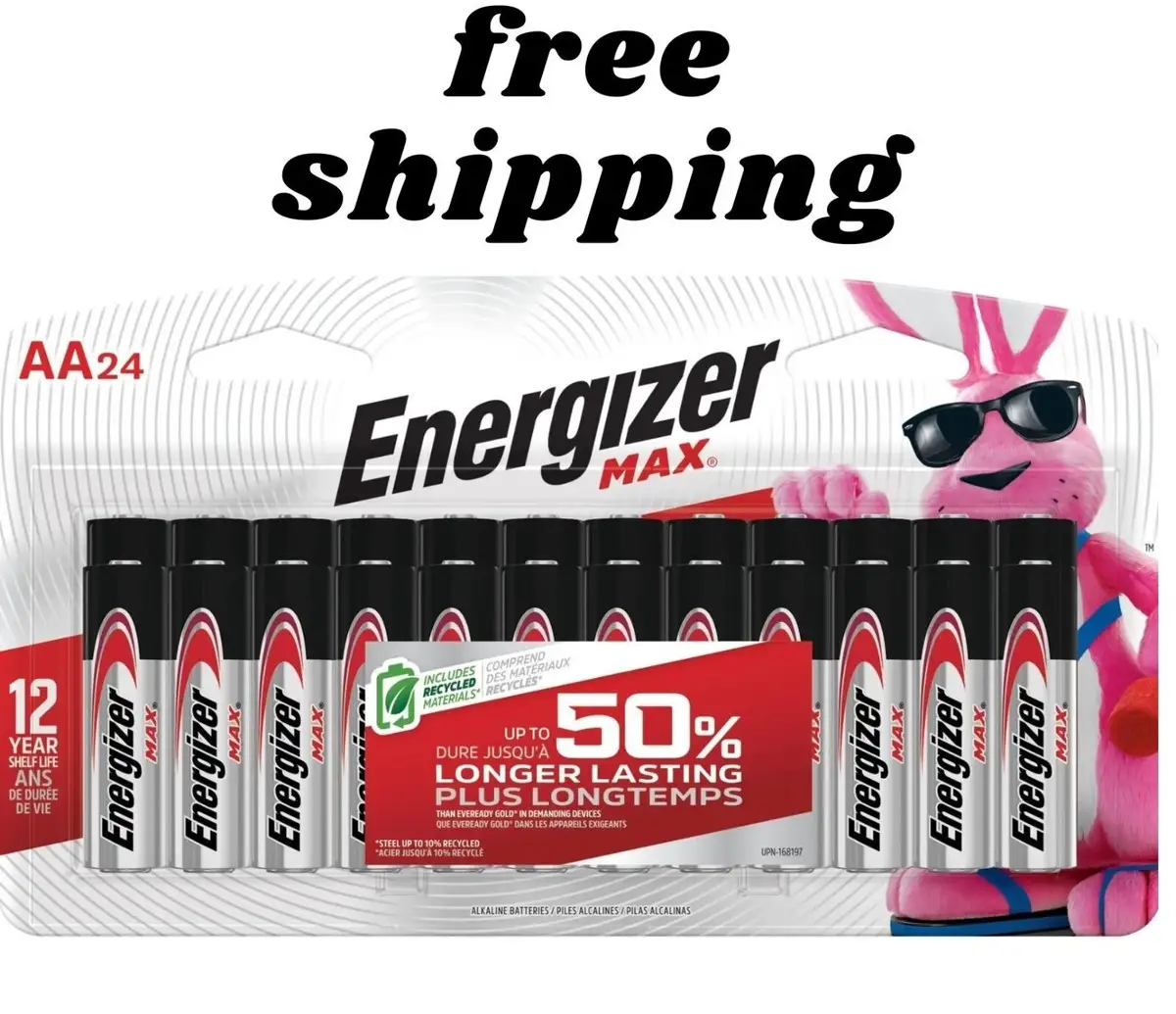
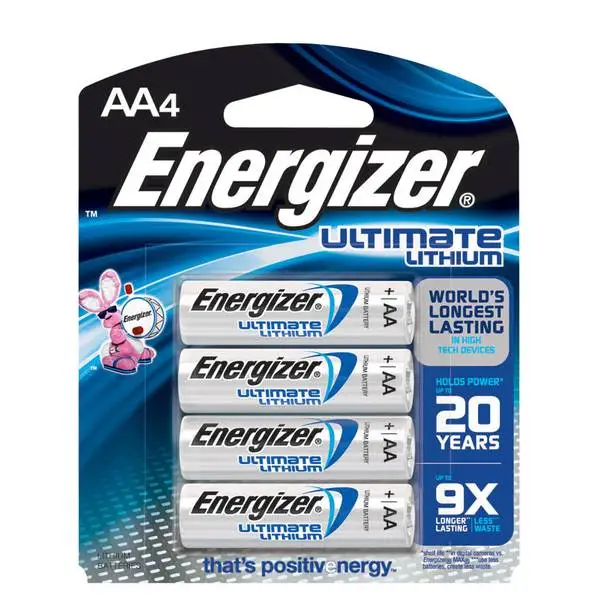
Energizer AA and AAA Batteries Combo Pack Review: 8.7/10
“Those leak like a sieve in every one of my experiences”—that one line pushed a lot of buyers to rethink what “standard” AA/AAA batteries they keep at home. Energizer AA and AAA Batteries Combo Pack lands in a mostly positive place across sources, but the most telling feedback isn’t about raw runtime—it’s about avoiding leaks, getting predictable performance in everyday devices, and whether you trust what shows up in the box. Verdict: 8.7/10.
Quick Verdict
For most households: Conditional Yes—especially if you’re switching away from leak-prone alkalines and want a big stash for remotes, toys, and smart locks. The biggest caveat is consistency: a few buyers and aggregators warn about “dead batteries” showing up.
| Decision Factor | What People Liked | What People Disliked | Sources |
|---|---|---|---|
| Longevity in everyday devices | “These batteries last along time.” | Some report weak/short-lasting batches | Amazon reviews; Slickdeals thread |
| Leak resistance | “Haven’t had a leak since I switched over 3 years ago.” | Some still distrust batteries bought online | Slickdeals thread |
| Value in bulk | Seen as a better $/battery vs smaller packs | Some compare to cheaper store brands like HDX | Slickdeals thread; Amazon listing price |
| Reliability out of package | “Always last a very long time.” | “May arrive with some dead batteries.” | Amazon reviews; BestViewsReviews |
| Trust in purchase channel | Brand confidence in general | “There are three things in this life i don't trust: batteries from amazon” | Slickdeals thread |
Claims vs Reality
The marketing leans hard on storage life, leak protection, and “long-lasting” performance. Digging deeper into user reports, the picture is mostly consistent—but with some sharp edges around quality variance and where you buy.
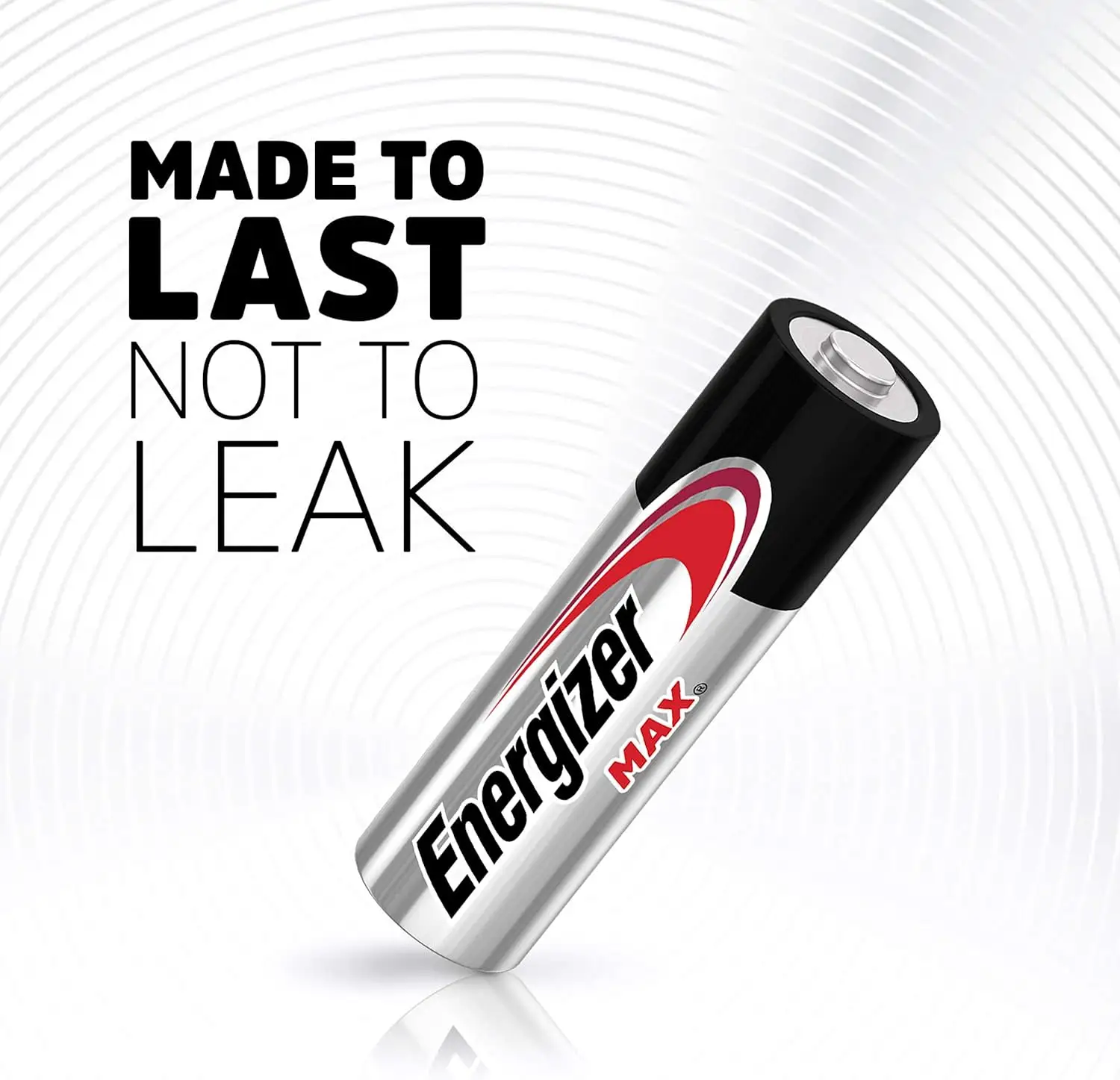
The official Amazon listing positions the pack as leak resistant: “leak resistant construction protects your devices from leakage of fully used batteries for up to 2 years” and “holds power up to 10 years in storage” (Amazon specs for the 48-count Max AA/AAA combo). In community chatter, the leak story is the most emotional: one Slickdeals commenter described Duracell/Kirkland as “the worst since they leak a lot,” while another said of Energizer Max: “that's why i switched from dura cells. haven't had a leak since i switched over 3 years ago.” That lines up with the core promise—at least for long-term household use.
Where it gets messy is consistency and trust in supply chain. BestViewsReviews flags a drawback: “may arrive with some dead batteries.” That’s not a spec-sheet issue so much as a buying experience issue. On Slickdeals, skepticism shows up bluntly: “there are three things in this life i don't trust: batteries from amazon.” Even if many buyers are happy, this thread suggests that for some people the “reality” of buying batteries online includes anxiety about storage conditions, authenticity, or handling.
Finally, the pack is marketed as “everyday low to mid-drain electronics” (Amazon specs). Real-world stories fit that: smart locks, remotes, toys, and household gear. But when people talk high-drain devices, they often drift toward rechargeables or lithium. That’s less a contradiction than a boundary: the combo pack is praised most when used as a dependable household stockpile, not a specialty power solution.

Cross-Platform Consensus
Universally Praised
A recurring pattern emerged: people don’t gush about “battery chemistry”—they celebrate fewer annoyances. That starts with run time in normal devices. An Amazon reviewer kept it simple: “these batteries last along time. i love energizer batteries.” Another echoed the same value framing: “a battery worth the cost” and “always last a very long time” (Amazon customer reviews for the smaller Max AA/AAA combo). In practice, that kind of feedback tends to come from households rotating batteries through remotes, clocks, and kids’ toys where “good enough” longevity matters more than peak performance.
Leak avoidance is the next big theme, especially in community threads that read like cautionary tales. One Slickdeals user asked, “those leak like a sieve in every one of my experiences, any word if these are better?” Another responded with a direct before/after story: “i switched to these after i experienced the leak and how fast they were going bad and my smart lock used to show them lower all the time ... switched to these and one problem is solved.” For smart-lock owners, that’s a specific win: fewer low-battery alerts and less worry about corrosive damage inside an expensive lock.
Value and convenience show up as the third pillar. Even when the Amazon listing price is higher than deal pricing, the conversation stays anchored on cost-per-battery and having a “ready” stash. One Slickdeals commenter framed it as pragmatic budgeting: “looks like the 48 pack has a lower price now and is better $ / battery.” That’s the kind of logic that appeals to parents and people maintaining emergency kits—anyone who wants a bulk pack that won’t require frequent reorders.
After those narratives, the quantified signals reinforce the same direction. The Amazon listing for the 48-count Max combo shows “4.8 out of 5 stars” with “55,579 reviews” (Amazon specs). Best Buy’s rechargeable Energizer AA page (not the same product, but still Energizer power user feedback) shows customers highlighting “battery life, price, performance” and reviewers calling them “absolute best batteries” (Best Buy reviews), which suggests a broader brand trust halo that likely benefits the alkaline combo pack too.
Key praise themes (from user statements and review summaries):
- Long-lasting in everyday household devices (Amazon reviews)
- Reduced leak anxiety vs Duracell/Kirkland for some users (Slickdeals thread)
- Bulk value when discounted; better $/battery thinking (Slickdeals thread)
- General brand dependability framing (“trust the energizer the most”) even among rechargeables (Best Buy reviews)
Common Complaints
The biggest complaint thread isn’t “they die fast,” but “can I trust what I receive?” BestViewsReviews summarizes a recurring negative: “may arrive with some dead batteries.” That single line matters because it changes how a buyer experiences bulk packs—48 cells is supposed to be peace of mind, not a troubleshooting project.
That distrust ties directly to channel concerns raised in deal discussions. On Slickdeals, one person joked but clearly meant it: “there are three things in this life i don't trust : batteries from amazon.” Even without more detail, it reflects a real buyer fear—especially for products like batteries where storage conditions and lot variation can be invisible until you need them.
There’s also a quieter complaint: some shoppers think cheaper store brands are “good enough,” which makes Energizer’s value feel conditional on deals. A Slickdeals commenter pushed a competing narrative: “home depot hdx 60 pack is $ 20 everyday price . never had a problem , never had a leak , holds charge not much worse than more expensive batteries . great for kids toys etc where you go through tons.” But another user contradicted that experience: “i've had poor luck with hdx batteries not lasting very long.” For bargain-focused buyers, this is the tension—Energizer’s cost looks better when you’re optimizing for fewer failures, not just lowest sticker price.
Key complaint themes:
- Reports of occasional “dead batteries” on arrival (BestViewsReviews)
- Anxiety about buying batteries online (Slickdeals)
- Value depends on your baseline alternative (HDX vs name brand debate) (Slickdeals)
Divisive Features
“Leak resistance” is both the hero feature and the debate trigger. In the Slickdeals comments, some users treat leakage as a brand-level dealbreaker—“duracell and kirkland ( same thing ) are the worst since they leak a lot”—while others are still shopping skeptically, asking if Energizer is truly better. The same thread includes a confident pro-Energizer stance: “these don't leak like dura leak,” but the fact that the question keeps coming up shows the divide: people who’ve been burned by leaks want repeated proof, not just a guarantee.
Another divisive point is what counts as “good enough” power for different devices. Households using smart locks and daily-use electronics seem happiest. People thinking about higher-drain use cases often pivot to rechargeables or lithium in the broader dataset. For example, Best Buy rechargeable customers rave about reuse—one wrote: “got tired of constantly buying batteries!” and another: “really useful when you've got devices that go through batteries quickly” (Best Buy reviews). That suggests a split in buyer mentality: some want the simplicity of alkaline bulk packs; others want a recharge ecosystem to avoid repeat buying.
Trust & Reliability
Digging deeper into trust signals, the most explicit “scam/counterfeit” anxiety in the provided data isn’t centered on this exact combo pack listing—but it influences how people feel about buying batteries online. On Slickdeals, the skepticism is plain: “batteries from amazon” are listed among things one user “don't trust,” even as other commenters discuss switching brands due to leaks.
Long-term reliability stories show up most clearly around leak avoidance over time. A Slickdeals user offered a multi-year durability claim: “haven't had a leak since i switched over 3 years ago.” That’s the kind of “6 months later” style reassurance people look for with alkalines—because the real test is storage and slow-drain devices, not a single weekend of use.
Alternatives
Only competitors actually mentioned in the data show up here: Duracell/Kirkland, IKEA Ladda, Eneloop, and Home Depot HDX.
For leak-worried buyers, Duracell/Kirkland is repeatedly framed as the villain in the thread. One Slickdeals commenter said “duracell and kirkland ( same thing ) are the worst since they leak a lot,” and another described switching away after “i experienced the leak and how fast they were going bad.” If your core problem is corrosive leaks in smart locks or stored devices, those stories explain why people choose Energizer Max.
For people focused on long-term cost and high-drain use, rechargeables dominate the alternative conversation. In the Reddit thread about an Energizer rechargeable kit, one commenter endorsed a rival: “+1 for eneloop . they are far superior to energizer . not only do they hold their charge much longer ( over 1 year vs several weeks in tv remotes ) ... roughly half of my energizer batteries died after a few charge cycles” (Reddit community thread). But another Reddit user offered the opposite experience with a Japan-made Energizer kit: “honestly i feel like they are as good or better than the japanese-made ikea ladda's ... these seem to last longer in our xbox controllers.” That split reinforces a key takeaway: for rechargeables, specific model/kit and charger behavior matter a lot; for this alkaline combo pack, the “alternative” is often simply a different brand of disposable AA/AAA.
For ultra-budget bulk use (kids’ toys), HDX is positioned as a cheap workhorse by one Slickdeals commenter (“never had a leak”), but directly challenged by another (“poor luck with hdx batteries not lasting very long”). That conflict suggests HDX can be a gamble depending on device load and expectations.
Price & Value
On Amazon, the Energizer Max 48-count AA/AAA combo pack is listed at $32.00, shown as “$0.67 / count,” with a struck “list price: $38.98” in the provided listing snapshot (Amazon specs). Deal chatter suggests this pack frequently dips lower via promotions: a Slickdeals post describes Subscribe & Save pricing at “$21.90,” and another commenter mentions price tracking: “normally $ 23 - $ 25 with dips to as low as $ 18 . 18” (Slickdeals thread).
Resale and secondary-market data is thin, but eBay listings show the same “E91 E92 max combo 24x aa + 24x aaa” selling new around “$46.12” in one listing snapshot (eBay market page). That doesn’t prove stable resale value, but it does suggest there’s a market for bulk battery lots—often influenced by shipping costs and urgency rather than “collectible” demand.
Community buying tips skew practical: watch the $/battery and buy when it hits a threshold. One Slickdeals user summarized the math mindset: “looks like the 48 pack has a lower price now and is better $ / battery.” Another hinted at personal shopping strategy: “now im watching for aa battery pricing that is priced below the competition and will buy more than i need” (Fakespot page excerpts reflect that sentiment theme). The consistent advice is to treat this like a commodity: buy on dips, stock up, and prioritize trusted sellers if you’re anxious about online sourcing.
FAQ
Q: Do these Energizer Max AA/AAA batteries actually last a long time in real use?
A: Yes, many buyers describe strong longevity in everyday devices. An Amazon reviewer wrote, “these batteries last along time,” and another added they “always last a very long time” (Amazon reviews). Most stories focus on remotes, household gear, and general use rather than specialized high-drain testing.
Q: Are they really leak resistant compared to Duracell/Kirkland?
A: Many community comments suggest fewer leak problems after switching. A Slickdeals commenter said, “haven't had a leak since i switched over 3 years ago,” and another wrote, “these don't leak like dura leak” (Slickdeals). Still, some shoppers remain wary and ask directly if they’re “better,” so confidence varies.
Q: Should I buy this pack from Amazon, or is there concern about bad batches?
A: Some buyers worry about channel reliability. One Slickdeals user joked they “don't trust… batteries from amazon,” and BestViewsReviews warns the pack “may arrive with some dead batteries” (Slickdeals; BestViewsReviews). If you’re risk-averse, buying during deals is common—but trust in seller and return policy matters.
Q: Are rechargeables a better option than this alkaline combo pack?
A: It depends on your devices and habits. Best Buy reviewers like rechargeables for frequent-use gear: “got tired of constantly buying batteries!” and “really useful when you've got devices that go through batteries quickly” (Best Buy). But the alkaline combo appeals to people who want simple backup power and long storage claims.
Q: What’s the best reason to buy the 48-count combo instead of smaller packs?
A: Value and convenience are the main motivations. The Amazon listing frames it as a 24 AA + 24 AAA household stash (Amazon specs), and deal discussions emphasize “better $ / battery” when prices dip (Slickdeals). It’s especially attractive for families cycling batteries through toys, remotes, and smart home devices.
Final Verdict
Buy if you’re a household power-stockpile shopper—remotes, toys, smart locks, and emergency drawers—especially if you’re switching away from brands you associate with leaks. A Slickdeals user’s long-term reassurance captures the appeal: “haven't had a leak since i switched over 3 years ago.”
Avoid if you’re extremely sensitive to batch inconsistency or you distrust online battery sourcing; the warning “may arrive with some dead batteries” (BestViewsReviews) and the sentiment “don't trust… batteries from amazon” (Slickdeals) reflect that anxiety.
Pro tip from the community: watch deal cycles and optimize for $/battery—“better $ / battery” is the recurring buying strategy (Slickdeals).