Duracell Coppertop AAA Review: Trusted, But Watch Leaks
“After only three weeks in my Sony TV remote control, one of the batteries exploded.” That single story sits uncomfortably beside thousands of glowing ratings—and it’s the tension that defines Duracell Coppertop AAA Batteries. Verdict: largely trusted for everyday remotes and drawers of spares, but not universally drama-free. Score: 8.7/10.
Quick Verdict
Yes (with a condition): Buy if you want mainstream AAA alkalines for remotes, mice, flashlights, and emergency kits—especially in bulk from reputable sellers. Conditional if you’ve had leaks before or plan to leave them in rarely-checked devices for long stretches.
| What users agree on | Evidence from feedback | What to watch |
|---|---|---|
| Long-lasting in low-drain devices | Reddit user reports a TV remote “still going strong after months” (Sharvibe post shared via Reddit/Quora data). Best Buy reviewers call them “dependable… long life.” | Some users report corrosion/leaks in storage or devices (AskmeOffers). |
| Bulk-buy convenience | Amazon reviewers mention buying “in large bulk… from Amazon.” | Return friction shows up in review aggregation: “not eligible for return” (ReviewIndex/X dataset). |
| Storage-life confidence | Marketing: “12 years in storage.” Amazon buyer cites expiration “Mar 2034.” | Confusion over authenticity/packaging: “product is a fraud,” “not in package as shown” (ReviewIndex/X dataset). |
| Brand trust | “Only battery you can trust” (ReviewIndex/X dataset). | A few severe failure stories (explosion, damage) appear in AskmeOffers. |
Claims vs Reality
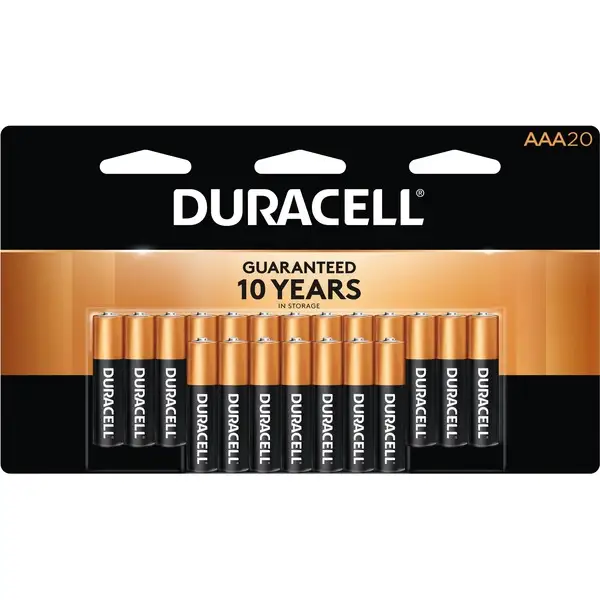
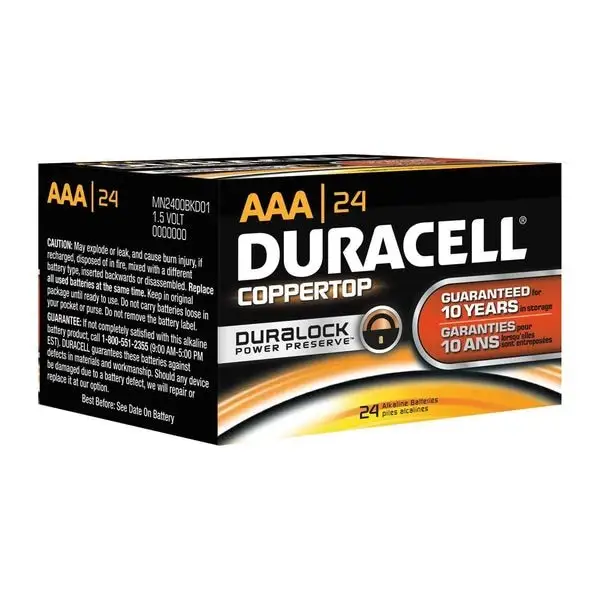
Duracell’s marketing leans hard on “Power Boost Ingredients” and a long storage guarantee—Amazon’s listing promises “dependable power” and says the batteries are “guaranteed for 12 years in storage.” Digging deeper into user reports, plenty of buyers echo the long-shelf-life message with concrete dates. A verified buyer on Amazon noted: “the expiration date on them is mar 2034,” framing the purchase as storm-season prep: “I love these… especially during the hurricane seasons… in Texas.”
But the “always ready” claim collides with a recurring anxiety: were the batteries authentic and fresh? In the ReviewIndex/X analysis, users raise alarms like: “product is a fraud,” “no idea if these are authentic dura cells,” and “chinese knockoffs with no dating!!” That’s less about Duracell chemistry and more about marketplace trust—yet it directly affects the real-world experience of “dead on arrival” vs. “still charged like new.”
Duracell also emphasizes reliability and defect guarantees (“quality is assured”). Many owners echo that confidence in everyday devices. A reviewer on Best Buy wrote: “duracell is my usual go to battery - dependable, long life.” Another Best Buy reviewer said: “rarely have issues with them leaking, even when leaving them in equipment for long periods of time.” While that’s the dominant tone, the harshest contradiction comes from AskmeOffers, where one user described a catastrophic failure: “after only three weeks… one of the batteries exploded, causing significant damage.” While that’s not a typical report, it’s serious enough that it changes the “set and forget” calculus for cautious buyers.
Cross-Platform Consensus
Universally Praised
The strongest throughline across platforms is boring—in a good way. For low-drain devices like remotes and clocks, people celebrate not having to think about batteries. Reddit user (from the Sharvibe post mirrored in both Reddit and Quora sections) said their “tv remote… [is] still going strong after months,” and framed it as relief from “mid-binge-show battery swaps.” For anyone running multiple remotes or a wireless mouse, that “months” framing is the core benefit: less interruption, less rummaging through drawers.
A recurring pattern emerged around dependable performance versus bargain brands. Reddit user (Sharvibe post via Reddit/Quora data) compared them to “cheap ones… generic brands,” saying Coppertops “handle it all without dying after two days.” Best Buy reviewers echo that same economic logic over time. A Best Buy reviewer, “condo lady,” described burning through dollar-store cells “every other week,” then said switching to Duracell “changed all of that & i’m much happier now.” For households with toys, flashlights, and peripherals, the payoff is fewer swaps and fewer “dead device” moments.
People also talk about preparedness and storage. Amazon’s listing highlights a long storage guarantee, and the user stories follow that thread with real use cases: hurricane season, power outages, and “stock up during sales.” A verified buyer on Amazon wrote: “I buy all my duracell batteries in large bulk at the same time from amazon,” tying it to keeping spares organized. That’s the “buy once, forget about it” persona: emergency kit builders, busy families, and offices that just want AAA alkalines that don’t surprise them.
After those stories, the praise tends to crystallize into simple superlatives. In the ReviewIndex/X quotes, people say: “duracell always lasts longer!” and “these are my go to brand for batteries.” On Best Buy, “admin 54” pushed back against the “all batteries are equal” idea: “my experience has not verified that… dependable, long life.” For buyers who don’t want to micromanage drain rates, that sentiment is the product.
Key praised points (as stated by users):
- Longevity in remotes/mice/low-drain gear: “still going strong after months” (Reddit/Quora via Sharvibe)
- Better than cheap store brands: “changed all of that” after weekly swaps (Best Buy)
- Confidence in dated stock: “expiration date… mar 2034” (Amazon)
Common Complaints
The most emotionally charged complaints aren’t “it died faster than expected”—they’re about safety, leakage, and trust. AskmeOffers includes a frightening report: “one of the batteries exploded,” with “significant damage,” plus prior mentions of “corrode and malfunction.” Another AskmeOffers user described “leaked and corroded the terminals” in Christmas decorations and said Duracell D cells “leaked severely” in torches. For people who leave batteries installed for months—seasonal decorations, emergency flashlights, infrequently used remotes—this complaint is about cleanup and damage, not just runtime.
A second cluster of frustration is marketplace friction: returns, packaging, and authenticity fears. The ReviewIndex/X analysis includes blunt lines like: “amazon would not return them,” “not eligible for return,” and “it’s not worth the effort to return them.” Even when the batteries are fine, the purchasing experience can still sour the story. That matters most to bulk buyers—because a 12-, 16-, or 24-pack is exactly the kind of item you expect to be painless if something’s off.
Then there’s the “are these real?” issue. ReviewIndex/X quotes include: “product is a fraud,” “obviously a fake product,” and “not in package as shown.” An Amazon reviewer even described calling customer service: “they said… the ones i got were from china… only buy ones made in usa.” Whether or not those packs were truly counterfeit, the lived experience is uncertainty—and that undermines the brand’s biggest promise: trust.
Key complaint themes (as stated by users):
- Leakage/corrosion damage: “leaked and corroded the terminals” (AskmeOffers)
- Rare severe incident: “battery exploded” (AskmeOffers)
- Returns/authenticity anxiety: “product is a fraud” / “not eligible for return” (ReviewIndex/X dataset)
Divisive Features
Even the “premium brand” angle splits opinion. Some users accept the price because they believe longevity wins in the long run. The Reddit/Quora Sharvibe post shrugs: “yeah, batteries aren’t cheap, but these are worth it,” and the ReviewIndex/X quotes say: “a little more expensive but worth the few extra pennies.” That’s the value-over-time buyer—less swapping, fewer interruptions.
Others don’t buy the premium logic, especially when they’ve experienced leaks or duds. AskmeOffers includes: “premium price tag did not seem justified… encountered… leaking batteries,” and another user described an 8-pack where “it failed to illuminate” and voltage was “shockingly low.” For that group, the “worth it” narrative collapses the moment a device is damaged or a battery arrives weak.
Trust & Reliability
Digging deeper into trust signals, the loudest “scam” concern isn’t about Duracell’s branding—it’s about the supply chain and packaging. ReviewIndex/X surfaces repeated suspicion: “no idea if these are authentic,” “chinese knockoffs with no dating!!,” and “not in package as shown.” For shoppers buying on marketplaces, the practical implication is simple: people feel safest when packs arrive in expected packaging with clear expiration dates.
Long-term reliability stories are mostly calm and domestic: remotes lasting “months,” clocks reportedly running “nearly two years” (ShopSavvy TLDR summary), and everyday use in “wireless computer mouse” or “small led flashlight” described as “several months” (TheGunZone review narrative). Still, the most cautionary long-term theme is leakage—AskmeOffers users repeatedly describe corrosion after being left in devices, while some Best Buy reviewers counter that they “rarely have issues with them leaking.” The trust takeaway is inconsistent: many never see leakage, but those who do describe it as a deal-breaker.
Alternatives
Only a few competitors are explicitly mentioned in the data. When people compare, it’s often against generic store brands or Amazon’s house brand rather than a named rival. Reddit user (Sharvibe post via Reddit/Quora data) contrasts Coppertops with “generic brands,” saying Duracell doesn’t die “after two days.” On Best Buy, “condo lady” compares to “cheap batteries at the dollar store” that needed replacement “every other week.”
Rechargeables also appear as an alternative path, but with mixed feelings. A Best Buy reviewer said: “we had tried rechargeable… while they saved money their charge didn’t seem to last very long.” On AskmeOffers, one user criticized “duracell rechargeable aaa batteries” and preferred “energizer aaa batteries” for holding charge longer. So if your main pain is frequent swaps and you’re open to rechargeables, some users steer away from Duracell rechargeables specifically and toward Energizer (per that single report).
Price & Value
Current pricing in the provided Amazon specs varies by pack size: the 8-count shows $7.39 (about $0.92/count), while the 20-count lists $14.89 (about $0.74/count). eBay listings show broad ranges (for example, “coppertop aaa batteries… 24 count” appearing anywhere from roughly $11.89 to higher, plus shipping), suggesting resale and third-party pricing swings depending on freshness, shipping, and seller credibility.
Community buying behavior leans toward bulk and sales. Reddit user (Sharvibe post via Reddit/Quora data) advises: “buy in bulk when they’re on sale.” An Amazon reviewer echoed bulk habits: “I buy all my duracell batteries in large bulk… from amazon.” Meanwhile, ReviewIndex/X quotes frame value positively—“you can’t beat the quality or the price”—but the same dataset also includes warnings to “make sure to get un-expired.” The real “value” story, then, isn’t just cost-per-battery; it’s cost-per-battery from a source you trust.
Buying tips drawn from user feedback:
- Prioritize clear expiration dates: “expiration date… mar 2034” (Amazon)
- Bulk-buy when discounted: “buy in bulk when they’re on sale” (Reddit/Quora via Sharvibe)
- Avoid questionable packaging/authenticity: “not in package as shown” (ReviewIndex/X dataset)
FAQ
Q: Do Duracell Coppertop AAA batteries really last months in a TV remote?
A: Many users say yes in low-drain devices. Reddit user (Sharvibe post via Reddit/Quora data) said their “tv remote… [is] still going strong after months.” Best Buy reviewers also describe “dependable, long life,” especially compared with dollar-store batteries.
Q: Are they safe, or do they leak/explode?
A: Most feedback frames them as reliable, but a few severe reports exist. An AskmeOffers user claimed a battery “exploded” after “three weeks” in a remote, and others mention leaking and corrosion. Meanwhile, a Best Buy reviewer said they “rarely have issues with them leaking.”
Q: How do I know I’m getting fresh/authentic batteries online?
A: Buyers focus on packaging and dating. ReviewIndex/X includes concerns like “product is a fraud” and “not in package as shown,” while an Amazon reviewer highlighted an “expiration date… mar 2034.” Users recommend buying from reputable sellers and checking expiration dates on arrival.
Q: Are they worth paying more than generic or store brands?
A: Many users think so because they swap less often. Reddit user (Sharvibe post via Reddit/Quora data) said they last “way longer than the cheap ones,” and a Best Buy reviewer said cheap batteries needed replacement “every other week.” Some users disagree after experiencing leaks or weak batteries (AskmeOffers).
Final Verdict
Buy Duracell Coppertop AAA Batteries if you’re a “set it and forget it” household buyer powering TV remotes, wireless mice, flashlights, and kids’ toys—and you value fewer swaps more than chasing the cheapest pack.
Avoid if you’ve had repeated leakage damage in devices you store for long periods, or if you’re buying from a marketplace listing that triggers authenticity doubts like “not in package as shown” (ReviewIndex/X dataset).
Pro tip from the community: Reddit user (Sharvibe post via Reddit/Quora data) said: “buy in bulk when they’re on sale,” and multiple buyers stress checking expiration dates the moment the pack arrives.