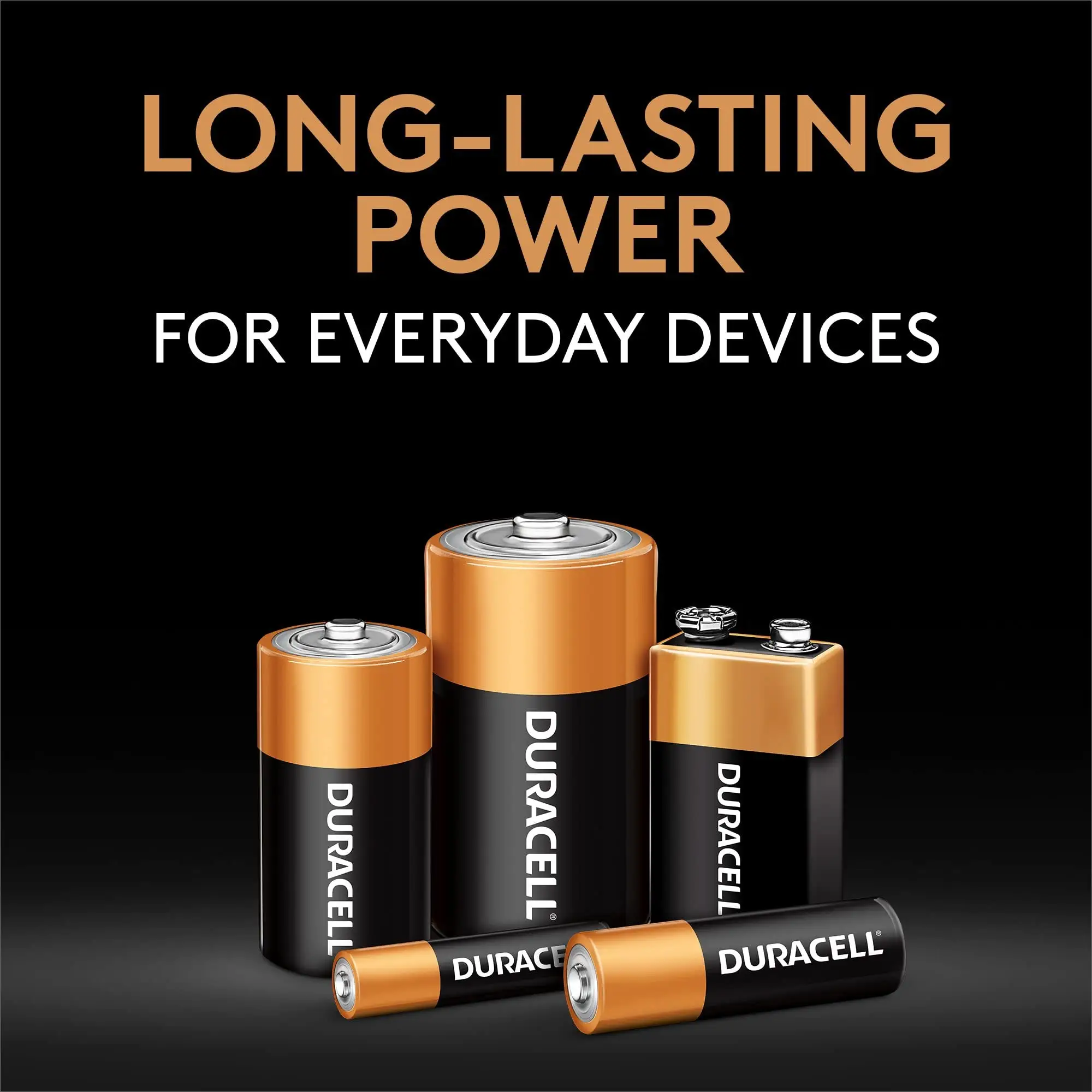
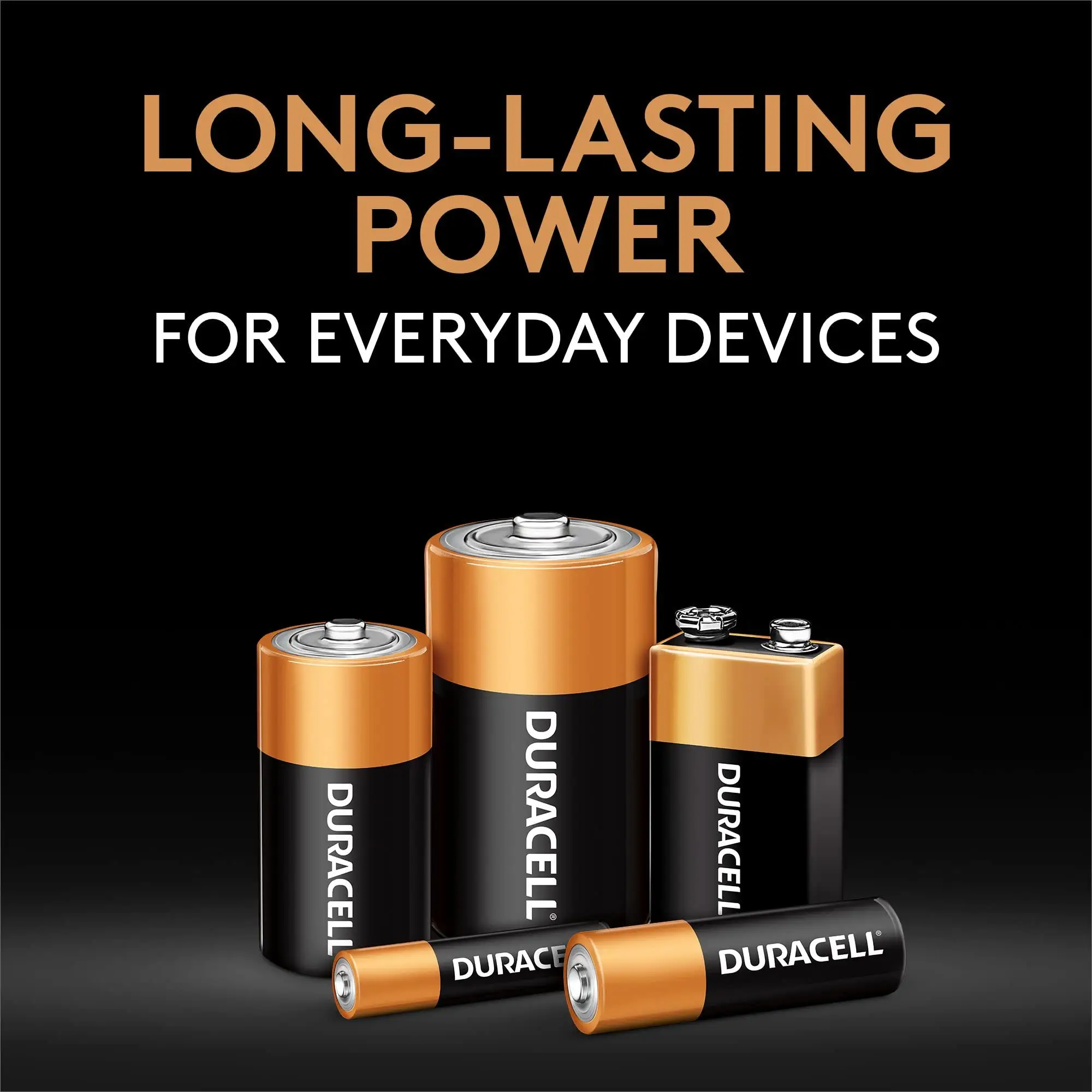
Duracell CopperTop AAA Review: Reliable, But Leak Risk
“Most of the AAA batteries, completely unused, have leaked all over the place.” That one-star warning sits alongside thousands of five-star raves for Duracell CopperTop AAA Batteries, and it captures the product’s split personality in the real world. Across Amazon, Reddit/Sharvibe community posts, ReviewIndex/Twitter-style aggregations, and ShopSavvy TLDR summaries, the prevailing verdict is strong reliability for everyday devices — with a stubborn, recurring anxiety about leaks, authenticity, and returns. Overall score from user sentiment: 8.7/10.
Quick Verdict
Conditional Yes — dependable for frequent-use household devices, but watch storage habits and seller authenticity.
| What users like | What users dislike |
|---|---|
| Long-lasting in low-drain gear like remotes and clocks | Some reports of leaking during long storage |
| Reliable brand for critical devices | Authenticity/knockoff worries from some buyers |
| Bulk packs feel convenient | Ordering/fulfillment frustrations for a minority |
| Good value when on sale | Return windows/return eligibility complaints |
Claims vs Reality
Duracell’s marketing leans on “Power Boost Ingredients” and a “guarantee of 12 years in storage.” Digging into user feedback, the longevity claim lands well for people using batteries steadily. A Reddit community post on Sharvibe framed it bluntly: “the power boost ingredients are no joke… these batteries last way longer than the cheap ones i used to buy. my tv remote? still going strong after months.” For someone swapping out TV remotes, wireless mice, or kids’ toys, that “months” runtime is the lived experience that matches the promise of dependable daily power.
The storage guarantee is where the gap appears. While officially rated for long shelf life, at least one Amazon reviewer’s story pushes back hard. An Amazon verified review titled “Never buying Duracell Batteries again” described unused batteries leaking years before their printed date: “here we are, 4 years later, and most of the aaa batteries, completely unused, have leaked all over the place, even though they are supposedly good until 2022.” That contradiction matters most for emergency-prep users or anyone parking batteries in smoke detectors, clocks, or backup flashlights for years. The marketing says “forget about them until you need ’em”; this user says forgetting them is exactly the risk.
Duracell also positions itself as a premium, trusted brand. Community sentiment generally agrees. In ReviewIndex’s aggregation, battery-life mentions skew strongly positive, with snippets like “duracell always lasts longer!” and “only battery you can trust.” ShopSavvy’s TLDR echoes the same theme, calling out “exceptional reliability… ideal for various devices, including remotes and medical applications like insulin pumps and glucose meters.” Still, the trust claim is undermined for some buyers by marketplace issues rather than performance: ReviewIndex shows a negative cluster around authenticity — “product is a fraud,” “no idea if these are authentic dura cells,” and “chinese knockoffs with no dating!!” Even if these are a minority, they’re directly about brand trust.
Cross-Platform Consensus
A recurring pattern emerged around where Duracell CopperTop AAA Batteries shine: low- to moderate-drain household electronics. The Sharvibe Reddit-style post describes a broad, familiar use case — “i use these for everything — gaming remotes, flashlights, even my kid’s noisy toys… they handle it all without dying after two days.” That narrative shows why casual home users keep returning: less interruption, fewer emergency swaps. ReviewIndex backs it with repeated remote-control stories such as “they power my remotes very well” and “lasts for months in my tv remote.” For parents, that “noisy toys” detail signals fewer tantrum moments when batteries die mid-play. For home-office users, it means a wireless mouse or keyboard that doesn’t sputter out unexpectedly.
Longevity comes up not just as marketing language but as measured time in people’s routines. ShopSavvy notes “some batteries lasting nearly two years in devices like wall clocks,” and that kind of duration is a specific win for anyone with hard-to-reach devices or infrequently checked gadgets. ReviewIndex quotes reinforce the same lived advantage: “they last long and are dependable,” “always last a long time,” and “these are long lifers worth the paying for.” The impact is simple: for retirees relying on wall clocks, or landlords managing multiple units, the fewer times you open battery compartments, the better.
Users also repeatedly praise bulk convenience. ShopSavvy calls out the “convenient large pack size… perfect for users with high battery consumption,” and the Sharvibe post turns it into a buying habit: “pro tip: buy in bulk when they’re on sale.” ReviewIndex adds a similar practical note: “this package has enough to last for months.” For large households, offices, or anyone with multiple remotes and toys, the consensus is that big packs reduce shopping friction and keep a steady supply.
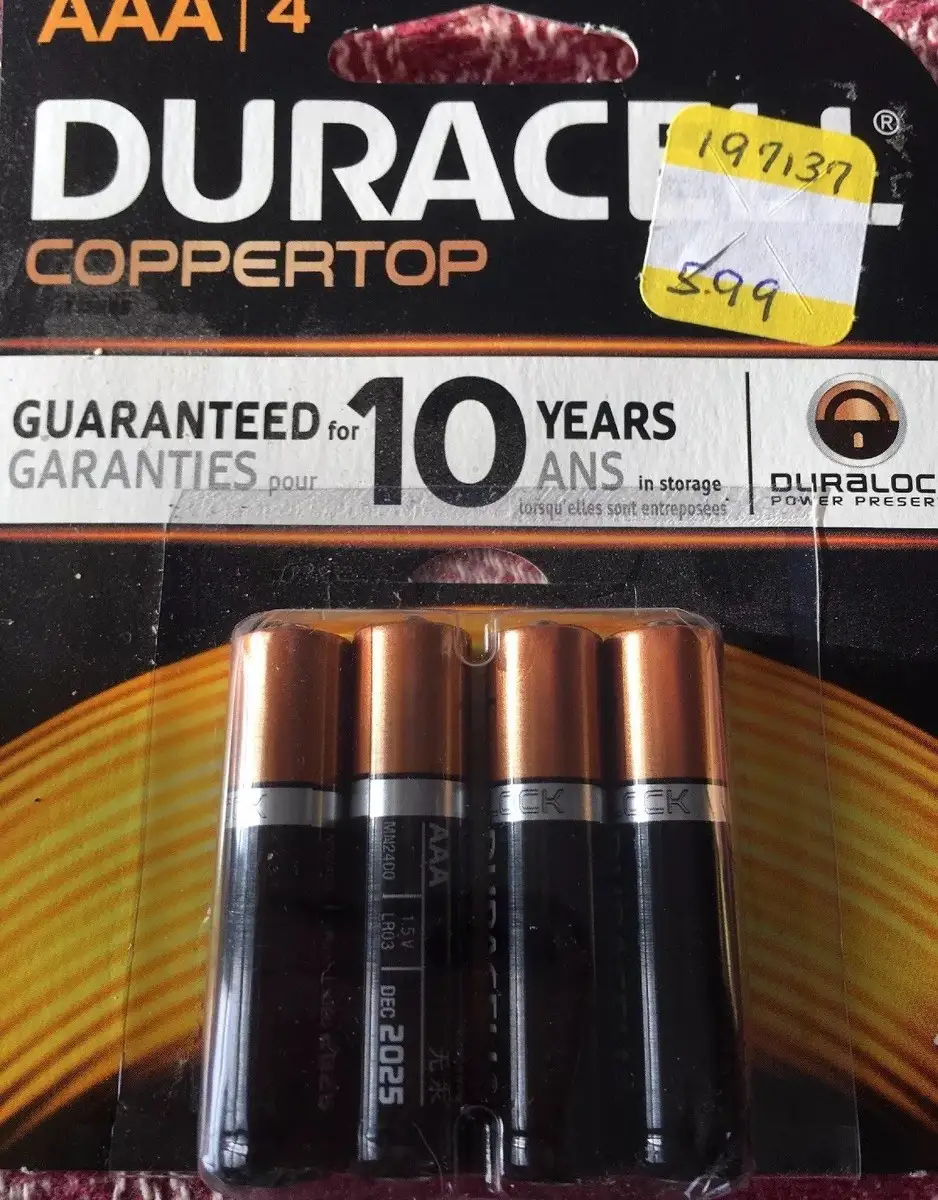
Common complaints cluster around two themes: leakage over long periods and shopping/marketplace headaches. Leakage stories are not the dominant narrative, but when they appear they’re vivid. The Amazon one-star reviewer’s timeline is clear: “if i left them sitting around, they all leaked… most of the aaa batteries, completely unused, have leaked.” That warning targets users who store batteries for years or leave them inside devices indefinitely. Even the Sharvibe enthusiast implicitly acknowledges this risk in reverse, advising stocking up because “no more ‘dead on arrival’ surprises,” suggesting past experiences with lesser brands arriving weak. While one user says long storage is safe, another says it isn’t — and that friction defines the controversy.
Marketplace issues affect a different type of user: those ordering online rather than grabbing a pack in-store. ShopSavvy’s cons list highlights “battery size substitution… leading to confusion and mistrust,” plus “ordering process was cumbersome” and “delay in order fulfillment.” ReviewIndex deepens that with return frustration quotes: “amazon would not return them,” “not eligible for return,” and “i can’t get a refund.” This isn’t about the battery chemistry; it’s about the buying experience. For people who need batteries for a specific event (holiday toys, storm prep), a delayed or wrong order hits harder than a slightly shorter runtime.
Divisive features largely revolve around perceived authenticity and premium pricing. Many users accept higher cost because of performance. Sharvibe states, “yeah, batteries aren’t cheap, but these are worth it,” and ReviewIndex is full of price-positive snippets like “you can’t beat the quality or the price” and “a little more expensive but worth the few extra pennies.” For these users, the implication is that cost-per-hour is better than store brands. But a smaller, anxious cohort questions whether they’re even getting real Duracell products, with ReviewIndex showing “product is a fraud” and “not in package as shown.” Those voices don’t necessarily claim CopperTops are bad — they fear the marketplace supply chain. The price debate therefore splits along trust in sellers and tolerance for premium spend.
Trust & Reliability
Trust issues show up less as platform-wide panic and more as a persistent undertow. ReviewIndex’s “original product” cluster is heavily negative, featuring lines like “no idea if these are authentic dura cells” and “obviously a fake product.” ShopSavvy advises users to “consider purchasing from reputable, high-turnover outlets to ensure freshness,” which implicitly addresses both authenticity and age. The investigative takeaway is that most users trust Duracell the brand, but some don’t trust every listing carrying the brand name.
On long-term durability, the majority of stories are positive in daily use but complicated in storage. The Sharvibe post is effectively a “months later” update: “my tv remote? still going strong after months.” ReviewIndex similarly mentions routine replacement cycles — “i replace them every couple of months” — suggesting stable, predictable life in frequently used devices. The sharp counterexample is the Amazon leakage story, which is specifically about “completely unused” batteries stored for years. That points to a reliability profile that feels strong in active service and less certain in ultra-long idle storage, at least for some households.
Alternatives
Competitors are mostly referenced indirectly. The Sharvibe Reddit-style reviewer contrasts CopperTops with “cheap ones i used to buy” and “generic brands,” saying Duracell “last way longer” and don’t die “after two days.” ReviewIndex echoes that comparative framing with phrases like “perform the best and last the longest” and “you may find other brands that are cheaper, but none that will last longer.” No specific rival brand names appear in the data, so the alternative narrative stays broad: users see CopperTop as the upgrade from store-brand alkalines, especially in remotes, toys, and mid-drain electronics.
Price & Value
Prices in the Amazon specs vary by pack size — around $0.88–$0.92 per battery for 8- and 20-count listings, and bulk packs lower the per-cell cost. User feedback treats value as context-dependent. ReviewIndex’s price category is overwhelmingly positive, with quotes like “worth the price” and “these are long lifers worth the paying for.” Sharvibe adds a buying tactic: “buy in bulk when they’re on sale.” For budget-conscious families, that suggests timing purchases rather than avoiding the brand.
Resale and market pricing on eBay show CopperTop AAA multi-packs trending around the teens to low twenties for 20–34 packs, reinforcing that the brand holds typical retail value rather than spiking as a scarce item. The practical implication from users and listings alike is simple: buy larger counts if you go through batteries regularly, and stick to high-turnover sellers to reduce freshness or authenticity worries.
FAQ
Q: Do Duracell CopperTop AAA batteries really last longer than cheaper brands?
A: Most users say yes. A Sharvibe Reddit community post notes they “last way longer than the cheap ones,” with a TV remote still strong “after months.” ReviewIndex snippets repeatedly say “duracell always lasts longer,” especially in remotes, clocks, and toys.
Q: Are these safe to store for years like the 12-year guarantee says?
A: Storage experiences conflict. One Sharvibe user calls the “12-year storage guarantee” reassuring, but an Amazon verified buyer reported unused batteries leaking after four years despite being “supposedly good until 2022.” For long idle storage, some users advise caution.
Q: What devices do users most often power with CopperTop AAA?
A: Everyday low- and mid-drain devices dominate. Users mention “tv and gaming remotes,” “wall clocks,” “wireless mice and keyboards,” flashlights, and kids’ toys. ShopSavvy also notes use in medical devices like insulin pumps and glucose meters, where reliability matters.
Q: Do people worry about counterfeit Duracell CopperTop batteries online?
A: A minority does. ReviewIndex shows complaints like “product is a fraud” and “no idea if these are authentic dura cells.” ShopSavvy recommends buying from “reputable, high-turnover outlets,” suggesting authenticity concerns are tied to marketplace sellers.
Q: Is buying in bulk worth it?
A: For frequent users, yes. ShopSavvy highlights large packs as convenient for “high battery consumption,” and Sharvibe’s community post suggests stocking up during sales. ReviewIndex notes big packs “last for months,” reducing repeat trips to buy replacements.
Final Verdict
Buy if you’re a household or office user cycling through batteries in remotes, toys, mice, keyboards, and flashlights, and you value fewer swaps and steady performance. Avoid if you plan to leave batteries unused in devices for multiple years, given real leakage complaints. Pro tip from the community: “buy in bulk when they’re on sale,” and stick to reputable sellers to sidestep authenticity worries.