Duracell CopperTop AA Batteries Review: Reliable, With Caveats
A shopper losing “18 so far out of a package of 24” isn’t the story Duracell wants told—but it’s part of the public record around Duracell CopperTop AA Batteries. Verdict: a top-tier everyday alkaline for many households, with a small but loud trail of quality and packaging complaints. Score: 8.3/10.
Quick Verdict
Yes—conditionally. If you want dependable AA alkalines for remotes, clocks, and everyday devices, the cross-platform chatter is strongly positive. If you’ve been burned by “dead on arrival” packs or suspect tampering, buy from a source you trust and check date codes.
| What the feedback suggests | Evidence from users | Who it matters to |
|---|---|---|
| Strong day-to-day reliability | A verified buyer on Amazon wrote: “they consistently deliver a strong and long-lasting power supply… whether it’s in my tv remote, wireless keyboard, or children’s toys” | Households with many low-drain devices |
| Often outlasts store brands in higher drain | A reviewer on Sharvibe claimed: “in high-drain devices like gaming controllers, they last noticeably longer than store brands” | Gamers, parents with battery-hungry toys |
| Leak concerns exist (but not universal) | A reviewer quoted by Fakespot alleged: “dura cells leak and leak” while another said “No leaks so far either” (Sharvibe) | Anyone storing batteries in devices long-term |
| Shelf-life assurances are a buying driver | Sharvibe: “The 12-year storage guarantee gives me peace of mind” | Emergency kits, storm prep |
| Quality control complaints cluster around “dead” cells | A verified buyer on Amazon complained: “12 of the batteries didn’t work at all” | Bulk buyers, time-sensitive replacements |
Claims vs Reality
Duracell’s marketing leans on “long-lasting,” “reliable power,” and extended storage guarantees. Digging deeper into user reports, those claims largely align with how many people use CopperTop AAs—especially in low-drain staples like remotes and clocks—but they don’t land equally for everyone.
One recurring claim is dependable performance across everyday devices. That’s echoed loudly in customer narratives. A verified buyer on Amazon described CopperTop AAs as a household constant: “a staple in my household for years,” adding they power “my tv remote, wireless keyboard, or children’s toys… with ease.” The same theme appears in Home Depot reviews collected during promotions, where one reviewer wrote: “love these for remotes and small appliances… they last so long.”
Yet the “reliable” story has sharp outliers. While many praise consistency, some shoppers say they received batteries that were dead immediately or failed quickly. A verified buyer on Amazon reported: “12 of the batteries didn’t work at all and 6… only worked 2 days.” ShopSavvy’s summary also flags that “several users reported receiving packs with dead batteries, raising concerns about quality control.” The gap here isn’t about the brand promise so much as what arrives at the doorstep.
Another claim centers on long-term storage readiness. Official Amazon listings for CopperTop emphasize multi-year storage guarantees (seen as “10 years in storage” on one listing and “12 years in storage” for the “Power Boost Ingredients” version). That marketing clearly resonates with preparedness-minded buyers. The Sharvibe review framed it as emergency insurance: “I keep a set in my hurricane kit knowing they’ll work when needed.” But a Fakespot-quoted complaint shows how storage expectations can collide with date-code anxiety: “expiration date 2029… these batteries are 2-3 years old,” with the reviewer adding, “others are totally shorted out.” While that doesn’t prove widespread issues, it highlights how perceived freshness can shape trust even before the batteries go into a device.
Cross-Platform Consensus
Universally Praised
“Remote control and toys” show up again and again as the real-world proving ground for Duracell CopperTop AA Batteries. A recurring pattern emerged: users don’t romanticize batteries—they celebrate not having to think about them. In Home Depot feedback, one reviewer distilled the appeal bluntly: “lasts so long… i hate changing batteries often so these are perfect for me.” For families juggling multiple low-drain gadgets, that’s less about performance specs and more about fewer interruptions.
For gamers and households with high-use electronics, multiple stories point to noticeable endurance gains over cheaper brands. A Home Depot reviewer focused on Xbox controller use, writing: “usually needs replacing every couple days… they are a week plus and going strong.” On Sharvibe, the writer made a direct comparison: “in high-drain devices like gaming controllers, they last noticeably longer than store brands i’ve tried.” For controller-heavy homes, that translates into fewer mid-game swaps and fewer emergency store runs.
Organization and packaging convenience also gets its own mini-fanbase—especially among bulk buyers. The Sharvibe reviewer praised storage and usability: “The re-closable packaging is genius—no more batteries rolling around in my junk drawer… The trays keep everything organized.” That sort of detail matters most to households buying multi-packs and rotating batteries into smoke detectors, remotes, and kids’ toys on a schedule rather than one-off purchases.
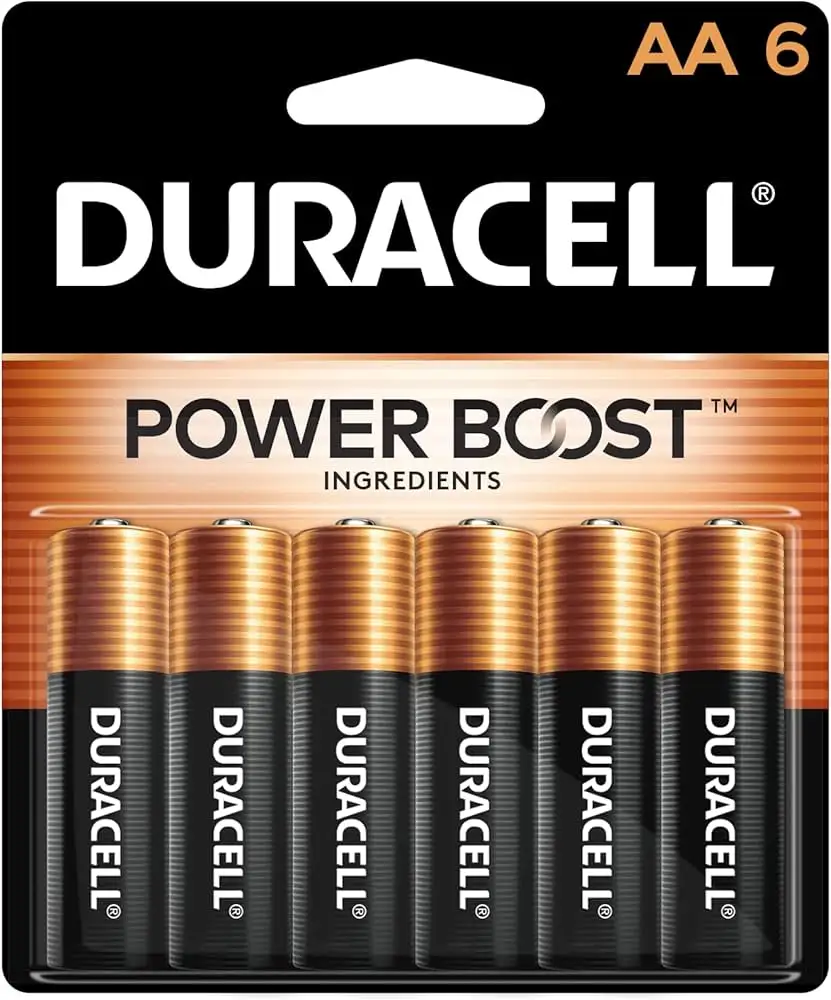
Finally, brand trust itself is part of the “performance” story users tell. In Home Depot feedback, a reviewer contrasted CopperTop against generics: “so much better quality than the store brand!! they last much longer!” Another wrote: “duracell has always been a reliable choice… they’ve continued to live up to that reputation.” The common thread: people buy CopperTop to avoid the hidden cost of cheap batteries—time, device downtime, and occasional device damage anxiety.
- Most-cited winning use cases: TV remotes, wireless keyboards/mice, kids’ toys, flashlights, Xbox controllers.
- Most repeated praise phrases: “last longer,” “reliable,” “go-to,” “never scrambling,” “week plus and going strong.”
Common Complaints
The loudest negative theme isn’t weak performance over time—it’s performance at the starting line. Several reports describe packs containing dead batteries or cells that fail almost immediately. One verified buyer on Amazon didn’t mince words: “12 of the batteries didn’t work at all,” and added that several others lasted “only worked 2 days.” That kind of failure hits hardest for anyone buying a bulk pack to avoid inconvenience—because the whole point is to not have to troubleshoot.
A second complaint cluster centers on packaging integrity and possible tampering, especially in reseller-style or third-party contexts. A reviewer quoted by Fakespot described alarming packaging: “The package of batteries was opened, repackaged and taped closes. There is no way the packaging was opened during shipping.” For shoppers, that’s less a product-performance issue than a trust problem—because a great battery doesn’t help if the supply chain feels questionable.
Leak fear also remains a persistent undercurrent in some accounts, even when other users report the opposite. The Sharvibe reviewer emphasized peace of mind: “No leaks so far either,” but a Fakespot-quoted complaint alleged the reverse: “dura cells leak and leak.” For device owners storing AAs inside gear for long stretches—flashlights, emergency radios, rarely-used remotes—leak stories carry outsized weight because the downside is device damage, not just another battery swap.
- Biggest risk called out: receiving “dead” batteries in a bulk pack.
- Most trust-damaging complaint: “opened… repackaged and taped” packaging.
- Most emotionally charged downside: leak allegations and device-ruin anxiety.
Divisive Features
Price and “value” is where opinion splits. Some buyers argue the math works because longevity reduces replacement frequency. The Sharvibe reviewer framed it this way: “at first glance the price seems steep, but when you calculate cost-per-battery and factor in their longevity, it’s actually great value,” adding a community-style tactic: “wait for amazon sales.” Meanwhile, other users describe the category more begrudgingly; a verified buyer on Amazon said: “i hate having to buy batteries… the price is about average.” The divide often comes down to whether you’re comparing against premium brands, store brands, or rechargeable alternatives.
Packaging size is another point of disagreement. The Sharvibe review praised organization but still complained: “the packaging could be more compact for storage.” For apartment dwellers or anyone with limited storage, bulky multi-pack trays can be a practical annoyance even if they prevent loose batteries in drawers.
Trust & Reliability
Digging deeper into trust signals, third-party summaries repeatedly surface two concerns: “dead on arrival” batteries and packaging integrity. ShopSavvy’s TL;DR explicitly notes that “several users reported receiving packs with dead batteries,” tying the issue to perceived quality control rather than typical end-of-life behavior.
Fakespot-surfaced complaints intensify the suspicion angle. One reviewer alleged the pack “was opened, repackaged and taped,” and another questioned freshness by calling out an “expiration date 2029” while asserting the cells were “2-3 years old.” Regardless of whether every claim is representative, these stories show how much the buying experience (sealed packaging, date codes, consistent cells) affects whether users trust the brand promise.
Longer-term durability stories appear more implicitly—people describing “years” of household use rather than formal “6 months later” updates. A verified buyer on Amazon said CopperTops “have been a staple in my household for years,” and a Home Depot reviewer wrote, “my family always purchased this battery brand.” These aren’t lab tests, but they function as reliability endorsements built on repeated repurchases.
Alternatives
Competitors only appear in the provided data as comparisons, not full reviews, but the contrast is still telling. The Sharvibe reviewer explicitly compared Duracell CopperTop AA Batteries to “store brands,” saying CopperTops last “noticeably longer” in gaming controllers and emphasizing “No leaks so far either.” For shoppers deciding between CopperTop and generics, the user framing is straightforward: pay more to reduce replacements and worry.
ShopSavvy also frames a common alternative decision: Duracell vs Amazon Basics. Their summary says Duracell is favored when you want “long shelf life” and better performance in “high-drain gadgets like gaming controllers,” while Amazon Basics may be attractive if you’re “prioritizing cost” for “devices that don’t need as much power.” In other words, the alternative isn’t about whether Amazon Basics works—it’s about how often you want to think about batteries.
Price & Value
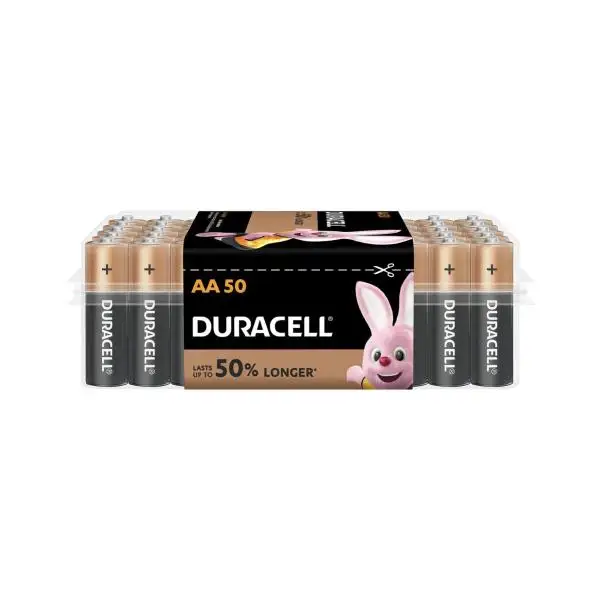
Prices in the provided listings show CopperTop AAs often sold in bulk packs, with the Amazon 28-count CopperTop AA listing shown at $23.89 (about $0.85/count). Another Amazon listing for a 56-count AA+AAA pack appears at $55.55 (about $0.99/count) plus shipping in that snapshot. These numbers matter because the product’s “value” argument is almost always tied to buying in quantity.
User buying logic tends to follow two paths. One group just wants a steady household stockpile. A verified buyer on Amazon noted it “helps to keep my battery supply up to date when i am running low.” Another group calculates longevity into the price. Sharvibe’s reviewer put it bluntly: “when you calculate cost-per-battery and factor in their longevity, it’s actually great value,” and offered a clear tactic: “wait for amazon sales.”
Resale/secondary-market signals (eBay listings) show a wide spread in AA Duracell pricing and formats, but that data reads more like market availability than a stable “resale value” story. For shoppers, the practical takeaway from community chatter is less about flipping batteries and more about avoiding suspicious packs: buy sealed, check packaging, and treat deals that look too good as a potential risk.
FAQ
Q: Do Duracell CopperTop AA batteries work well in TV remotes?
A: Yes, most feedback points to strong performance in low-drain devices like remotes. ShopSavvy summarizes that they “work pretty well in tv remotes,” and a verified buyer on Amazon said they power “my tv remote… without interruptions,” suggesting fewer replacements for everyday household use.
Q: Are they good for gaming controllers and other high-drain devices?
A: Often, yes—but expectations vary. A Home Depot reviewer said their Xbox controller batteries lasted “a week plus and going strong,” and Sharvibe claimed they last “noticeably longer than store brands” in controllers. Still, some users report defective cells, which can ruin the experience in high-drain gear.
Q: Do users complain about leaks?
A: Some do, but it’s not unanimous. Sharvibe reported “No leaks so far either,” while a complaint quoted by Fakespot alleged “dura cells leak and leak.” If you store AAs in devices long-term, leak reports are the main risk theme to watch for in user feedback.
Q: What’s the biggest risk when buying in bulk?
A: Reports of dead or short-lived batteries. A verified buyer on Amazon wrote: “12 of the batteries didn’t work at all,” and ShopSavvy notes “several users reported receiving packs with dead batteries.” Buyers sensitive to this tend to focus on sealed packaging and trusted sellers.
Q: Are they worth the higher price versus cheaper brands?
A: Many users say yes when longevity reduces replacement hassle. Sharvibe argued the pack becomes “great value” when you factor in lifespan, and Home Depot reviewers repeatedly contrast them favorably to “store brand” batteries. Cost-focused shoppers still call the price “about average” for the category.
Final Verdict
Buy Duracell CopperTop AA Batteries if you’re a busy household stocking remotes, wireless keyboards/mice, kids’ toys, and flashlights—and you value fewer battery swaps over saving pennies per cell. Avoid if you’ve had repeated “dead on arrival” experiences or see any signs a pack was “opened, repackaged and taped.” Pro tip from the community: Sharvibe’s reviewer recommends, “wait for amazon sales” to make the bulk packs feel like “an absolute steal.”