Duracell Coppertop 9V 6-Pack Review: Reliable, Caveats
“‘No annoying low-battery chirps at 3 am — bless.’” That one line captures why Duracell Coppertop 9V Battery, 6 Count keeps showing up in safety devices and gear bags: people buy it to stop thinking about batteries. Verdict: a strong pick for critical, low-drain devices, with some red flags around packaging and inconsistent listings. Score: 8.3/10.
Quick Verdict
Yes—conditional. If you want dependable 9V power for smoke detectors and similar devices, the feedback leans strongly positive. If shipping integrity and “freshness” are mission-critical (or you’ve had issues with missing items), buyer experiences suggest checking packaging and dates on arrival.
| What buyers focus on | What feedback suggests | Who it matters to most |
|---|---|---|
| Reliability in safety devices | Months of steady performance reported | Homeowners, landlords |
| Long storage life (5-year claim) | Some report “still perform like new” after storage | Emergency prep buyers |
| Value vs local retail | Often cheaper than big-box pickup | Budget-conscious households |
| Packaging integrity | Reports of ripped/missing items exist | Online shoppers, bulk buyers |
| Consistency across listings | One Amazon listing shows far lower rating than another | Repeat buyers comparing SKUs |
Claims vs Reality
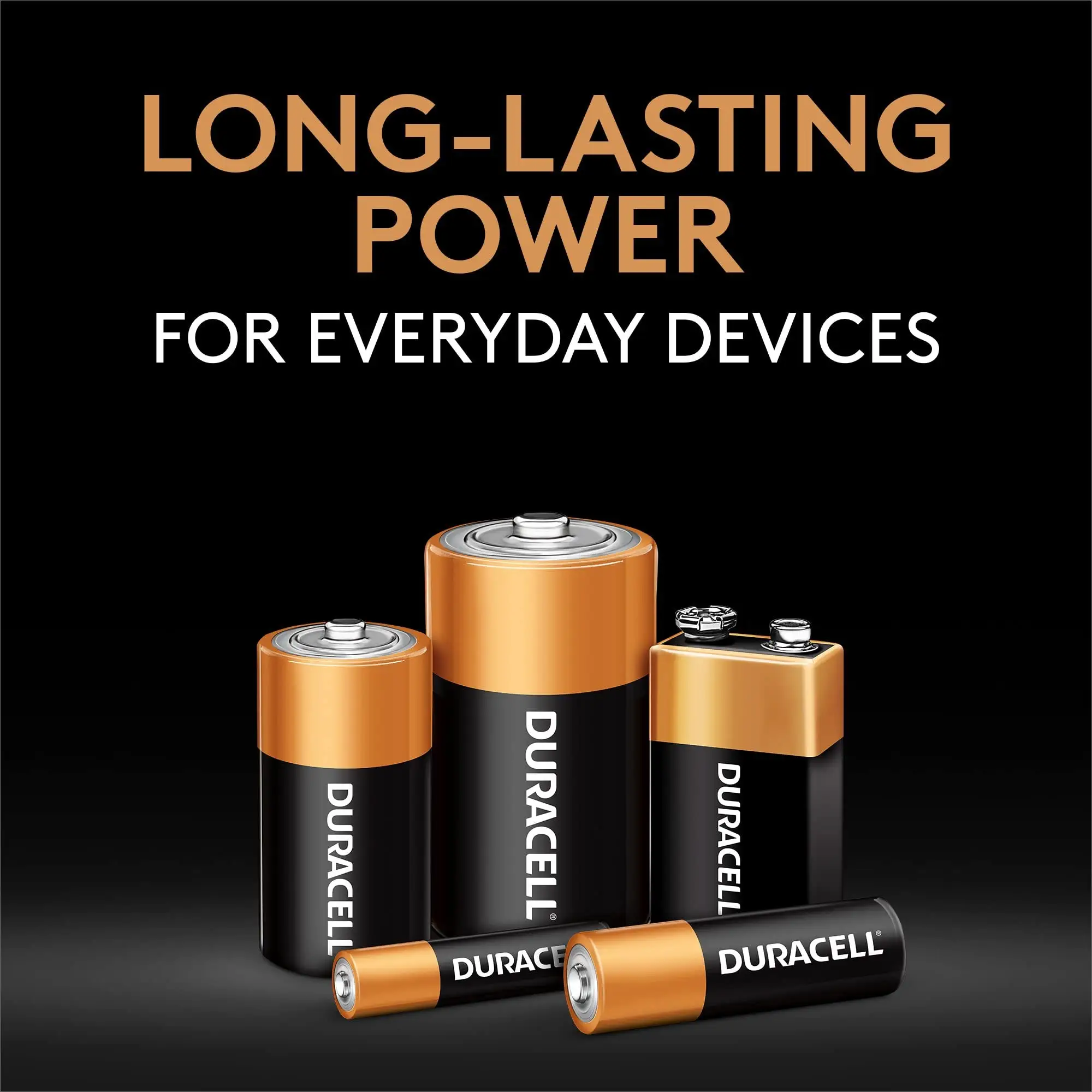
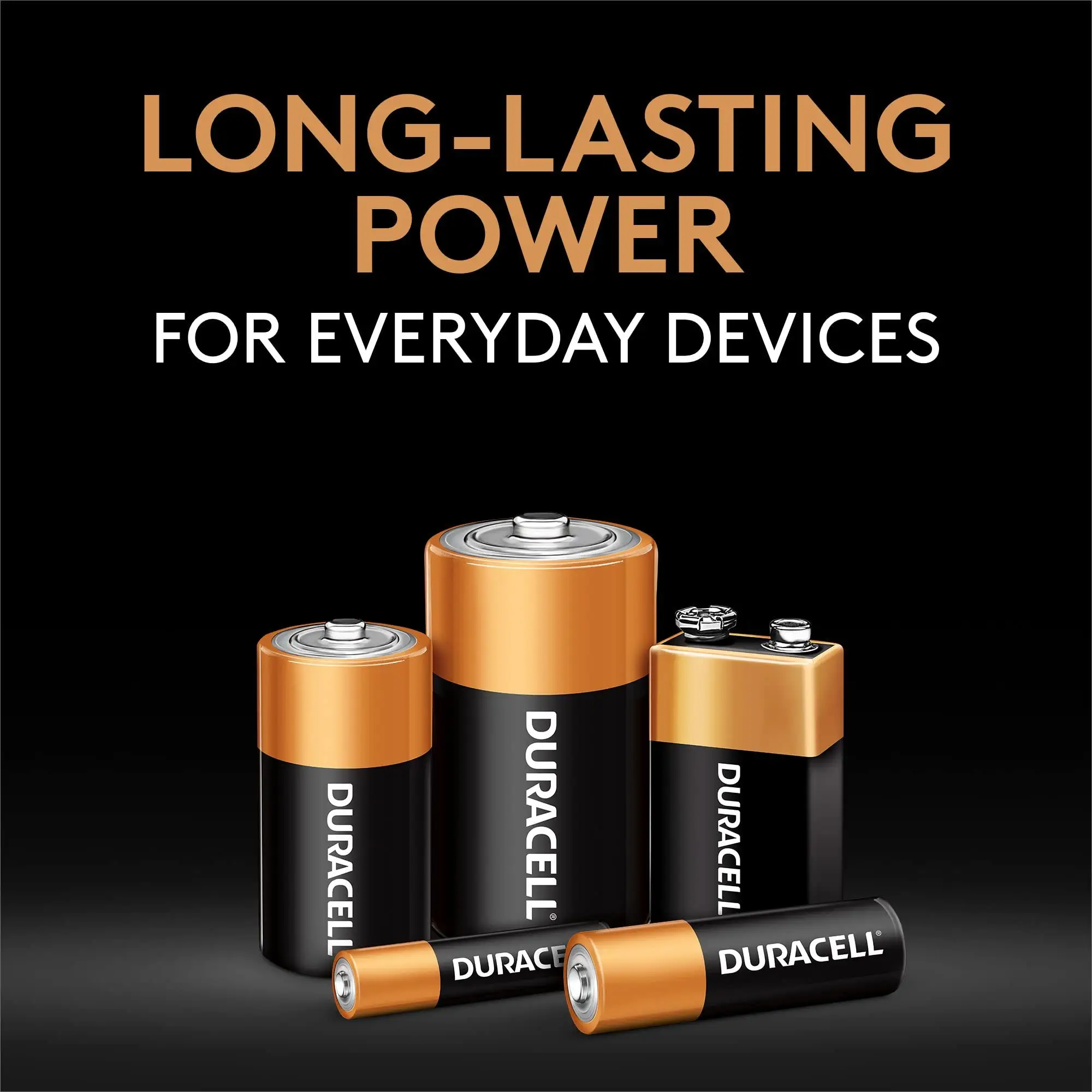
Duracell’s marketing language is clear: “long-lasting,” “reliable power,” and “guaranteed for 5 years in storage.” Digging deeper into user-written accounts included here, the stories that align most tightly with those claims come from safety-device use cases—exactly where a 9V battery’s slow, steady output matters.
For example, a reviewer writing on Sharvibe (Ronald Carroll) framed the benefit in everyday-life terms after putting one in a smoke detector: “it’s been going strong for months” and, more importantly, “No annoying low-battery chirps at 3 am — bless.” That’s not a lab metric, but it’s the lived outcome the “reliable power” claim is supposed to deliver: fewer interruptions and less anxiety.
Where the “reality” gets messy isn’t runtime in a device—it’s fulfillment and SKU confusion. One Amazon listing for a Duracell Coppertop 9V 6-count shows 4.8/5 with 261 reviews, while another Duracell Coppertop 9V 6-count page shows 3.2/5 with 58 reviews and is “currently unavailable.” The feedback record here doesn’t explain why those pages diverge, but for shoppers, the gap can feel like a bait-and-switch: while one product page signals near-universal satisfaction, another suggests meaningful dissatisfaction.
A recurring pattern emerged in the few negative anecdotes available: not that the battery is dead-on-arrival, but that the shipment might be compromised. Ronald Carroll relayed a warning secondhand: “one reviewer mentioned their package arrived ripped open with missing batteries. yikes.” Even though he added “mine was fine,” it highlights a very different kind of failure mode—less about chemistry, more about getting what you paid for.
Cross-Platform Consensus
Universally Praised
“Dependable” isn’t just a brand slogan in these accounts—it shows up as a specific, repeated outcome: fewer chirps, fewer swaps, and less hassle. For homeowners using 9V batteries in smoke detectors, the payoff is peace at night. Ronald Carroll’s smoke-detector story centers on exactly that: “No annoying low-battery chirps at 3 am — bless.” For this user type, battery performance is less about squeezing maximum power in a high-drain gadget and more about stability over time.
Musicians also show up prominently in the long-form feedback included here, because pedals and tuners turn 9Vs into a recurring expense. Rachel Cooper on Sharvibe argued that the brand wins on endurance: “duracell copper tops consistently outlast the competition.” For gigging players, that translates into fewer battery changes mid-set and fewer “why is my tone dying?” moments—an anxiety that only shows up when you’ve had cheaper batteries sag unexpectedly.
Another widely praised detail is the physical design/handling—less a chemistry win, more a day-to-day safety win. Cooper called out “the plastic pole tops” as “a game-changer” because they mean “no more accidental short circuits when tossing them in your gig bag!” That’s not a small thing for touring musicians or technicians who carry loose spares: a “working” battery is worthless if it gets drained or damaged in transit.
Finally, there’s repeated emphasis on storage behavior. Cooper described a scenario familiar to emergency-prep households and venue managers alike: “i’ve had some sit in storage for months and still perform like new when needed.” That aligns neatly with Duracell’s “5 years in storage” positioning—though the user story here speaks to months, not years.
After those narratives, the praise clusters into a few consistent themes:
- Reliable power in smoke detectors (“no annoying…chirps”)
- Strong endurance versus alternatives (“outlast the competition”)
- Safer carry/handling (“no more accidental short circuits”)
- Holds up in storage (“still perform like new”)
Common Complaints
The clearest frustration in the provided data isn’t about how the batteries run—it’s about how they arrive. Ronald Carroll’s write-up includes a caution that another reviewer’s order “arrived ripped open with missing batteries.” For online shoppers buying multi-packs specifically to avoid last-minute runs to the store, a compromised package defeats the entire point of planning ahead.
Price also surfaces as a recurring “con,” even from enthusiastic users. Cooper’s long-form post praises performance but admits: “while not the cheapest option, the extended lifespan makes them more economical in the long run.” That’s a concession that upfront cost can sting—especially for families maintaining multiple detectors or for musicians burning through 9Vs frequently. In other words: buyers may accept the premium, but they notice it.
There’s also a more subtle complaint embedded in the dataset: confusion across product configurations. Cooper talks about a “12-pack,” while this review target is a 6-count pack; and the Amazon data shows multiple 6-count listings with drastically different star ratings. For practical shoppers, this creates uncertainty: am I buying the same Coppertop 9V everyone is praising, or a different listing with different quality control or fulfillment?
Summarizing the main pain points after the narratives:
- Packaging/shipping integrity (“ripped open with missing batteries”)
- Premium pricing (“not the cheapest option”)
- Listing/SKU inconsistency (ratings vary sharply across pages)
Divisive Features
“Value” is the dividing line. Some buyers judge value against local retail convenience, while others judge it against generic brands. Ronald Carroll framed the purchase as a win specifically because it was “way cheaper than grabbing them at walmart.” But Cooper, even while praising lifespan, still labels them “not the cheapest option.” The same product can feel like a bargain or a splurge depending on what you’re comparing it to and how urgently you need it.
Packaging is similarly split. Cooper praises the practical effect of design details (“plastic pole tops”), while Carroll flags that shipping can undermine the experience if the package is compromised. For people stocking up for emergency gear, that combination suggests a two-part reality: the product may be designed thoughtfully, but fulfillment is a separate variable.
Trust & Reliability
The most concrete trust signal in the dataset is users describing “months” of stable operation in smoke detectors—an application where flakiness becomes obvious fast. Ronald Carroll emphasized that the battery in his detector has “been going strong for months,” with none of the familiar warning chirps. Rachel Cooper echoed that stability from a household angle, saying Coppertops have been “rock-solid in our smoke detectors ( no annoying midnight chirps ! ).”
But reliability isn’t only about runtime; it’s also about whether a buyer receives an intact product. Carroll’s mention of a package that “arrived ripped open with missing batteries” introduces a different kind of trust concern: not counterfeit allegations in this dataset, but the worry of tampering or sloppy fulfillment. For buyers using these in mission-critical devices, the practical takeaway is to inspect deliveries immediately—because the biggest failure story here isn’t “it died early,” it’s “it wasn’t all there.”
Alternatives
Only a few “alternatives” are explicitly mentioned in the provided data. One is broad but telling: Cooper says, “i’ve tried them all — but duracell copper tops consistently outlast the competition.” That implies generic and competing brands, but without naming them, it stays a directional claim rather than a direct matchup.
The other alternative is implicit in buying behavior: Ronald Carroll compares against grabbing batteries at Walmart, essentially treating “retail convenience purchase” as the competitor. For that shopper type, the alternative isn’t another chemistry—it’s last-minute retail pricing. His verdict was blunt: “way cheaper than grabbing them at walmart.”
A third comparison point is more “expert” than user: CHOICE’s testing (for AA size, not 9V) reports a middling “choice expert rating 60%,” with notably weaker “performance (high drain) 47%” but strong “endurance (low drain) 91%.” While that isn’t a 9V test, it supports the general theme seen in user stories: Coppertop-style alkalines tend to make more sense in steady, low-drain applications than in punishing high-drain ones.
Price & Value
Current pricing in the Amazon specs snapshot shows $25.25 for a 6-count pack (about $4.21/count), while another listing roundup cites $22.46. On the resale/market side, an eBay listing shows a 6-pack at $16.00 (with an expiration noted as “MARCH 2026”), suggesting that price can swing meaningfully depending on marketplace and timing.
The value argument in user feedback hinges on where you’re coming from. Ronald Carroll frames the purchase as a direct savings move versus local retail: “way cheaper than grabbing them at walmart.” Cooper frames value as “not the cheapest,” but justified by longevity: “the extended lifespan makes them more economical in the long run.” Those are two different value models—immediate cost vs cost-per-month of service.
Practical buying tips that emerge from these accounts are simple but consequential: buy enough to avoid emergencies, but don’t let bulk buying hide a packaging problem. Cooper suggests planning for scarcity moments (“pro tip: buy two boxes so you've always got a fresh stash”), while the shipping warning embedded in Carroll’s post implies you should verify the pack is intact before you trust it for safety devices.
FAQ
Q: What devices can Duracell Coppertop 9V batteries be used in?
A: Smoke detectors come up repeatedly, and users also describe using them in “effects pedals and tuners.” Rachel Cooper said she uses them “for both stage and home,” and Ronald Carroll wrote he “popped one into my smoke detector…[and] it’s been going strong for months.”
Q: Do these really help stop smoke detector chirping?
A: Many accounts tie Coppertop 9Vs to fewer low-battery alerts. Ronald Carroll wrote, “No annoying low-battery chirps at 3 am — bless,” after installing one in a smoke detector. Rachel Cooper similarly said they’ve been “rock-solid in our smoke detectors ( no annoying midnight chirps ! ).”
Q: Are they safe to store for emergencies?
A: Storage readiness is a major marketing point (“5 years in storage”), and at least one user story supports strong shelf behavior over shorter timeframes. Rachel Cooper said, “i’ve had some sit in storage for months and still perform like new when needed,” which is reassuring for emergency kits.
Q: Are there any common issues when buying online?
A: Packaging integrity is the standout risk in the provided feedback. Ronald Carroll relayed that “one reviewer mentioned their package arrived ripped open with missing batteries.” His own order was fine, but the story suggests checking the shipment immediately before relying on it for critical devices.
Q: Are they worth the price compared to cheaper options?
A: Value depends on what you compare against. Ronald Carroll said it was “way cheaper than grabbing them at walmart,” while Rachel Cooper admitted they’re “not the cheapest option” but argued the “extended lifespan makes them more economical in the long run.”
Final Verdict
Buy if you’re a homeowner, landlord, or musician who wants fewer battery swaps and steadier performance in smoke detectors, pedals, and other everyday 9V devices—Rachel Cooper’s “consistently outlast the competition” and Ronald Carroll’s “been going strong for months” are the recurring themes.
Avoid if you can’t tolerate fulfillment risk or you’re stocking critical safety gear and won’t immediately inspect shipments—because the sharpest negative story here is a pack that “arrived ripped open with missing batteries.”
Pro tip from the community: Rachel Cooper’s advice is simple planning for real life—“buy two boxes so you've always got a fresh stash”—then pair it with Carroll’s implied safeguard: check the package is intact before you trust it.