Duracell Coppertop 9V 6-Pack Review: Conditional Buy 7.6/10
The strangest split in the data isn’t about voltage—it’s about trust: one Amazon listing sits at 3.2 out of 5 stars (58 reviews) while another for what appears to be the same Duracell Coppertop 9V Battery, 6 Count shows 4.8 out of 5 stars (261 reviews). That contradiction frames the whole story of Duracell Coppertop 9V Battery, 6 Count: when the pack is fresh and intact, it’s a go-to; when fulfillment or freshness looks off, the tone changes fast. Verdict: Conditional buy — 7.6/10.
Quick Verdict
For mission-critical basics like smoke detectors and household devices, the feedback trends positive—especially around reliability and shelf readiness—yet there are recurring grumbles about packaging integrity and occasional “not lasting as expected” situations in certain uses.
| Verdict | What it’s based on | Evidence from sources |
|---|---|---|
| Conditional Yes | Strong “works when needed” stories | Sharvibe: “no annoying low-battery chirps at 3 am” |
| Pro: Reliable for detectors | Safety devices get the most praise | Manufacturer recommends smoke detectors; users echo it |
| Pro: Storage confidence | “Ready after sitting” theme | Sharvibe: “sit in storage for months and still perform like new” |
| Con: Packaging/shipping issues | Missing/compromised packs mentioned | Sharvibe: “package arrived ripped open with missing batteries” |
| Con: Longevity varies by use | Some say “not as long as expected” | ShopSavvy: “not lasting as long as expected in certain cases” |
Claims vs Reality
Claim 1: “Guaranteed for 5 years in storage.”
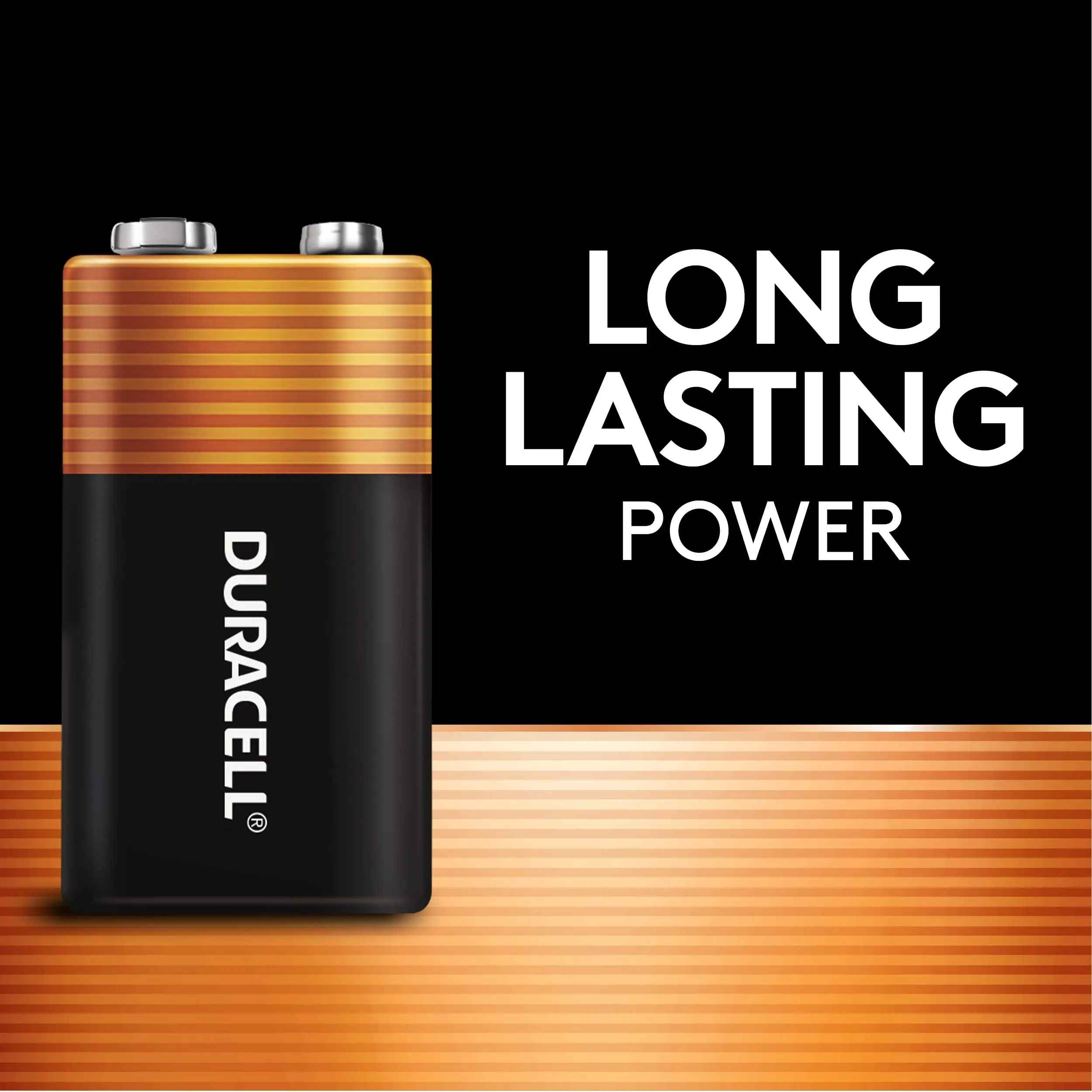
Duracell’s own product copy repeats the storage angle: Amazon specs say the 9V is “guaranteed for 5 years in storage,” positioning it for emergency gear and safety devices. Digging deeper into user reports, that promise maps closely to how many people actually use these—buying in multi-packs specifically so a few can sit idle until needed.
A recurring pattern emerged in anecdotal stories about “grab-and-go” readiness. A writer on Sharvibe framed it as peace-of-mind for both stage and home, saying: “i’ve had some sit in storage for months and still perform like new when needed.” That’s not a lab shelf-life test, but it is exactly the consumer scenario the claim targets: batteries left alone until the day they matter.
Claim 2: “Long-lasting power” for household and office devices.
Marketing language leans broad—“long lasting” and “all-purpose”—and the consumer stories often follow that line, especially for low-drain or intermittent-use devices. A Sharvibe reviewer tied “longer life” directly to fewer nuisance events, writing: “it’s been going strong for months. no annoying low-battery chirps at 3 am,” in a smoke detector scenario.
But the data also hints at a gap: the ShopSavvy summary acknowledges “a few minor complaints… the batteries not lasting as long as expected in certain cases.” That caveat matters for buyers powering more demanding or constantly-on gadgets, where “long-lasting” can feel subjective and use-dependent.
Claim 3: “Quality assurance” and defect protection.
The Amazon specs promise that Duracell “guarantees these batteries against defects,” even stating they’ll repair/replace a damaged device if harmed by a defect. Yet the most vivid negative stories aren’t about electrical failure—they’re about fulfillment and packaging.
One Sharvibe reviewer said: “one reviewer mentioned their package arrived ripped open with missing batteries. yikes.” While that’s not a product defect in the electrochemical sense, it’s the kind of real-world failure mode that undermines the “quality assured” vibe—because buyers judge quality at the doorstep as much as in the device.
Cross-Platform Consensus
Universally Praised
“Set it and forget it” is the dominant compliment, and it shows up in the places you’d expect: smoke detectors, garage door openers, and other household staples where reliability matters more than peak drain performance. Duracell’s own Amazon listing frames 9V Coppertop for “smoke detectors” and the everyday household list, and user narratives repeatedly land on that same use case. On Sharvibe, one reviewer described home use with relief: “they’ve been rock-solid in our smoke detectors (no annoying midnight chirps!)” and also called out “garage door openers” as another steady performer.
For practical adults buying for safety devices—the “adulting” crowd—freshness out of the package comes up as an important reassurance. A Sharvibe reviewer who bought a 2-pack wrote: “i tested these with my drone battery checker… and they were fresh outta the package. no duds here.” For this kind of buyer, the value isn’t a benchmark runtime; it’s confidence that the battery isn’t already half-spent when it arrives.
Convenience also gets framed as a quiet win, especially when buying multi-packs. The 6-count pack appears repeatedly in the specs and deal posts, and users interpret that as fewer emergency store runs. A blog-style “Reddit (Community)” source on Kiitn says the “product contains six 9v batteries” and claims “users… praised… reliability,” even adding that the design makes installation easy and reduces corrosion risk—though that phrasing reads more like promotional summarization than direct community quotes.
After these stories, the praise consolidates into a few themes:
- Reliability in smoke detectors and alarms (“no chirps” peace-of-mind)
- Fresh batteries on arrival (“no duds” reassurance)
- Storage readiness (“still perform like new when needed”)
Common Complaints
The most specific negative narrative is about packaging integrity, and it’s the kind of problem that hits hardest when you’re buying a multi-pack for critical devices. A Sharvibe reviewer summed up the anxiety bluntly: “package arrived ripped open with missing batteries.” Even when the same writer noted “mine was fine,” the warning lingers because a compromised package raises two fears at once: missing units and questionable freshness.
Another recurring complaint thread is softer but still important: not everyone experiences “long-lasting” in every scenario. The ShopSavvy answers page (a summary-style source) admits: “there are a few minor complaints… the batteries not lasting as long as expected in certain cases.” That kind of feedback tends to come from buyers using 9Vs in more demanding gear, where expectations are higher and replacement is more frequent. The frustration isn’t that the battery fails immediately—it’s that it doesn’t match the buyer’s personal baseline for “long lasting,” especially if they’re comparing against a different brand or chemistry.
Price sensitivity also peeks through as a practical complaint-by-proxy. One Sharvibe reviewer positioned Duracell as a better deal online than local retail: “way cheaper than grabbing them at walmart.” That’s praise for the listing price, but it also reveals the underlying grievance: if the price climbs, some buyers feel the brand premium isn’t automatically justified without consistent longevity and clean fulfillment.
Summarizing the repeated pain points:
- Packaging/shipping problems (missing batteries, ripped packaging)
- Longevity varies depending on use case (“not lasting as long as expected”)
- Value perceptions shift with pricing and channel
Divisive Features
The biggest divisive “feature” isn’t a feature at all—it’s the cross-listing reputation gap. One Amazon listing for a Duracell Coppertop 9V 6-pack shows 3.2/5 stars (58 reviews) and is marked “currently unavailable,” while another Duracell Coppertop 9V 6-pack listing shows 4.8/5 stars (261 reviews) and appears widely stocked. While those could be different ASINs or supply chains, a buyer scanning ratings might see it as one product with two wildly different realities.
This split supports a broader, divisive interpretation: when the pack arrives intact and fresh, people describe it as dependable; when fulfillment feels questionable, complaints spike. A Sharvibe reviewer captured both sides in one breath—praising performance while still warning: “just maybe cross your fingers for intact shipping.”
Trust & Reliability
Digging deeper into trust signals, one thing stands out: there isn’t direct Trustpilot “verified buyer” narrative here—only repeated inclusion of a ShopSavvy Q&A-style page under multiple platform headings. That means the scam-concern lens has to come from what users actually mention: shipping condition, missing batteries, and freshness anxiety.
On long-term reliability, the strongest durability stories are tied to smoke detectors and household staples. A Sharvibe reviewer described months of stable performance in a detector: “it’s been going strong for months,” specifically celebrating the absence of the dreaded midnight chirp. Another Sharvibe writer broadened the long-term confidence angle, saying: “after years of use across dozens of packs, i can confidently say duracell has earned its #1 reputation.” Those are anecdotal claims, but they’re consistent with why people buy branded alkaline 9Vs for mission-critical devices.
Alternatives
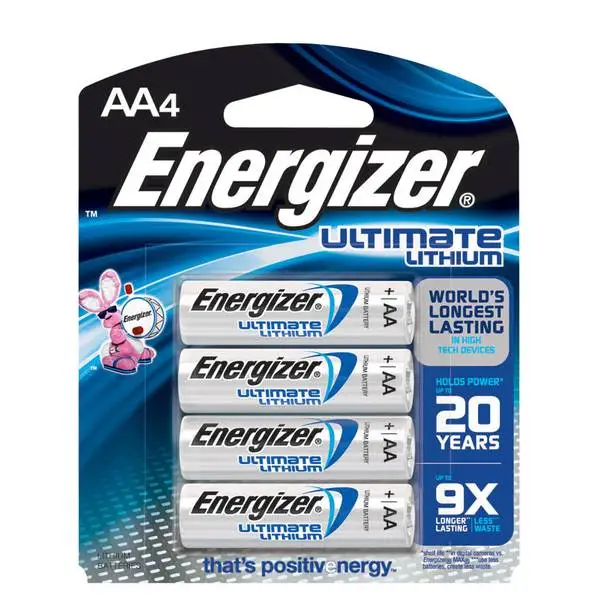
Competitors barely appear in the user-sourced material, which limits apples-to-apples comparison. The clearest alternative reference is indirect: CHOICE’s battery testing notes that “lithium batteries may give you better performance overall,” but adds that “the cost per battery makes them a poor value proposition” compared to “cheaper high-performing alkaline batteries.” That frames the real decision for many shoppers as chemistry trade-offs rather than brand-versus-brand.
There’s also a practical “alternative” in the buying channel rather than the product: one Sharvibe reviewer explicitly compared online purchase value against Walmart pricing, saying it was “way cheaper than grabbing them at walmart.” For budget-focused shoppers, that suggests the same Duracell pack can feel like a good deal or an overpriced convenience depending on where it’s purchased.
Price & Value
Pricing is scattered across sources, which itself tells a story: the same “6 count” idea floats through multiple listings and deal pages at different prices. TopProducts lists $22.46, another Amazon page shows $25.25, and a deal-style blog post claims a time deal around $15.41. Meanwhile, eBay listings show a wide spread—like a “Duracell coppertop 9v battery - pack of 2” around $7.99 and multi-pack lots with varying shipping costs.
For buyers who treat 9V batteries as emergency essentials (smoke detectors, alarms), the value argument in user stories isn’t “cheapest per cell”—it’s fewer failures and fewer surprise chirps. A Sharvibe reviewer justified paying more by lifespan: “while not the cheapest option, the extended lifespan makes them more economical in the long run.” That’s a long-view budget logic: pay a bit more to replace less often and avoid hassle.
Practical buying advice from the crowd skews toward checking freshness and packaging. Even the ShopSavvy summary suggests: “just make sure to check expiration dates to ensure you’re getting a fresh batch.” And the shipping warnings (“ripped open,” “missing batteries”) imply that value drops to zero if fulfillment is sloppy—because you’re no longer sure what you received.
FAQ
Q: What devices do people actually use Duracell Coppertop 9V batteries in?
A: Smoke detectors come up most often, along with household devices like garage door openers, clocks, and radios. One Sharvibe reviewer said they were “rock-solid in our smoke detectors,” and the Amazon listing itself recommends them for “smoke detectors” and other everyday electronics.
Q: Do these 9V batteries really last a long time?
A: Many buyers describe months of steady performance in low-drain or intermittent devices, especially smoke detectors. A Sharvibe reviewer wrote, “it’s been going strong for months.” However, ShopSavvy also notes some complaints about them “not lasting as long as expected in certain cases,” suggesting results vary by use.
Q: Are there packaging or shipping problems reported?
A: Yes—packaging integrity shows up as a notable risk. A Sharvibe reviewer cited another buyer experience: “package arrived ripped open with missing batteries.” Even when performance is praised, some shoppers warn to hope for “intact shipping,” because missing or compromised packs affect trust and perceived freshness.
Q: Are these good to keep in storage for emergencies?
A: The official claim is “guaranteed for 5 years in storage,” and some users echo that real-world readiness. A Sharvibe reviewer said they had batteries “sit in storage for months and still perform like new when needed.” For emergency gear and detectors, that shelf confidence is a key reason people choose them.
Final Verdict
Duracell Coppertop 9V Battery, 6 Count makes the most sense if you’re the kind of buyer stocking smoke detectors, alarms, and household devices where a dead battery is a headache (or a safety issue). The most enthusiastic stories revolve around stability—“no annoying low-battery chirps at 3 am”—and confidence that the cells arrive fresh.
Avoid it if you’re buying from a channel with frequent fulfillment issues or you can’t tolerate packaging risk, because at least one reviewer flagged “ripped open with missing batteries,” and trust drops quickly when counts or freshness feel uncertain.
Pro tip from the community: follow the ShopSavvy-style advice to “check expiration dates,” and—based on the shipping complaints—inspect the pack immediately on arrival before relying on it for mission-critical devices.