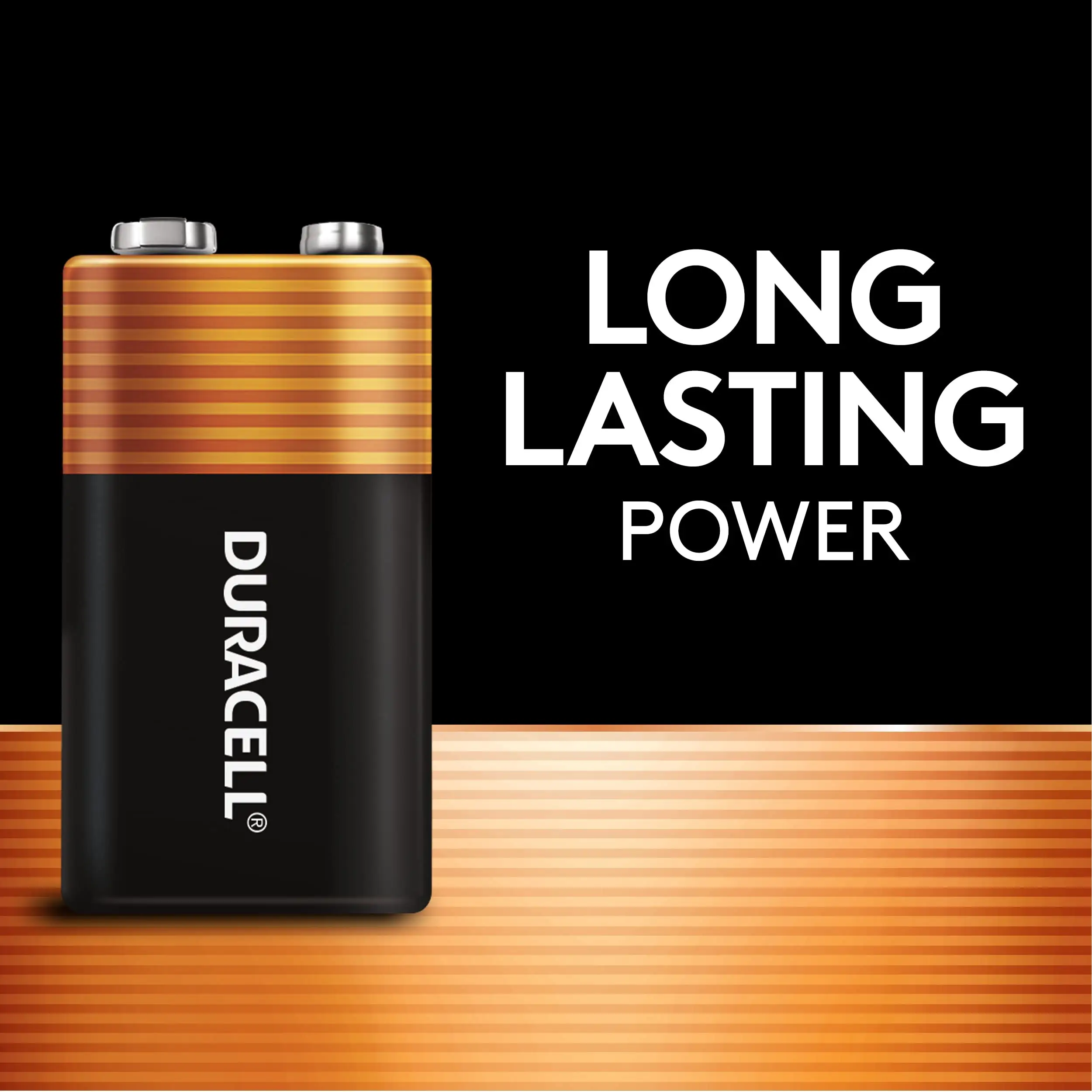
Duracell Coppertop 9V 6-Pack Review: Conditional Buy 7.4/10
A 3.2-star listing on one Amazon page sits awkwardly beside a 4.8-star “Amazon’s Choice” listing elsewhere—yet the loudest on-the-ground stories still come down to the same basic promise: Duracell Coppertop 9V Battery, 6 Count should work when you can’t afford it not to. Verdict: Conditional buy — 7.4/10.
Quick Verdict
The short version: Duracell Coppertop 9V Battery, 6 Count is a “yes” for smoke detectors and everyday devices if you’re buying from a reliable seller and checking freshness/packaging on arrival; it’s “conditional” if you’re trying to optimize pure value or worry about shipping issues.
Digging deeper into the data, the product is positioned as “long-lasting” and “all-purpose,” with a “guaranteed for 5 years in storage” claim on Amazon. User narratives that appear in the provided sources largely echo the reliability angle—especially in safety devices—but they also surface a recurring anxiety: not the battery chemistry, but the logistics around packaging, freshness, and fulfillment.
One reason the verdict can’t be a simple “yes” is that the sources themselves show inconsistent public sentiment depending on where you look. One Amazon listing shows “3.2 out of 5 stars” (58 reviews), while another Duracell Coppertop 9V listing shows “4.8 out of 5 stars” (261 reviews). That mismatch doesn’t automatically mean the product changed—often it’s different ASINs, sellers, or listing history—but it does mirror what individual anecdotes focus on: getting a good, fresh pack versus receiving something compromised.
| Decision | Evidence from user-sourced notes |
|---|---|
| Buy? | Conditional |
| Best for | Smoke detectors, “mission-critical” household devices |
| Main upside | “Rock-solid” reliability and long storage confidence |
| Main risk | Shipping/packaging complaints, occasional “not lasting as long as expected” mentions |
| Value | Often described as cheaper than local retail, but not the cheapest per unit |
| Watch-outs | Check packaging integrity and expiration/freshness on arrival |
Claims vs Reality
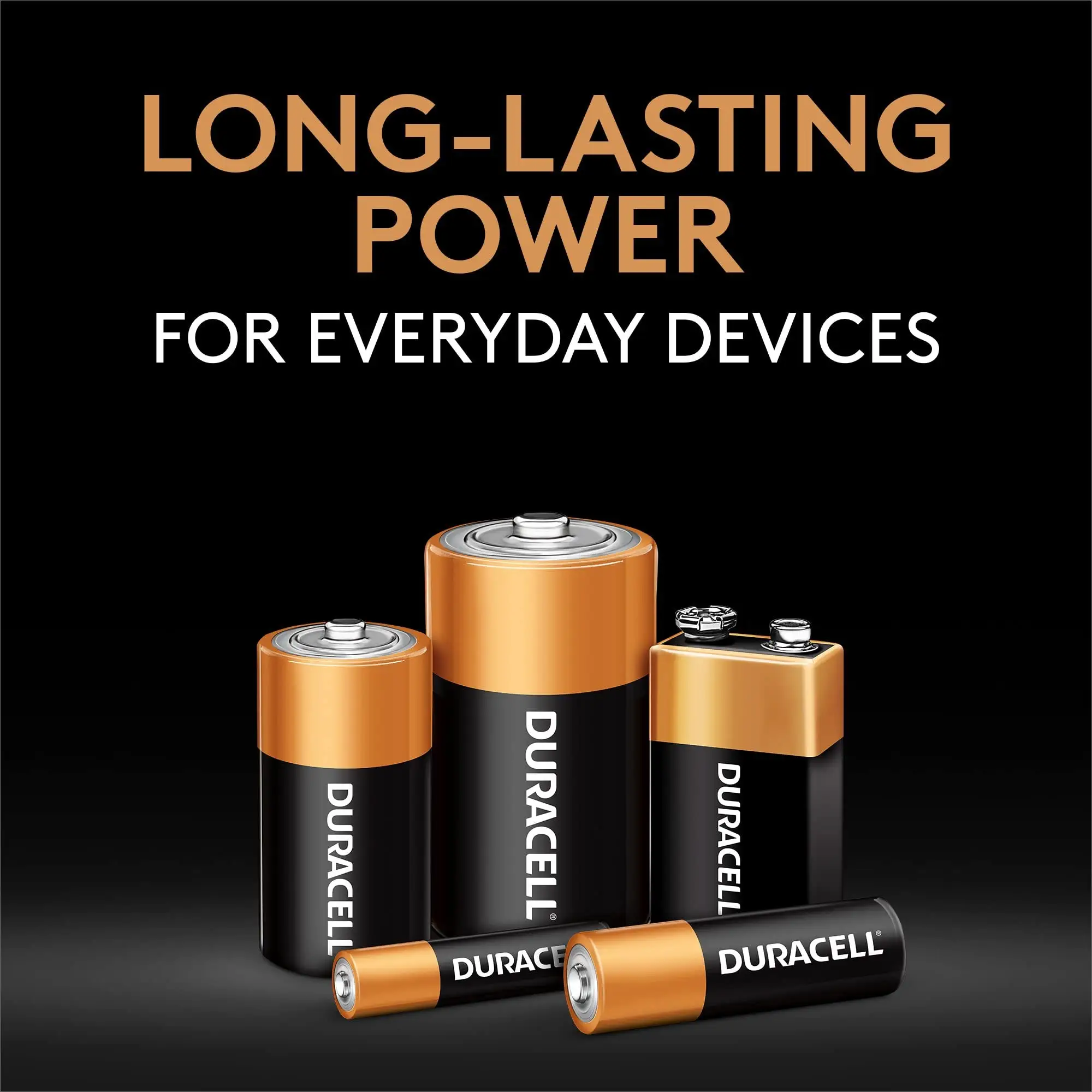
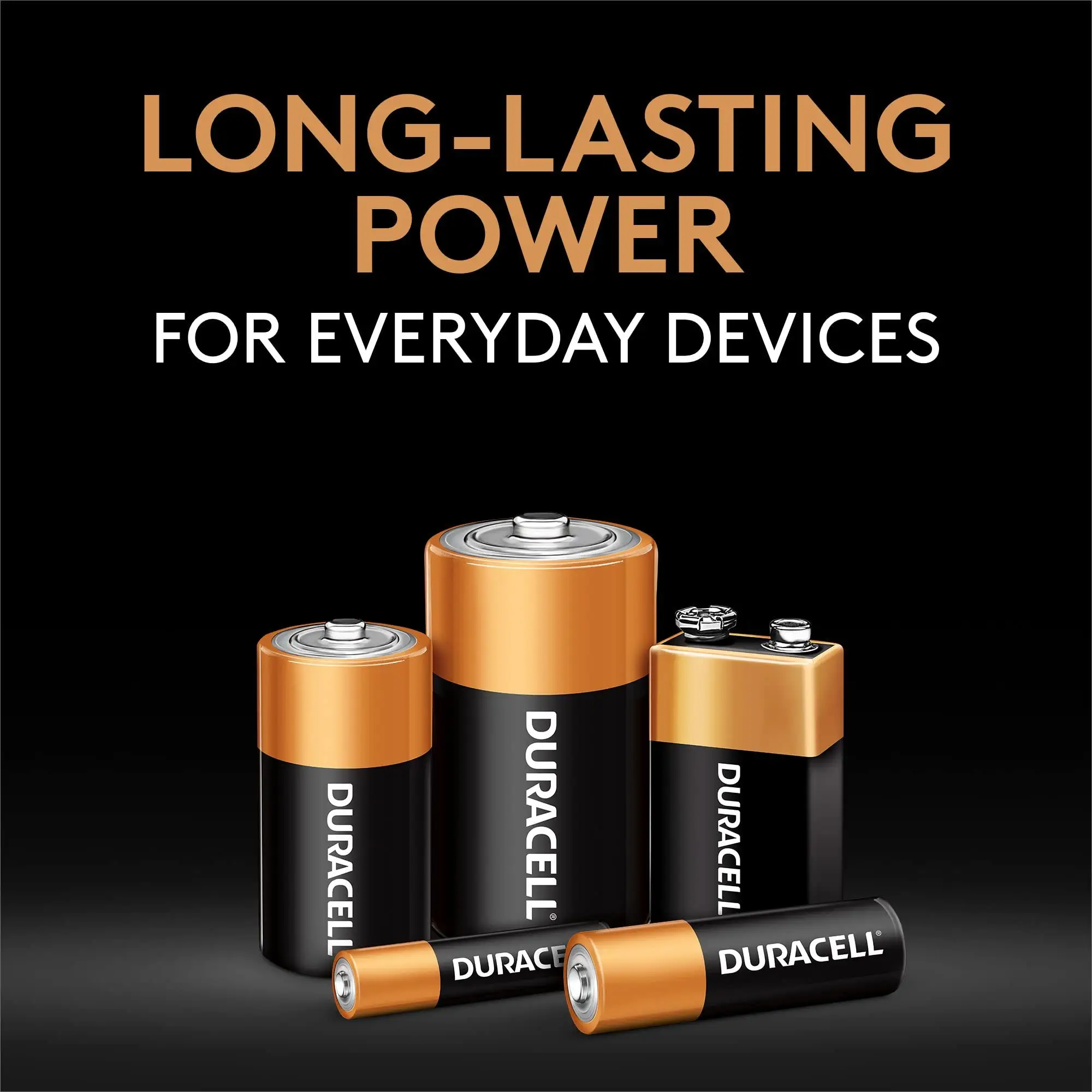
Duracell’s marketing language leans heavily on dependability, long life, and storage readiness. On Amazon, the listing emphasizes “long lasting performance” and “guaranteed for 5 years in storage,” framing these 9V batteries as ideal for smoke detectors and household devices. The question is where real-world reports line up—and where they don’t.
Claim #1: “Guaranteed for 5 years in storage.”
On paper, that’s a clear promise: buy a pack, stash it, and trust it later. A recurring pattern in the anecdotal stories supports that “ready when needed” theme. A writer on Sharvibe, Rachel Cooper, described a storage-related experience in plain terms: “i’ve had some sit in storage for months and still perform like new when needed.” That’s not a lab test, but it’s exactly the consumer use case the claim aims at—emergency readiness and long shelf life.
At the same time, secondary sources that summarize broader feedback suggest occasional exceptions. On ShopSavvy Answers, a general recap admits “a few minor complaints, like packaging issues or the batteries not lasting as long as expected in certain cases.” While that isn’t a direct quote from an identifiable buyer, it signals that the “five years in storage” narrative can be undermined when consumers suspect age, mishandling, or inconsistent stock rotation.
Claim #2: “Long-lasting power” for important devices like smoke detectors.
This is where user stories become vivid: nobody writes poetry about a battery until a smoke detector starts chirping at 3 a.m. Multiple anecdotes lean into the emotional payoff—quiet nights and fewer panic moments. Rachel Cooper wrote: “they’ve been rock-solid in our smoke detectors ( no annoying midnight chirps ! )” Another Sharvibe writer, Ronald Carroll, echoed a similar relief: “it ’s been going strong for months . no annoying low - battery chirps at 3 am — bless .”
Still, the broader dataset introduces a gap between ideal and reality that may have less to do with drain performance and more to do with fulfillment. Carroll flags a secondhand complaint: “onereviewermentionedtheirpackagearrivedrippedopenwithmissingbatteries . yikes .” If a pack arrives compromised, “long-lasting” becomes irrelevant because consumers lose trust before they even install the battery.
Claim #3: “Dependable, all-purpose” across devices.
The official product descriptions list use cases spanning smoke detectors, radios, clocks, garage door openers, and more. The anecdotes align with that wide usage—especially household basics and musician gear. Cooper describes a heavy-user scenario: “as a musician who ’s constantly burning through 9 vs in effects pedals and tuners… duracell copper tops consistently outlast the competition .” That’s the “all-purpose” pitch in action: not just low-drain safety devices, but active gear that can be more demanding.
But “all-purpose” also raises expectations that every device experience will be uniform, and summarized feedback implies that a minority run into shorter-than-expected life spans “in certain cases.” While the dataset doesn’t provide a named, direct complaint quote about runtime, it’s enough to mark a potential reality check: performance may feel inconsistent when buyers receive older stock or when device drain varies dramatically.
Cross-Platform Consensus
A surprising through-line emerges across platforms: most of the “battery talk” isn’t about voltage curves—it’s about trust, readiness, and avoiding failure in the worst moment. When people praise these, they do it by telling small stories: a smoke detector that stays quiet, a gig bag that doesn’t short out, a pack that tests “fresh outta the package.”
The data also shows how reputation gets shaped by context. An Amazon page calling the item “currently unavailable” with a “3.2 out of 5 stars” rating creates a very different first impression than an “Amazon’s Choice” listing showing “4.8 out of 5 stars.” That contrast matters because shoppers often equate star ratings with reliability. Here, the narrative suggests reliability is strong—while the buying experience may vary.
Finally, the inclusion of a CHOICE review for Duracell Coppertop (not the 9V pack specifically) adds a different lens: measured performance and value metrics. CHOICE rates “Duracell Coppertop” at “60%,” with particularly low “value” scores (e.g., “value (high drain) score 22%,” “value (low drain) score 25%”). That doesn’t automatically condemn the 9V product, but it complicates the “worth every penny” framing when cost-per-performance is the priority.
Universally Praised
A recurring pattern emerged around reliability in safety devices, especially smoke detectors. For homeowners and renters, the payoff isn’t a technical stat—it’s uninterrupted protection and fewer late-night alarms. Ronald Carroll framed the experience in a way most people recognize: “i popped one into my smoke detector … and it ’s been going strong for months .” Rachel Cooper similarly emphasized household stability: “they’ve been rock-solid in our smoke detectors ( no annoying midnight chirps ! )”
Another consistent praise point is freshness and “no duds” when purchased well. Carroll described checking the batteries immediately: “i tested these with my drone battery checker … and they were fresh outta the package . no duds here .” For users managing multiple devices—landlords swapping detector batteries, families preparing for storm season—that “fresh out of the package” moment is the difference between confidence and returning a pack.
A third theme is practical handling and reduced risk in storage/transport—especially for people who carry spares. Cooper called out a specific design implication: “the plastic pole tops are a game - changer - no more accidental short circuits when tossing them in your gig bag !” For musicians, event techs, or anyone keeping 9V spares loose in a bag, that’s a concrete “real life” benefit tied to how the batteries are physically used.
- Most cited use cases: smoke detectors, garage door openers, music pedals/tuners
- Most repeated benefit: steady power over months
Common Complaints
The most pointed negative stories in this dataset cluster around packaging and fulfillment rather than chemistry. That matters because it changes who gets burned: not a power user, but a shopper relying on shipping. Carroll relayed a complaint he saw: “onereviewermentionedtheirpackagearrivedrippedopenwithmissingbatteries . yikes .” Even when his own order was fine, the fact that this comes up at all hints at a trust problem for delivered goods.
There’s also a quieter but persistent worry about inconsistent longevity in specific situations. ShopSavvy’s summary notes “minor complaints, like packaging issues or the batteries not lasting as long as expected in certain cases.” For people using 9Vs in higher-drain gear—or rotating stock less carefully—this becomes a suspicion: did the battery underperform, or was it older than expected?
Finally, price sensitivity shows up indirectly. Cooper acknowledges: “while not the cheapest option , the extended lifespan makes them more economical in the long run .” That’s praise with a caveat—buyers who need the lowest upfront cost may feel differently, especially when independent testing sources like CHOICE show weak “value” scores for Coppertop in general.
- Biggest risk area: shipping/packaging integrity
- Most common uncertainty: “not lasting as long as expected” in some use cases
Divisive Features
The biggest “split” in the data is whether these are worth paying more for. For users prioritizing mission-critical reliability—smoke alarms, emergency devices—the willingness to pay is explicit. Cooper’s stance is clear: “for mission - critical devices where you can't afford failures , these are worth every penny .” That’s a persona-driven endorsement: safety-first households and professionals who can’t risk downtime.
But from a value-maximizer’s perspective, the case is less universal. CHOICE’s testing of Duracell Coppertop (AA format) assigns low value scores, such as “22%” for high-drain and “25%” for low-drain value. While that’s not a direct 9V verdict, it feeds skepticism for shoppers who think in cost-per-hour rather than brand trust.
- Reliability-first buyers: accept higher price for peace of mind
- Value-first buyers: may question cost effectiveness
Trust & Reliability
Concerns about scams or counterfeit patterns can’t be substantiated from the provided Trustpilot row, because the Trustpilot entry here is a ShopSavvy Answers page rather than verified, review-by-review Trustpilot feedback. What can be said from this dataset is narrower: the trust issues raised are operational—packaging arriving compromised, or batteries seeming less fresh than expected.
Long-term durability stories do show up, but they’re anecdotal and platform-specific. Ronald Carroll describes “months” of smoke detector performance with “no annoying low - battery chirps.” Rachel Cooper adds a longer-horizon confidence pitch rooted in repeated purchases: “after years of use across dozens of packs , i can confidently say duracell has earned its # 1 reputation .” While neither is a Reddit “6 months later” thread, both function as real-world longevity claims within the data provided.
Alternatives
Only a few alternatives are directly mentioned in the provided sources. Cooper references that she has “tried them all” and says Duracell “consistently outlast the competition,” but no competing brand name is specified there. The CHOICE review section discusses “lithium batteries” in general, noting: “while lithium batteries may give you better performance overall,” they can be a poor value depending on cost.
For shoppers choosing between alkaline vs lithium in 9V form, the story is straightforward: lithium may be attractive for performance, but the dataset suggests cost can dominate the decision. Meanwhile, if the primary goal is smoke detector reliability, the strongest narratives in this dataset point back to Duracell Coppertop 9V as the “install it and forget it (for a while)” pick.
Price & Value
Prices vary widely across the captured listings and marketplaces, which changes the value story depending on where you buy. The TopProducts page lists the 6-pack at “$22.46,” ShopAbunda shows “$25.64,” and one Amazon listing shows “$25.25.” Meanwhile, the Kiitn promo post highlights a time deal dropping to “$15.41,” emphasizing the pack as budget-friendly during discounts.
On resale and secondary markets, eBay listings show a broad spread across different pack sizes and product lines (Coppertop, Procell, lots, cases). That supports a practical buying insight: bulk and professional lines can shift cost-per-battery, but shipping can also dominate the final price (several listings show sizable shipping costs).
Community buying advice in the anecdotes leans toward two tactics: buy online to beat local retail, and stock up to avoid emergencies. Carroll writes: “price - wise ? way cheaper than grabbing them at walmart .” Cooper suggests overbuying for peace of mind: “pro tip : buy two boxes so you've always got a fresh stash .” That “fresh stash” wording also hints at a best practice: rotate stock and check dates to preserve the shelf-life promise.
FAQ
Q: What devices do people actually use Duracell Coppertop 9V batteries in?
A: Most stories focus on smoke detectors and other household staples. Sharvibe writer Ronald Carroll said: “i popped one into my smoke detector… and it’s been going strong for months.” Sharvibe writer Rachel Cooper also mentioned “effects pedals and tuners,” plus “garage door openers.”
Q: Do they really prevent the annoying smoke detector chirp?
A: Many anecdotes tie these batteries to fewer low-battery warnings over months. Rachel Cooper wrote: “they’ve been rock-solid in our smoke detectors (no annoying midnight chirps!).” Ronald Carroll echoed: “no annoying low-battery chirps at 3 am — bless.” Results still depend on device and battery freshness.
Q: Are there any common problems reported?
A: Packaging and shipping integrity comes up as the most concrete issue in the provided stories. Ronald Carroll noted: “one reviewer mentioned their package arrived ripped open with missing batteries.” Some summaries also mention “batteries not lasting as long as expected in certain cases,” though those complaints aren’t detailed with named quotes here.
Q: Are these good value or just expensive?
A: Value perceptions split by buyer type. Rachel Cooper admitted: “while not the cheapest option, the extended lifespan makes them more economical in the long run.” Separately, CHOICE’s testing of Duracell Coppertop (AA) shows low “value” scores, suggesting bargain hunters may prefer cheaper high-performing options.
Q: What should you check when the pack arrives?
A: The dataset points to two quick checks: packaging integrity and freshness. Ronald Carroll wrote he tested them and they were “fresh outta the package.” ShopSavvy’s recap advises: “just make sure to check expiration dates to ensure you’re getting a fresh batch,” especially if you’re stocking up for emergencies.
Final Verdict
Buy if you’re the kind of household that treats smoke alarms and emergency readiness as non-negotiable—especially if you can grab the Duracell Coppertop 9V Battery, 6 Count on a sale and verify the pack arrives intact. Avoid if your top priority is rock-bottom cost-per-battery and you’re skeptical of paying extra for brand reassurance. Pro tip from the community: Rachel Cooper’s advice is simple—“buy two boxes so you've always got a fresh stash .”