Duracell Coppertop 9V 6-Pack Review: Conditional 7.4/10
A “5-year guarantee in storage” sounds airtight—until you notice the same Duracell Coppertop 9V Battery, 6 Count listing sitting at 3.2 out of 5 stars (58 reviews) on Amazon, a quiet warning that real-world experiences aren’t uniformly glowing. Verdict: Conditional buy — 7.4/10.
Quick Verdict
Conditional. If you’re stocking smoke detectors and other “must-work” devices, the feedback leans positive on reliability and shelf-readiness—but there are recurring complaints about shipping/packaging integrity and occasional “not lasting as long as expected” reports in certain uses.
| What the feedback suggests | Pros | Cons |
|---|---|---|
| Storage & readiness | “still perform like new when needed” | Must “check expiration dates” |
| Critical devices | “no annoying… chirps at 3 am” | Some report “shorter life spans in specific uses” |
| Value vs retail | “way cheaper than… walmart” | “Duracell batteries tend to be more expensive” |
| Handling | “plastic pole tops… no more accidental short circuits” | Packaging sometimes “arrived ripped open” |
Claims vs Reality
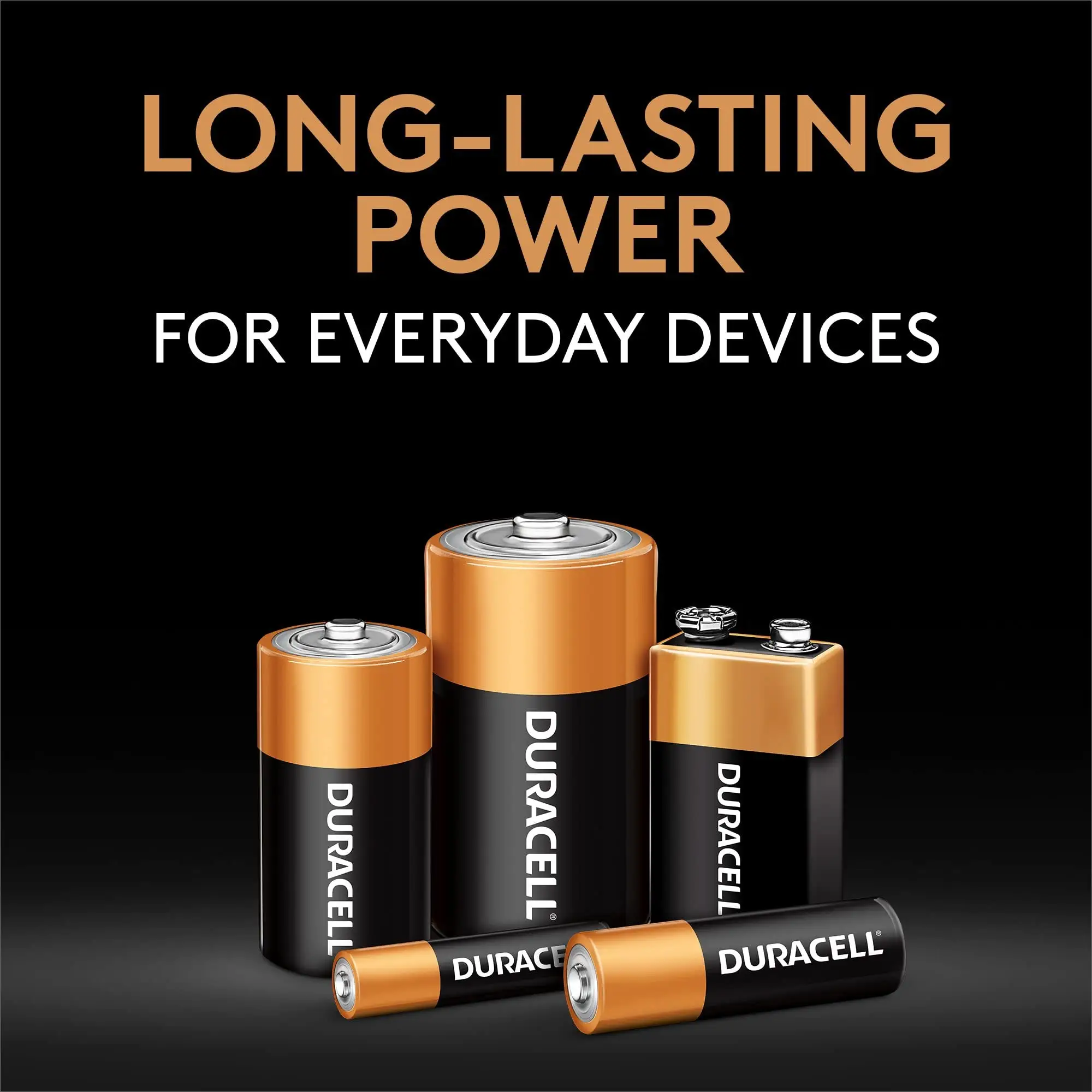
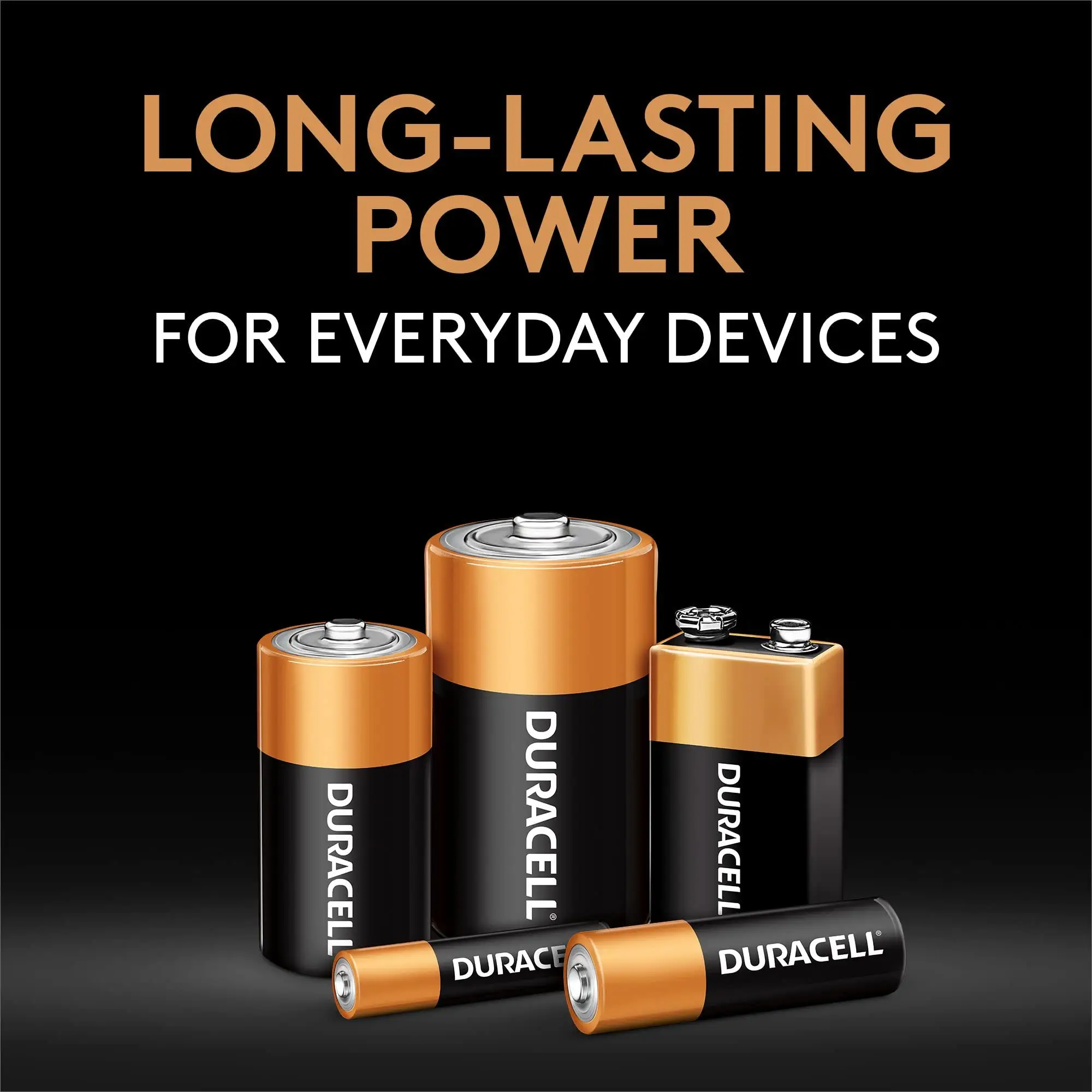
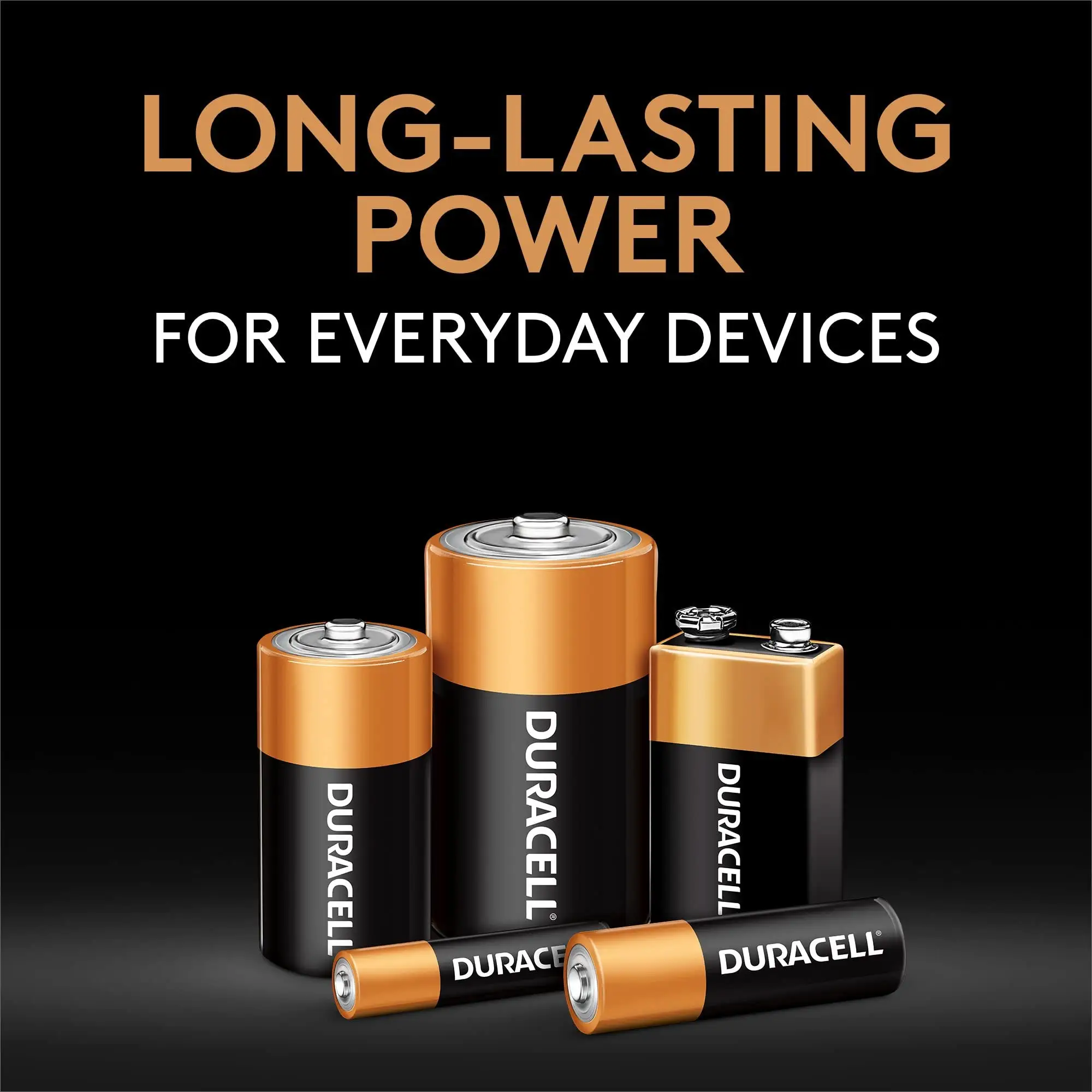
Duracell’s positioning is clear: long-lasting, dependable, and safe in storage for five years. On the Amazon specs page, the manufacturer language leans on a “5-year guarantee in storage” and calls these batteries “great for important devices… like smoke and carbon-monoxide detectors.” That’s the promise: buy them, store them, forget them—until you need them.
Digging deeper into user-reported experiences, a recurring pattern emerged: for safety devices, many stories align with the marketing. A blog reviewer on Sharvibe, Ronald Carroll, framed it in everyday terms after putting one in a smoke detector: “it’s been going strong for months… No annoying low-battery chirps at 3 am.” In the same vein, another Sharvibe post by Rachel Cooper described home use as “rock-solid in our smoke detectors (no annoying midnight chirps!),” which directly mirrors Duracell’s “important devices” messaging.
Where the “reality check” shows up is less about whether Duracell can power a smoke alarm—and more about the messy edges of purchase and delivery. Carroll flags a shipping failure story as a warning sign: “one reviewer mentioned their package arrived ripped open with missing batteries. yikes.” ShopSavvy’s community-style roundup also nods to “packaging issues” and mentions that some users report batteries “not lasting as long as expected in certain cases.” While Duracell emphasizes long life and dependability, some buyers are still auditing freshness and fulfillment instead of simply trusting the pack.
Claims vs Reality
Claim 1: “Guaranteed for 5 years in storage”
The official Amazon specs repeatedly stress the shelf-life angle: “guaranteed for 5 years in storage.” The user-feedback thread supports this in spirit, but with a caveat: consumers don’t always treat “guarantee” as “set-and-forget.”
A recurring pattern emerged in community guidance: verify dates and packaging. ShopSavvy’s answer explicitly advises: “just make sure to check expiration dates to ensure you’re getting a fresh batch.” That’s not a contradiction of the 5-year claim—but it shows the consumer mindset: people trust the chemistry, yet still worry about what they actually received.
Claim 2: “Long-lasting power” for everyday devices
Duracell’s listing describes “long-lasting performance” and general-purpose use across household devices. Some users back this up with “months” of steady performance in a smoke detector. Ronald Carroll said: “it’s been going strong for months,” underscoring that in low-drain safety devices, the “long-lasting” claim holds up in lived experience.
But the same ecosystem of feedback admits exceptions. ShopSavvy acknowledges “a few minor complaints… noticing shorter life spans in specific uses.” While Duracell’s marketing implies consistent endurance, the reports suggest performance may feel more variable depending on device demands and user expectations.
Claim 3: “Dependable” brand trust
Duracell’s copy leans heavily into trust and dependability (“#1 trusted battery brand…”). That’s echoed strongly in some narrative reviews. On Sharvibe, Rachel Cooper wrote: “duracell copper tops consistently outlast the competition” and goes further: “for mission-critical devices where you can’t afford failures, these are worth every penny.”
Still, the existence of a low Amazon star average on one listing (3.2/5) hints at uneven satisfaction—less about the concept of Duracell, more about the buyer’s experience of what arrived and how it performed in their specific scenario.
Cross-Platform Consensus
Universally Praised
The most consistent praise centers on “peace-of-mind” reliability in devices people don’t want to babysit—especially smoke detectors. This matters most for homeowners, landlords, and anyone managing multiple alarms across rooms or properties. Ronald Carroll’s quote captures the emotional payoff: “No annoying low-battery chirps at 3 am — bless.” The benefit here isn’t just longevity; it’s fewer false alarms, fewer midnight disruptions, and fewer emergency trips to grab a replacement battery.
Musicians show up as another persona that benefits from consistency. Rachel Cooper frames it through the lens of gig-bag readiness and pedal reliability: “as a musician who’s constantly burning through 9vs in effects pedals and tuners… duracell copper tops consistently outlast the competition.” For gigging players, that translates into fewer on-stage dropouts and less uncertainty about whether the battery will survive rehearsals, soundcheck, and a full set.
Another widely praised point is the confidence that batteries won’t be dead after sitting around. For emergency planners and “buy it now, need it later” households, that’s the entire reason to buy name-brand 9-volts. Cooper describes a real-life version of the shelf-life promise: “i’ve had some sit in storage for months and still perform like new when needed.” ShopSavvy’s summary echoes that these batteries “can stay effective for up to 5 years in storage” and are “great for emergency gear,” reinforcing the idea that storage-readiness is part of the product’s appeal.
After those stories, the feedback tends to crystallize into a few shared wins:
- Reliable performance in smoke detectors (“no… chirps”)
- Consistent power for pedals/tuners (“outlast the competition”)
- Storage confidence (“still perform like new”)
Common Complaints
The most concrete complaint theme isn’t about voltage or fit—it’s fulfillment and packaging. That’s a big deal for buyers stocking safety devices because an incomplete order isn’t just inconvenient; it creates a gap in preparedness. Ronald Carroll relays the kind of story that undermines trust: “package arrived ripped open with missing batteries.” Even when the batteries themselves are fine, this type of experience shifts the conversation from “dependability” to “did I receive what I paid for?”
Another complaint thread involves doubts about freshness or shelf-life integrity—less “the chemistry is bad” and more “I’m not sure what batch I got.” ShopSavvy mentions some people “getting batteries with outdated packaging,” and recommends: “check expiration dates.” For shoppers, especially those buying multipacks for storage, this creates a small but persistent anxiety: the product may be designed for long storage, yet the buyer still feels responsible for verifying it.
Finally, there’s the occasional performance disappointment in specific scenarios. ShopSavvy notes “batteries not lasting as long as expected in certain cases.” The feedback doesn’t consistently name which devices trigger this, but the implication is clear: users in higher-drain or more demanding use cases may be more likely to feel let down than those using smoke alarms or clocks.
After those narratives, the recurring pain points look like:
- Shipping/packaging integrity (“ripped open,” missing items)
- Freshness verification (“check expiration dates”)
- Some device-specific longevity complaints (“shorter life spans”)
Divisive Features
Price is where opinions split. Some buyers see Duracell as worth paying for because reliability is the product. Rachel Cooper says bluntly: “while not the cheapest option, the extended lifespan makes them more economical in the long run.” For safety devices and professional use (musicians, emergency preparedness), “economical” is framed as fewer failures and fewer last-minute replacements, not lowest cost per battery.
Others judge value relative to local retail. Ronald Carroll’s value calculation is about avoiding big-box markup: “way cheaper than grabbing them at walmart.” That’s less a universal truth than a situational one—pricing fluctuates by retailer, region, and timing. But it shows how “value” is perceived: not merely as endurance, but as whether an online multipack beats the impulse buy price when you need one today.
Trust & Reliability
Digging deeper into trust signals, the strongest “scam concern” theme in the provided data is not counterfeit claims, but shipping and completeness: a pack that arrives “ripped open” with “missing batteries” reads like a fulfillment failure that can feel sketchy to the end buyer. Ronald Carroll’s warning—“package arrived ripped open with missing batteries. yikes”—highlights how quickly brand trust can be undermined by logistics rather than product chemistry.
Longer-term reliability stories skew positive, especially for safety devices and standby use. Rachel Cooper points to batteries surviving storage time: “sit in storage for months and still perform like new when needed.” While the dataset doesn’t include traditional “6 months later” Reddit threads with usernames, it does include sustained-use narratives from individual writers who describe repeat purchasing across “dozens of packs,” suggesting perceived consistency over time.
Alternatives
Only a few competitors are explicitly mentioned in the provided sources. The Amazon search results list Energizer 9V options, and also surface lower-cost brands like Voniko and Amazon Basics as adjacent choices. In the user narratives here, Duracell’s edge isn’t framed as “best specs,” but as confidence.
For buyers who prioritize mission-critical reliability (smoke detectors, emergency devices), Rachel Cooper’s framing implies a willingness to pay for the brand because “for mission-critical devices… these are worth every penny.” For shoppers who mainly want a functional 9V at lower cost, the marketplace clearly offers cheaper alternatives, but the provided feedback doesn’t include direct user stories praising those competitors—only their presence in listings.
Price & Value
Current pricing signals in the dataset vary widely by pack size and seller context. The “Top Products” listing shows $22.46 for a 6-count pack, while Amazon search snippets show other price points (for example, a 6-count shown at $25.51 in one listing context, and a separate Amazon search result showing $15.74 for a 6-count listing). The key takeaway is volatility: buyers may have very different “value” experiences depending on when and where they purchased.
Resale/market pricing on eBay suggests 9V Duracell multipacks move in bulk lots, often highlighted by expiration years (“exp 2027,” “exp 2029”), implying that freshness dating is part of perceived value even in secondary markets. One eBay listing explicitly markets a 6-count pack with a date callout: “date: mar 2027,” reinforcing that buyers equate value with remaining shelf life.
Community buying tips in the dataset revolve around practical safeguards and stocking strategy. ShopSavvy advises: “check expiration dates.” Rachel Cooper recommends a stock-up approach—“the 12-pack is perfect… Pro tip: buy two boxes”—which is less about hoarding and more about avoiding “worst moment” failures for musicians and households.

FAQ
Q: What devices can Duracell Coppertop 9V batteries be used in?
A: They’re commonly used in smoke alarms and other household devices needing 9V power. ShopSavvy Answers says they work for “smoke alarms, clocks, and radios” and are favored for “important devices like smoke detectors” where steady power matters.
Q: Do these really last in storage for years?
A: The Amazon listing claims a “5-year guarantee in storage” for 9V. ShopSavvy reinforces the idea that they “can stay effective for up to 5 years in storage,” and recommends: “check expiration dates” to ensure you’re getting a fresh batch.
Q: Are they reliable for smoke detectors?
A: Feedback trends positive for smoke detectors. Sharvibe writer Ronald Carroll said: “i popped one into my smoke detector… it’s been going strong for months” and praised “No… chirps at 3 am,” suggesting strong real-world reliability in that use.
Q: What are the most common problems buyers mention?
A: The biggest complaint in the provided data is packaging/shipping integrity. Ronald Carroll references a report where a “package arrived ripped open with missing batteries.” ShopSavvy also mentions occasional “packaging issues” and rare reports of shorter-than-expected life.
Q: Are they worth the price compared to cheaper brands?
A: It depends on your use case. Rachel Cooper argues that “the extended lifespan makes them more economical in the long run,” especially for “mission-critical devices.” Ronald Carroll focuses on deal-shopping, saying they were “way cheaper than grabbing them at walmart” in his purchase.
Final Verdict
Buy if you’re a homeowner, landlord, or gigging musician who wants dependable 9V power in smoke detectors, pedals, and emergency devices—backed by stories like “No… chirps at 3 am” and batteries that “still perform like new when needed.” Avoid if you can’t tolerate fulfillment risk; the most alarming complaint is orders arriving “ripped open with missing batteries.” Pro tip from the community: “check expiration dates” as soon as they arrive.