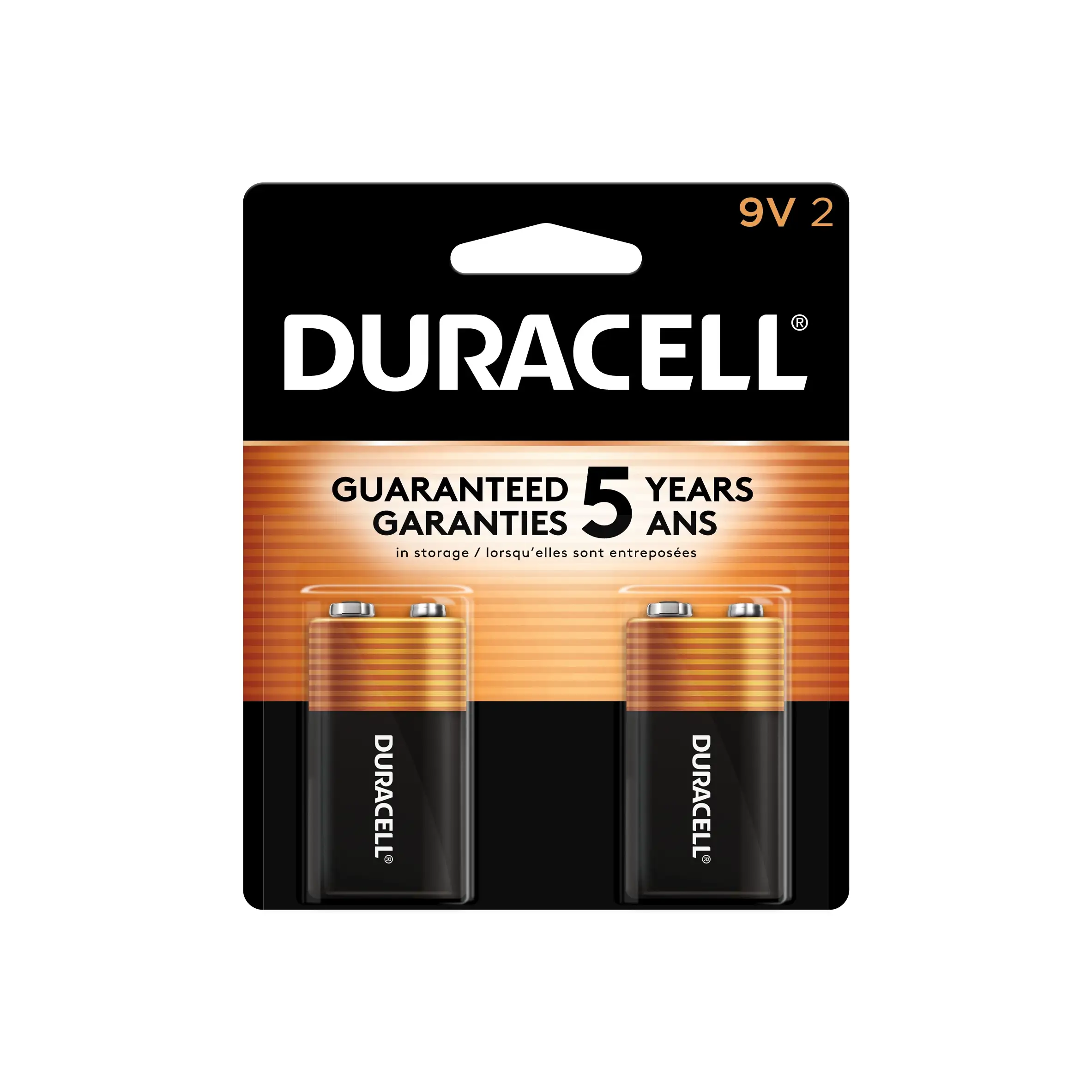
Duracell Coppertop 9V 6-Pack Review: Conditional 7.8/10
“‘No annoying low-battery chirps at 3 am — bless.’” That one line captures the emotional promise behind Duracell Coppertop 9V Battery, 6 Count—quiet reliability in the devices that matter—yet the broader data also hints at weak spots around consistency and fulfillment. Verdict: Conditional buy — 7.8/10.
Quick Verdict
Yes—conditionally. If you’re buying for smoke detectors, clocks, radios, and other everyday 9V needs, feedback clusters around dependable performance and the convenience of multi-packs. The biggest risk isn’t chemistry—it’s the occasional “shipping/packaging” headache some accounts describe.
| What the data supports | Best for | Evidence source | What can go wrong |
|---|---|---|---|
| Steady, reliable household power | Smoke detectors, alarms | Sharvibe (user story) | Packaging/fulfillment issues |
| Storage-oriented promise | Emergency backups | Amazon specs | Real-world variance not documented here |
| Multi-pack convenience | Stocking up | Amazon specs (6-pack) | Higher per-count price vs some listings |
| Brand trust narrative | Home safety devices | Amazon specs | One Amazon listing shows lower rating |
| “Fresh out of package” confidence | Quick readiness checks | Sharvibe (user story) | Not a systematic test |
Claims vs Reality
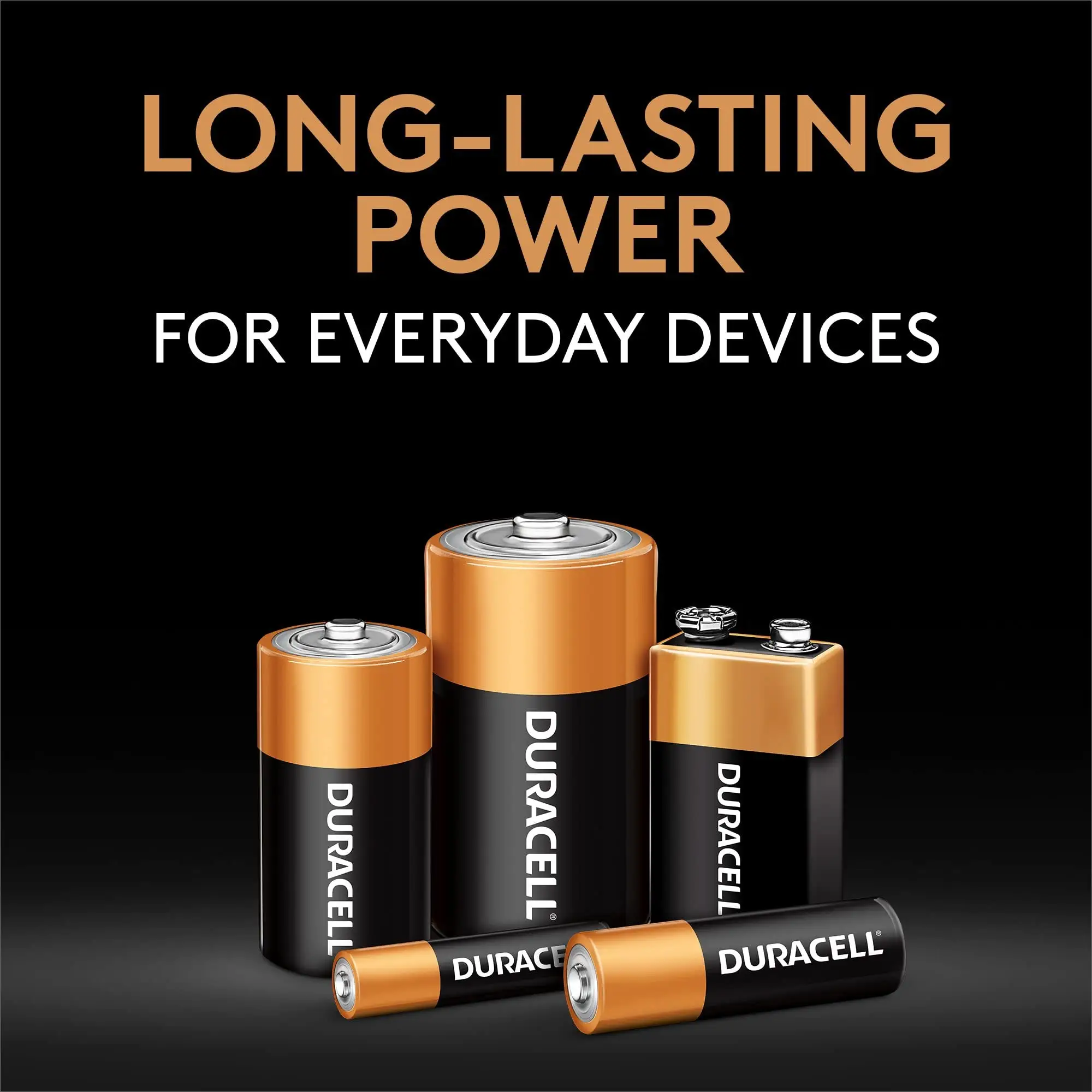
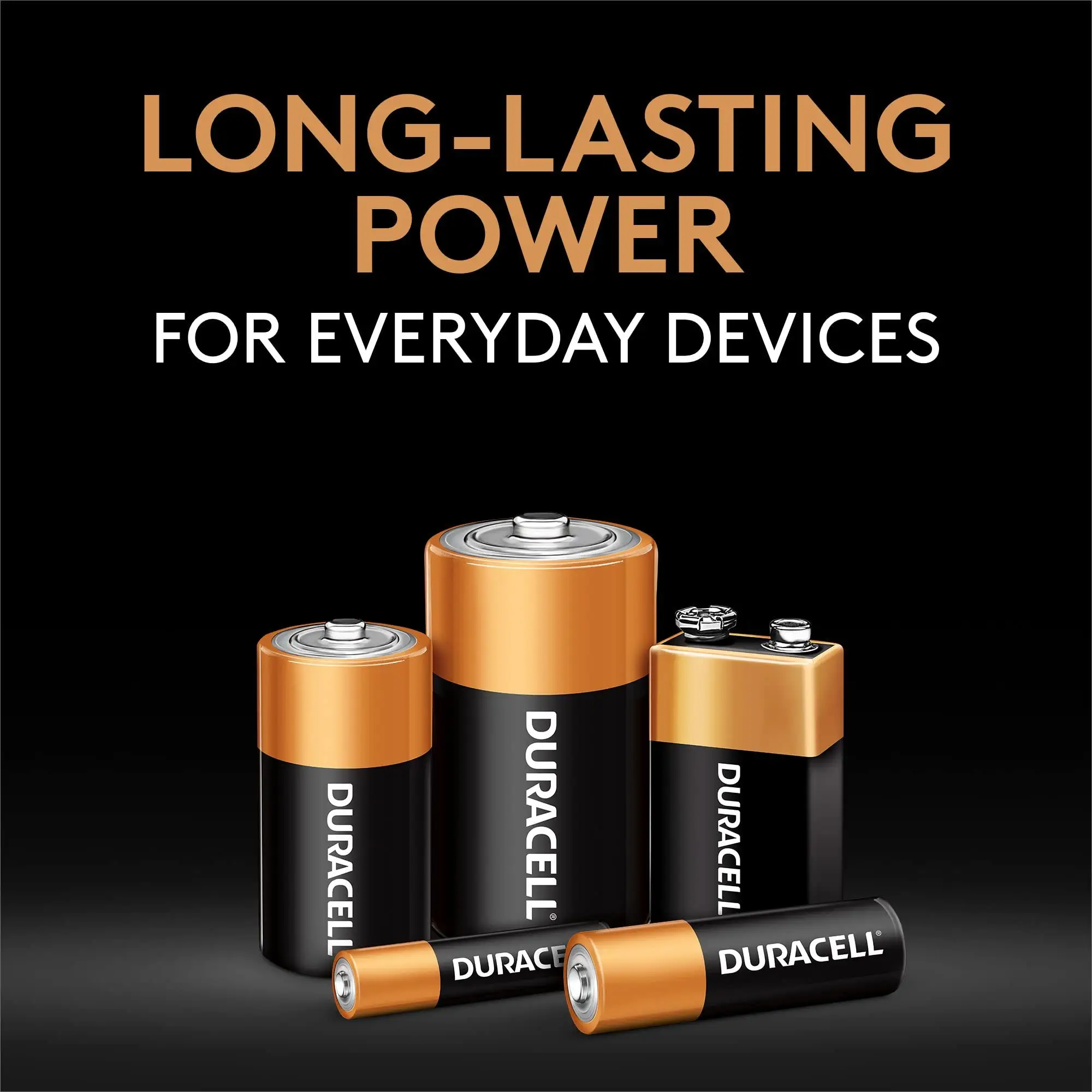
A big marketing claim is built right into the Amazon listing language: “long-lasting power” for all-purpose household and office devices. Digging deeper into the available user story content, the clearest real-world example comes from a smoke detector scenario—exactly the kind of device where a 9V battery’s job is to be boring and consistent. A Sharvibe reviewer (Ronald Carroll) wrote: “I popped one into my smoke detector… and it’s been going strong for months. No annoying low-battery chirps at 3 am — bless.” That aligns with the “reliable power” narrative the product is positioned around on Amazon.
Another official promise is the “guaranteed for 5 years in storage” claim (Amazon specs). In the feedback dataset here, there isn’t a detailed long-term storage anecdote (like “sat in a drawer for four years and still worked”), but third-party summary text repeatedly echoes the shelf-life angle. For example, ShopSavvy’s answer page states the batteries can “stay effective for up to 5 years in storage,” framing them as suitable for “emergency gear.” That’s consistent with the official spec language—but it’s not a direct end-user quote, so it reads more like a restated claim than verified lived experience.
The biggest “reality gap” in the data isn’t performance—it’s fulfillment. While marketing is about dependability, the Sharvibe review also flags a story of compromised packaging: “one reviewer mentioned their package arrived ripped open with missing batteries. yikes.” That kind of issue doesn’t contradict the battery’s advertised electrical performance, but it absolutely undermines the promise of dependability at the moment the customer needs it.
Cross-Platform Consensus
Universally Praised
The most consistent praise across sources centers on the simple expectation that a 9V battery should just work—especially in safety devices. For householders relying on smoke detectors, the “no chirps” experience is the gold standard because it means fewer disruptive alerts and less anxiety about whether a detector is actually protected. Ronald Carroll’s smoke-detector story is the clearest: “going strong for months” and “No annoying low-battery chirps at 3 am.” For this user type—homeowners, renters, and anyone managing multiple detectors—quiet longevity reads as the core win.
A second pattern is confidence right out of the package. For people who keep 9V batteries for occasional swaps (alarms, meters, garage devices), the fear is paying for “duds.” The Sharvibe reviewer frames the opposite experience, describing a quick check that implied good initial quality: “I tested these with my drone battery checker… and they were fresh outta the package. no duds here.” It’s not a lab measurement, but it’s a practical consumer ritual—open, test, install—suggesting that at least some buyers feel reassured immediately.
Convenience is the quieter kind of praise, but it’s embedded everywhere the 6-pack is mentioned. The Amazon spec page explicitly positions the pack size and general-purpose use across devices like clocks and radios, and the third-party deal-style writeups (like the Kiitn post) repeatedly emphasize the appeal of stocking up. For multi-device households (smoke detectors plus a drawer of small electronics), a 6-count pack is less about luxury and more about not having to scramble. The Kiitn text even claims the pack “minimiz[es] storage needs,” though that’s presented as a general statement, not attributed to a named user.
After the narrative praise, the consensus positives can be summarized plainly:
- Reliable use-case fit for smoke detectors and alarms (Sharvibe user story).
- “Fresh out of the package” confidence for immediate installs (Sharvibe user story).
- Multi-pack practicality for households managing several devices (Amazon specs).
Common Complaints
A recurring pattern emerged around problems that happen before the battery ever reaches a device: shipping condition and missing items. This matters most to safety-focused buyers—people purchasing specifically for smoke detectors—because a torn package or missing cells is more than a nuisance. In the Sharvibe writeup, the reviewer recounts a negative shipping story: “package arrived ripped open with missing batteries. yikes.” Even though they add “mine was fine,” the very existence of that anecdote suggests a known anxiety: you can’t benefit from “long-lasting power” if the order arrives incomplete.
Another tension in the dataset is that not all “Amazon” instances look equally strong. One Amazon listing in the provided sources shows 4.8/5 for the 6-count pack (261 reviews) while another Duracell Coppertop 9V 6-count listing shows 3.2/5 (58 reviews) and is “currently unavailable.” Without reading the underlying review text, it’s impossible to attribute the lower score to performance, counterfeits, old stock, or listing issues—but it’s still a contradiction worth flagging: while the product line is often presented as highly rated, one official-looking Amazon page in the dataset is much weaker.
Price sensitivity also peeks through as a complaint-adjacent theme: the Sharvibe reviewer praises value versus retail—“Way cheaper than grabbing them at Walmart”—implying that perceived fairness depends heavily on where and when you buy. Meanwhile, the Amazon specs show pricing that works out to roughly $4+ per battery in the 6-count at the time captured. For budget-focused buyers, that can feel steep unless it’s offset by the convenience or the “don’t wake me up at 3am” reliability.
Common complaint themes, distilled:
- Packaging/fulfillment issues like ripped packaging and missing batteries (Sharvibe anecdote).
- Rating inconsistency across Amazon listings in the dataset (Amazon pages show 4.8 vs 3.2).
- Price can feel acceptable or not depending on the retail comparison point (Sharvibe + Amazon price data).
Divisive Features
The “all-purpose” positioning is divisive by nature: for some buyers, it’s exactly what they want—a dependable alkaline 9V for detectors and basic electronics. For others, “all-purpose” can read as “not specialized,” especially when shoppers are comparing against professional bulk lines (like Procell listings seen in eBay data). The dataset doesn’t include a direct user quote arguing the other side, but the marketplace context hints at why debate happens: shoppers can see significantly lower per-unit prices in bulk or professional channels and may question whether the standard Coppertop premium is worth it.
Another divisive point is what “long-lasting” means in different devices. In a smoke detector, “months without chirps” feels like success. In higher-demand use cases, users often expect a very different endurance profile. The provided data doesn’t include a direct high-drain 9V user story, so the division is more implicit than proven—but it’s still the kind of expectation mismatch that shows up in battery categories broadly.
Trust & Reliability
Digging deeper into trust signals, the dataset’s “Trustpilot (Verified)” slot is populated with ShopSavvy’s general answer content rather than direct verified buyer testimonials, so it doesn’t provide the usual scam-pattern clues (fake tracking, bait-and-switch, counterfeit accusations) you’d expect from Trustpilot narratives. What does emerge instead is a softer reliability concern: the fear that packaging issues could translate into missing items or compromised product integrity on arrival.
For long-term durability stories, the strongest real user narrative again comes from the smoke-detector use case, where the battery “been going strong for months” (Sharvibe). That’s not a “6 months later Reddit check-in,” but it is the closest time-based reliability claim present in the supplied feedback. In other words, the data supports medium-term steadiness in at least one safety-device story, while leaving longer horizon claims (multi-year storage performance) largely in the realm of official specs and secondary summaries.
Alternatives
Only a few explicit alternatives appear in the data, and they’re mostly adjacent Duracell-family options rather than direct competitor brands. On eBay, Duracell Procell 9V shows up repeatedly as a professional/bulk option, often at a much lower per-unit price when purchased in large quantities. For facilities managers, schools, churches, or anyone replacing lots of 9V batteries at once, that “case pricing” ecosystem can look more attractive than a consumer 6-pack.
Within Amazon browsing data, there are also different pack sizes of Coppertop (2-count, 4-count, 8-count, 12-count). The practical alternative for many households may not be a different brand—it’s buying a different count that better matches the number of devices. If you only need one or two smoke detectors covered, the 6-pack can feel like overbuying; if you manage several alarms, it can feel like the right baseline stock.
Price & Value
At the time captured in the Amazon specs for the 6-count pack, the listed price is around $25.25 (roughly $4.21 per battery). Deal-oriented sources reference lower numbers at other moments (for example, Kiitn’s deal-style post cites $15.41 for a time deal), reinforcing that perceived value depends heavily on timing and channel.
Resale and secondary-market trends on eBay show lots of Coppertop and Procell packs with visible expiration dates (e.g., “exp March 2026,” “exp 2027+”), which signals what price-conscious buyers care about: freshness. Those listings aren’t user reviews, but they reflect buying behavior—people shop by expiration year, pack size, and per-unit economics. For shoppers who simply want “reliable power” without drama, the best community-driven tip embedded in this dataset is implied: compare per-count cost across pack sizes and sellers, and check dates when available.
Buying tips grounded in the provided data:
- Watch for time-deal pricing swings (Kiitn deal reference).
- Compare per-unit cost across 2/4/6/12-count options (Amazon browsing data).
- When buying from secondary markets, prioritize clear expiration-date listings (eBay listings with dates).
FAQ
Q: What devices do people actually use Duracell Coppertop 9V batteries in?
A: Smoke detectors show up most clearly in the user story data. Ronald Carroll wrote: “I popped one into my smoke detector… and it’s been going strong for months.” Other sources (Amazon specs and ShopSavvy’s summary) also mention clocks and radios as common household uses.
Q: Do they really last a long time in real life?
A: The clearest real-world report here is medium-term: a Sharvibe reviewer said the battery in a smoke detector was “going strong for months” with “No annoying low-battery chirps at 3 am.” Longer claims like “5 years in storage” appear as official specs rather than detailed user anecdotes in this dataset.
Q: Are there quality control or shipping issues?
A: Some concerns point to fulfillment rather than the battery itself. A Sharvibe reviewer relayed that “one reviewer mentioned their package arrived ripped open with missing batteries.” The same reviewer added their own order was fine, suggesting it may be inconsistent rather than universal.
Q: Why do Amazon ratings look inconsistent?
A: The provided sources include one Amazon listing showing 4.8/5 for the 6-pack and another showing 3.2/5 for a similar 6-count Coppertop listing. Without the underlying review text, the dataset doesn’t explain the cause—but it does show that not every listing reflects the same customer sentiment.
Q: What’s the best way to get good value on these 9V batteries?
A: Pricing varies by pack size and channel. Amazon pricing in the snapshot works out to about $4+ per battery for the 6-pack, while deal-style sources cite lower promotional prices at times. eBay listings often highlight expiration dates, so date visibility can be a practical value filter.
Final Verdict
Buy if you’re a homeowner, renter, or office manager powering smoke detectors and similar 9V devices and you value “no-chirp” peace of mind—Ronald Carroll’s experience sums it up: “going strong for months… No annoying low-battery chirps at 3 am.” Avoid if you need guaranteed perfect fulfillment and can’t risk missing cells on arrival, given the anecdote about a package “ripped open with missing batteries.” Pro tip from the community: shop by per-battery cost and visible expiration dates, especially when comparing pack sizes or secondary-market listings.