Duracell 376/377 Battery Review: Reliable Choice (8.7/10)
“Finally found these”—that’s the kind of relief that keeps showing up around Duracell 376/377 Silver Oxide Button Battery, especially from people who simply needed a hard-to-find watch cell fast. The overall sentiment skews strongly positive across major retailers, but the most telling details live in the small annoyances: oversized shipping boxes, occasional wrong-size confusion, and the rare “dead on arrival” complaint echoed by a buying-guide roundup. Verdict: 8.7/10.
Quick Verdict
Yes (conditional) — a reliable, widely compatible 377/376 silver oxide button cell that buyers repeatedly describe as dependable and easy to source online, with a few packaging/fulfillment frustrations.
| What buyers focus on | What they said (with source) | Who it matters to |
|---|---|---|
| Reliable performance | “It fits my watch perfectly & works well so far.” (Walmart reviews) | Watch owners needing a quick fix |
| Availability online | “These tiny button type batteries are hard to find so i ordered them online…” (Walmart reviews) | People in areas with limited local stock |
| Value vs drugstores | “Battery way over priced… bought from amazon and saved $3.00.” (CVS reviews) | Price-sensitive buyers |
| Shipping/packaging | “The box it came in was truly excessively large.” (Staples reviews) | Eco-conscious shoppers |
| Fulfillment issues (rare) | “System shows item delivered but never received.” (Walmart reviews) | Anyone relying on delivery timing |
| Occasional DOA mention | “One battery was dead on arrival.” (CellularNews roundup) | People buying single packs |
Claims vs Reality
Duracell and major listings position this battery as long-lasting, broadly compatible, and dependable in storage. Digging deeper into user reports, most feedback supports that story—but it’s also clear where the real-world experience diverges: not usually the chemistry, but the buying experience around it.
One core claim is “long-lasting power” for watches and small electronics (Amazon specs and product copy). User feedback that directly tests longevity is limited, but the stories that do exist are reassuring rather than dramatic. A verified buyer on Walmart noted: “Its been a month and the duracell 377/376 batteries are still working.” That’s not a lab benchmark, but for a watch owner who just needed their timepiece running again, “still working” after weeks is the outcome they care about.
Another claim is broad device fit, with equivalencies like SR626SW/SR66 (Amazon specs). On the ground, fit is a frequent pass/fail moment—and buyers repeatedly frame it as straightforward. A verified buyer on Walmart wrote: “It fits my watch perfectly & works well so far,” which aligns with the compatibility messaging. But the same ecosystem also shows how easily shoppers can land on the wrong size when browsing: another Walmart reviewer posted: “Unused, wrong size. Crossed by Walmart website!” That mismatch reads less like a product defect and more like shopping friction—still important if you’re buying under time pressure.
Finally, storage guarantees appear in product materials (Amazon listing references “4 years in storage,” while Duracell’s Australian product page says “up to 3 years”). That’s a subtle contradiction worth flagging: while officially framed as multi-year storage-ready, the user data here doesn’t strongly validate or refute shelf-life claims—except for the occasional outlier. A CellularNews roundup lists a con for the Duracell pack: “one battery was dead on arrival,” which, if accurate, is the opposite of “ready when you need them.”
Cross-Platform Consensus
A recurring pattern emerged: buyers talk about these button cells less like a “product” and more like a small emergency fix—one that’s frustrating to hunt down locally and satisfying to solve quickly online. The most upbeat comments aren’t poetic; they’re practical. A verified buyer on Walmart said: “Finally found these,” then explained the context: “These tiny button type batteries are hard to find so i ordered them online at a very good price plus fast shipping. would definitely buy again.” For watch wearers, that’s the whole journey: find the right 377/376, get it quickly, replace it, move on.
Across Staples, the same efficiency story shows up with a retail-fulfillment twist. Staples reviewers repeatedly emphasize smooth pickup and delivery. A Staples customer wrote: “Small item timely delivery,” while another framed the whole experience as low-friction: “No muss no fuss no bother.” For office managers or anyone bundling small essentials into one order, the battery becomes part of a dependable supply chain rather than a specialty item.
The value narrative is equally grounded. Instead of broad claims about “cost-effectiveness,” shoppers compare it to what they see at drugstores. On CVS, one reviewer complained directly about pricing: “First battery way over priced retuned it and bought from amazon and saved $3.00.” That’s not a subtle preference; it’s a buying behavior shift. For people who replace watch batteries occasionally, the battery itself may be standard—but the place you buy it matters.
Even when praise is about “quality,” it often refers to confidence in freshness and proper packaging rather than measurable runtime. A Staples reviewer posted: “It arrived in good packaging and it seems to be fresh and in good working condition.” For a silver oxide watch battery, “fresh” is a meaningful proxy: buyers want to avoid old stock and weak initial voltage.
After those narratives, the most repeated positives can be summarized clearly:
- Easy sourcing online when local shelves fail (Walmart)
- Immediate “works as expected” watch fit stories (Walmart, Staples)
- Convenient delivery or store pickup experiences (Staples)
- Strong overall ratings on major listings (Amazon 4.7/5 across thousands of reviews; Walmart 4.7/5)
Common Complaints
Digging deeper into negative feedback, the most frequent frustrations aren’t about the battery failing in the device—they’re about the purchasing experience: fulfillment, packaging waste, or listing confusion. That matters because these batteries are often bought to solve a small urgent problem: a stopped watch, a medical device accessory, a calculator that needs to work now. When shopping friction happens, it feels disproportionate to the product’s size.
On Walmart reviews, at least one complaint is purely logistical: “System shows item delivered but never received. please investigate.” That’s not chemistry; that’s fulfillment reliability—and it’s especially painful if you’re buying for a device you depend on. Meanwhile, the “wrong size” complaint shows how easily a customer can end up blaming the product for a listing mix-up: “Unused, wrong size. Crossed by Walmart website!” For less technical buyers, SR626SW/377/376 equivalencies can already be confusing; a messy product page makes it worse.
Packaging waste is a consistent annoyance on Staples. One customer questioned the practicality of a 2-pack: “Probably not staples fault but why would you package clock batteries that last up to a year in the clock in packages of 2?” Another focused on shipping materials: “The product came… at a very good price. but the box it came in was truly excessively large. a regrettable waste of packing material.” If you’re an eco-minded buyer, this can be the defining downside even when the battery itself performs perfectly.
Finally, there’s the rare reliability red flag: DOA. While not supported by a stack of direct user quotes in this dataset, it appears in the CellularNews roundup as a stated con: “One battery was dead on arrival.” For people buying a single-count pack (Amazon offers a 1-count listing), a single dead cell is a 100% failure experience.
- Fulfillment issues (“delivered but never received”) can derail urgent replacements (Walmart)
- Listing confusion can cause wrong-size purchases (Walmart)
- Excessive packaging and “why a 2-pack?” complaints show up in retail experiences (Staples)
- Occasional DOA mention appears in roundup coverage (CellularNews)
Divisive Features
The two-pack format is surprisingly polarizing. Some shoppers see it as obvious value—one battery now, one spare later—especially when prices beat other sellers. A Staples reviewer even appreciated the economics: “The price was cheaper than most other sellers were asking for just a one pack!” For someone maintaining multiple watches or keeping spares for a medical device accessory, that extra cell is reassurance.
Others see the second battery as clutter or a future scavenger hunt. A Staples reviewer criticized the premise bluntly: “So i can try to store the second one for a year and find it when i need it? bad idea.” The same packaging that signals “value” to one buyer signals “waste and hassle” to another—particularly if they’re replacing one watch battery and don’t want to track tiny spares.
Trust & Reliability
A recurring trust theme is less about counterfeits and more about “did I get what I ordered, and will it arrive?” The harshest distrust note in this dataset is logistical rather than fraudulent: “System shows item delivered but never received” (Walmart). That kind of complaint raises reliability concerns about the shopping channel, not Duracell’s manufacturing.
Long-term durability “six months later” style posts aren’t present in the provided Reddit/community data; what’s labeled as Reddit/Quora content reads like product-description copy rather than firsthand experiences. The closest real-world durability signal is short-term confirmation, like Walmart’s: “Its been a month and the duracell 377/376 batteries are still working.” That’s modest, but it’s the only time-based performance claim that appears as a user report in the dataset.
Alternatives
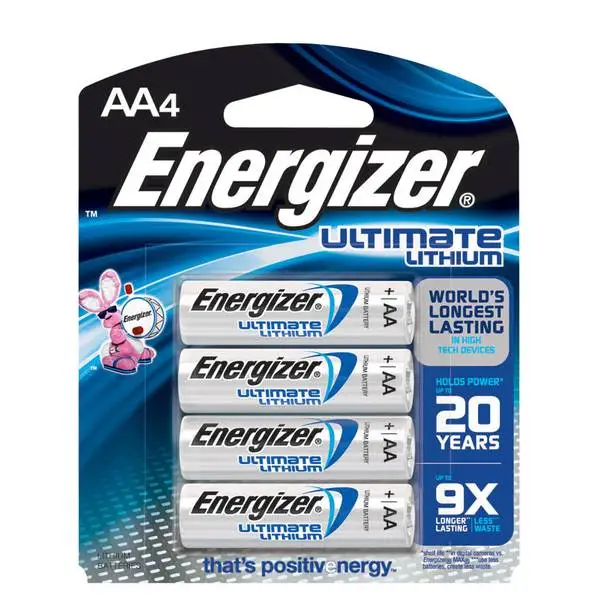
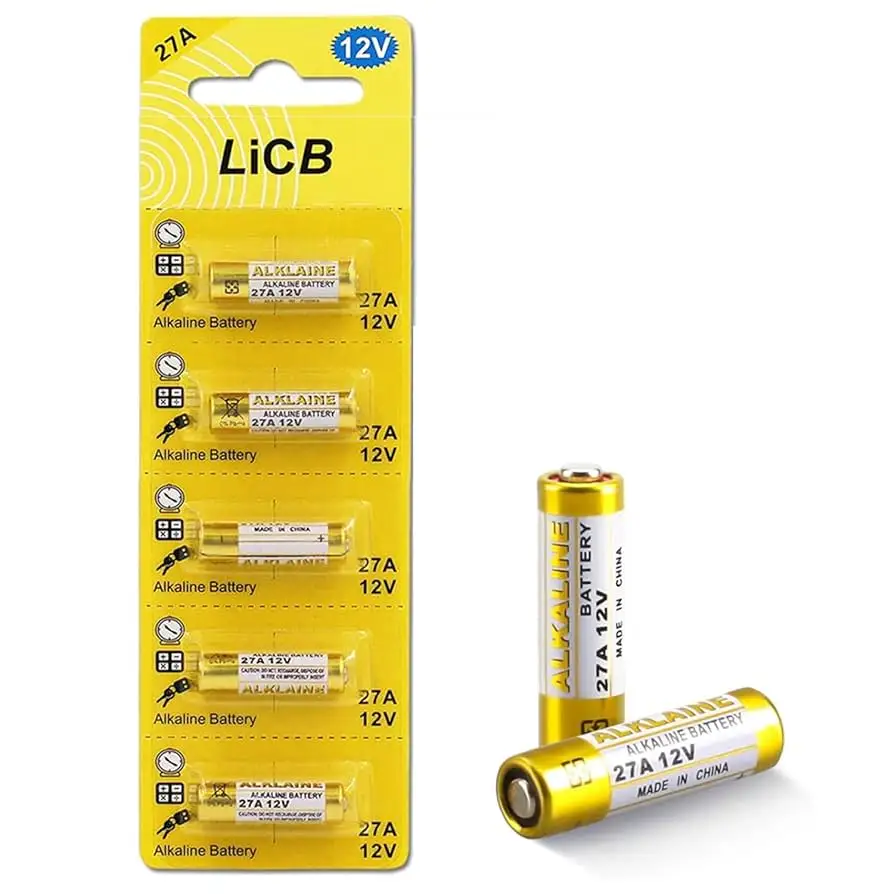
Only a few competitors are explicitly mentioned in the provided data, and they show up inside the CellularNews roundup: Energizer 377/376, LICB multi-packs, Renata 377, and Maxell SR626SW/377. The alternative story here isn’t “which lasts longer” (user runtime comparisons are thin); it’s about buying style.
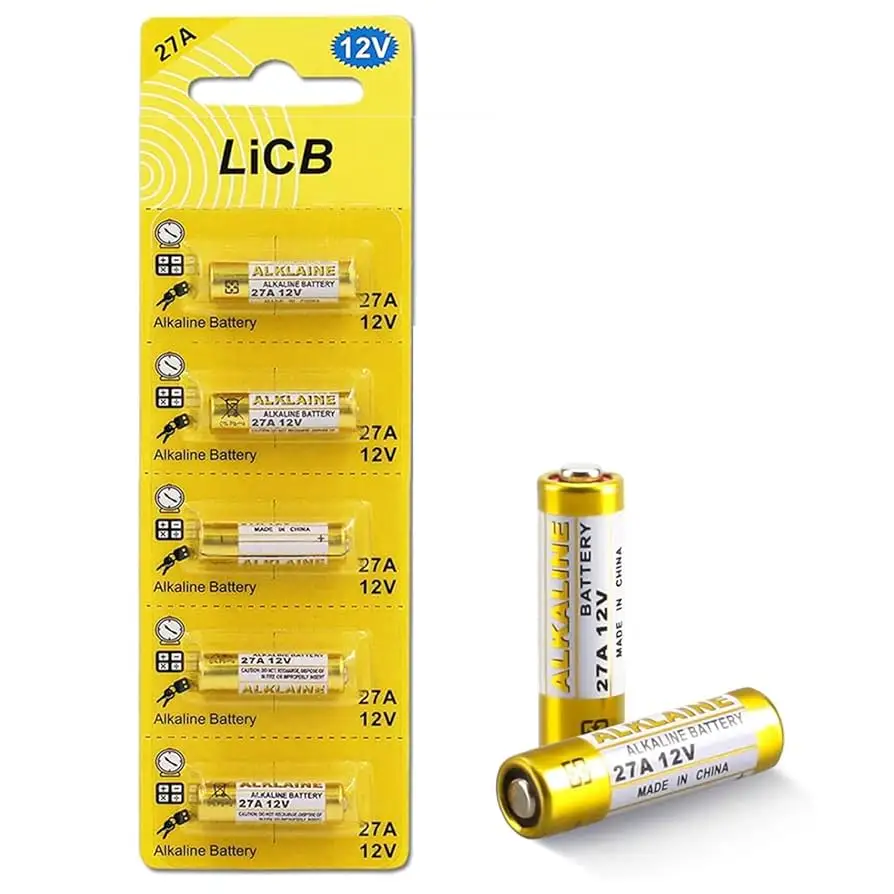
Energizer is framed in the roundup as a convenient multi-pack option, described as “long-lasting” with “good value for money,” but also with complaints about receiving “different sizes than what they ordered.” LICB is positioned as bulk-friendly with “40 pcs… in exact blister pack,” appealing to watch hobbyists or small businesses, while the roundup also warns some users feel these “may not last as long as original watch batteries.” Renata and Maxell are presented as quality watch-battery brands, but again the feedback is mixed in summary form rather than direct user quotes—especially around “old stock” and occasional short lifespan.
For shoppers who prioritize mainstream brand familiarity and widely available listings, Duracell’s advantage is consistency across major retailers. For buyers who want a drawer full of spares (repair shops, collectors), bulk brands and packs may be the more natural fit—at the cost of more variability risk.
Price & Value
Current pricing signals vary by platform in the provided data: Amazon shows $6.99 for a 2-count pack (about $3.50/count), while Walmart lists $9.97 for a 2-count in one snapshot. eBay pricing appears lower on the item itself but is heavily affected by shipping: one listing shows ~$4.89 + $14.53 shipping, turning a “cheap” price into an expensive total.
Community buying behavior strongly favors avoiding convenience-store markups. The clearest value quote comes from CVS reviews: “Battery way over priced… bought from amazon and saved $3.00.” Staples buyers also frame value through convenience and pickup: “Looked online and staples had the best price by far… the next day it was ready for pickup.” Meanwhile, Walmart praise combines price and speed: “ordered them online at a very good price plus fast shipping.”
If you’re optimizing for total cost, the best tip embedded in user stories is to compare the all-in total (including shipping) and consider store pickup when available—because shipping cost can erase savings quickly, especially on marketplaces.
FAQ
Q: Are Duracell 376 and 377 the same battery?
A: They’re commonly sold together as Duracell 376/377 and treated as compatible replacements for many watches and devices. Amazon product copy lists equivalencies like “SR66” and “SR626SW/SR626W.” A Walmart reviewer said: “It fits my watch perfectly & works well so far.”
Q: Do these batteries actually last a long time in real use?
A: User comments in the provided data don’t give many long runtime benchmarks, but short-term durability is supported. A verified buyer on Walmart reported: “Its been a month and the duracell 377/376 batteries are still working.” One roundup source mentions a rare issue: “one battery was dead on arrival.”
Q: Is the 2-pack worth it, or is it annoying?
A: It depends on how you buy. Some Staples customers liked the value: “the price was cheaper than most other sellers were asking for just a one pack!” Others disliked storing the spare: “So i can try to store the second one for a year and find it when i need it? bad idea.”
Q: What’s the biggest downside people mention?
A: Shopping friction. Complaints center on fulfillment and listings, not performance: “System shows item delivered but never received” (Walmart), and “Unused, wrong size. Crossed by Walmart website!” Packaging waste also comes up: “the box it came in was truly excessively large” (Staples).
Final Verdict
Buy if you’re a watch owner or household that wants a mainstream Duracell 376/377 Silver Oxide Button Battery you can source quickly online—especially if local stores don’t carry “these tiny button type batteries.” Avoid if you’re highly sensitive to shipping waste or you only want a single cell and hate storing spares. Pro tip from the community: “Battery way over priced… bought from amazon and saved $3.00.”