Duracell 1632 3V Lithium Battery Review: Reliable (8.7/10)
The moment a key fob dies at the front door, you stop caring about brand slogans and start caring about whether the replacement actually works—fast. That “save-the-day” theme runs through feedback on the Duracell 1632 3V Lithium Battery, where shoppers praise reliability in everyday essentials, while also flagging that “value” depends heavily on where you buy it. Verdict: a dependable coin cell with strong mainstream approval, 8.7/10.
Quick Verdict
For most people: Yes (Conditional)—especially if you want a widely available CR1632/DL1632 from a major brand and don’t mind paying more at convenience retailers.
| Call | Evidence from user feedback | Who it fits |
|---|---|---|
| Reliable day-to-day performance | CVS reviewers repeatedly frame it as dependable power for practical devices | Key fob, medical device, small remotes |
| Long-lasting in real use | A CVS customer described “after 8 months of daily use they’re still working fine” | Frequent users (LED remotes, headlamps) |
| Easy install / straightforward swap | CVS: “Great performance and easy installation!” | Non-technical buyers |
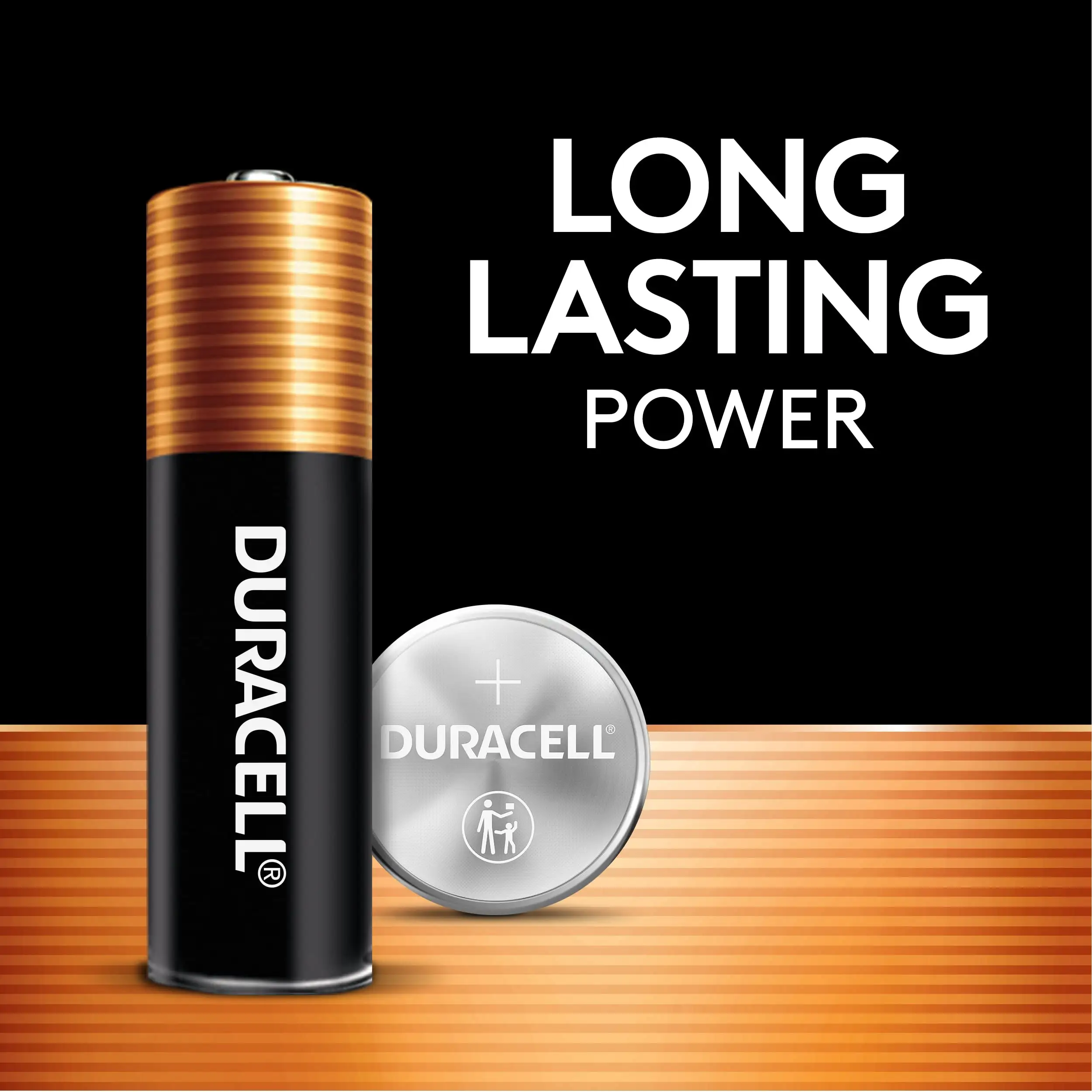
| Packaging can be safer | CVS mentions “child-resistant packaging,” and Duracell describes “double blister” packs | Homes with kids |
| Value varies by retailer | CVS rating snapshot lists “value” lower than ease-of-use | Price-sensitive shoppers |
Claims vs Reality
Duracell’s marketing leans on longevity, safety packaging, and broad device compatibility—claims echoed in official descriptions and, in many cases, reinforced by shoppers. Digging deeper into user reports, the “reality” is less about lab specs and more about urgent, everyday scenarios: a car that won’t unlock, a medical device that needs steady power, or a remote that can’t drop out midweek.
Claim 1: “Long-lasting power” and multi-year freshness.
Official copy for the Specialty 1632 emphasizes staying fresh “up to 10 years in ambient storage” (Duracell India product page). On the user side, CVS feedback supports the durability angle in lived terms rather than shelf-life math. One CVS reviewer wrote: “great i use these batteries for my led light remotes… after 8 months of daily use they’re still working fine.” That’s not the same thing as a 10-year storage guarantee, but it aligns with the broader promise of longevity once installed.
At the same time, the “value” lens complicates the claim’s impact: if you’re paying convenience-store pricing, “long lasting” may feel like table stakes rather than a premium feature. CVS’s own rating snapshot shows a dip for “value” compared with “easy to use,” hinting that buyers often like performance more than the price-to-power ratio.
Claim 2: “Reliable performance for key fobs and essential devices.”
Duracell listings repeatedly position the 1632 as a fit for “car remote, key fob, keyless entry” (Amazon product descriptions). User stories match that use case with urgency. A CVS reviewer described a real-world failure-and-fix moment: “i walked out of the house on my way to work and my fob would not open the car… popped in… got me going.” The credibility here comes from the context: the battery isn’t being praised in abstract, but as the solution to a stranded-morning problem.
Where the gap shows up is less about “does it work” and more about buyer expectations around availability and cost. The story suggests immediate access mattered—having “the battery i needed” on hand—so reliability is bundled with convenience. In that sense, the marketing claim holds, but the user experience is partly about the buying channel.
Claim 3: “Safety-first, child-resistant packaging.”
Duracell emphasizes “child resistant packaging” and even notes that the double blister is “impossible for a child to open without scissors” (Duracell India product page). CVS reviewers echo that safety framing—one review highlights it directly: “safe: child-resistant packaging and bitter taste technology.” That’s a rare case where the user language mirrors the manufacturer’s message.
Still, users also care about friction. Another CVS reviewer praised usability from the adult perspective: “easy to remove from packaging so makes its simple to get the job done.” The investigative takeaway: while the brand pushes “hard to open,” at least some shoppers experience it as manageable—safe without feeling like a chore.
Cross-Platform Consensus
A recurring pattern emerged across platforms: the loudest praise isn’t technical, it’s situational. People talk about the Duracell 1632 3V Lithium Battery the way they talk about spare keys—something you only notice when it saves you. Reviews gravitate to devices that fail at the worst time (car remotes) or require steady output (medical devices), and that shapes what “good” means in this category.
Universally Praised
1) “It just works” reliability for essentials.
For commuters and parents, the highest-stakes device here is the key fob. CVS’s “on the road again” story reads like a mini-emergency resolved in seconds: “my fob would not open the car… popped in… got me going.” The benefit isn’t theoretical capacity; it’s restoring access, mobility, and schedule.
Even when users don’t cite a single device, they describe the brand as a default choice because failures are costly. One CVS reviewer summed up the routine trust angle: “my go to brand… long lasting and durable.” That’s the kind of endorsement that implies repeated repurchases, not a one-off lucky unit.
2) Longevity in daily-use gadgets.
For cyclists, remote-heavy households, and anyone with LED accessories, coin cells can become a frequent nuisance—unless they last. The clearest durability anecdote comes from CVS: “after 8 months of daily use they’re still working fine and have never left me in the dark.” The phrasing matters: “daily use” and “never left me in the dark” frames the battery as dependable under repetition, not just occasional use.
B&H reviewers echo a similar theme, though more briefly. A B&H customer (username shown on the product page) wrote: “good value for money long lasting i totally recommend it,” and another highlighted packaging: “durable batteries recyclable packaging.” The shared thread is stability: batteries that don’t force constant replacements.
3) Ease of installation and straightforward swaps.
Coin cells are often bought by people who don’t want to think about batteries. CVS feedback repeatedly frames the experience as quick and painless: “Great performance and easy installation!” That matters most for non-technical users changing a watch battery or a small remote, where the “installation” is basically the whole product experience.
Another CVS comment underlines the practical convenience: “easy to remove from packaging so makes its simple to get the job done.” In other words, even the packaging—often a pain point for safety designs—can still feel workable for everyday adults.
After the narrative, the most repeated positives can be summarized as:
- Reliable power for key fobs and small remotes (CVS reviews; Amazon device-use descriptions)
- Longevity in frequent-use accessories (CVS; B&H reviews)
- Simple installation for non-technical swaps (CVS)
Common Complaints
The dataset provided is notably light on explicit negative quotes for this specific Duracell 1632 item, but one consistent friction point shows up indirectly: price-to-value. CVS’s rating snapshot lists “value” lower than “easy to use,” suggesting that even satisfied buyers can feel the cost.
This matters most for households that burn through multiple coin cells—parents replacing batteries in toys and small devices, cyclists running lights, or anyone maintaining a stash for key fobs. If you’re buying in single packs at a pharmacy, the convenience premium can overshadow the performance story.
Another subtle issue is that broad compatibility claims can confuse buyers: listings describe equivalencies (“Equivalent to: DL1632, CR1632…”), and that helps, but it also puts the burden on shoppers to confirm sizing. The feedback here isn’t filled with mismatch complaints, yet the very prominence of equivalency language signals a common consumer anxiety: getting the wrong coin cell.
After the narrative, the common drawbacks are best captured as:
- Value concerns depending on retailer pricing (CVS rating snapshot)
- Compatibility confusion risk mitigated by equivalency labeling (Amazon descriptions)
Divisive Features
Packaging is both a safety win and a convenience debate.
Duracell’s official stance is clear—child-resistant, often requiring scissors (Duracell India). Some users interpret this as a strong positive. A CVS reviewer explicitly praised safety design: “safe: child-resistant packaging and bitter taste technology.”
But the same feature can be divisive because “hard to open” packaging often annoys buyers in other categories. Here, at least one CVS reviewer lands on the opposite side of that fear: “easy to remove from packaging.” Taken together, the packaging story is split less by love/hate and more by tolerance: some celebrate the safety engineering; others simply want it not to slow them down—and in some cases it doesn’t.
Trust & Reliability
Trust signals in this dataset lean heavily on mainstream retail review averages rather than fraud complaints. Amazon listings show high ratings for Duracell CR1632/DL1632 packs (for example, 4.7/5 across thousands of reviews on a 2-pack listing), and CVS posts an “average rating… 4.5 out of 5 stars with 76 reviews.” Those aggregates don’t prove authenticity, but they do show a steady volume of satisfied buyers across major channels.
For long-term durability stories, the strongest “months later” account comes from CVS: “after 8 months of daily use they’re still working fine.” That kind of timeframe matters for people who don’t want to reopen a device repeatedly—bike helmet lights, LED remotes, and similar gadgets where battery swaps are a recurring annoyance.
Alternatives
Only competitors explicitly mentioned in the provided data are fair game here, and two brands show up repeatedly in comparison-style sources: Panasonic and Energizer. Digging deeper into that content, Panasonic CR1632 is framed around a slightly higher stated capacity in one article (140 mAh) and strong performance across temperatures, while Energizer is described as reliable with long shelf life and leak resistance. These are not user-quoted comparisons in the dataset, but they are competitor narratives presented alongside Duracell.
If you’re the “buy once, stash extras” type, Panasonic and Energizer are positioned as viable alternatives, especially when purchased in multipacks. If you’re the “I need it today” buyer, the Duracell ecosystem appears frequently in pharmacy and big-box contexts (CVS, Walmart listings), and that availability can be the deciding factor.
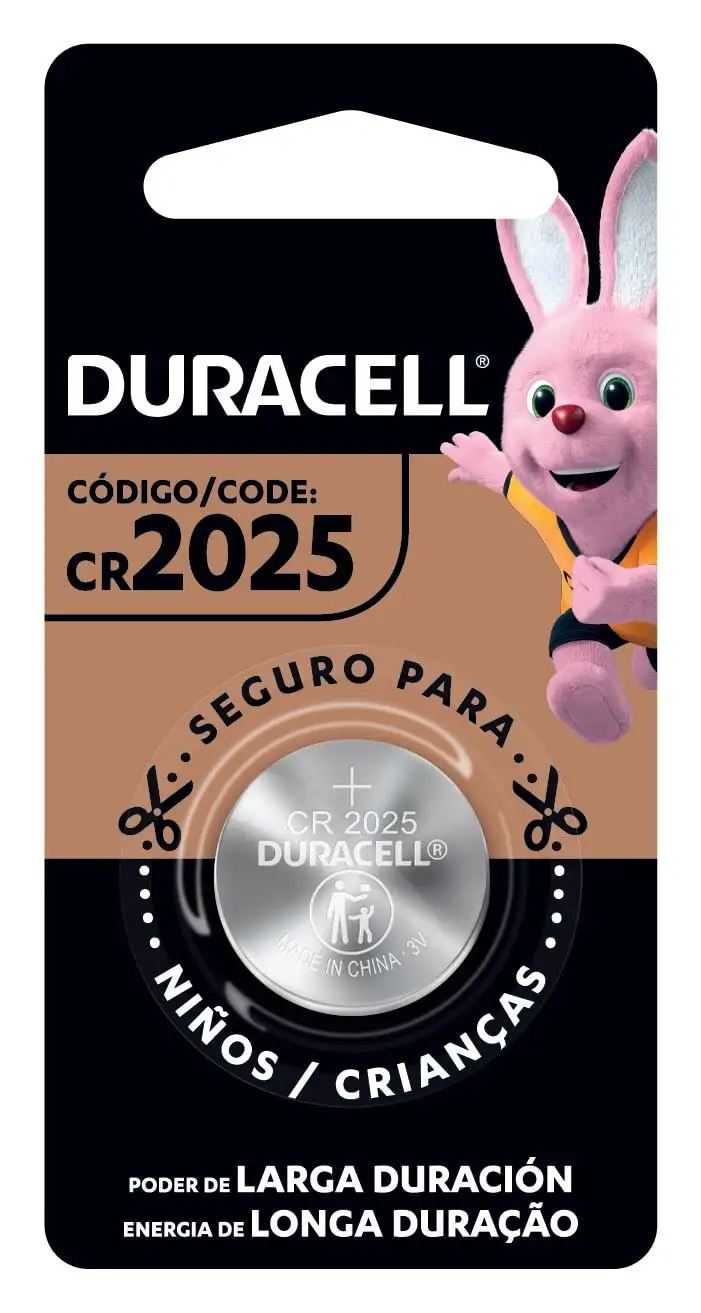
Price & Value
Pricing signals vary sharply by platform. CVS lists the single pack at $6.99, which helps explain why “value” lags behind other satisfaction metrics in their snapshot. Walmart shows a single Duracell 1632 around $7.32, reinforcing that in-store convenience channels can be pricey for a single coin cell.
On the resale/market side, eBay listings show multipack pricing that often lowers the per-battery cost (for example, listings such as “10 pcs… $18.99” or “6… $15.97,” per the provided eBay market data). For families, cyclists, or anyone maintaining multiple devices, the economics tilt toward buying multipacks—especially because Duracell’s official messaging emphasizes multi-year storage readiness.
Buying tips implied by the community feedback are simple: keep a spare. The “on the road again” CVS story is basically a lesson in risk management—having the right coin cell available turns a dead key fob from a crisis into a quick swap.
FAQ
Q: Does the Duracell 1632 work for car key fobs and remotes?
A: Yes. Duracell’s listings explicitly mention “car remote” and “key fob,” and CVS reviewers describe real key fob fixes. One CVS customer wrote: “my fob would not open the car… popped in… got me going,” framing it as a quick, reliable replacement.
Q: How long does a Duracell 1632 battery last in real use?
A: It depends on the device, but multiple users emphasize long life. A CVS reviewer reported daily-use longevity: “after 8 months of daily use they’re still working fine.” Manufacturer messaging also focuses on long storage life, describing up to 10 years freshness under stated conditions.
Q: Is the packaging actually child-resistant?
A: Duracell’s official Specialty 1632 description highlights child-resistant packaging, including a “double blister” design that requires scissors. CVS feedback echoes this: one reviewer cited “child-resistant packaging and bitter taste technology,” while another still found it “easy to remove from packaging.”
Q: Is Duracell 1632 the same as CR1632 or DL1632?
A: In many listings, yes—Duracell’s product descriptions frequently call out equivalence, such as “DL1632” and “CR1632.” Amazon descriptions explicitly list replacements (“replaces CR1632…”) which is meant to reduce confusion when you’re matching the battery code printed on your device.
Q: Is it good value, or overpriced?
A: Value depends on where you buy it. CVS shows a single pack at $6.99 and their snapshot rates “value” lower than ease-of-use. Buyers who go through multiple coin cells may get better per-unit pricing via multipacks (including multi-unit listings and marketplace pricing trends).
Final Verdict
Buy the Duracell 1632 3V Lithium Battery if you’re a key fob user who wants a fast, trustworthy fix, or you rely on small devices where consistent power matters. Avoid if you’re replacing many coin cells and only plan to buy pricey single packs at convenience retailers. Pro tip straight from real-life usage: keep a spare—because, as one CVS reviewer put it, “my fob would not open the car… popped in… got me going.”