D'Addario NS Micro Soundhole Tuner Review: 7/10 Verdict
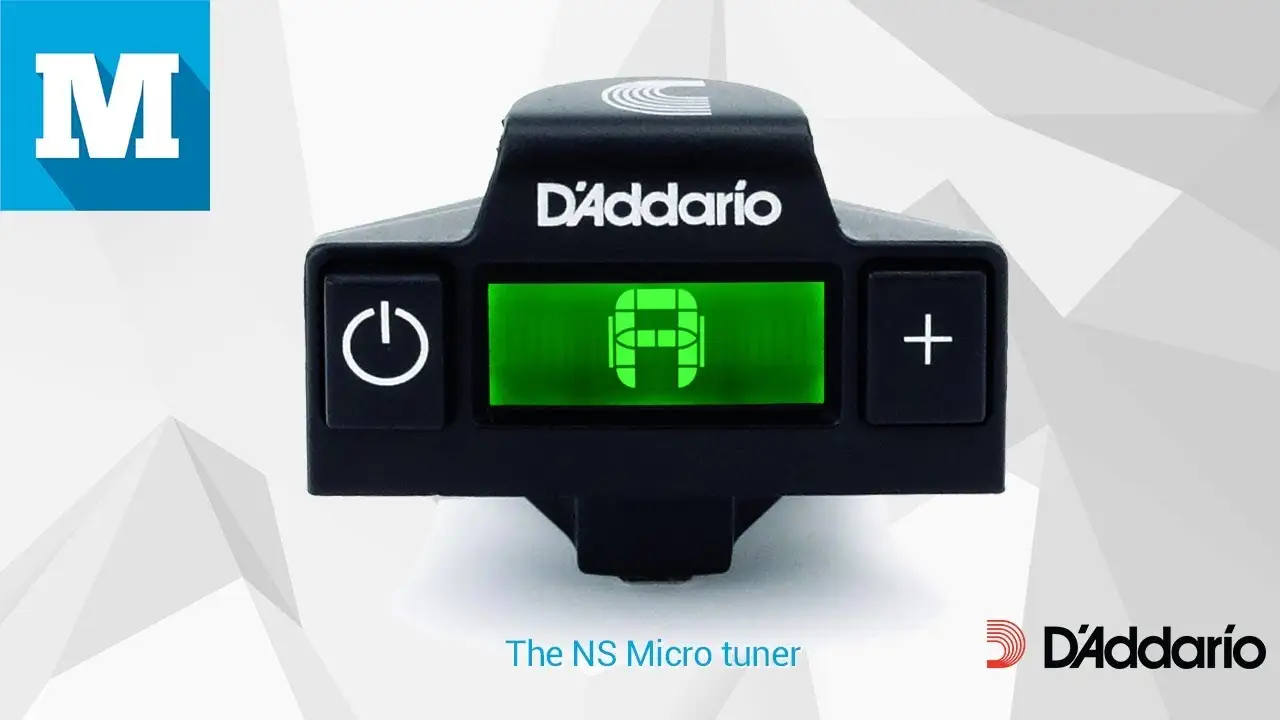
Hidden in plain sight but not without its flaws, the D'Addario NS Micro Soundhole Tuner earns a conditional 7/10 from aggregated user feedback. While its discreet design and quick access nature win over acoustic purists, performance under certain conditions — particularly bright outdoor light and low-frequency detection — leaves some players frustrated.
Quick Verdict: Conditional
| Pros | Cons |
|---|---|
| Extremely discreet — mounts invisibly in soundhole/headstock | Struggles with low E and bass strings for some users |
| Accurate tuning in quiet or controlled environments | Display brightness inadequate outdoors |
| Durable enough for constant on-guitar use | Ratchet clamp and clip prone to wear or breakage |
| Lightweight — doesn’t affect balance of instrument | Can lose grip or fall off during transport |
| Convenient “leave in place” approach | Battery life inconsistent across versions |
| Flexible display orientation | Slower response time noted vs competitors |
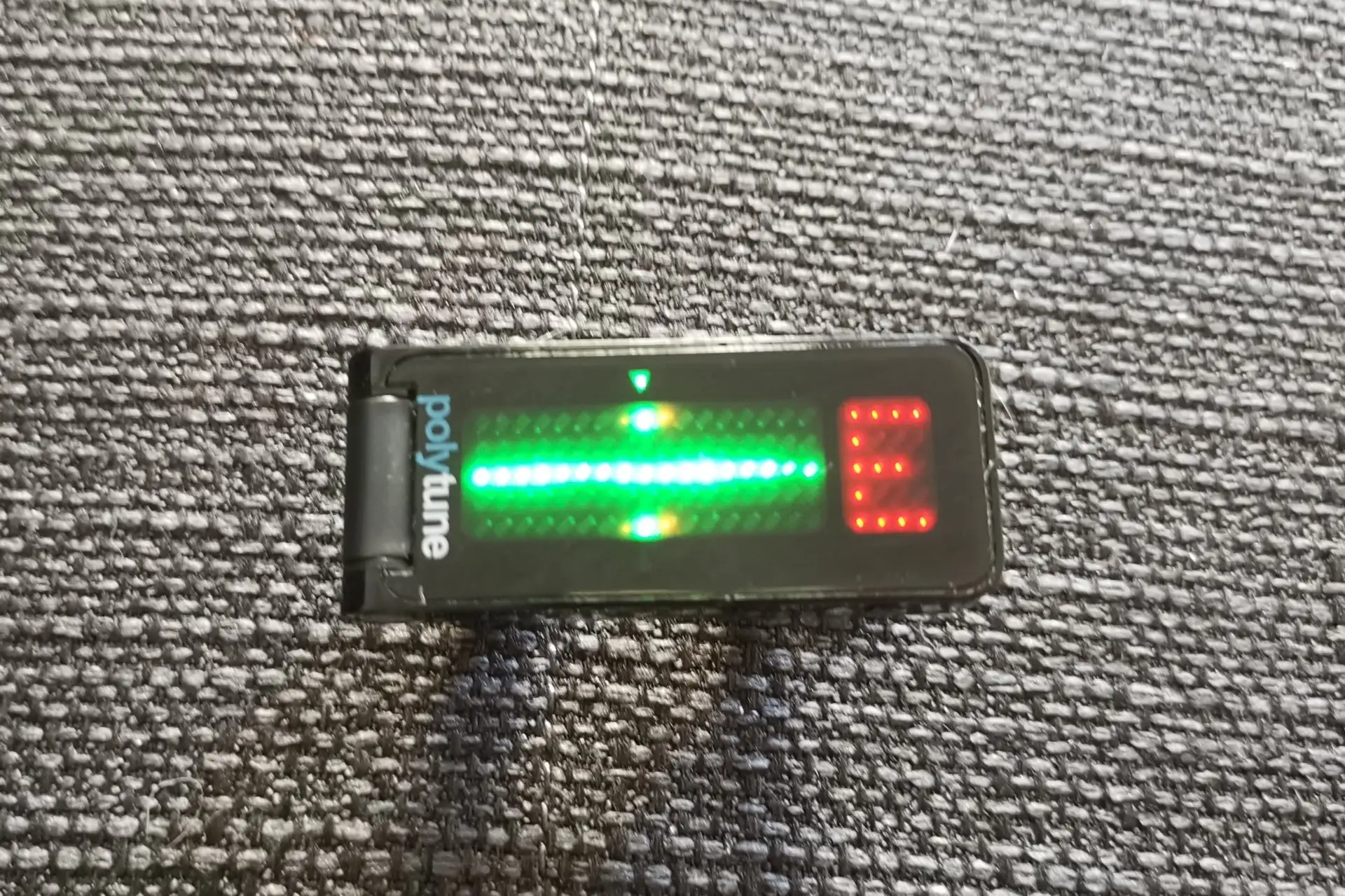
| Multi-color display aids quick visual tuning | Visual metronome deemed unnecessary by most users |
Claims vs Reality
Marketing pushes the stealth angle heavily: “perfectly concealed within the instrument’s soundhole” and “fast, accurate response” thanks to a piezo transducer sensing vibrations from the soundboard. Digging deeper into user reports, the discreteness claim holds — multiple owners note how audiences never see the tuner. Trustpilot reviewer Jay said it “hide[s] away in the soundhole so snugly you never need to worry,” which aligns with Reddit users describing it as “small enough to keep on your guitar while in a case.”
However, “fast, accurate response” received mixed validation. While some report solid performance — a Sweetwater buyer celebrated it as “very precise and very quick to get your guitar in tune” — others disagree. One guitarist lamented, “It’s very slow to read the low E string… sometimes it doesn’t read it at all,” echoing numerous complaints of laggy detection, especially with bass instruments.
The “bright, multi-color display” too, meets reality with conditions: indoors, most players find it legible and helpful, but outdoors, “the small dimly lit display is difficult to see in bright light,” according to a bluegrass musician review. This is a recurring pattern across platforms.
Cross-Platform Consensus
Universally Praised
The stealth factor is a standout. For acoustic performers who dislike bulky headstock tuners, this is a winner. “No more alien eyeball on my guitar,” joked a Reddit user, while a Sweetwater review noted, “I have one on each of my guitars… most people will never notice.” This visual minimalism also benefits stage aesthetics, as worship leaders and classical players praised its unobtrusiveness.
The convenience factor is equally loved. Many keep it permanently attached — one Sweetwater customer stated, “Never worry about forgetting to bring a tuner to a gig again.” This “set and forget” mentality prevents pre-show stress, making it ideal for gigging musicians with multiple instruments. The reversible display and multi-angle swivel also receive nods from left-handed players and those with unusual headstock shapes.
Players using controlled environments — home studios, recording spaces — find accuracy solid and response time acceptable. Benjamin Ricci of Performer Mag reported, “It’s one of those things that should find a home in every guitar case… tuning up is a breeze.”
Common Complaints
Inconsistent performance on low-frequency tuning, especially the low E and bass strings, is perhaps the most repeated frustration. “Not reliable for low E string tuning,” wrote a 30-year veteran player who switched back to a Snark. This issue is echoed by bassists, one saying it “couldn’t seem to hear the bass” at church rehearsals.
Durability concerns focus on the plastic ratchet clamp. Users warn against frequent removal; “The bottom of the clamp… breaks easily,” reported multiple Sweetwater purchasers. Some also described the tuner popping out mid-performance or falling off in transit. Combined with occasional reports of losing the tuner entirely, portability users must exercise care.
Display brightness outdoors is a major limitation. Reviews from buskers, festival players, and outdoor jam enthusiasts state bluntly, “Forget it in the sun.” The dim display in daylight makes it impractical for certain gigs despite its multi-color coding.
Battery life is polarized between versions: older models under Planet Waves branding earned praise for longevity, while more recent versions draw complaints of “munches batteries,” especially with the visual metronome mode active.
Divisive Features
The integrated visual metronome draws interest from beginners but skepticism from experienced players. “Nearly useless” is how one bluegrass musician described it, yet some hobbyists find it a nice extra for practice sessions. Similarly, response speed ratings vary — some say it’s “much more responsive now” in newer designs, while others still find it “slow to react” vs Snark or Peterson models.
Cosmetic impact splits opinion: while most love the invisible mounting, one Les Paul owner noted it “marked up the headstock… not the end of the world, but I’d have gone a different direction.”
Trust & Reliability
Trustpilot feedback and Reddit anecdotes suggest no scam concerns; rather, the product’s reputation hinges on long-term physical reliability. Positive stories include one ukulele player gifting a dozen units after years of incident-free use. On the flip side, fragility creeps in over time: “After several months… it lost its grip,” admitted a guitarist, comparing the worn clamp to new out-of-box firmness.
Players who’ve kept older models in rotation for years see this as a dependable, if basic, tuner. Those with newer versions note the metronome removal may help restore battery longevity. The community consensus? Buy multiples — both for backup and because they’re easy to misplace.
Alternatives
The Snark SN-2 is the most frequently suggested alternative. Users laud its “double the sensitivity” and superior low-end detection. However, Snark’s bulk and tendency to break offset that accuracy advantage, making it less appealing to players prioritizing stealth.
The Peterson Stroboclip enters as a pro-tier option. One buyer advised, “Spend a little extra… complete confidence in your tuning.” Peterson’s size and price make it a less casual choice, but accuracy for intonation adjustments beats both D’Addario and Snark.
For soundhole-specific stealth, some users express interest in switching from this headstock model to the NS Micro Soundhole version to avoid clamp wear and accidental detachment.
Price & Value
Priced around $22.99 for the soundhole version and $36.99 for a two-pack headstock variant, community tips lean toward multi-pack buys for value and readiness. eBay listings match retail, showing little depreciation — used units aren’t common due to low cost and portability. Reddit threads frame it as a “cheap enough to keep one on each instrument” investment, especially for gigging artists wanting backups.

FAQ
Q: Does it work well for bass guitars?
A: Many bassists report difficulty detecting low strings like E or B consistently. Indoors in quiet settings it’s passable, but for live bass tuning, alternatives like Snark or Peterson are recommended.
Q: Can it be used outdoors?
A: While functional indoors, bright daylight often washes out the display, making outdoor use problematic. Buskers and open-air players suggest brighter, larger-screen tuners.
Q: How long does the battery last?
A: Older versions had excellent battery life; newer models vary. Usage frequency and metronome mode affect lifespan — some users swap CR2032 cells every 2-3 months.
Q: Will it damage my guitar finish?
A: Most report no issues, but a few Les Paul owners noticed minor headstock marks. The non-marring clip generally protects finishes.
Q: Is the visual metronome worth using?
A: Opinions split — beginners may find it helpful for practice, but seasoned players often ignore it in favor of traditional metronomes.
Final Verdict
Buy if you’re an acoustic or ukulele player seeking an always-on, visually discreet tuner for indoor or stage use. Avoid if you need fast, reliable low-string detection in noisy or outdoor environments. Pro tip from the community: get the two-pack for backups — and keep spare batteries in your case to avoid mid-gig dimming.