D'Addario Micro Headstock Tuner Review: Mixed Verdict
Digging into real-world feedback, the D'Addario Micro Headstock Tuner emerges as a product that splits opinion sharply — praised for its stealthy, compact form factor but criticized for inconsistent performance, especially with low-frequency strings. Across Reddit, Sweetwater, and Trustpilot, users rate it anywhere from indispensable to unreliable, landing it at a measured 7.2/10 overall. Its appeal is strongest among players who value minimal visual intrusion onstage, but its quirks make it a conditional recommendation depending on instrument type and usage environment.
Quick Verdict: Conditional — excellent for discreet, everyday tuning on guitars and ukuleles, but bassists and outdoor performers may encounter issues.
| Pros | Cons |
|---|---|
| Ultra-compact, discreet design | Struggles with low E/B strings, especially on bass |
| Can remain on instrument in case | Display visibility poor in bright light |
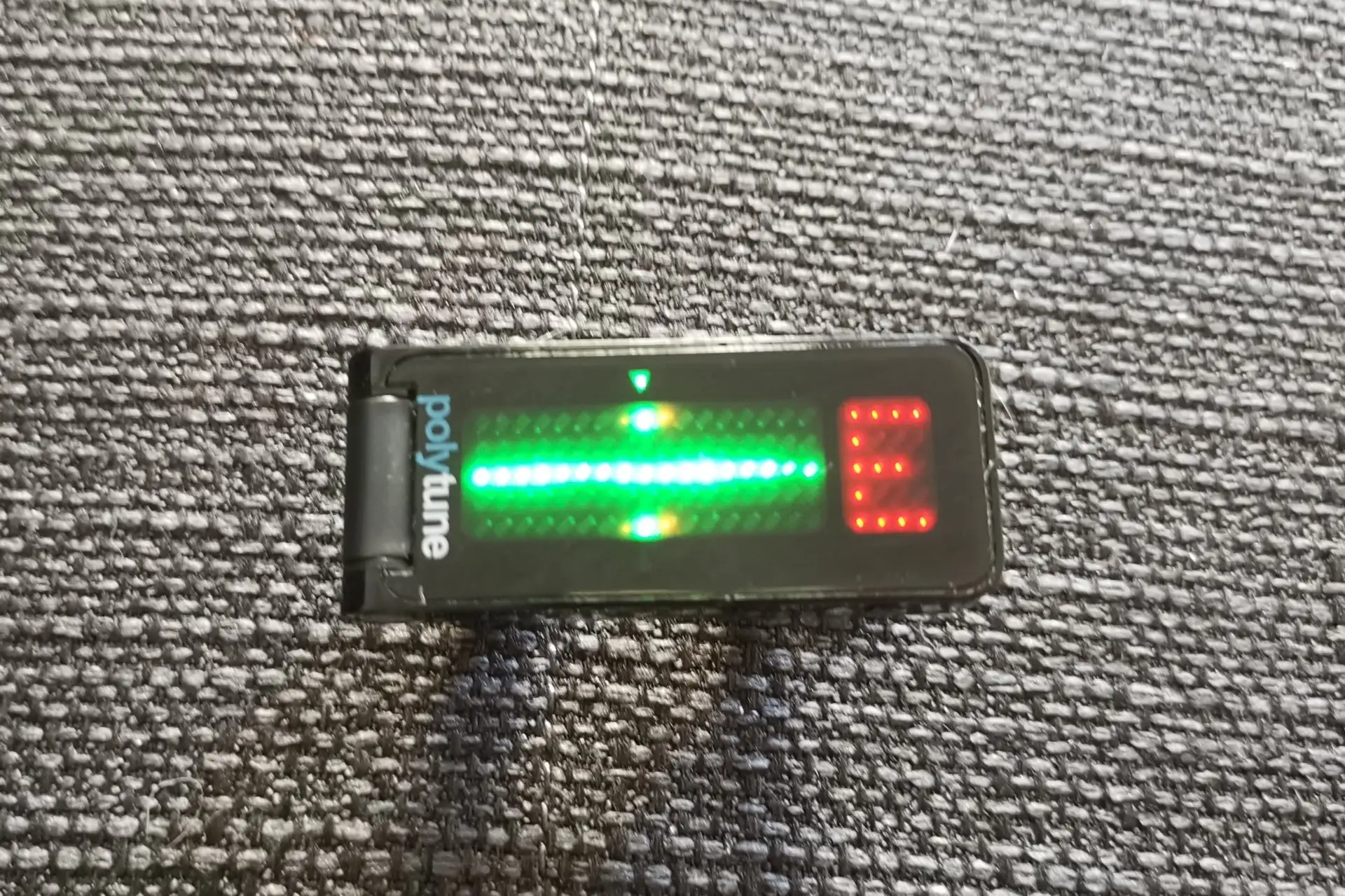
| Tri-color backlit screen for quick status | Clamp fragility; prone to breakage if removed frequently |
| 360° swivel and multiple viewing angles | Eats batteries quickly for some users |
| Wide calibration range (410–480 Hz) | Slow response compared to Snark tuners |
| Works across multiple stringed instruments | Grip issues on very thin headstocks |
Claims vs Reality
D’Addario markets the Micro Headstock Tuner as “your audience will never know it’s there” with “extreme accuracy” and “effortless tuning in noisy environments.” While its stealth factor is universally confirmed, accuracy claims meet mixed reviews. Reddit user u/jam master bluntly stated, “can’t get a solid read on the lower (B & E) strings… wasted money,” a sentiment echoed by several bassists on Sweetwater who found low-frequency tracking unreliable.
The brand’s promise of “tuning in noisy environments” is partly upheld — the piezo transducer does isolate vibrations from ambient sound — but some performers report slow response or erratic readings under stage conditions. A Sweetwater reviewer noted, “I find myself having to really bang at the string to get it to respond… my Snark works so much better.”
Battery life is another marketing point that diverges in reality. While older Planet Waves models had “outstanding battery life,” per one long-term Sweetwater customer, the D’Addario-labeled versions “eat batteries faster than any other tuner I’ve ever used.” This inconsistency appears tied to different generations of the device.
Cross-Platform Consensus
Universally Praised
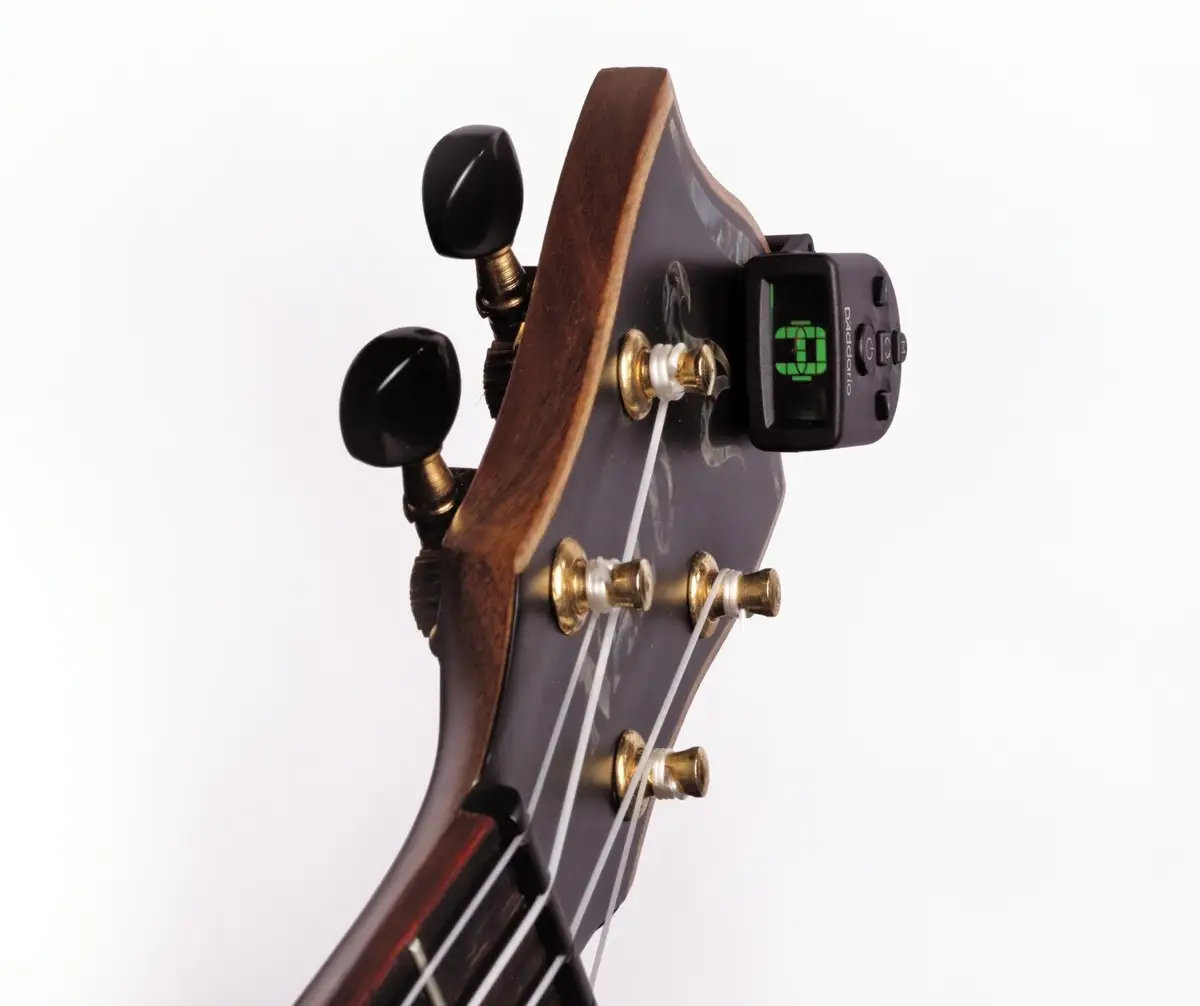
The design is the standout feature. Players love that it can stay clipped on without interfering with storage or performance. Reddit user u/Travel*** said, “small enough to leave on all the time… doesn’t stick out like the Snarks,” reducing the risk of catching on gear or breaking. Sweetwater buyers praise its ability to mount behind the headstock, making it “virtually invisible from the audience” while still easy for the player to see.
The adjustable viewing angles and reversible screen are another win. One Sweetwater reviewer noted, “I can use my thumb to quickly squeeze the tuner on… positioned so the screen is behind the headstock.” Ukulele players particularly appreciate its gentle grip that “won’t damage the finish” — multiple kamaka owners bought them as gifts.
Common Complaints
Low-string tuning issues dominate the negative feedback. Bassists and 7-string guitarists report failure to lock onto notes in the lower register, with one pro bassist saying, “too small to be read and not sensitive enough… big mistake.” Many note slow response times, with delays of “several seconds” making live tuning impractical.
Durability of the clamp is another sore point. The ratchet-style clip can crack under repeated removal, and thin headstocks pose grip problems. An Amazon buyer warned, “may encounter the same problems if your headstock is as thin as mine… .452” or 11.5 mm.” Losing the tuner mid-gig is a common frustration, prompting suggestions to buy multiples or switch to soundhole designs.
Divisive Features
Battery performance splits opinion. Some find it “extraordinarily better” than Snark tuners, while others call it “disappointing” and complain of dimming screens as batteries drain. Display brightness itself is divisive — indoor players find it perfectly visible, but outdoor performers struggle. A Trustpilot reviewer of the rechargeable variant praised, “improved LED screen I can see even in the sun,” suggesting newer versions address this.
The metronome function (on older models) is largely dismissed as “nearly useless,” but a few hobbyists enjoy it for practice. Calibration flexibility (410–480 Hz) is valued by those in alternate tunings, though most stick to 440 Hz.
Trust & Reliability
Trustpilot feedback shows no scam patterns, but long-term reliability hinges on clamp integrity and consistent note detection. Some Reddit users keep multiples “permanently on the headstocks” for years without issue, while others report “ratchet mechanism has begun to wear out” after months.
Sweetwater’s customer service earns repeated praise for replacements, with one buyer receiving an overnight shipment after a defective unit. Older Planet Waves versions are remembered fondly for better battery life, suggesting that generational changes have impacted reliability.
Alternatives
The Snark series is the most frequent comparator. Users admit Snarks are “big and ugly” but consistently faster and more reliable for low strings. Reddit and Sweetwater reviews repeatedly contrast the Micro’s stealth and form factor against Snark’s superior tracking.
Peterson clip-on strobe tuners are mentioned by those seeking “complete confidence” and precise intonation setting. These are bulkier and pricier but outperform both Snark and D’Addario in accuracy.
Soundhole tuners — including D’Addario’s own — are recommended for players who keep losing headstock units or need a truly invisible setup. They also avoid clamp grip issues on thin headstocks.
Price & Value
Current retail hovers around $16.99 for a single unit, with twin packs at ~$36.99. eBay resale prices remain stable, suggesting steady demand. For players with multiple instruments, community advice is to buy in bulk — “you’ll want one for every instrument you own” is a common refrain.
Buying tips include checking headstock thickness before purchase and considering rechargeable models for improved outdoor visibility and battery economy. The two-pack offers the best per-unit value.
FAQ
Q: Does it work well for bass guitars?
A: Many bassists report trouble with low B and E strings, citing slow or inaccurate readings. It’s better suited to guitar and ukulele unless using harmonics.
Q: Can it stay on the headstock in a case?
A: Yes, most users confirm it fits without removal, even in tight cases, as it sits lower than tuning pegs.
Q: Is the display visible outdoors?
A: Older models struggle in bright light, but newer rechargeable versions have stronger LEDs that improve sunlight visibility.
Q: Will it damage my instrument’s finish?
A: Generally no, thanks to padded clamps, though one Les Paul owner reported minor marking.
Q: How long does the battery last?
A: Reports vary — some get months, others weeks. Auto-off helps, but keep spare CR2032 batteries handy.
Final Verdict: Buy if you’re a guitarist or ukulele player seeking a low-profile tuner that can live on your instrument and you mostly play indoors. Avoid if you’re a bassist relying on fast, accurate low-string tuning or if outdoor visibility is critical. Pro tip from the community: consider the rechargeable version for better bright-light performance and fewer battery swaps.