BATTRY ALKLN DURA AA CD8 Review: Conditional Yes (7.8/10)
A recurring theme jumped out immediately: people talk about Duracell AAs like a household “default”—but the loudest praise (and the sharpest complaints) are aimed at the Optimum line and rechargeables, not the exact BATTRY ALKLN DURA AA CD8 listing. Verdict: BATTRY ALKLN DURA AA CD8 earns a 7.8/10 based on cross-platform sentiment around Duracell AA performance and packaging, with a big asterisk that much of the detailed feedback is for related Duracell AA variants.
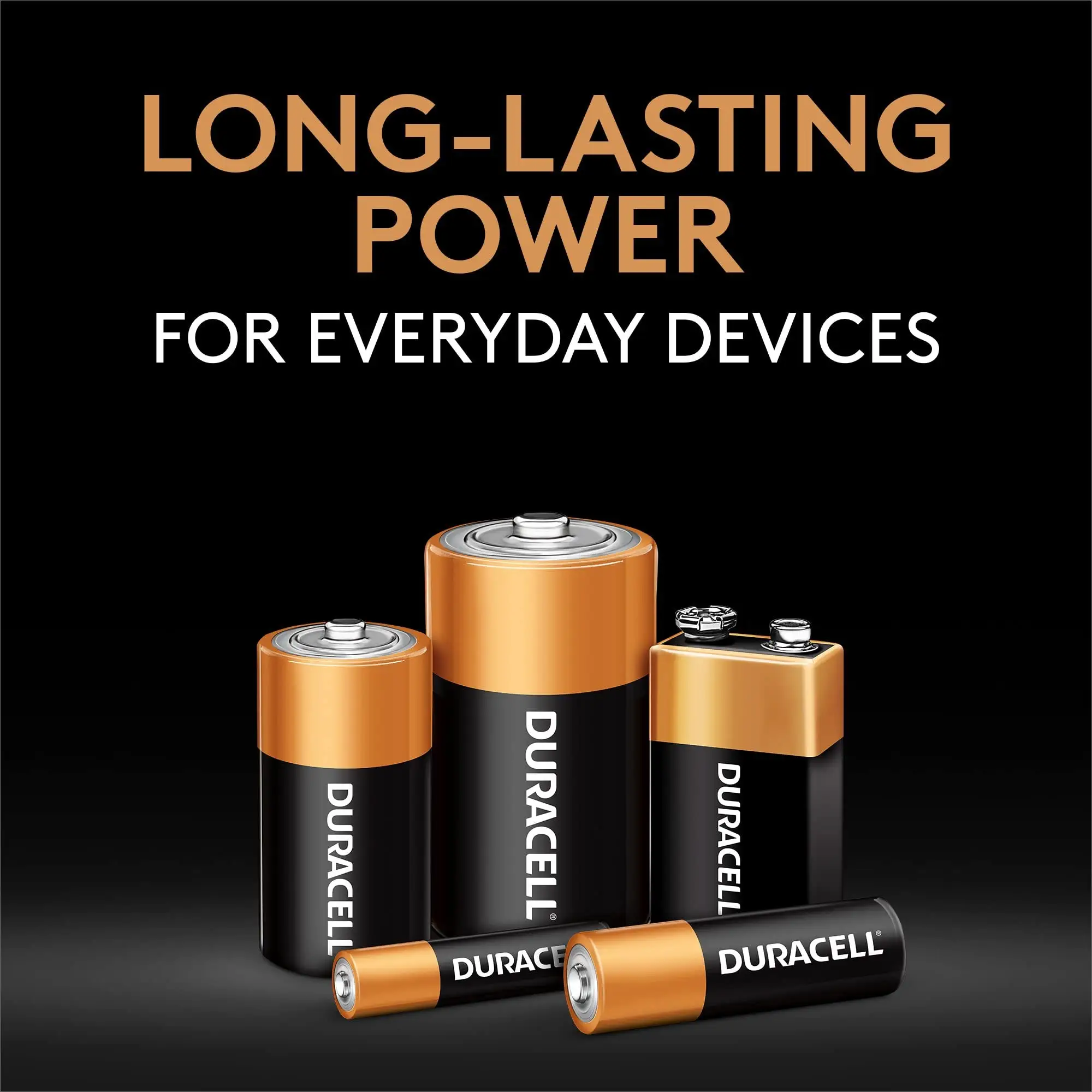
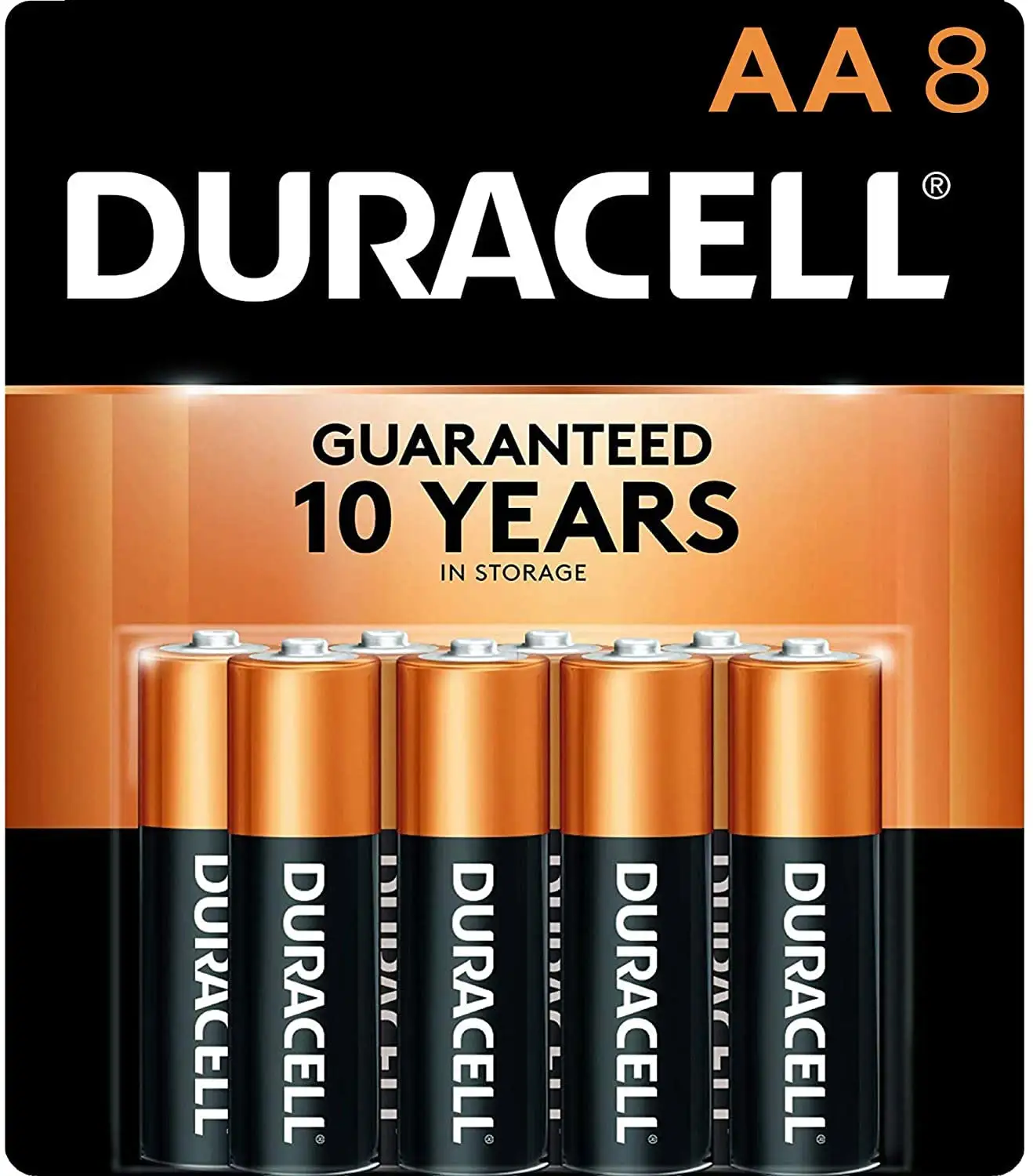
From the Amazon listing, BATTRY ALKLN DURA AA CD8 is positioned as a basic Duracell alkaline AA pack: “8 count,” “1.5 volts,” “single use,” and a “4.6 out of 5 stars” average from “147 reviews.” That’s the clean, straightforward promise: dependable, plug-and-play power for common devices. Digging deeper into user reports elsewhere, the story becomes more nuanced: people love the convenience and reliability—but some don’t see a clear lifespan advantage over cheaper options, and others strongly prefer rechargeable setups for long-term value.
The most vivid stories come from high-drain, high-frequency households—kids’ toys, game controllers, flashlights, remotes—where battery swaps are constant and performance differences feel personal. One Home Depot reviewer framed the “parent reality” bluntly: “I have kids, if you know you know… these seem to last so long! definitely worth it!” Another described a toy as a battery vampire, writing: “this little toy drains batteries like kids drink juice… seems to be lasting longer than the usual change.”
Quick Verdict
For most households: Conditional Yes—good if you want dependable alkaline AAs and don’t want to think about it; less compelling if you’re optimizing cost-per-hour or already committed to rechargeables.
| What the data says | Pros (with sources) | Cons (with sources) |
|---|---|---|
| Strong overall ratings | Amazon shows “4.6 out of 5 stars” for the CD8 listing (Amazon Specs) | Many detailed reviews are for Optimum/rechargeables, not CD8 specifically (Home Depot, Reddit) |
| Works well across common devices | “work good and long in so many items” (Home Depot) | One user saw “no noticeable difference in battery life” vs regular batteries (Home Depot) |
| Helpful storage design (on Optimum packaging) | “reseal it… keep things organize and not mix new batteries from used ones” (Home Depot) | Packaging criticized as “overkill… single-use plastic” (Home Depot) |
| Trusted brand perception | “dependable and trusted brand… we typically go for duracell first” (Home Depot) | Some consumers recommend skipping disposables entirely for “rechargeable… best in the long run” (Reddit r/UKFrugal) |
Claims vs Reality
Claim #1: “Long-lasting power” (implied by Duracell positioning and Optimum marketing language)
Duracell’s broader AA narrative leans hard on longevity—especially around the Optimum line, described as “our #1 best performing alkaline batteries” with “4x… power boost ingredients vs Coppertop AA” (Amazon Specs). On the user side, plenty of stories reinforce the “lasts longer” expectation in everyday gear. A Home Depot reviewer praised controller endurance: “i've been using duracell optimum batteries in my xbox controller, and i can't even remember the last time i had to change them.”
But digging deeper into user reports, not everyone experiences that step-change. One Home Depot reviewer tested the Optimum label specifically in “my television remote and my wireless mouse” and concluded: “i have not noticed any significant difference in battery life… i’m not sure that i would bother to buy the optimums again.” For shoppers looking at BATTRY ALKLN DURA AA CD8 (a standard alkaline listing), this matters: the “wow” stories are often tied to Optimum branding or simply to replacing weak generics—not necessarily proof that CD8 outlasts every comparable alkaline.
Claim #2: “Extra power in some devices” (Optimum positioning) vs everyday compatibility realities
Marketing copy suggests Optimum can deliver “extra power in some devices… or extra life in others” (Home Depot product description block; Amazon Specs). Users do echo stronger performance in some scenarios—especially brightness and high-drain use. One Home Depot reviewer wrote about a flashlight: “make the flash light shine bright,” and another described decorative candles with visible intensity: “you can clearly see the intensity of the candles.”
Yet there are also “compatibility-adjacent” frustrations that read like real-world hiccups. A Home Depot reviewer described a strange post-swap problem: “after switching… the [TV remote] did not work… it took a few tries… for the remote to start working.” They admitted “it may have been a fluke,” but it’s a reminder that battery changes sometimes surface device contact issues, tolerances, or quirks—whether or not the battery is truly at fault.
Claim #3: “Organized, resealable packaging” vs sustainability objections
On Optimum packs, Duracell emphasizes a “resealable package… quick, easy access and storage” (Amazon Specs). That lands well for people managing lots of loose cells. A Home Depot reviewer explicitly valued organization: “the packaging was great, you can reseal it… it’s important for me to keep things organize and not mix new batteries from used ones.”
But another reviewer viewed that same packaging through a waste lens: “the resealable package is overkill… a nice, easily recycled cardboard would have been fine… try again, please, duracell.” If BATTRY ALKLN DURA AA CD8 is being bought as a commodity refill, this split suggests the packaging experience can be either a quiet win (less clutter, fewer lost batteries) or an annoyance (more plastic).
Cross-Platform Consensus
Universally Praised
The strongest consensus is not a single technical spec—it’s the lived experience of not getting stranded. Duracell AAs are repeatedly framed as the “safe pick” when devices must work on demand. A Home Depot reviewer described brand trust across a chaotic household: “with three kids… toys, electronics, games, remotes… we typically go for duracell first.” For caregivers, that kind of default reliability means fewer late-night scrambles when a toy or remote dies at the worst time.
High-frequency devices are where praise turns into stories. Game controllers come up again and again, because the replacement cadence is memorable. One Home Depot reviewer said their grandson’s controller “works awesome!” while another went further: “i use it almost daily… before these i had to change them every couple of months.” For gamers, this isn’t abstract “long life”—it’s fewer interruptions mid-session and fewer emergency store runs.
Flashlights and “always-needed” gear also surface as proof points. One Home Depot reviewer used them in a flashlight and emphasized sustained brightness: “the batteries have so far lasted and make the flash light shine bright.” Another framed the benefit through a child’s habit—falling asleep with a flashlight on—writing that batteries that “would be dead the next day” now “lasted more than a week.” For campers, parents, or anyone building an emergency kit, those anecdotes translate to confidence that the light will actually turn on when needed.
Underneath all that is a quieter compliment: Duracell is often the brand people “migrate towards” when they need batteries fast. One Home Depot reviewer put it plainly: “you walk into a store knowing you need batteries. you migrate towards duracell.” That’s not just marketing—it’s a consumer habit reinforced by prior “good enough” outcomes.
- Common praise themes: reliable power, fewer swaps in controllers/toys, good performance in flashlights/remotes (Home Depot).
- Typical “who benefits”: parents, gamers, emergency-prep households, anyone who hates troubleshooting (Home Depot).
Common Complaints
The most consistent criticism is about value: some users don’t see enough real-world improvement to justify paying more—especially when compared with rechargeables. One Home Depot reviewer, after trying Optimum, concluded there was “no noticeable difference in battery life.” For bargain-focused shoppers, that sentiment aligns with broader frugal advice from Reddit: “rechargeable… works out better over time,” and “you should be buying rechargeable and that'll save you loads in the long run” (Reddit r/UKFrugal).
Packaging also becomes a lightning rod, not because it fails, but because it symbolizes waste. One reviewer disliked the lack of a printed date (“no ‘good through’ or ‘use by’ date”), and then turned the critique toward materials: “single-use plastic… being produced and discarded into landfills” (Home Depot). For environmentally minded buyers, that’s not a minor gripe—it can be a reason to switch brands or switch formats.
There’s also a subtle frustration in how hard batteries are to “prove” quickly. A reviewer admitted: “it is really hard to fully test batteries in a short amount of time.” That uncertainty can amplify disappointment if performance doesn’t feel dramatically different. When a product is basically “a better AA,” some people want an obvious, measurable win—and not everyone gets it.
- Most repeated drawbacks: unclear advantage vs cheaper alkalines, plastic-heavy packaging, preference for rechargeables (Home Depot, Reddit r/UKFrugal).
- Most affected users: heavy battery users optimizing cost, sustainability-focused buyers (Home Depot, Reddit).
Divisive Features
The “resealable packaging” is a classic split. For organization-minded households, it’s a small quality-of-life upgrade. A Home Depot reviewer said it helps “make sure the other batteries don’t get lost” and avoids mixing new and used cells. For others, it reads like unnecessary plastic, and the same reviewer who questioned battery-life gains called it “overkill.”
Another divisive point is “heavier” batteries—noticed by at least one reviewer: “they are heavier then the regular ones you buy at the store” (Home Depot). Some interpret heft as quality (“feel heavier… look nicer”), while others don’t translate that into better runtime and still “prefer rechargeable batteries” (Home Depot). In practice, this seems less like a functional issue and more like perception: some people like the premium feel; others dismiss it as cosmetic.
Trust & Reliability
On “trust” as a platform issue, the provided Trustpilot material is not product feedback for BATTRY ALKLN DURA AA CD8—it’s broader context about Trustpilot and review integrity. So the more relevant reliability signals here come from user narratives about long-running usage and from Reddit’s practical rechargeable discussions.
For long-term durability stories, rechargeables dominate the “years later” framing. A Reddit commenter in r/UKFrugal said: “i love my rechargeable batteries… nearly eight years.” In the Duracell AA NiMH context, a Reddit source quoted longevity directly: “8 + years using them, started degrading after 5” (RedditFavorites). For households that burn through AAs weekly—controllers, toys, sensors—those time horizons are a compelling counterpoint to any single-use alkaline pack, including BATTRY ALKLN DURA AA CD8.
At the same time, disposable Duracells still earn trust in “must work” moments—smoke detectors and critical devices get mentioned in a Quora-style post: “when my devices absolutely need to work… i’m reaching for the copper tops every time” (Sharvibe/Quora repost). While that’s not a verified retailer review, it reflects a common buyer mindset: alkalines for critical, low-maintenance devices; rechargeables for frequent-drain gear.
Alternatives
Only competitors explicitly mentioned in the data get airtime here, and two show up repeatedly: Energizer (lithium) and Kirkland (alkaline), plus Amazon-branded batteries in a frugal thread.
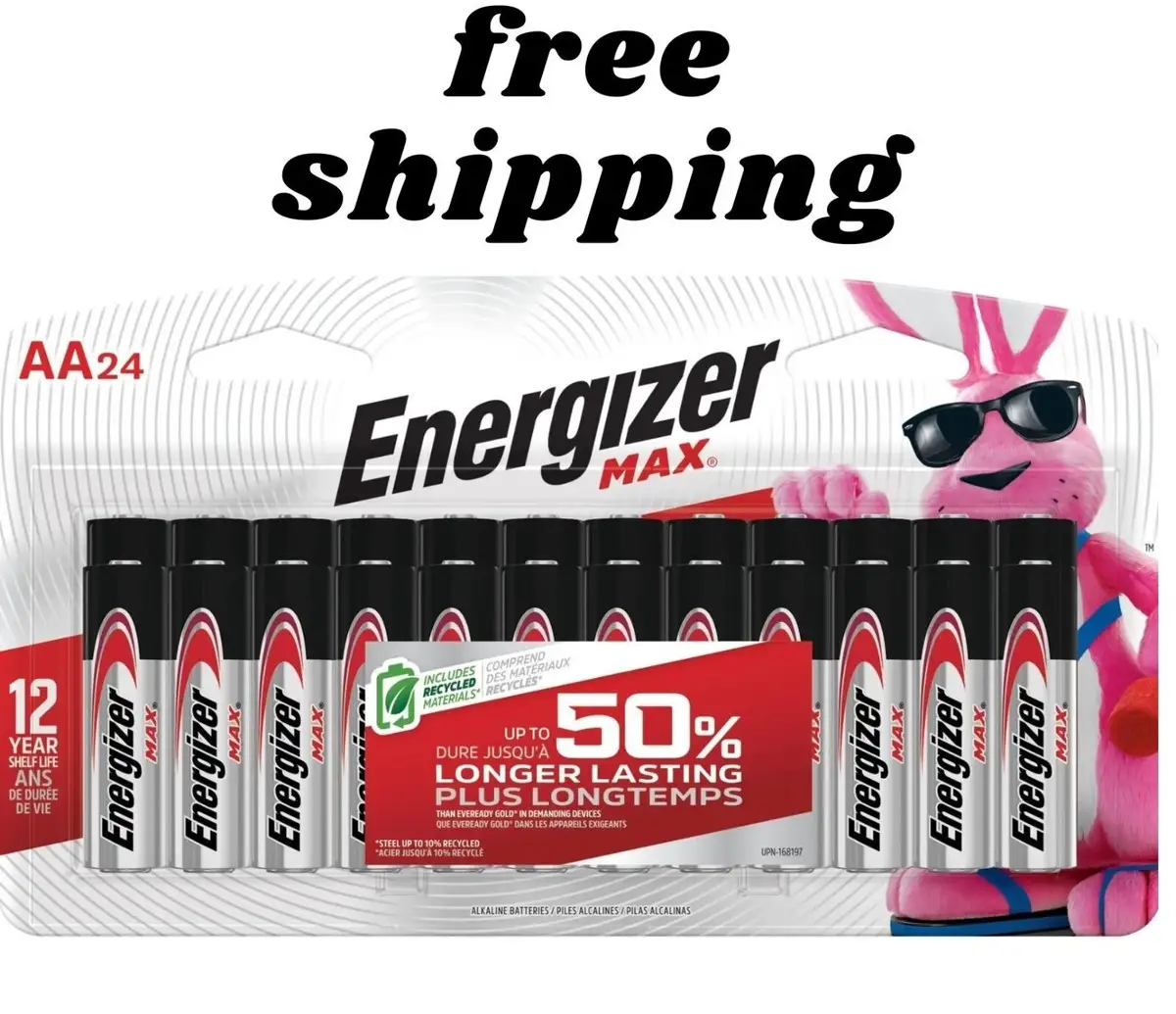
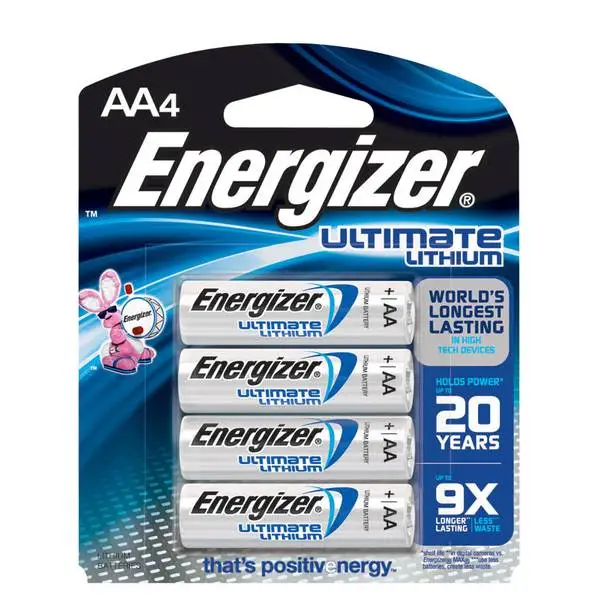
Consumer Reports highlighted a big performance split by chemistry: “lithium batteries performed much better than the alkalines,” citing a camera test where “a top-rated energizer lithium took 609 shots” while “the best of the alkalines, a duracell, 76 shots” (Consumer Reports). For photographers or anyone powering high-drain devices like digital cameras, that suggests an alternative path: lithium for peak performance rather than expecting alkaline AAs (including CD8) to compete in that scenario.
On the value side, Kirkland enters as a budget-friendly alkaline recommendation. Consumer Reports said “for less money, a kirkland signature… [is] worth considering” among alkalines (Consumer Reports). A Reddit frugal commenter echoed the Costco angle: “i use kirkland batteries… great value and long lasting (made in same factory as duracell)” (Reddit r/UKFrugal). Meanwhile, another Reddit user claimed: “i personally use the amazon branded batteries, and have found them to be excellent value for money” (Reddit r/UKFrugal). For shoppers choosing BATTRY ALKLN DURA AA CD8, these are the clearest “if price is the point” options mentioned in the dataset.
Price & Value
The Amazon specs for BATTRY ALKLN DURA AA CD8 show a listed price of “$9.18” for an “8 count,” with international shipping details that push totals higher for Ireland (“$11.17 shipping,” total “$20.35”) (Amazon Specs). For US-based buyers, the simple takeaway is that this is priced like a branded alkaline pack, not a bulk bargain.
Resale/secondary market signals are scattered but suggest these packs can appear cheaply in liquidation channels. An eBay-adjacent auction listing shows “BATTRY ALKLN DURA AA CD8 (2 pack)” sold “$5.00” with an “msrp $15.39” (BidFTA via eBay-style listing). That doesn’t mean typical retail value is $5—but it hints that deal-seekers might find discounted lots through auctions or bulk resellers, especially if packaging dings or “as is” terms don’t matter.
Community buying strategy leans toward either bulk-buying when discounted or avoiding disposables entirely if usage is heavy. One Reddit frugal user described a practical setup: “i invested in a duracell battery charger and bought about 8-10 aa’s and 6 aaa’s… we have lots of remotes and games controllers” (Reddit r/UKFrugal). Meanwhile, the Quora-style post offered a simple tactic: “buy in bulk when they’re on sale” (Sharvibe/Quora repost). For BATTRY ALKLN DURA AA CD8, the “value” case is strongest when it’s either discounted or used in devices where convenience beats cost-per-cycle.
- Best value if: bought on sale/bulk (Sharvibe/Quora repost), used in low-drain essentials (Consumer Reports context).
- Worst value if: used constantly in high-drain devices where rechargeables pay back (Reddit r/UKFrugal, RedditFavorites).
FAQ
Q: Do Duracell AA alkalines like BATTRY ALKLN DURA AA CD8 actually last longer?
A: Often, but not universally. Some users said they “can’t even remember the last time” they changed Duracells in controllers (Home Depot), while another reported “no noticeable difference in battery life” versus regular batteries (Home Depot). Device type and drain rate heavily influence outcomes.
Q: Are these better for Xbox controllers and gaming?
A: Many users like Duracell AAs for controllers. One Home Depot reviewer said their grandson’s controller “works awesome,” and another said daily use required fewer changes than before (Home Depot). Heavy gamers on a budget still often prefer rechargeables for long-term savings (Reddit r/UKFrugal).
Q: Should I buy rechargeable AAs instead of single-use alkalines?
A: If you go through lots of batteries, Reddit users repeatedly recommend rechargeables: “rechargeable… works out better over time” and “save you loads in the long run” (Reddit r/UKFrugal). For low-drain or emergency devices, many still keep alkalines for convenience.
Q: Is Energizer lithium a better option than alkaline Duracells?
A: For high-drain devices like cameras, Consumer Reports found lithium dramatically outperformed alkaline: an “energizer lithium took 609 shots” versus “the best… duracell, 76 shots” (Consumer Reports). For remotes and flashlights, alkalines can be cost-effective and “almost as well” performing (Consumer Reports).
Q: What’s the deal with Duracell’s resealable packaging—useful or wasteful?
A: Opinions split. One Home Depot reviewer praised being able to “reseal it” to stay organized and avoid mixing batteries (Home Depot). Another called it “overkill” and wished for “easily recycled cardboard,” citing concerns about “single-use plastic” (Home Depot).
Final Verdict
Buy BATTRY ALKLN DURA AA CD8 if you’re the “I just need dependable AAs for remotes, flashlights, toys, and random household gear” type—and you value the Duracell reputation backed by strong aggregate ratings on Amazon (Amazon Specs) and consistent reliability stories (Home Depot). Avoid it if you burn through AAs weekly in controllers and toys and want the lowest long-term cost; Reddit’s frugal crowd repeatedly says “rechargeable… best in the long run” (Reddit r/UKFrugal). Pro tip from the community: “buy in bulk when they’re on sale” (Sharvibe/Quora repost).