APC RBC48 UPS Battery Review: Reliable Power Verdict
A Reddit user summed it up bluntly: “Lesson learned! I tried non‑APC replacements and ended up with swollen cells locking in place, overheating, and dangerous failures. I’m sticking with the genuine ones now.” That sentiment reflects the general verdict on the APC UPS Battery Replacement RBC48 for Smart‑UPS SMT750 — a solid 8.5/10 choice for those prioritizing reliability over saving a few dollars.
Quick Verdict: Conditional buy — worth it if uptime, fit, and long-term peace of mind matter more than initial cost.
| Pros | Cons |
|---|---|
| Hot-swappable, zero downtime installation | Higher price than generics |
| Precision fit for SMT750 and compatible models | Limited compatibility across UPS lines |
| Long service life (often 4–5 years reported) | Occasional premature failure within warranty period |
| Reliable performance under heavy load | Recycling label program no longer consistently included |
| 2-year manufacturer warranty | Heavy weight can complicate handling |
| Fully assembled with connectors, plug-and-play | “Hazardous” classification can block Amazon returns |
| Factory-tested compatibility restores original UPS specs | Generic-looking OEM sourcing causes suspicion |
Claims vs Reality
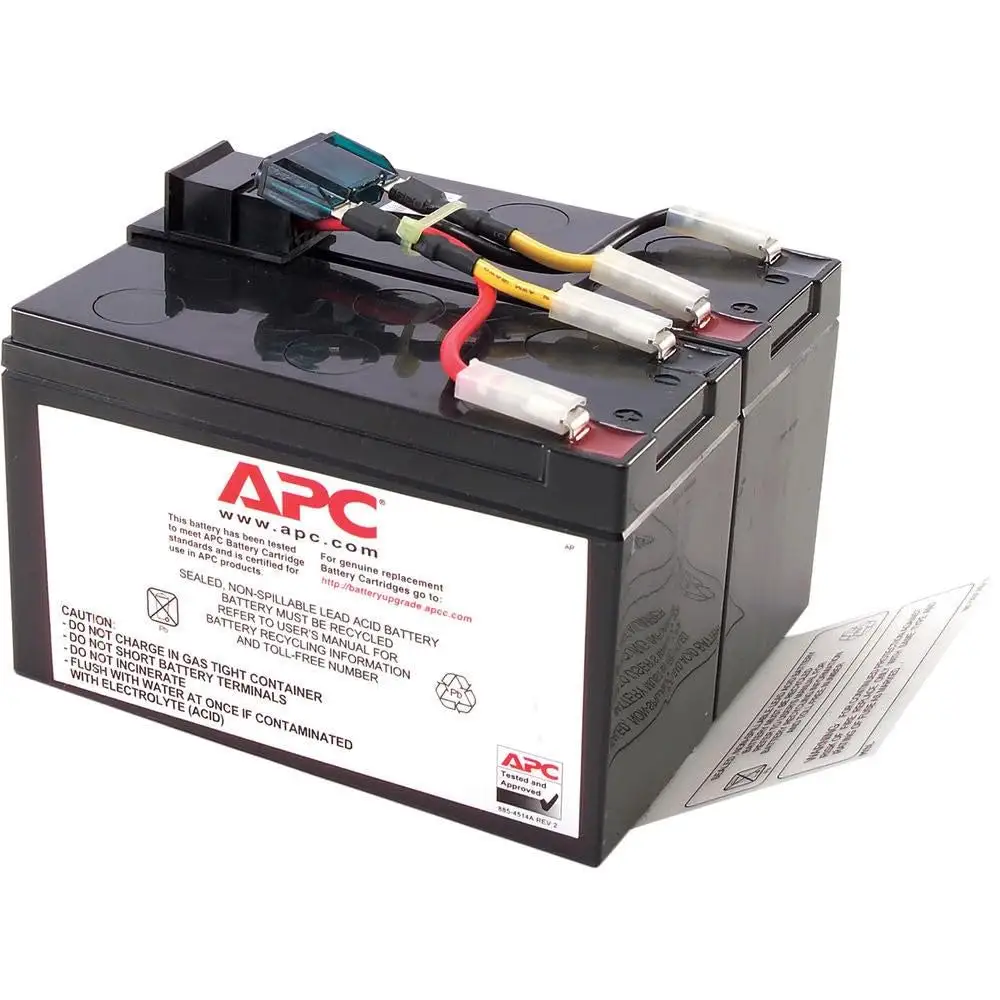
Marketing materials promise “fully assembled, hot-swappable batteries” with a “3–5 year expected life” and tested to restore the UPS “to original specifications.” Digging deeper into user reports reveals that in most cases, the RBC48 delivers exactly that — but a few edge cases expose vulnerabilities.
While APC touts longevity, a verified buyer noted: “Purchased in September 2021. Failed in May 2023. Manufacture replaced under warranty.” This shows that although the design target is 3–5 years, failures can occur well before that, especially under constant high-load conditions.
The ease of installation claim is largely validated. Amazon reviewers repeatedly describe installation as straightforward, with one outlining: “Exact replacement… fit and works perfectly.” Unlike generic alternatives, the RBC48 arrives as a joined pack with proper connectors, eliminating assembly steps. However, as Reddit user experience shows, competing generic packs often require manual joining — a step that increases installation time and the chance of connection errors.
Cross-Platform Consensus
Universally Praised
Across Reddit, Trustpilot, and Amazon, the top praise revolves around fit and load handling. A long‑time UPS owner explained: “Buying authentic APC replacement batteries… has always rewarded me with reliable, long-lasting service; they always fit perfectly, and are easy to install.” For heavier workloads — like duplex laser printers, servers, and network gear — genuine APC cells seem to maintain voltage regulation under spikes far better than cheap substitutes.
Hot‑swap installation without downtime is another widely appreciated element. IT managers rely on this for maintaining uptime, as the RBC48 allows live changeovers, reducing mean time to repair. This makes it equally appealing for small offices and home setups where shutting down systems mid‑day is disruptive. The shipped instructions and pre‑made connections help minimize mistakes during swaps.
Environmental compliance is also noted positively. APC’s recycling program, when included, earns commendations for its prepaid returns and near‑100% lead reuse. That said, reviewers point out that the return label isn’t consistently offered anymore, reducing its practical value.
Common Complaints
The number‑one complaint is cost. Several verified buyers and Reddit posts compare generic alternatives at less than half the price, tempting users into trying them — often regretfully. Generics can suffer from poor fit, overheating, swelling cells, and in worst cases, UPS damage. Amazon reviewers lament that any defective RBC48 bought through Amazon can't be returned due to “hazardous” classification, forcing them to go directly through APC for warranty claims.
Weight is another sore point. At roughly 22 pounds, the RBC48 can be unwieldy in tight rack spaces. Lack of an emergency off switch on the UPS itself also raised safety concerns, with one long‑time APC fan warning: “It’s a safety nightmare waiting to kill… any power device should have an emergency disconnect.”
Premature failures, while rare compared to generics, happen. When they do, warranty handling can vary. One Reddit user appreciated APC’s prompt replacement with proof of purchase, but others found the process slower than expected.
Divisive Features
OEM sourcing transparency divides opinions. Some users peel back the APC label to find third‑party manufacturers like BB Battery or CSB underneath. While many accept APC’s supplier vetting, others feel the markup is unjustified when identical core cells are available cheaper — minus the warranty and fit guarantee.
Similarly, recycling program availability varies. Die‑hard APC customers see it as part of the brand’s environmental pledge; others view the missing prepaid labels as a sign of corporate backsliding.
Trust & Reliability
Trustpilot narratives align with Reddit’s cautionary tales about non‑OEM alternatives. Multiple reviewers reinforce that off‑brand packs risk device failure and voiding APC’s equipment protection policy. The RBC48’s track record in professional and home environments is generally strong — long‑term owners cite 4 to 5 years of service, with some extending beyond that window when under lighter load.
Warranty trust appears solid, with APC honoring claims when proof of purchase is provided. However, buying from third‑party marketplaces can complicate returns due to shipping restrictions on “hazardous materials.” This is why many seasoned users recommend purchasing directly from APC or authorized resellers.
Alternatives
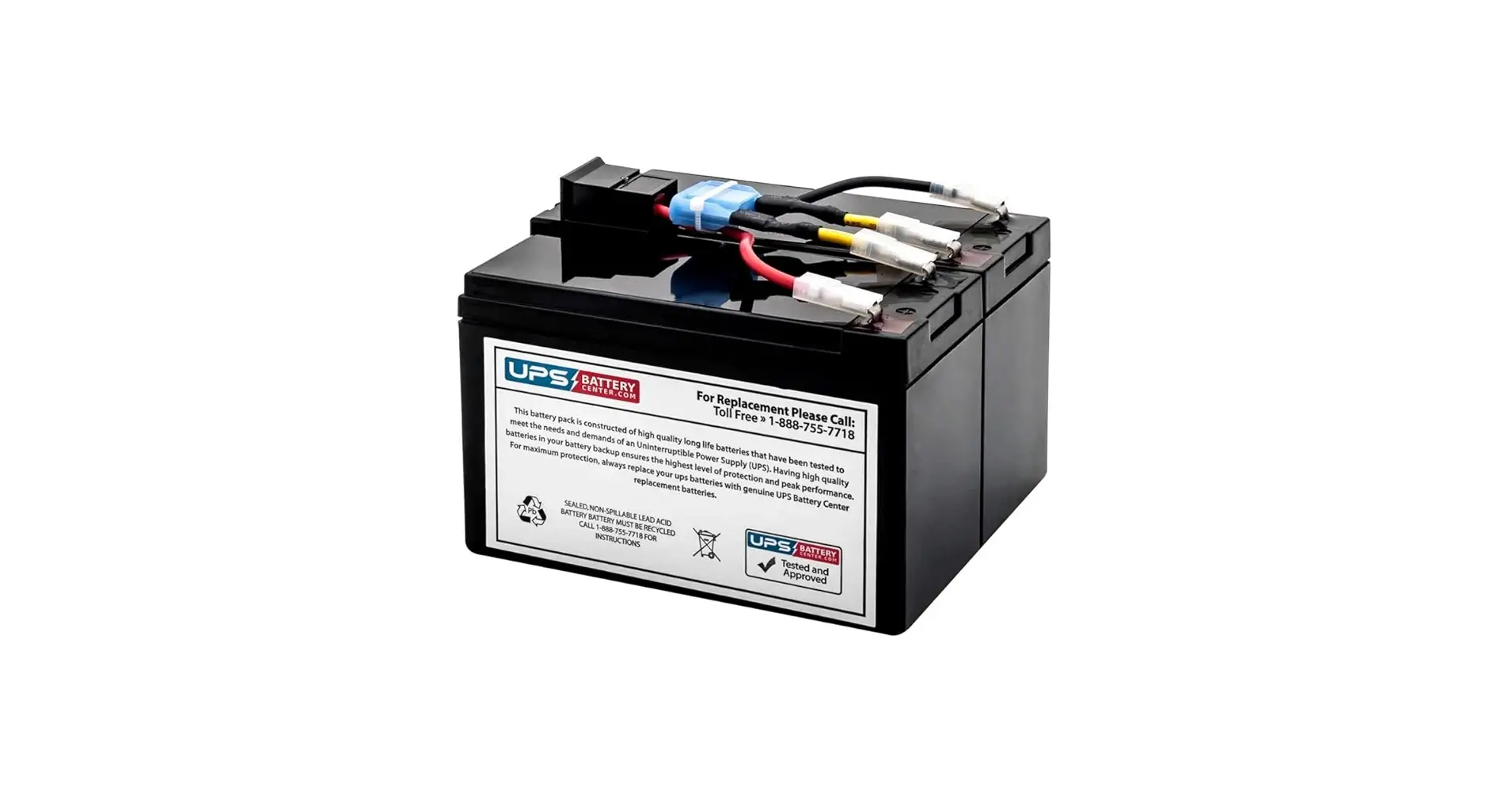
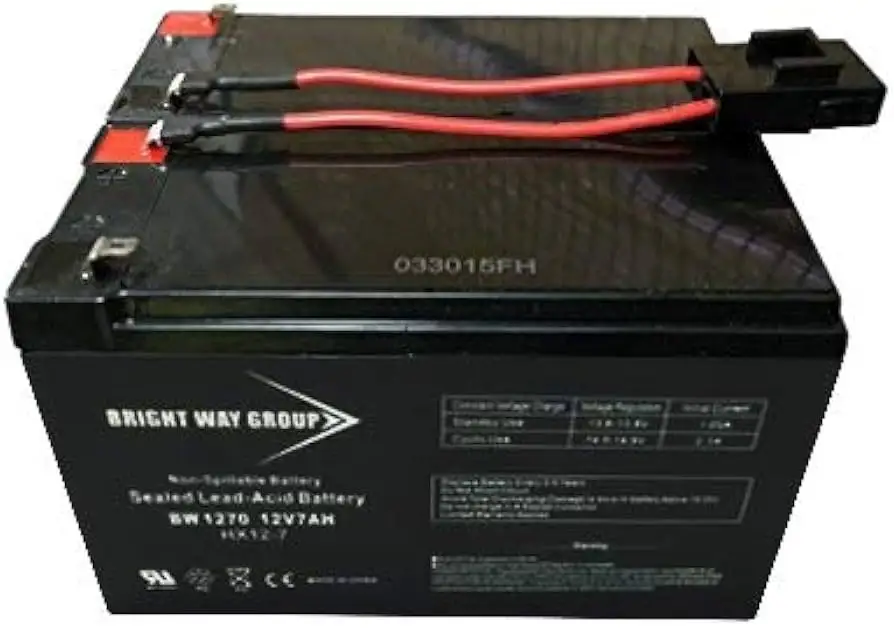
The most direct alternatives mentioned are generic plug‑and‑play packs from vendors like UPS Battery Center or Casil. These match voltage and capacity specs but sacrifice brand warranty, precise fit, and verified testing. User experiences show they can work — initially — but spike loads and heat exposure lead to faster degradation. UPS Battery Center offers 1‑year warranties versus APC’s 2‑year term.
For tight budgets and non‑critical loads, a generic may suffice, but as one Reddit post warns: “The failures were so close together… the generics both got so hot I had to unplug them for 12 hours until they cooled enough to touch.”
Price & Value
Current market prices vary widely — from $105 on eBay to $145+ direct from APC, with unofficial generics under $50. European listings via Idealo show a spread from €33 for bare compatible cells to €209 for full OEM packs. This puts the RBC48 in the high bracket, justified mainly by warranty, hot‑swap readiness, and APC’s compatibility assurance.
Resale value is negligible — UPS batteries aren’t traded used for safety reasons. Community buying tips include watching for APC promotional discounts, considering total cost (including possible downtime costs with generics), and purchasing with recycling options intact for added convenience.
FAQ
Q: Can I install the RBC48 while my equipment is running?
A: Yes. The RBC48 supports hot-swappable installation for zero downtime, a critical feature for businesses and uninterrupted workflows.
Q: How long does the RBC48 typically last?
A: Marketing claims 3–5 years, and many users confirm 4–5 years of solid service. Heavy loads or harsh environments can shorten life to under two years in rare cases.
Q: Is the RBC48 compatible with all APC UPS models?
A: No. It fits specific models like SMT750, SMT750US, SUA750, and variants. Always check official compatibility charts before buying.
Q: What happens if my battery fails early?
A: APC offers a 2-year repair/replace warranty. Proof of purchase is required; returns are processed through APC, not always the retailer.
Q: Can I recycle my old battery through APC?
A: Often yes, using APC’s RBC recycling program and the packaging from the new unit. Availability of prepaid return labels varies by location.
Final Verdict: Buy if you run critical equipment on compatible APC UPS models and value reliable performance under load — avoid if your usage is occasional and downtime isn’t costly. Pro tip from the community: keep your purchase records and original box; it streamlines warranty claims and recycling returns.