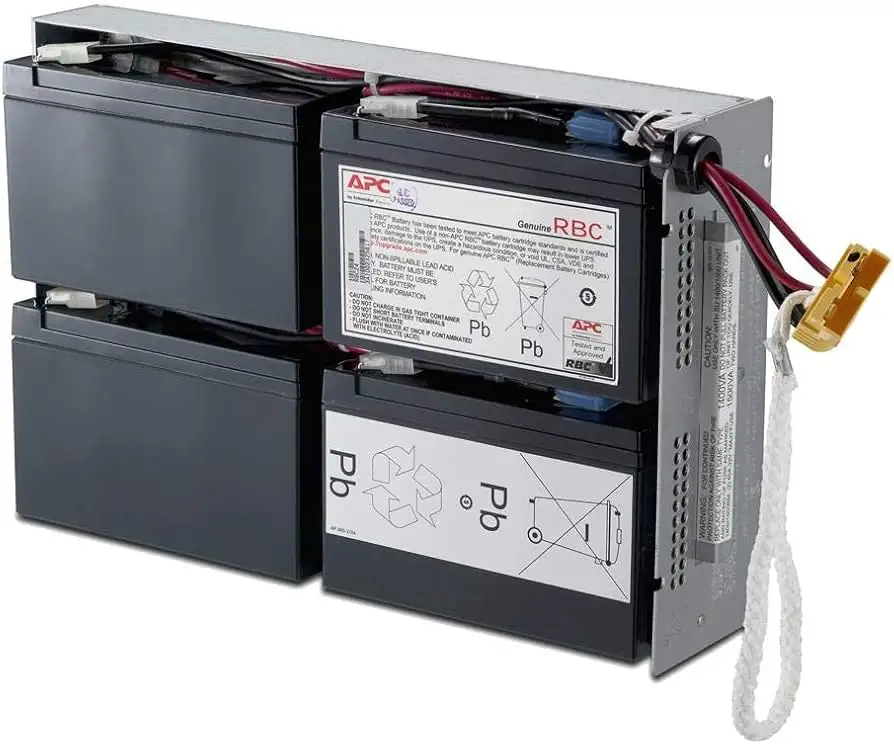
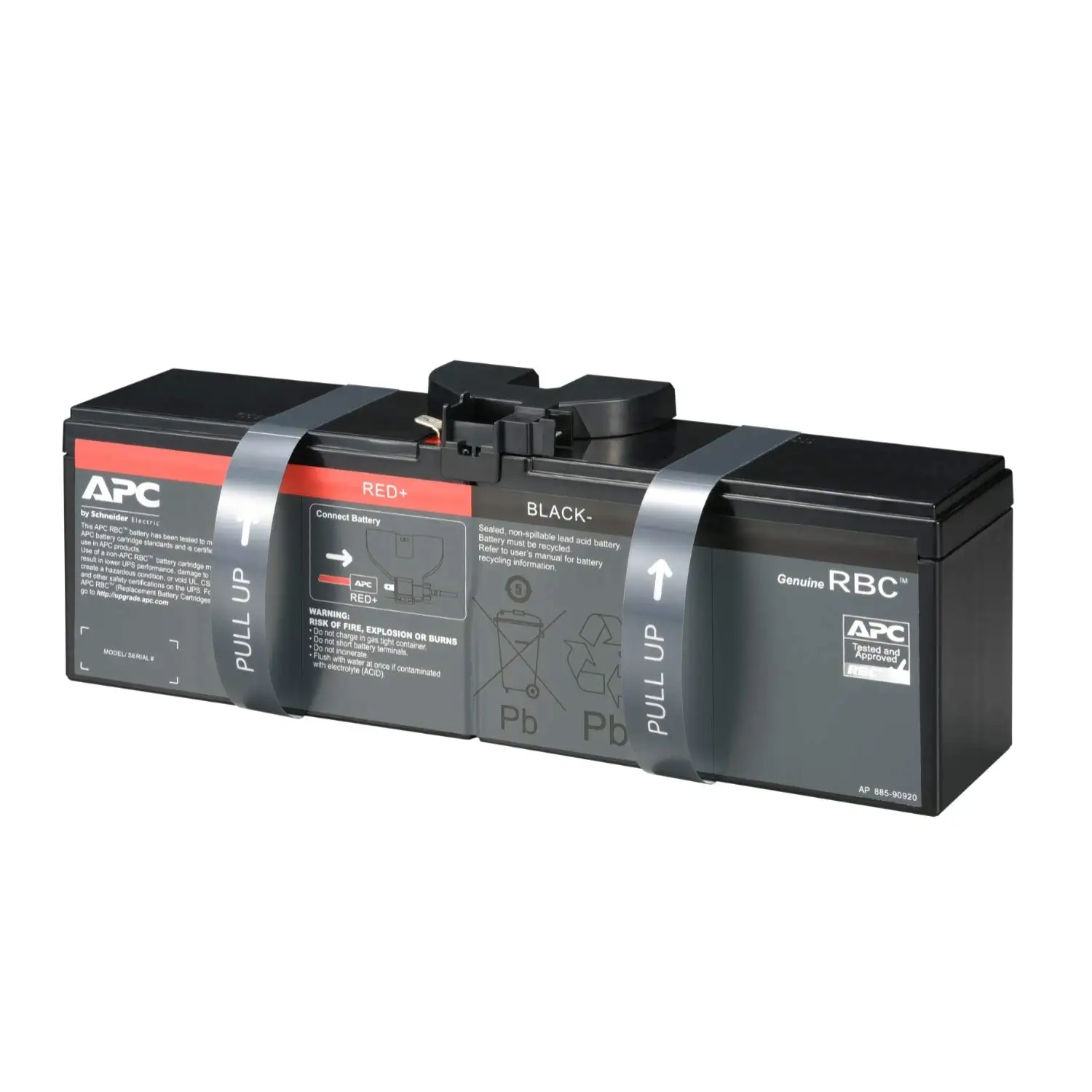
APC APCRBC124 UPS Battery Review: Great Fit, Mixed Lifespan
A surprising theme emerged across platforms: while the APC UPS Battery Replacement (APCRBC124) earns high marks for compatibility and ease of installation, its real-world lifespan often falls short of the manufacturer’s 3–5 year claim. Many long-time APC users praise its seamless hot-swap integration, but a notable portion report failures in as little as 12–24 months. Overall sentiment sits around 8/10, but durability concerns temper enthusiasm.
Quick Verdict: Conditional — Excellent for APC UPS owners needing guaranteed fit and smooth installation, but longevity may disappoint heavy or critical-use environments.
| Pros | Cons |
|---|---|
| Guaranteed compatibility with listed APC models | Lifespan sometimes under 2 years despite 3–5 year rating |
| Hot-swappable, no downtime during install | High price relative to UPS cost |
| Includes connectors, guides, and recycling packaging | Environmental concerns over lead-acid disposal |
| Backed by 2-year manufacturer warranty | Occasional fitment/connector issues reported |
| Reliable performance once installed | Some users experience rapid capacity loss |
Claims vs Reality
Marketing materials stress “hot-swap installation without downtime” and “restoring UPS performance to original specifications.” Users largely confirm this ease of use. A verified buyer on Amazon noted: “Installation was no problem. The right battery at the right time.” Reddit consensus also supports that the cartridge “slides right into compatible UPS units with clear connections.”
However, the manufacturer’s stated 3–5 year life expectancy draws skepticism. LDLC customer feedback repeatedly cites shorter spans: “Original battery was indicated to be changed after 2 years and 4 months… lifespan still seems a bit short to me.” Staples reviewers echo this, with one stating: “This will be my 3rd time replacing this battery! It has been lasting almost 4 months to the day.” While some users report exceptional longevity — up to 9 or 10 years — these are outliers.
Environmental friendliness is another marketing point, with APC promoting recycling programs and spill-free lead-acid chemistry. While users appreciate prepaid return packaging, the lead content still raises concerns. Reddit user feedback notes: “Lead-acid batteries have environmental concerns if not disposed of properly.”
Cross-Platform Consensus
Universally Praised
Ease of installation is the standout success. APC’s plug-and-play design allows even non-technical users to replace batteries without service calls. LDLC customers repeatedly describe the process as “problem-free” and “very easy to replace.” For IT managers handling multiple units, hot-swapping minimizes downtime. A Reddit contributor emphasized: “Hot-swappable design minimizes downtime during replacement.”
Compatibility with APC UPS models is another strong point. Whether in BR1500G home office setups or SMC1000-2U rackmount systems, buyers consistently report the battery being recognized instantly. This is critical for mission-critical environments — as one Newegg reviewer put it: “More practical to replace the battery module with the server staying online.”
The recycling program garners appreciation from environmentally conscious buyers. From Amazon to Quora, users value the prepaid return label and reusable packaging. APC’s claim that “almost 100% of the battery lead content is reused” is widely cited.
Common Complaints
Longevity is the most frequent complaint. While officially rated at 3–5 years, multiple platforms document much shorter service lives. Staples reviews contain extreme cases: failures in 4–8 months despite cool, dry storage conditions. Even moderate cases fall short — LDLC’s “2 years and 8 months” is still under the lower bound of the marketing claim.
Price is another sore point. At $80–$120 depending on the retailer, some note it can be “30% of the price of the device,” leading to cost concerns over repeated replacements. American Battery Company’s narrative even suggests rebuilding with generic cells to save money, though many users avoid non-OEM options to preserve warranty and compatibility.
Fitment problems, though rare, do occur. One LDLC reviewer encountered connector misalignment on a new unit, requiring manufacturer intervention. Such issues can disrupt the otherwise smooth installation experience.
Divisive Features
Durability experiences vary widely. Some claim near-decade lifespans, often in low-stress environments, while others see rapid decline. This divergence appears tied to usage patterns — frequent deep discharges and high loads accelerate wear.
Environmental impact is another split point. While APC’s recycling efforts are lauded, some feel lead-acid technology is outdated and inherently problematic. A Reddit comment summed it up: “Good that they recycle, but it’s still lead-acid — we need better chemistry.”
Trust & Reliability
Trustpilot and Reddit data show no widespread scam concerns; APC’s fulfillment and warranty service are generally reliable. The 2-year warranty is seen as fair, though some users feel it’s insufficient given premature failures. LDLC’s case of connector defects highlights APC’s responsive support, even if retailer after-sales service can falter.
Long-term durability stories vary. A few Reddit and LDLC reports of 9–10 year runs suggest that under ideal conditions — minimal outages, stable temperatures — the APCRBC124 can far exceed expectations. Conversely, Staples’ repeat short-term failures point to possible batch quality variance or environmental stressors.
Alternatives
American Battery Company offers an APCRBC124-compatible assembly for ~$84 with a 2-year warranty, claiming 20–70% savings over OEM over a UPS’s lifetime. UPS Battery Center sells compatible packs for ~$70 with a 1-year warranty. Both appeal to cost-conscious buyers, but APC warns that third-party units may affect UPS safety certifications and performance.
For users prioritizing maximum lifespan, some opt for rebuilding the cartridge with high-quality SLA cells — a practice noted in Newegg reviews, especially in data center contexts. This requires technical skill and voids OEM warranty.
Price & Value
Prices vary: APC direct and major retailers list around $85–$120, while eBay and alternative suppliers can drop to $63–$70. Resale value is negligible; these are consumables with no secondary market unless unused. Community buying tips include watching for sales on OEM parts, bulk purchasing for multi-UPS environments, and leveraging APC’s trade-in programs.
FAQ
Q: How long does the APCRBC124 really last?
A: While rated for 3–5 years, user reports vary from under 1 year to over 9 years. Lifespan depends heavily on usage intensity, environmental conditions, and power outage frequency.
Q: Can I install it myself without tools?
A: Yes. The battery is hot-swappable and fully assembled. Users confirm installation takes minutes and requires no tools.
Q: Is it safe to use third-party replacements?
A: They may work, but APC warns they could affect safety certifications and performance. Some users rebuild with quality cells to save money, but this voids the OEM warranty.
Q: How do I recycle the old battery?
A: APC provides prepaid return packaging for recycling. Many retailers also offer free drop-off services.
Q: What UPS models are compatible?
A: Officially supports BR1300G, BR1500G, BX1500M, SMC1000-2U, BR1500GI, and select others. Users advise double-checking model numbers before purchase.
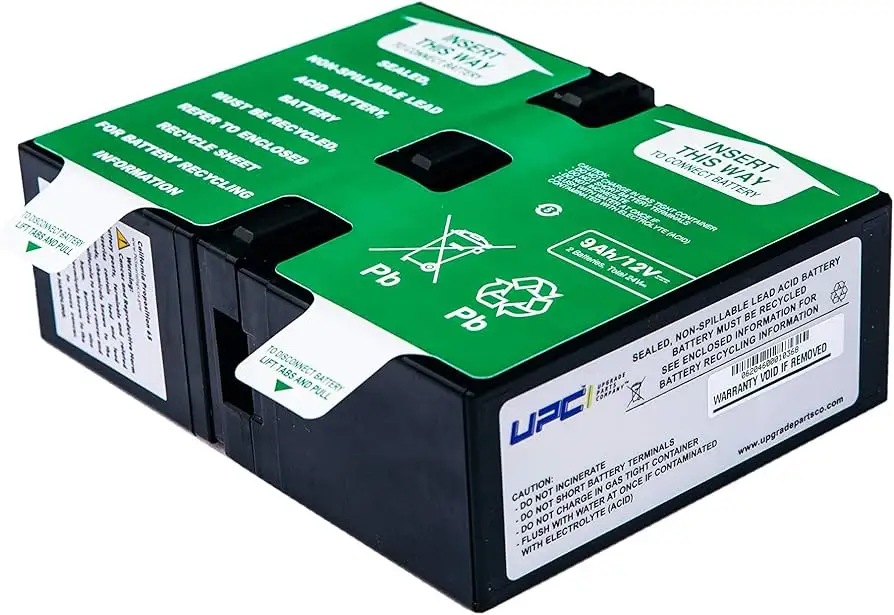
Final Verdict: Buy if you own a compatible APC UPS and value guaranteed fit, easy installation, and OEM-backed recycling programs. Avoid if you need absolute maximum lifespan in high-demand conditions — consider alternatives or rebuilds. Pro tip from community: monitor your UPS’s self-test results regularly to replace before catastrophic failure and leverage warranty if early degradation occurs.