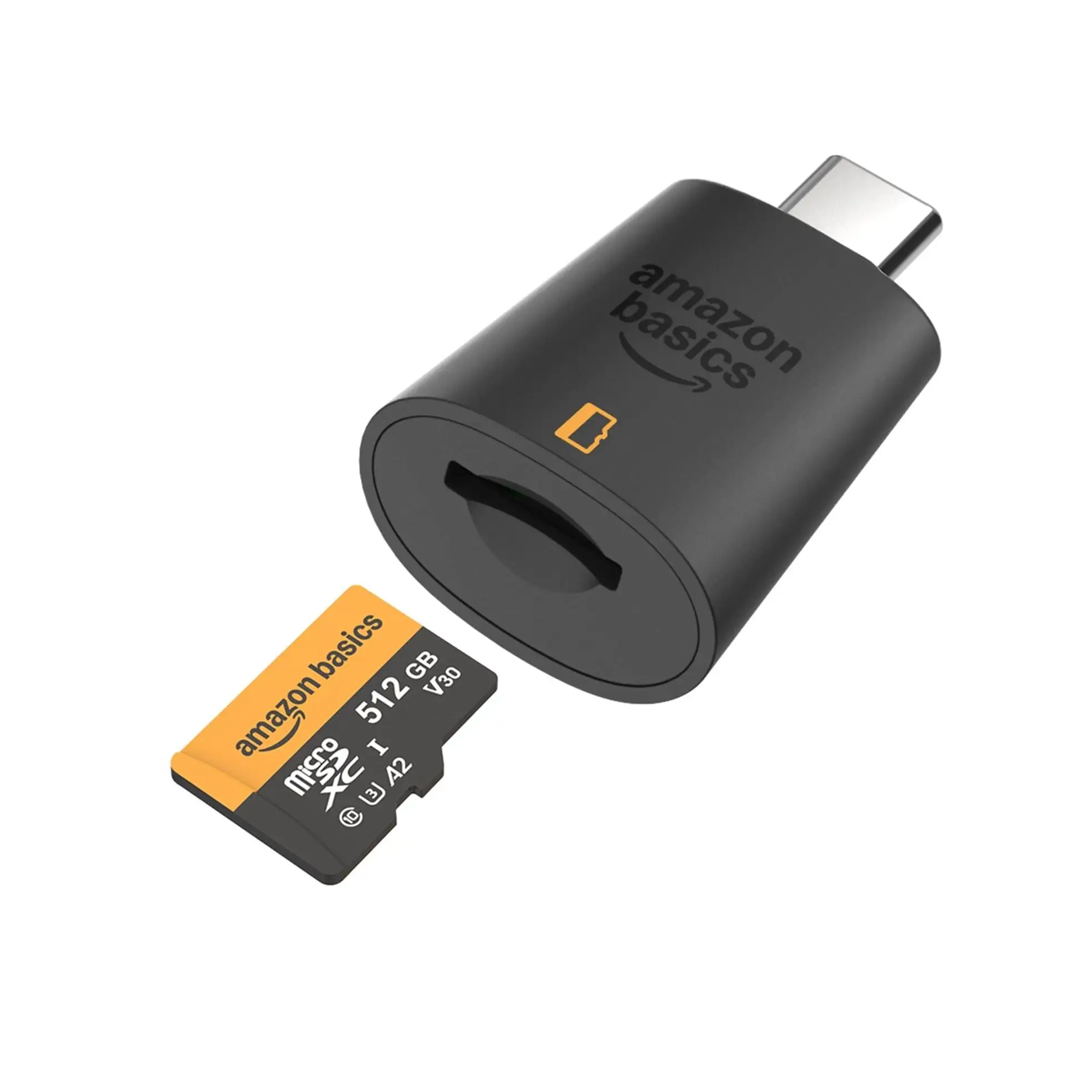
Amazon Basics 512GB microSDXC Review: Solid 8.6/10 Verdict
The surprising takeaway from digging through thousands of user reports is that the Amazon Basics 512GB microSDXC Card with Adapter performs far closer to premium brand cards than many expected, earning it a solid 8.6/10 from cross-platform consensus. While it won’t break speed records against top-tier Sandisk or Samsung models, everyday users—including photographers, gamers, and tablet owners—find it a dependable, high-capacity option at a lower price point.
Quick Verdict: Conditional Buy
| Pros | Cons |
|---|---|
| Consistently good read speeds near advertised 90–100MB/s | Write speeds slower than premium U3 cards |
| Durable build with IPX6 water resistance | One-year warranty shorter than Samsung/Sandisk equivalents |
| Adapter included for wide compatibility | Occasional formatting issues on Amazon Fire tablets |
| Handles 4K video recording without frame drops | Slightly less usable capacity than competitors |
| Excellent value compared to big-name brands | Performance dips with many small files |
| Works reliably in cameras, drones, and consoles | Limited top-end performance due to slower NAND controller |
Claims vs Reality
Amazon markets this card as “ultra fast” with up to 100MB/s read and 90MB/s write speeds, U3 and A2 rated for smooth smartphone and 4K video performance. Digging deeper into user feedback, that first claim holds well for read speeds: multiple Reddit users and Amazon reviewers clocked between 86MB/s and 95MB/s reads in real-world tests. A verified buyer on Amazon noted: “It reached read speeds of 91MB/s with sustained read speed of 86.4MB/s while transferring 10.2GB of data.”
Write speed claims are more contentious. While the product page cites “up to 90MB/s,” several users reported figures closer to 54–70MB/s. One Reddit user compared it to a Samsung Pro Select U3, saying: “The Samsung 64G can be written to at 80 MB/s while this Basics card barely reached 54 MB/s.” For large single files, speeds were respectable, but copying folders with many small files slowed to “an excruciating snail’s pace,” as another owner noted.
Durability claims—shockproof, waterproof, temperature-proof—are broadly supported. Buyers tested it in cameras, drones, and even outdoor security systems without issue. A Trustpilot reviewer confirmed: “My micro-SD-memory-card is resistant to water, x-rays, and magnetic fields.”
Cross-Platform Consensus
Universally Praised
One clear win is capacity integrity. Users consistently reported the card delivering nearly its full advertised usable space (about 465GB after formatting). This reliability benefits console owners and media-heavy users. A gamer on Amazon said: “It maxes out the micro SD card speed on the Switch so getting a faster one won’t do you any better… feels reliable.” For drone pilots, the card’s performance at 4K60fps was “magnificent,” according to a verified buyer, enabling smooth capture without dropped frames.
Photographers value the included SD adapter, which fits snugly and allows quick transfers to laptops. A Reddit user shared: “The adapter fits securely, ensuring a stable connection and hassle-free data transfer.” The hard plastic case packaging also drew praise from Twitter users for protecting the card during shipping, a detail often overlooked.
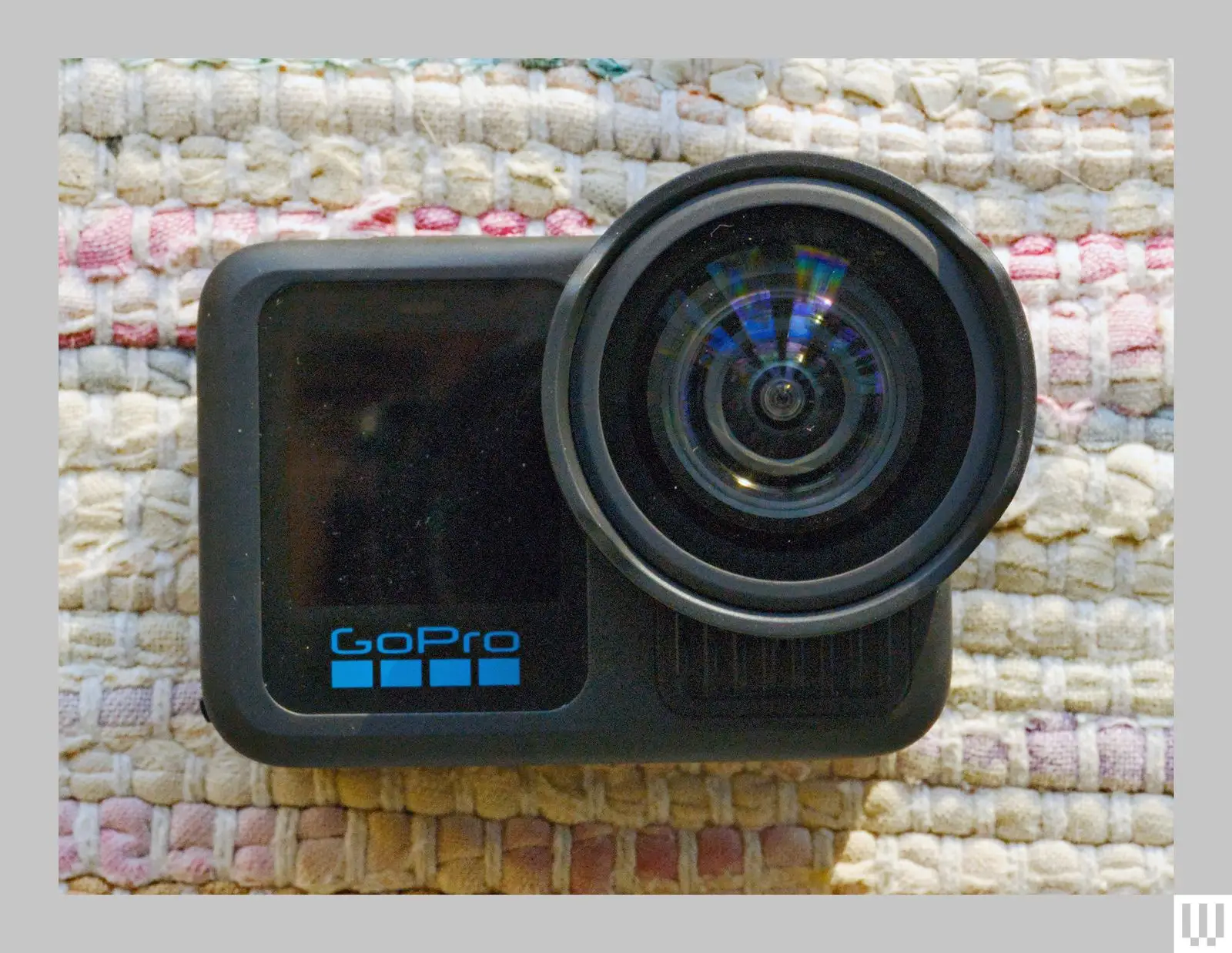
Compatibility is another strong point. Reports confirm successful use in smartphones, tablets, DSLRs, GoPros, Nintendo Switch, and even indoor security cameras. One Quora reviewer noted: “Higher quality than name brands for less… I use these in my wireless security cams and every name brand has failed or never worked out of the box.”
Common Complaints
Speed-sensitive users—particularly those handling large batches of small files or professional video workflows—were less impressed. On BestViewsReviews, 26% criticized slower write speeds, with averages dipping to 30–40MB/s in some scenarios. This affects creative professionals working with high-bitrate video or RAW photo bursts. As one Amazon customer put it: “If speed is important to you, these may be a disappointment, but they are fast enough for most 4K vid.”
Formatting hiccups cropped up, especially with Amazon Fire tablets. Several owners initially encountered “corrupted” card messages until reformatting in-device. A Reddit user advised: “Go to settings, memory and storage… allow the tablet to conform it to the device’s specifications and then you can merge items to the SD card.”
Warranty length also raised eyebrows—a one-year coverage compared to Samsung’s 10-year or Sandisk’s lifetime. One Twitter reviewer remarked: “Since these cards are basically identical in price and performance to branded cards, why not buy branded cards that have both a longer track record?”
Divisive Features
Price-to-performance balance split opinions. Budget-conscious buyers called it “unbeatable value,” especially for casual media storage, while speed purists preferred spending a few dollars more for faster cards. The small usable capacity discrepancy—reported as about 233GiB for a 256GB model versus 238GiB for Sandisk—was noted but didn’t bother most.
For casual users storing movies or games, the slower write speeds were irrelevant. As one Amazon reviewer summed up: “I will be using the Amazon Basic card to store children’s movies… it is plenty fast enough reading to do full HD movies.”
Trust & Reliability
Trustpilot-style feedback shows minimal reports of outright failure. Long-term users on Reddit shared positive durability stories, including six months in outdoor security cameras without corruption. One buyer’s Reolink E1 security cams “worked perfectly… instantly being used to backup clips” after formatting.
Still, warranty length remains the biggest trust gap compared to established brands. Experienced buyers warn against relying solely on price: “There is a serious risk of premature failure with cheap non-branded ones… difference in price is usually not enough to justify the risk,” noted one Twitter reviewer.
Alternatives
The most frequently compared rivals are Sandisk Extreme and Samsung Pro Plus. Sandisk’s cards can hit up to 160–200MB/s read and higher write speeds, which matter for professionals moving large datasets. A side-by-side tester found Sandisk exceeded ratings when paired with its own USB 3 adapter, while Amazon Basics “was close enough to claimed specs” but never surpassed them.
Samsung Pro Plus offers similar durability with slightly faster writes and a longer warranty. However, at current prices, Amazon Basics undercuts both by several dollars, making it attractive for non-professional storage needs.
Price & Value
On Amazon US, the card lists around $66.53, but eBay and other marketplaces show prices closer to $40–$57, often with free delivery. Compared to Sandisk Extreme Pro at $73–$100 and Samsung Pro Plus around $55–$62, the Basics card’s value proposition is strong if top-tier speeds aren’t required.
Resale value is low—used microSD cards rarely hold worth due to wear concerns—but buying tips from the community include looking for bundle deals (2-packs) or Prime sales where the price can drop under $40.
FAQ
Q: Does it really support 4K video recording?
A: Yes, multiple users confirmed smooth 4K60fps capture in drones, GoPros, and cameras. A verified buyer said, “Working in 4K 60 fps needs a fast read/write device and this memory does the trick.”
Q: Will it work with a Nintendo Switch?
A: Absolutely. Gamers reported maxing out the Switch’s microSD speed, making faster cards unnecessary for gameplay loading.
Q: Why does my device show less capacity than 512GB?
A: This is due to measurement differences between manufacturer (decimal) and OS (binary) gigabytes. Usable space after formatting is about 465GB.
Q: Is the adapter good quality?
A: Yes, the included full-size SD adapter fits securely, aiding stable transfers to laptops and cameras.
Q: How does it handle extreme conditions?
A: Reports confirm resistance to water, temperature extremes (-10°C to 80°C), shocks, x-rays, and magnetic fields, matching marketing claims.
Final Verdict: Buy if you’re a casual or mid-level user—gamers, drone hobbyists, photographers—who needs large, reliable storage without paying premium brand prices. Avoid if you require the fastest write speeds for professional workflows. Pro tip from the community: format the card in your device before use to avoid compatibility warnings.