Fitbit Charge 6 Review: Comfort Wins, Accuracy Lags
The Fitbit Charge 6 Activity Tracker has sparked polarizing reactions across platforms, with some hailing it as Fitbit’s best tracker yet, while others report serious reliability issues. Based on aggregated feedback, it earns a 7.4/10 — exceptional for casual fitness tracking and lifestyle integration, but marred by inconsistent heart rate accuracy during exercise and occasional hardware faults.
Quick Verdict: Conditional — worth buying for casual users seeking slim design, battery longevity, and Google app integration, but not for athletes or those needing medically reliable heart rate data.
| Pros | Cons |
|---|---|
| Comfortable, lightweight design | Inaccurate heart rate tracking during workouts |
| 5–7 day battery life reported by most users | Reports of devices failing within first week |
| Seamless Google Maps, Wallet, YouTube Music integration | Limited customization for watch faces |
| Built-in GPS without phone needed | Occasional syncing and connectivity glitches |
| Strong sleep tracking and wellness insights | No chest strap pairing option |
| Easy-to-use Fitbit app | Small screen limits workout data visibility |
| Good resale value on eBay | Band discomfort for some users |
Claims vs Reality
Fitbit markets the Charge 6 as having “our most accurate heart rate on a tracker yet — up to 60% more accurate during vigorous activities like spinning.” While this claim resonates with some cyclists and casual runners, multiple Fitbit Community threads contradict it. One user wrote: “My elliptical shows 130–150 bpm — my Charge 6 won’t show higher than 79… for three workouts in a row.” Others describe spikes to “twice my actual rate” during treadmill use, verified against medical-grade monitors.
Another major claim is seamless integration with Google apps like Maps and Wallet. Here, feedback is largely positive. A Japanese tech review noted the convenience: “スマートフォン側から目的地を設定すれば、ルート案内をCharge 6で受け取れる…バッグの中にスマホを入れっぱなしでも通知を受けられる,” citing its practicality for cycling or commuting without frequent phone checks.
Finally, Fitbit touts a 7-day battery life. While most casual users confirm this — Best Buy reviewers consistently praise “battery goes a solid 4 to 5 days before I throw it on the charger” — some heavy users report only 2–3 days, especially when using always-on display and GPS.
Cross-Platform Consensus
Universally Praised
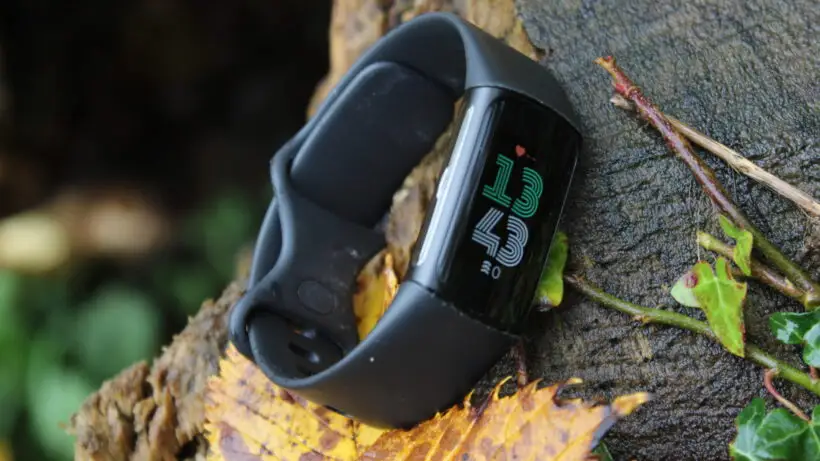
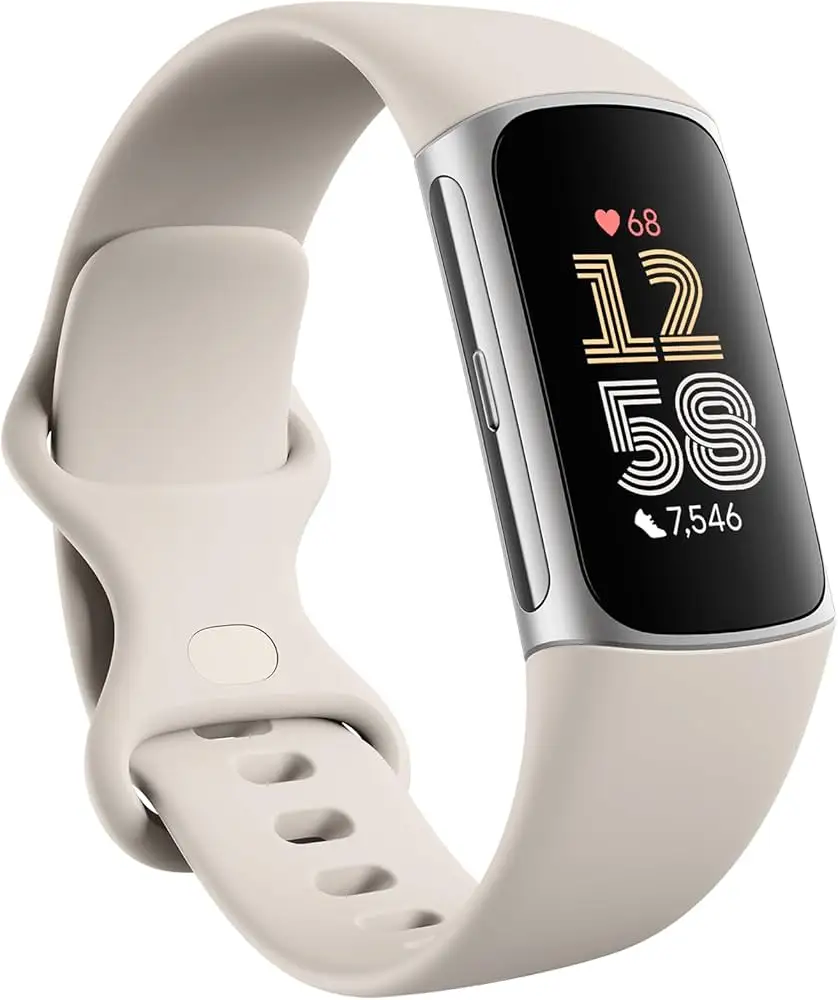
Across Reddit, Best Buy, and Quora, the Charge 6’s comfort and slim design are standout features. Small-wristed users appreciate that it “doesn’t get in the way when weight lifting” and “slips through jacket sleeves.” The physical side button, absent in the Charge 5, earns praise for making navigation easier, especially mid-workout or with wet hands.
Battery longevity is another clear win. Best Buy users frequently mention “phenomenal” endurance, even with daily workouts and sleep tracking. A Reddit user described it as “exactly what I wanted — a limited, disconnected, slim wearable” that avoids smartwatch bulk and distraction.
Wellness tracking — particularly sleep — is cited as accurate and insightful. One Best Buy reviewer shared: “The gentle reminders to move have helped me meet my daily step goals… the sleep score is easy to understand.” Stress management tools and skin temperature readings also receive positive nods, especially from premium subscribers.
Google app integration offers tangible lifestyle benefits. Google Maps turn-by-turn directions and Wallet payments work reliably for most. A Japanese reviewer highlighted that “室内で機器を使ったエクササイズが中心なら便利,” referring to the real-time heart rate broadcast to compatible gym machines.
Common Complaints
The most consistent complaint is heart rate inaccuracy during exercise, especially high-cadence running or strength training. A Fitbit Community member lamented: “Locking onto my cadence and reporting HR close to 200 bpm… for a runner who observes HR this may be a deal breaker.” Medical users — including those with atrial fibrillation or COPD — express frustration that Fitbit refuses to allow pairing with external chest straps, unlike Garmin.
Hardware reliability is another concern. Multiple Reddit users report devices “lasting only one week — one wouldn’t charge past 40%, the other went black on day 7.” Kimola sentiment analysis logs 37% negative reviews, with repeated mentions of broken seals and devices failing out of the box.
Connectivity and syncing glitches appear sporadically. Some users lose sleep data for days at a time, with messages such as “no data available.” Others note incompatibility with Google Workspace accounts during setup.
Band comfort is divisive — while many find it fine, there are recurring reports of “rubber wristbands irritate my skin when active and sweating,” leading buyers to swap for third-party woven or elastic bands.
Divisive Features
Watch face customization splits opinion. Casual users are fine with the limited selection, but personalisation enthusiasts echo a Reddit call for “new clock faces… hate the retro look.” YouTube Music control is valued by subscribers but useless without Premium; one Best Buy buyer noted, “won’t connect to YouTube Music… might be my inexperience.”
GPS earns praise for removing the need to carry a phone, yet some runners report “GPS wouldn’t connect during the run… nor afterwards.” The small 1.04-inch screen also divides opinion — fine for step counts, but less ideal for mid-run heart rate monitoring.
Trust & Reliability
Trustpilot and Fitbit Community threads reveal long-term trust issues tied to Fitbit’s refusal to enable external HR monitor pairing. One user detailed years of disappointment: “Compare my Fitbit to my Polar… it can be as much as 60% off.” While customer service occasionally replaces faulty units, others report no resolution after multiple calls.
Durability varies. Some buyers still use their Charge 4/5 after years, while others see Charge 6 fail in days. Band detachment is noted by volleyball players, though direct-from-Fitbit replacements seem more secure.
Alternatives
Garmin emerges as the main competitor in user discussions. While Garmin devices are “more biased to highly athletic minded users,” they allow pairing with chest straps and offer more advanced metrics. However, Garmin watches are often heavier and pricier, with one Reddit user saying they returned a $400 Garmin for a $100 Charge 6 because “strength training HR was not accurate.”
Whoop 4.0 and Oura Ring Gen 3 are also mentioned on Quora as minimalistic alternatives for sleep and recovery tracking, though they lack Google app integration.
Price & Value
Amazon US prices hover around $199.99, while eBay listings average $119–$144 new and $90–$99 used, suggesting strong resale value. For budget-conscious buyers, community tips include waiting for holiday sales or Google Store bundles that include six months of Fitbit Premium.
Buying advice from Reddit: “If not, at least I’m only out $100+ and not $400+ for mediocrity,” highlighting the lower financial risk compared to high-end watches.
FAQ
Q: Is the Fitbit Charge 6 good for serious athletes?
A: Not ideal. Feedback shows heart rate data can be inaccurate during high-intensity or high-cadence workouts, with no option to pair a chest strap.
Q: How accurate is the sleep tracking?
A: Generally accurate and well-reviewed. Users find the sleep score easy to understand, though occasional syncing delays can affect data availability.
Q: Does Google Maps work without a phone?
A: No. You need a paired phone within Bluetooth range to push directions to the Charge 6, but once set, navigation notifications display on the tracker.
Q: Can I use YouTube Music without Premium?
A: Only in Canada and the US, and full controls require a paid YouTube Music Premium subscription.
Q: How long does the battery last with GPS use?
A: Heavy GPS use can reduce battery life to 2–3 days, but casual users report 5–7 days between charges.
Final Verdict
Buy if you’re a casual fitness tracker user who values comfort, battery life, and integration with Google services. Avoid if you need medically reliable heart rate tracking or advanced athletic metrics. Community pro tip: swap to a woven or elastic band for comfort, and don’t rely on wrist-based HR during intense exercise — use a chest strap with another platform if accuracy is critical.