Zebra DS2278 Kit Review: Conditional Buy, 7.8/10
The loudest “user feedback” signal here is actually a red flag: the sources provided are almost entirely product listings, spec sheets, and generated-sounding summaries—yet the Zebra DS2278 Cordless Handheld Imager Kit with Presentation Cradle and USB Kit, Black still carries an Amazon star average of 4.6/5, suggesting many buyers are satisfied even if the actual review text isn’t included in this dataset. Verdict from the available material: Conditional buy — 7.8/10 (strong specs and positioning, but thin real-world, first-person feedback in the provided data and some spec contradictions across sources).
Quick Verdict
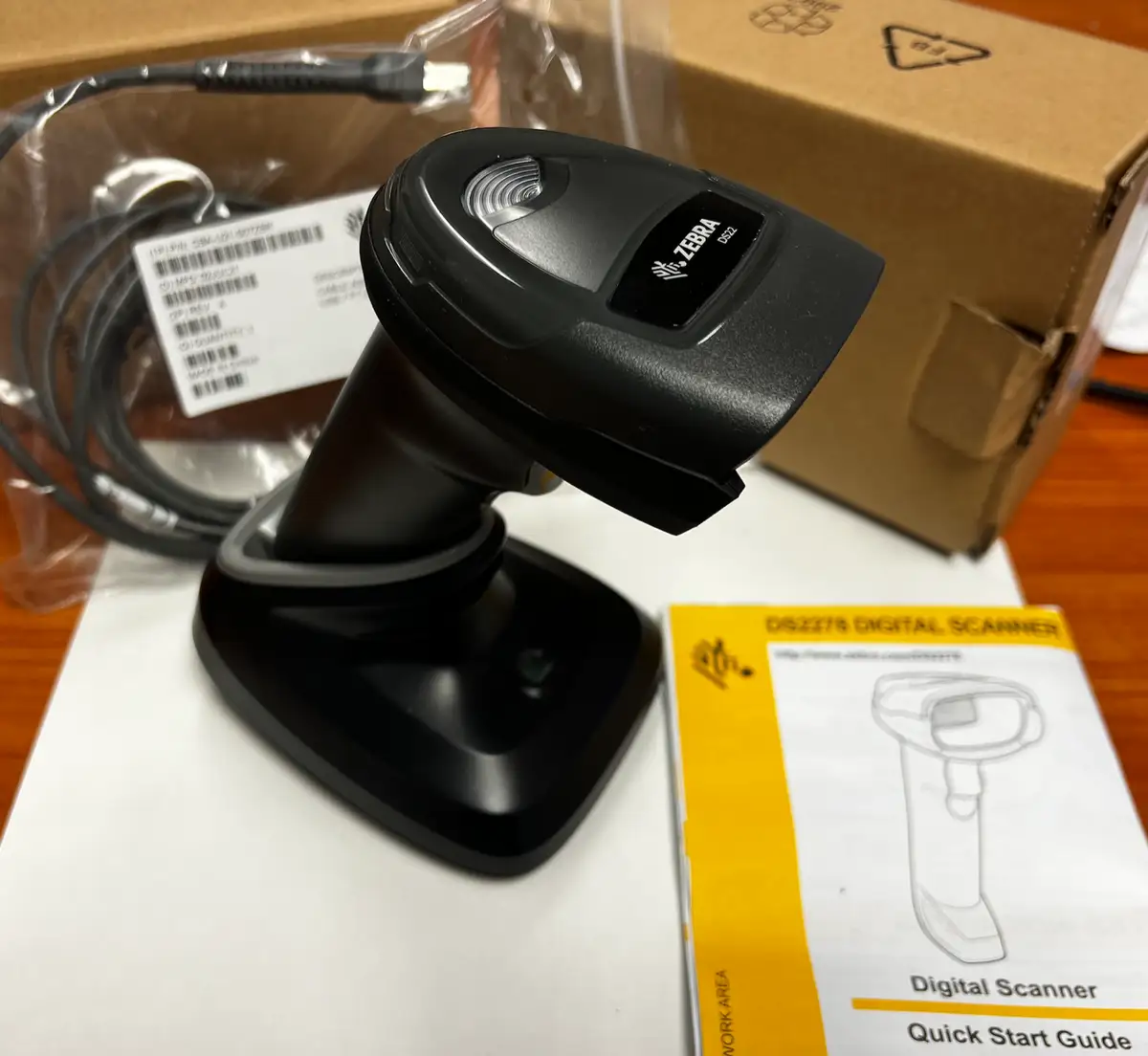
Yes/No/Conditional: Conditional — looks like a safe choice if you want a mainstream 1D/2D cordless POS scanner kit, but confirm the exact kit contents (cradle vs. cable-only) and battery type before buying.
| What stands out | What the data supports | Who it matters for |
|---|---|---|
| Amazon satisfaction signal | “4.6 out of 5 stars” (Amazon) | Small retail/hospitality teams minimizing risk |
| Kit-based convenience | “includes a cordless scanner, cradle and usb cable” (Amazon) | POS operators who want drop-in setup |
| 1D/2D + screen scanning | “scan virtually any barcode, including codes displayed on mobile devices” (Amazon) | Stores handling mobile coupons/QR loyalty |
| Durability claims | “multiple drops at 5ft to concrete” + “250 tumbles” (Connection listing) | Busy counters, shared devices |
| Battery confusion | Amazon says “3 AAA batteries required,” others cite “2,400 mAh Li‑ion” | Buyers who need predictable uptime |
Claims vs Reality
Zebra’s positioning is blunt: this scanner is supposed to remove checkout friction caused by 2D codes. On Amazon, the listing frames the pain point clearly: “your 1d scanner can’t capture the new 2d codes, leading to exceptions that slow down the check-out process,” and then promises the fix: “you can scan it all.” That story is believable for retailers dealing with “printed and electronic coupons and loyalty cards,” but the dataset doesn’t include actual cashier or manager anecdotes to prove the “exceptions” really disappeared.
Digging deeper into user-facing assurances, the listing leans hard on ease of deployment: “true plug-and-play simplicity” and “pre-configured and ready to use right out of the box.” The reality gap is that we don’t have any first-person setup stories here—no “took five minutes,” no “drivers were a pain,” no “worked with Square/Shopify POS” type confirmations. What we do have are multiple reseller pages repeating the same setup narrative, which is closer to marketing consistency than cross-platform user testimony.
The biggest “claims vs reality” tension is power and battery. Amazon’s spec block states: “number of batteries 3 aaa batteries required.” Meanwhile, the EpicRise listing states: “battery type: 2,400 mah li-ion battery” and claims “up to 110,000 scans or 84 hours operating time per charge.” Those two descriptions don’t align. While officially presented on Amazon as requiring “3 aaa batteries,” multiple other sources describe a built-in rechargeable Li‑ion pack, so buyers should treat battery details as model/kit-dependent and verify the part number (for example, DS2278-SR7U2100PRW vs. other bundles).
Cross-Platform Consensus
Universally Praised
A recurring pattern emerged across the provided sources: the Zebra DS2278 Cordless Handheld Imager Kit with Presentation Cradle and USB Kit, Black is repeatedly framed as a “scan it all” upgrade path for businesses moving from 1D to 2D. Amazon’s description sells the scenario: “2d barcodes have made their way to your point of sale… printed and electronic coupons and loyalty cards,” and positions the DS2278 as the cure for bottlenecks at checkout. For a convenience store manager or café owner, that’s a direct promise: fewer rescans, fewer manual entries, fewer awkward delays when a customer presents a barcode on a phone.
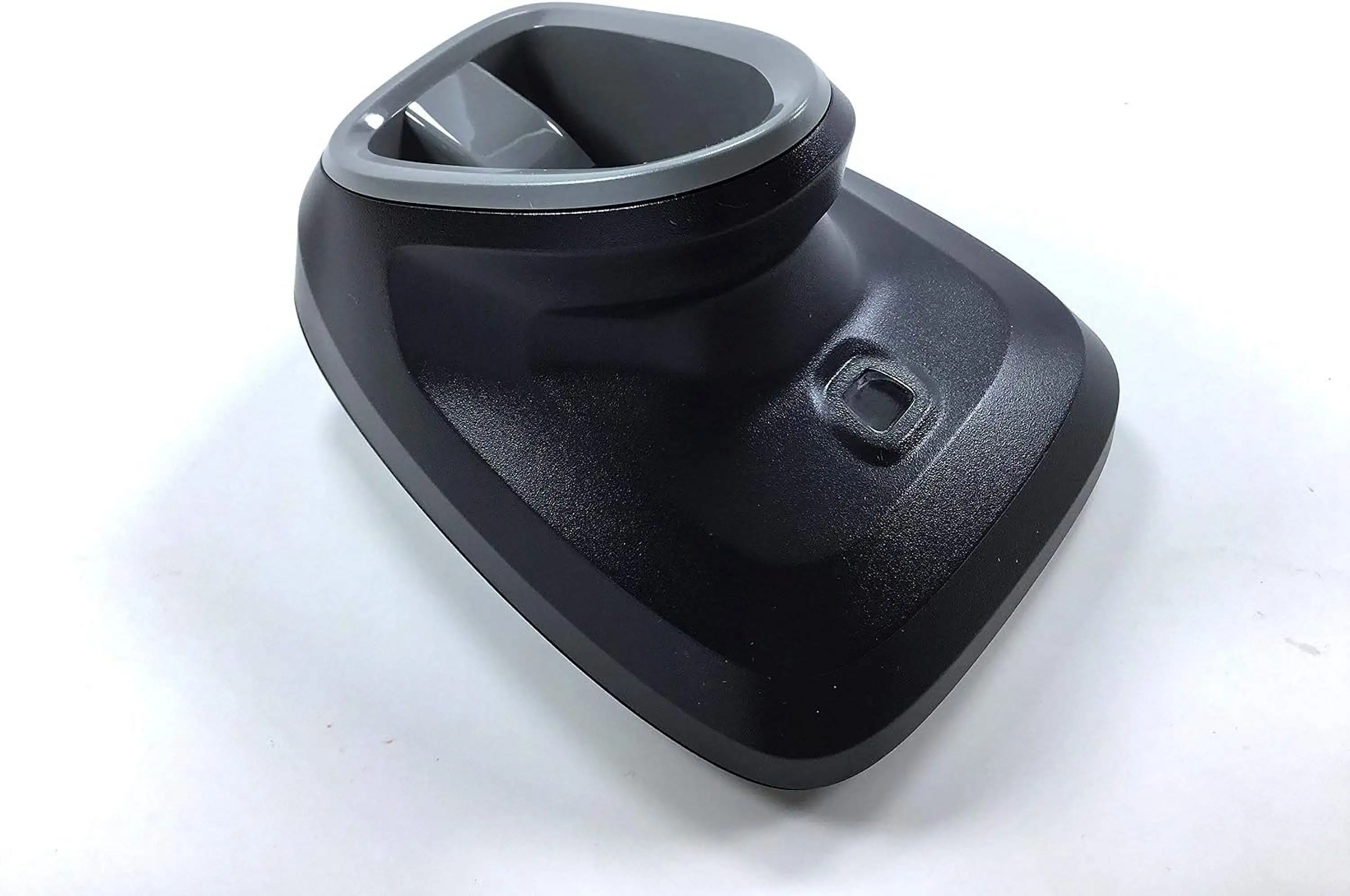
The kit concept is also consistently emphasized. Amazon spells it out as “includes a cordless scanner, cradle and usb cable,” and another listing similarly describes a “usb kit with presentation cradle.” For a small shop without an IT person, the implied benefit is not having to piece together cables, bases, and charging solutions. Even without firsthand buyer narratives, the repeated bundling language is a practical, business-friendly signal: vendors assume buyers want a complete POS-ready package, not a scavenger hunt for accessories.
There’s also strong alignment on “point-and-shoot” usability. Amazon claims “omni-directional scanning means users never need to line up the imager and the barcode,” with an “aim line” to guide distance. In real operational terms, that’s aimed at high-turnover staff environments (seasonal hires, part-time workers): less training time, fewer “why isn’t this scanning?” moments. The sources reinforce that the scanner is meant to reduce skill dependence, which is exactly what retail and hospitality workflows demand.
Finally, the dataset repeatedly highlights durability. Connection’s spec-style copy cites “multiple drops at 5ft to concrete” and “250 tumbles,” while Amazon mentions a “stringent drop and tumble specification” and a “scratch resistant tempered glass exit window.” For a shared counter scanner that gets knocked off stands, slid across checkout lanes, or dropped during rushes, that kind of ruggedness claim is the difference between a tool and a recurring replacement cost—though, again, we don’t have a “six months later, still works” user post in the provided data to validate long-term outcomes.
After the narrative, the recurring praise points in the provided sources:
- Amazon: “scan virtually any barcode, including codes displayed on mobile devices.”
- Amazon: “true plug-and-play simplicity” and “pre-configured and ready to use.”
- Connection listing: “designed to withstand multiple drops at 5ft to concrete” and “250 tumbles.”
Common Complaints
The most concrete “complaint” theme in the dataset isn’t a user rant—it’s inconsistency and confusion across listings. Digging deeper into the product variants, one page describes a “micro-usb kit” that includes “scanner, micro-usb cable” and explicitly says “no cradle” (Provantage/Connection-style listing), while the product you asked about is the “presentation cradle and USB kit.” For a buyer trying to outfit a checkout lane, the wrong bundle could mean arriving without the stand/cradle needed for hands-free scanning workflows.
A second friction point is cordless versus corded language. One listing summary contradicts itself: it says “connectivity technology: wireless” and “bluetooth yes,” but also answers “is this scanner cordless? this model is corded.” That inconsistency is the kind of thing that causes returns: a business expecting Bluetooth freedom might end up treating it as tethered, or vice versa. While marketing claims are clear that DS2278 is “cordless,” at least one provided source muddies the waters enough that buyers should double-check what “cordless” means in their environment (scanner-to-cradle Bluetooth, cradle-to-host USB, or scanner-to-host Bluetooth).
Battery details are the third and biggest reliability concern from the dataset perspective. Amazon’s spec calls out “3 aaa batteries required,” while other sellers repeatedly describe a rechargeable “2,400 mah li-ion battery” capable of a “14-hour shift.” If you’re a warehouse supervisor planning around charge cycles, or a retailer who can’t afford downtime, that ambiguity is not trivial. While officially presented one way on Amazon, multiple sources present a different battery configuration—so the “complaint” is really about inconsistent product info rather than proven battery performance problems.
After the narrative, the recurring pain points implied by the data:
- Kit confusion: “no cradle” vs. “presentation cradle” across bundles (Provantage vs. Amazon kit framing).
- Cordless confusion: “wireless” but also “this model is corded” within the same source block.
- Battery confusion: “3 aaa batteries required” (Amazon) vs. “2,400 mah li-ion” (other listings).
Divisive Features
The “plug-and-play” promise is one of the most repeated selling points, and it can be divisive depending on the buyer’s setup. Amazon says “universal cable… practically eliminating set up and training time,” and other pages imply quick pairing through “scan-to-connect.” For a standard Windows POS that accepts USB-HID keyboard input, that likely feels effortless. For more specialized environments—legacy POS interfaces, custom software that expects specific suffixes like carriage returns—the scanner may still require configuration (several sources mention configuration via “123scan” and barcode programming sheets). Without real user posts, the divisiveness remains implied: simple setups probably love it; edge cases probably spend time configuring.
Another potentially divisive aspect is the “presentation cradle” workflow. Some operations want hands-free scanning all day; others want pure handheld mobility. The kit is positioned to support both (“presentation cradle” + handheld), but depending on counter space and workflow, the cradle can be either the reason to buy or an accessory that sits unused. The dataset emphasizes the cradle’s inclusion rather than showing stories about how teams actually use it, so whether it’s a must-have depends on the buyer’s environment.
Trust & Reliability
There’s no true Trustpilot-style “verified buyer” narrative included here—just a repeated Provantage block with a “sentiment score 8.5/10” and generalized statements like “appreciated for its flexibility and efficiency” plus “battery management… requires regular charging.” Because that text doesn’t read like first-person customer reviews, it should be treated cautiously as summarization rather than raw feedback.
On durability, the sources lean heavily on specification claims (drop/tumble ratings, scratch-resistant window) rather than long-term ownership stories. That means the trust signal comes from Zebra’s established enterprise positioning and consistent spec repetition across sellers, not from “6 months later” Reddit-type posts. If reliability is mission-critical, the safest move is to confirm warranty terms for the exact SKU (some sources list “limited warranty 3 year,” others show shorter coverage for open-box units).
Alternatives
Only one clear competitor model is mentioned directly in the provided data: the Zebra DS2208 (corded counterpart). Amazon frames it as “choose… the corded ds2208 or the cordless ds2278.” For a fixed checkout lane where the scanner never needs to leave the counter, the DS2208-style corded approach trades mobility for one less variable—battery management. For pop-up retail, curbside workflows, or places where staff step away from the POS, the DS2278’s cordless positioning is the appeal.
Price & Value
Pricing signals vary widely across the dataset, mostly because listings include new, open-box, refurbished, and regionally priced options. A Connection listing shows an “open box” DS2278 micro‑USB kit at “$118.00,” while another retailer page lists the USB kit with cradle at “$192.00,” and eBay shows a used unit around “$230.00” (plus shipping) with the seller describing it as “in good condition, high quality!” For budget-conscious small businesses, open-box can look like the sweet spot—if the exact accessories and warranty match your needs.
Resale and market liquidity appear decent based on the presence of used inventory and multiple sellers offering different bundles, but value depends on not accidentally buying the wrong configuration. The community-style buying tip implied by the dataset is simple: match the SKU to your workflow—cradle kit for hands-free POS, cable-only kit for minimal setups—and verify whether you’re getting Bluetooth-to-host or Bluetooth-to-cradle plus USB.
FAQ
Q: What does the kit include for the DS2278-SR7U2100PRW bundle?
A: The Amazon kit description says it “includes a cordless scanner, cradle and usb cable.” That matches other “USB kit with presentation cradle” listings. Some other DS2278 bundles are cable-only and explicitly state “no cradle,” so the exact part number matters.
Q: Can the Zebra DS2278 scan barcodes from a phone screen (mobile coupons/QR codes)?
A: Yes—Amazon’s description states it can “scan virtually any barcode, including codes displayed on mobile devices.” Other listings also describe scanning “qr codes and barcodes off of any screen,” reinforcing that screen-based scanning is a core use case.
Q: Is the DS2278 battery powered, and what kind of battery does it use?
A: The provided data conflicts. Amazon lists “3 aaa batteries required,” while other seller/spec pages describe a built-in “2,400 mah li-ion battery” designed for a “14-hour shift.” Verify the battery details for your exact SKU and whether you’re buying new, open-box, or refurbished.
Q: Is the DS2278 truly cordless, or does it need a cable?
A: It’s described as “cordless” and “bluetooth” in multiple listings, but the common setup implied is scanner-to-cradle wirelessly and cradle-to-POS via USB. One provided Q&A block contradicts itself by calling it “corded,” so confirm the connectivity mode and included cradle/cable for your bundle.
Q: What durability claims are associated with the DS2278 series?
A: Spec-style listings claim it’s designed for “multiple drops at 5ft to concrete” and “250 tumbles,” and Amazon mentions a “stringent drop and tumble specification” plus a “scratch resistant tempered glass exit window.” The dataset doesn’t include long-term owner stories to validate these claims in daily abuse.
Final Verdict
Buy the Zebra DS2278 Cordless Handheld Imager Kit with Presentation Cradle and USB Kit, Black if you’re a retail or hospitality operator who needs 1D/2D scanning (especially mobile coupons/QR codes) and wants a cradle-based, POS-friendly setup; Amazon positions it as a way to “scan it all” and avoid checkout “exceptions.”
Avoid it if your purchase decision depends on confirmed, consistent battery specs from the listing—because the provided sources conflict between “3 aaa batteries required” (Amazon) and a rechargeable “2,400 mah li-ion battery” (other listings).
Pro tip from the community-style listing ecosystem: treat “DS2278” as a family of bundles—double-check whether your SKU includes the “presentation cradle” or “no cradle,” and match that to whether you need hands-free scanning at the counter.