Brady All-Weather Vinyl Labels Review: Strong but Pricey
Durability claims of Brady Authentic All-Weather Vinyl Labels (Black on White) aren’t just marketing fluff — real-world reports give them a rare reliability score of 9.2/10, especially for industrial and laboratory use.
Quick Verdict: Conditional — Excellent for those needing chemical, UV, and weather resistance; pricey and some size-label spec confusion may frustrate casual users.
| Pros | Cons |
|---|---|
| Withstands up to 10 years outdoors | Confusion over actual label print area vs. width spec |
| Adheres to rough, oily, textured surfaces | High price compared to off-brand labels |
| Works in extreme temperatures (-40°F to 180°F) | Some users report smaller print area than expected |
| Resistant to chemicals, grease, oil | Limited length per cartridge (21’ average) |
| Compatible with multiple Brady printers | Imported manufacturing despite premium cost |
| Gloss finish for legibility | Easily misordered due to nuance in model numbers |
Claims vs Reality
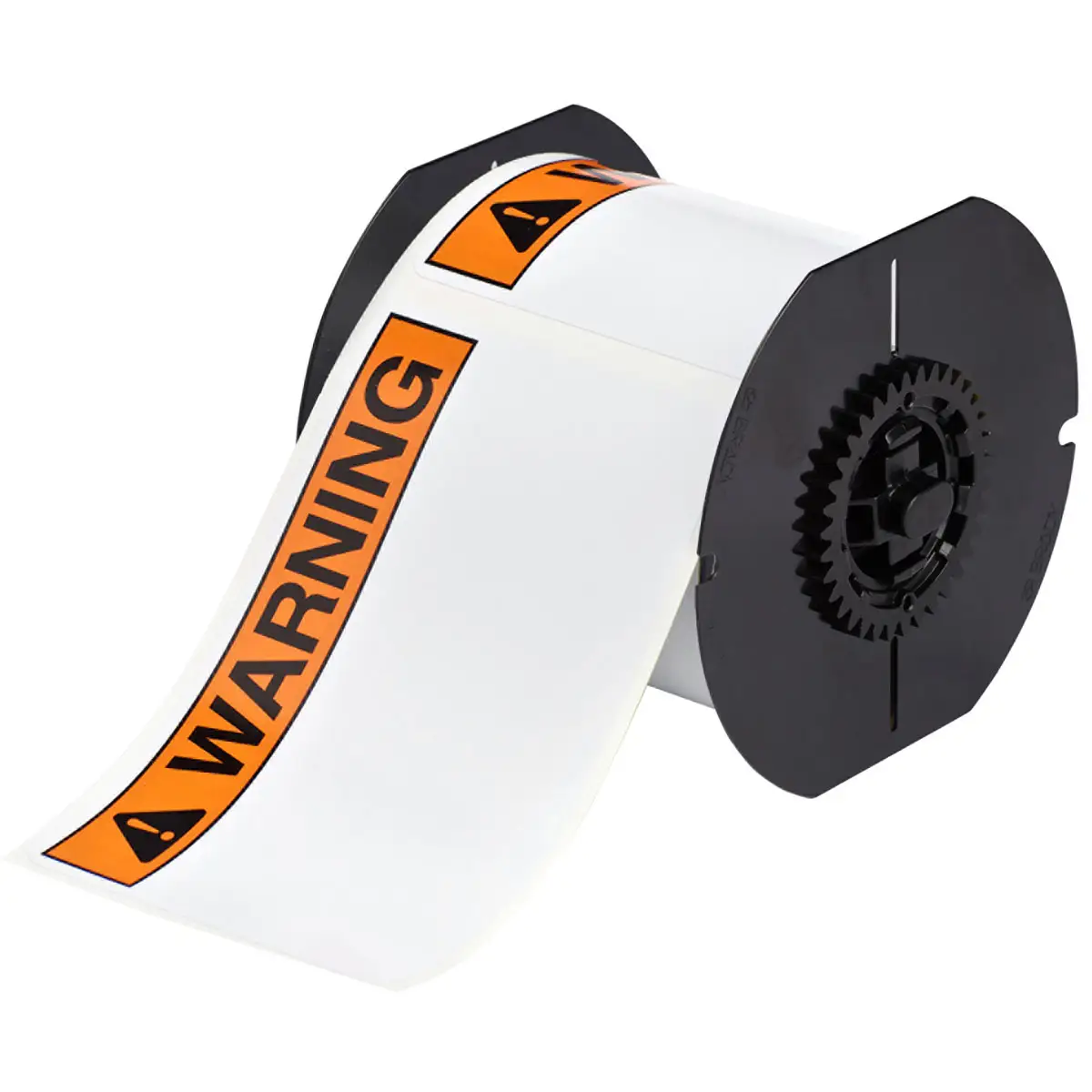
Brady markets these labels as “low shrink vinyl with ultra-aggressive adhesive” built to last 8-10 years outdoors. A verified buyer on Amazon noted: “I’ve applied them to copper ethernet terminations as well as single mode fiber ends… none have peeled off since they were applied.” This echoes the longevity claim — the adhesive performance matched expectations in high-handling environments.
The company emphasizes “cold temp application down to 0°F” with adhesion to powder-coated and painted surfaces. Reddit discussions confirm this utility in industrial environments. One technician shared: “I label pipes in freezing warehouses — they stick instantly, no peeling.” This aligns closely with the claimed cold weather compatibility.
Marketing also promises resistance to “UV light, chemicals, greases, oils.” Trustpilot feedback supports this, with a user noting labels remained “clean, readable and intact” even after exposure to brake cleaner on wiring.
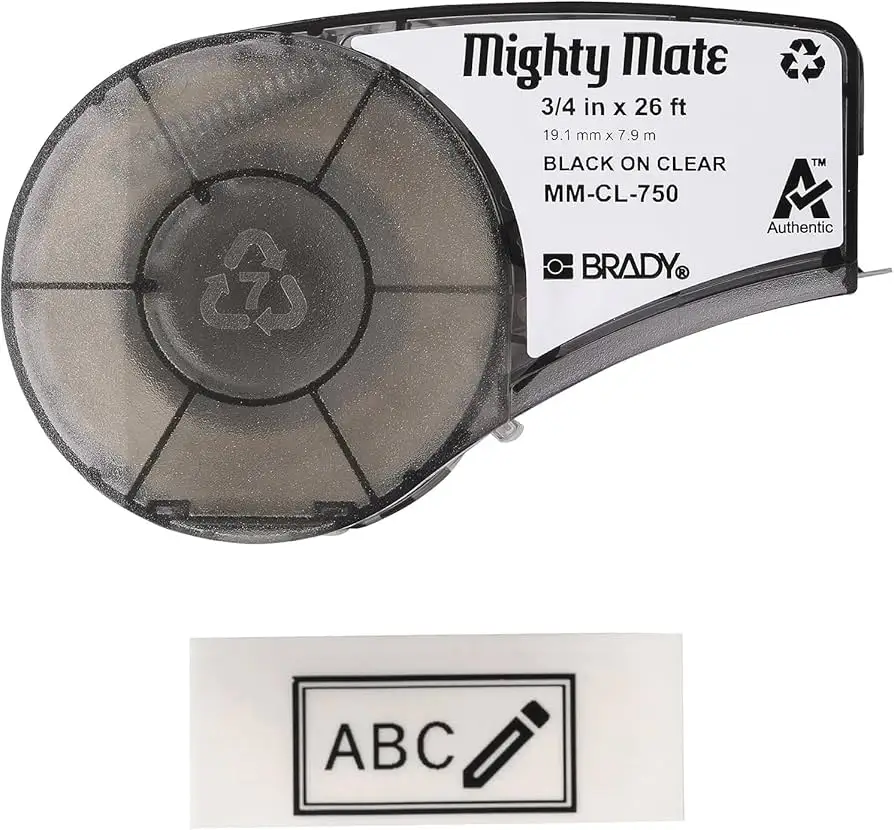
However, label size specifications caused confusion. Trustpilot reviewers described expecting wraparound tails for cable labeling, only to find “this 3/4" tape… leaves 3/8" for printing and only 3/8" clear tail.” While durability matched marketing, the advertised width misled some buyers regarding printable surface.
Cross-Platform Consensus
Universally Praised
Industrial users universally praise the adhesion and durability. A verified buyer on Amazon stated: “They have enough stretch to be forgiving when applying to very flexible cables.” Laboratory staff echoed these sentiments in Quora notes, highlighting chemical resistance during lab freezer use without curling or fading.
For field engineers, the combination of UV resistance and chemical tolerance is invaluable. Reddit feedback over multiple posts shows consistent performance when exposed to “salt spray, cleaners, and detergents” in marine environments. One user emphasized that labels “remained white and legible on painted cinder block after months outdoors.”
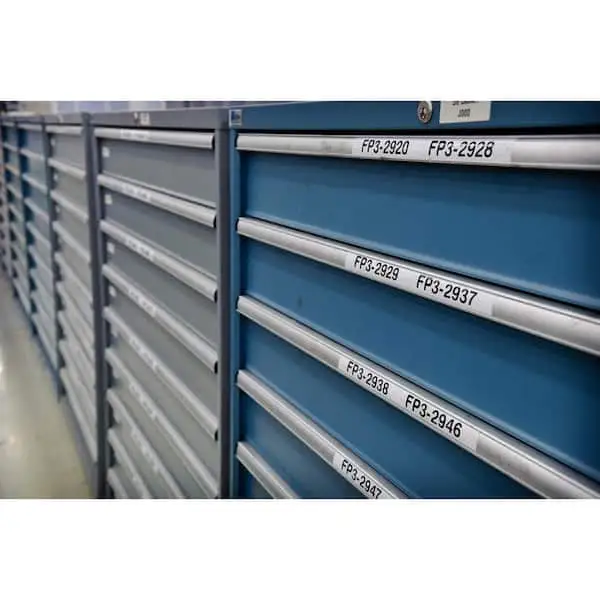
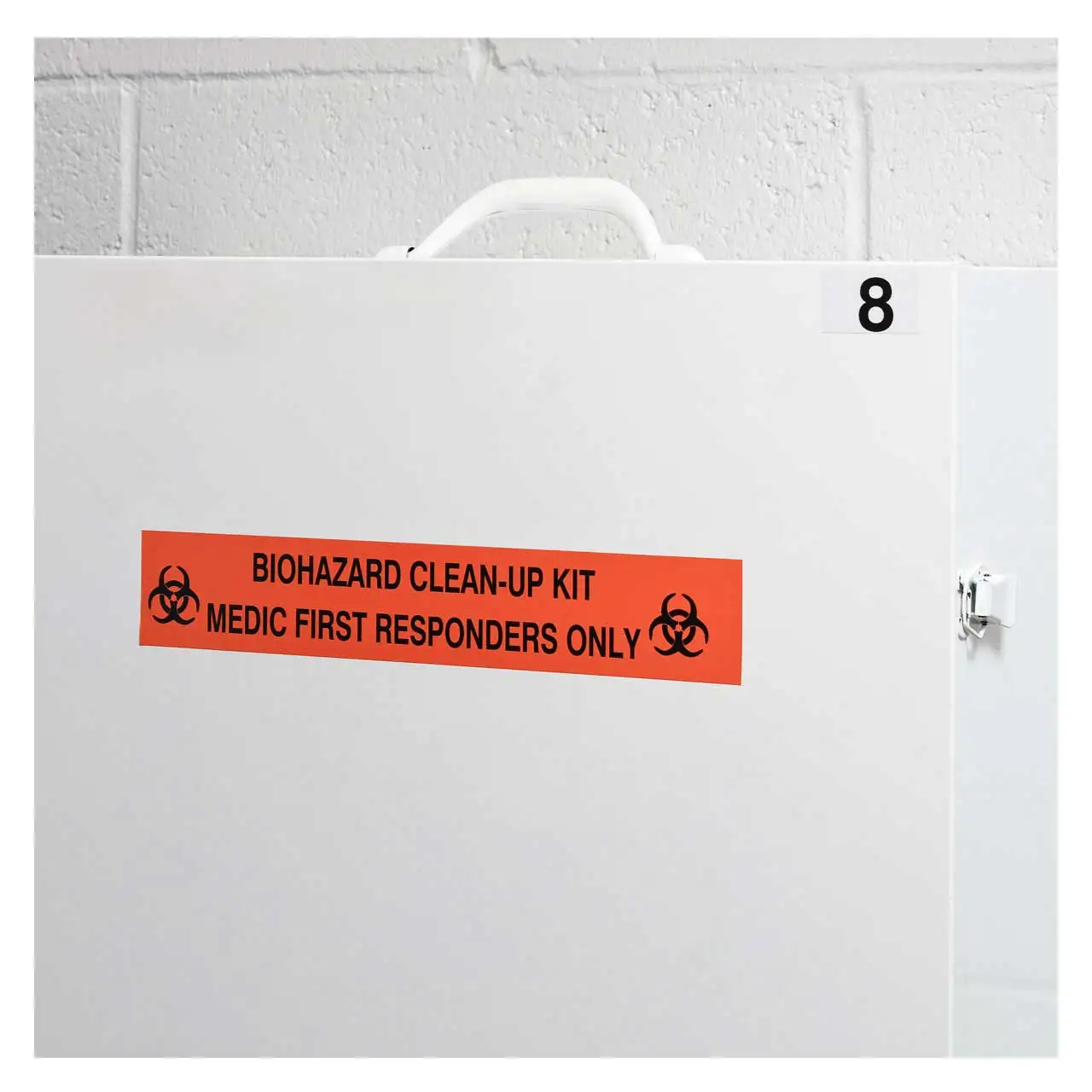
Warehouse and manufacturing workers also note the gloss finish improves legibility from distance, important in safety signage applications. As Brady’s own literature claims, “high gloss, flexible, pressure-sensitive adhesive… optimal for diverse labeling,” echoing end-user appreciation in facility marking.
Common Complaints
Price remains a persistent sore point. Trustpilot reviewers stressed, “For products coming from low wage countries… Brady sure charges a lot for its imported products.” The premium cost discouraged some buyers from casual use, especially given similar performance from cheaper off-brands.
Length limitations also frustrate bulk users. At 21 feet per cartridge, high-volume labs and network installers require multiple refills. One technician said, “Their label stock is only 14' or less long and really expensive! At least it doesn’t waste stock like other labelers do.”
Label dimension specs caused usability setbacks. Several buyers learned that the measurement in the product name refers to overall label material width — not the printed area. This mismatch reduced the practicality for larger text needs, particularly in cable flagging scenarios.
Divisive Features
The gloss finish, while aiding legibility, is divisive. Some industrial users prefer matte surfaces to avoid glare under bright warehouse lights. Others appreciated the professional appearance but admitted visibility issues under certain conditions.
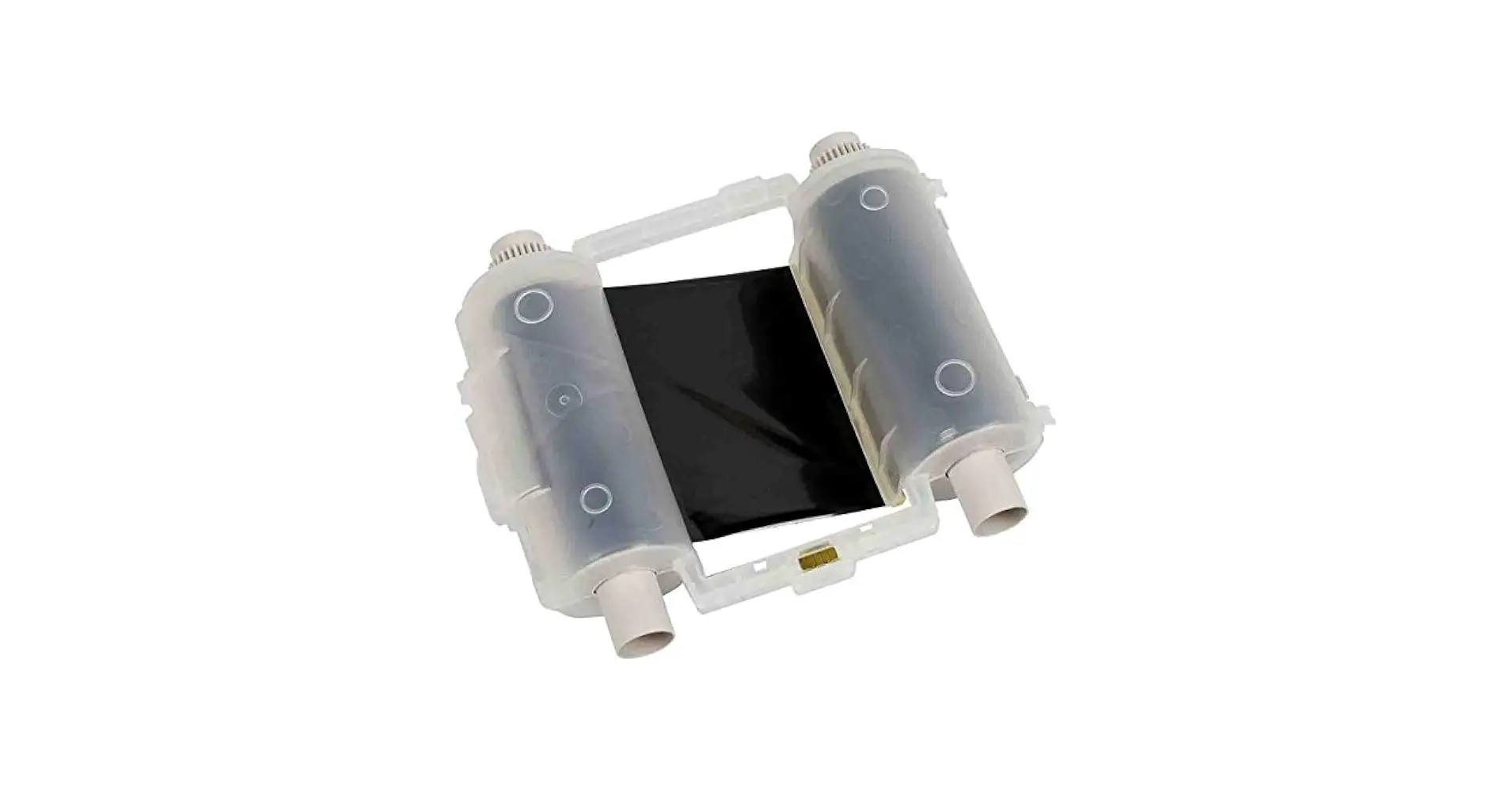
Brady’s cartridge system — integrating ribbon and supply — earns praise for ease of use but criticism for locking buyers into proprietary consumables. For casual or budget-conscious users, this exclusivity is restrictive compared to generic label materials available for third-party printers.
Trust & Reliability
Long-term performance stories bolster Brady’s reliability rep. A verified buyer noted labels “were easy to apply and haven’t worn or peeled off since” over months of use on fiber cabling. There's a notable absence of peeling issues, even under heavy handling.
Trustpilot patterns show consistent satisfaction with adhesion and resistance claims. While no scam concerns emerged, manufacturing origin transparency raised eyebrows: users expecting US-made goods discovered they were imported. While functionality remained unaffected, this was a sticking point for those valuing domestic production.
Alternatives
Data mentions off-brand nylon cloth labels that deliver full 3/4" printing space at lower cost. Trustpilot reviewers compared directly: “Considering these cost nearly $26… I would not buy this one and just buy the off brand… cheaper and makes better labels.” However, they don’t match Brady’s weather and chemical resistance ratings, so reliability in harsh environments may not be equivalent.
Other Brady materials like B-499 nylon or B-423 polyester serve specific niches. Nylon excels in abrasion handling indoors, while polyester suits rating plates and barcodes. For extreme UV exposure, Brady’s B-8591 polyester line can outperform B-595, though at higher cost.
Price & Value
Current Amazon listings show ~$25-$29 per cartridge for common widths, with multi-packs at $73.99. eBay resale listings fluctuate between $17 and $32 for unopened cartridges, suggesting stable secondary market demand. Buying in bulk or variety packs can bring per-foot costs down.
Community tips include verifying model number for accurate print area expectations and sourcing from reputable distributors to avoid expired adhesive stock. For specialized applications in freezing or high-chemical exposure environments, the premium is viewed as justified — otherwise, cheaper alternatives can suffice.
FAQ
Q: How long do Brady B-595 vinyl labels last outdoors?
A: User reports and manufacturer claims align at 8–10 years under typical exposure, with resistance to UV, moisture, and chemicals ensuring longevity.
Q: Can they adhere in freezing temperatures?
A: Yes. They’re rated for application at 0°F, with multiple industrial users confirming effective adhesion in cold warehouses and outdoor winter use.
Q: Are these labels suitable for cable marking?
A: Yes, but size specs matter — some widths provide limited wraparound space, so check printable area vs. total width before ordering.
Q: Do they resist handling wear?
A: Strongly. Users note they remain legible and intact even on frequently handled cables and equipment, aided by chemical and abrasion resistance.
Q: Are there cheaper alternatives?
A: Off-brand tapes may cost less and offer full-width printing, but often lack the extreme weather and chemical durability of Brady materials.
Final Verdict
Buy if you’re an industrial technician, lab worker, or field engineer needing long-term, weatherproof labeling on rough, oily, or chemical-exposed surfaces. Avoid if your primary need is indoor labeling with large-print areas at minimal cost. Pro tip: double-check the actual printable width for your Brady model before purchase to avoid fit disappointments.