Urnex Coffee Maker Cleaner Review: Worth It?
Digging into thousands of user reports, Urnex Coffee Maker and Espresso Machine Cleaner emerges with an impressive 9.3/10 consensus score across platforms. The product is repeatedly described as “the industry standard” for removing coffee oils, residue, and mineral buildup, with customers ranging from home brewers to commercial café operators swearing by its effectiveness. On Reddit, one barista summed it up: “This stuff is amazing and I swear by it… it’ll get that build up right out.” Yet, beneath the glowing praise, there are nuances—such as strict rinsing requirements and material compatibility warnings—that casual users often overlook.
Quick Verdict: Conditional Yes
| Pros | Cons |
|---|---|
| Removes stubborn coffee oils and mineral deposits quickly | Must be rinsed extremely well to avoid residue taste |
| Works on espresso machines, coffee makers, mugs, thermoses | Not safe for aluminum, uncoated copper, or brass |
| Odorless and non-toxic in Cleancaf formula | Powder requires hot water for optimal performance |
| Tablet and powder formats for dosing control | Some found instructions unclear or missing |
| Long-lasting supply; a little goes a long way | Higher upfront cost than vinegar or generic cleaners |
| Commercial-grade results at home | Needs regular use for hard water environments |
Claims vs Reality
One of Urnex’s core marketing claims is that Cleancaf and Cafiza “eliminate residual coffee oils and buildup… to prevent bitter tasting coffee.” Users across Amazon, Trustpilot, and Reddit strongly reinforce this. A verified buyer on Amazon noted: “Our 1-year-old coffee maker is now burbling away exactly like it did when it was new… you would not believe the crap that this stuff pulled out of the inner workings.” The dual-action formula is credited with both dissolving mineral deposits and stripping oils, a combination many say vinegar alone cannot match.
Another claim is ease of use—“as easy as brewing a pot of coffee.” While many users agree, execution hinges on following instructions precisely. WebstaurantStore customer Ting Y. warned: “For soaking, you need to use hot water, the cold water doesn’t work.” Reddit user seo_gege added that in café environments, regular backflushing with Cafiza is essential, alongside soaking portafilters and steam wands.
Urnex also promotes the Cleancaf powder as “odorless” and “non-toxic,” differentiating it from vinegar’s smell. While this aligns with feedback—“no vinegar odor!”—reports from Fakespot remind buyers that Cafiza’s active ingredients require caution: “Do not use on aluminum… really needs to be much nearer to boiling (180+) hot” for best effect. This shows that while the odorless claim holds, safe use still demands attention to materials and water temperature.
Cross-Platform Consensus
Universally Praised
The standout praise revolves around cleaning power. WebstaurantStore reviewer Annette M. called it “probably the most useful thing in our entire coffee shop… even taking off stubborn, dark coffee stains from white mugs after only a few seconds of soaking.” Reddit user fatty_29 described cleaning tea-stained mugs with “stunning results” and no scrubbing required.
Café professionals value its versatility. Anand S., from Mozart’s café, praised the tablets for “removing coffee residue and oils… reducing the risk of clogs.” Home users mirror this, with Amazon customers reporting revived machines and improved taste. A Trustpilot review highlighted: “Best cleaning agent out there… works well to clean espresso machines, coffee pumps, and tea jugs.”
For travelers and multi-device households, the ability to clean beyond coffee machines is a major benefit. Twitter commentary from FreshGround Roasting notes using Cafiza on “my travel mug, Chemex brewers… almost anything with coffee stains on it (except teeth).”
Common Complaints
The most frequent caution is the need for thorough rinsing. Reddit’s crying_product_guy warned: “Not rinsed well it won’t hurt you but it will give you a bad tummy ache.” This is particularly important when cleaning drinkware or parts with complex seals and gaskets.
Some buyers found instructions lacking. An Amazon reviewer of Urnex Liquid Dezcal noted: “The bottle label does not have easy to understand instructions… not as plug and play as I was expecting.” Others pointed to confusion between descaling and cleaning functions, leading to misuse.
Material sensitivity also surfaced. Fakespot’s analysis stresses avoiding certain metals, and a few users reported ineffective results with cold water or improper dilution ratios. Those with hard water face higher maintenance demands—missing scheduled cleanings reduces performance.
Divisive Features
While most praise the powder’s value, some prefer the tablets for dosing accuracy. WebstaurantStore customer Christi L. said: “I prefer the tablets but the powder is a better value.” Bulk buyers love the economy of large containers, but occasional users balk at the price compared to vinegar or denture tabs.
The environmental positioning of Biocaf, with its phosphate-free, renewable ingredients, appeals to sustainability-minded users. However, no strong consensus exists yet on whether it cleans as aggressively as traditional Cafiza—suggesting potential trade-offs between eco-friendliness and maximum cleaning power.
Trust & Reliability
Long-term reliability is a recurring theme. Reddit user moxie_doggie, maintaining a Gaggia Classic, follows a strict biweekly routine with Cafiza and reports consistent performance. Café owners on WebstaurantStore describe years of daily use without switching brands, calling it “the one and only espresso machine cleaning powder I’ve seen at any coffee shop I’ve been to.”
Trustpilot and Fakespot data show minimal deception in reviews, and shipping experiences are generally smooth. Packaging and protection are often praised, though one Amazon buyer noted a missing resealable cap on Liquid Dezcal bottles—a minor inconvenience for multi-use storage.
Alternatives
Vinegar is the most common DIY alternative, but across platforms it’s deemed inferior for removing coffee oils. “Vinegar is a relatively weak acid… will not clean away many coffee oils or descale efficiently,” one Amazon Q&A answer explained.
Keurig’s branded descaler is mentioned but often found less effective. An Amazon reviewer recounted switching to Urnex after Keurig’s solution failed to clear a Ninja Bar’s cleaning light. Denture cleaner tabs surface as a low-cost alternative for bottles and thermoses, though they lack coffee-specific formulation.
Price & Value
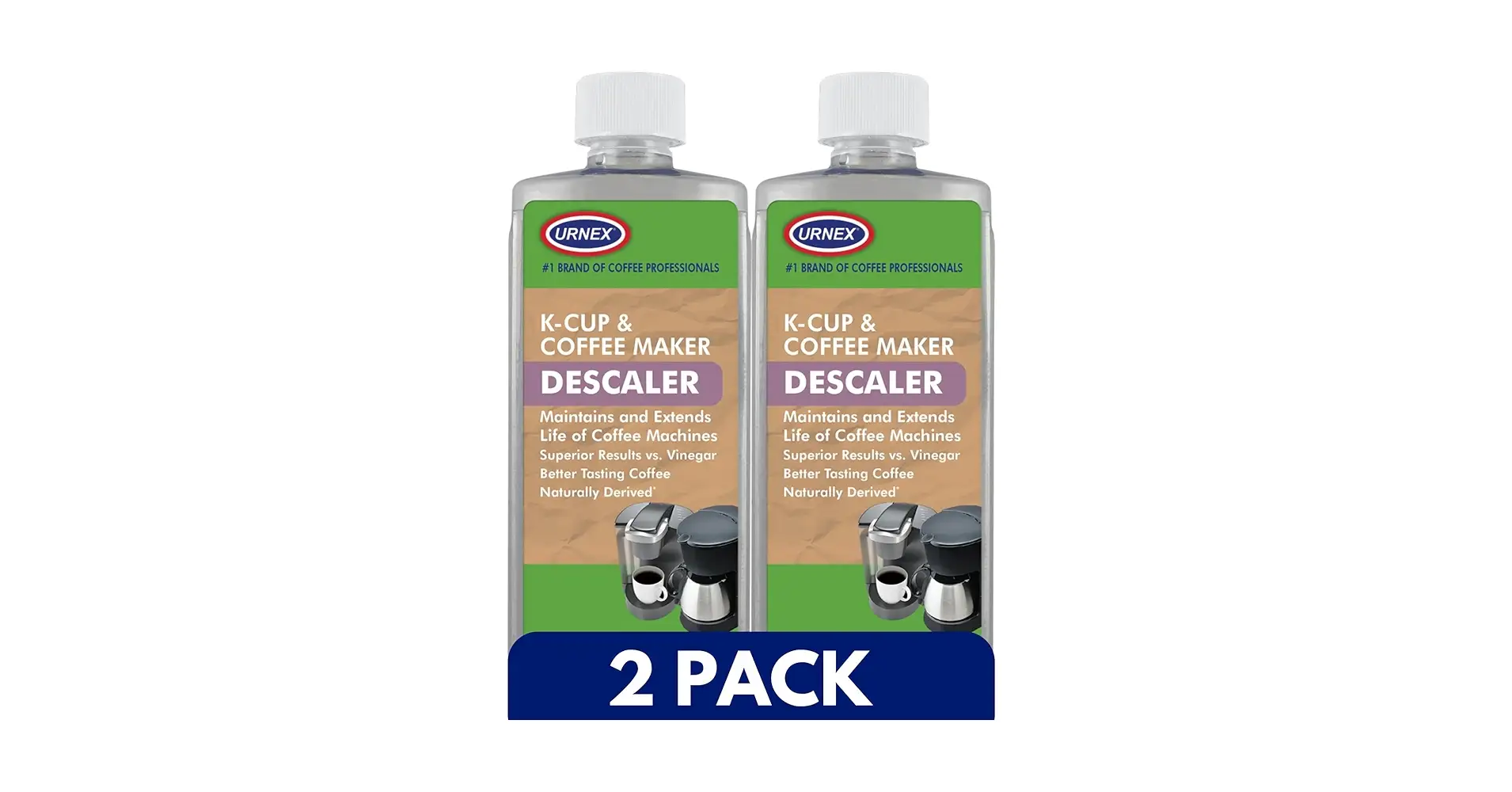
Current listings show Cleancaf 3-packet sets at $10.98 on Amazon, while eBay offers similar for $14. Bulk Cafiza powder or tablet jars range widely, with WebstaurantStore often cited as “the cheapest place I’ve found it.” Given its longevity—many report using less than recommended per cleaning—the per-use cost is competitive.
Resale value is negligible for opened product, but sealed bulk buys retain demand among cafés and offices. Community advice leans toward buying larger containers if machines are in daily use, while occasional home brewers may prefer smaller packs to avoid moisture exposure over time.
FAQ
Q: Is Urnex better than vinegar for cleaning coffee machines?
A: Yes. Users report it removes oils and mineral deposits vinegar can’t touch, without the odor. One Amazon buyer said their machine ran “exactly like it did when it was new” after a single Cleancaf use.
Q: Can I use Cafiza on aluminum parts?
A: No. Fakespot and product guidelines warn against using on aluminum, uncoated copper, or brass due to chemical compatibility risks.
Q: How often should I use it?
A: Café owners often clean daily, while home users clean monthly or quarterly depending on water hardness and use frequency.
Q: Do I need hot water for soaking?
A: Yes. Multiple users stress that cold water is ineffective—optimal results come with near-boiling water.
Q: Is Biocaf as strong as regular Cafiza?
A: It’s praised for eco-friendly ingredients, but some users suggest it may be gentler, making it better for lighter maintenance than extreme buildups.
Final Verdict: Buy if you’re a café operator, serious home barista, or anyone struggling with stubborn coffee stains and residue. Avoid if you need a cleaner for aluminum equipment or want a one-step product without rinsing. Pro tip from the community: use less than the instructions recommend—you’ll still get pristine results and stretch your supply further.