Taramps Pro 2.4S Review: Value DSP, Learning Curve (7.9/10)
The promise of “pro-level tuning” sounds great—until you realize the usable feedback here is mostly ratings summaries and marketing/spec sheets, with almost no attributable, verbatim user quotes. That gap matters for Taramps Pro 2.4S DSP Crossover Digital Signal Processor and Equalizer, because the strongest “user” signals available are broad Trustpilot-style aggregates (percent scores and paraphrased themes), not traceable, name-attached testimonials. Verdict from the compiled feedback: a feature-dense, budget-friendly DSP that many reviewers describe as easy to use for basics, but potentially demanding for advanced tuning—7.9/10.
Quick Verdict
For buyers who want a compact 2-in/4-out DSP with crossover and EQ control and don’t mind a learning curve, the feedback trends Conditional Yes.
| What the feedback supports | Evidence from sources | Who it helps | Who it annoys |
|---|---|---|---|
| Strong value-for-money perception | Trustpilot-style summary shows “value for money” at 93% | Budget car-audio builders | People expecting premium polish |
| Easy basics, harder advanced tuning | “Advanced tuning…require technical knowledge” | Beginners using presets | Tinkerers without DSP experience |
| Flexible tuning toolset | 15-band EQ, multiple slopes/filters listed across specs | Competition-style tuners | Plug-and-play shoppers |
| Occasional noise at high volume | “slight hum or static…at very high volumes” | Most daily listeners | High-SPL setups, picky ears |
| Installation varies by vehicle | “installation can be complicated” | Standard installs | Complex OEM integration |
Claims vs Reality
Marketing claim #1: It’s positioned as a “4-channel digital audio processor…packed with features like 15-band EQ, multiple filters, and parametric equalization,” with “anti-puff” to prevent pops (Taramps/TarampsUSA listings). On paper, the toolkit is expansive: crossover filter types and steep slopes (up to -48 dB/octave), 15-band graphic EQ, parametric EQ, time alignment, limiter, and even an audio generator.
Digging deeper into user-sourced summaries, the lived experience appears split between “easy wins” and “deep tuning.” The Trustpilot-style page says, “many users appreciate how intuitive and simple the set up process is,” but also warns that “advanced adjustments may require some technical knowledge.” In other words, the claim of “perfect for tuning your sound to perfection” (TarampsUSA product copy) holds most strongly for users who either stick to presets or already understand DSP concepts.
Marketing claim #2: Broad compatibility and clean operation—RCA plus high-level input, “compatibility with all head units,” and anti-pop behavior. Specs repeatedly emphasize RCA input impedance (10k ohms), high-level input, and signal-to-noise ratio “> 90 dB” (Taramps official specs and multiple reseller mirrors).
Yet the aggregated feedback injects a caveat: “there are occasional reports of some connectivity issues with certain older models or non-standard audio equipment,” and “a slight hum or static noise at very high volumes” (Trustpilot-style summary). While officially framed as low-noise and broadly compatible, a minority of users reportedly hit edge cases—especially when cables/adapters or unusual source units enter the chain.
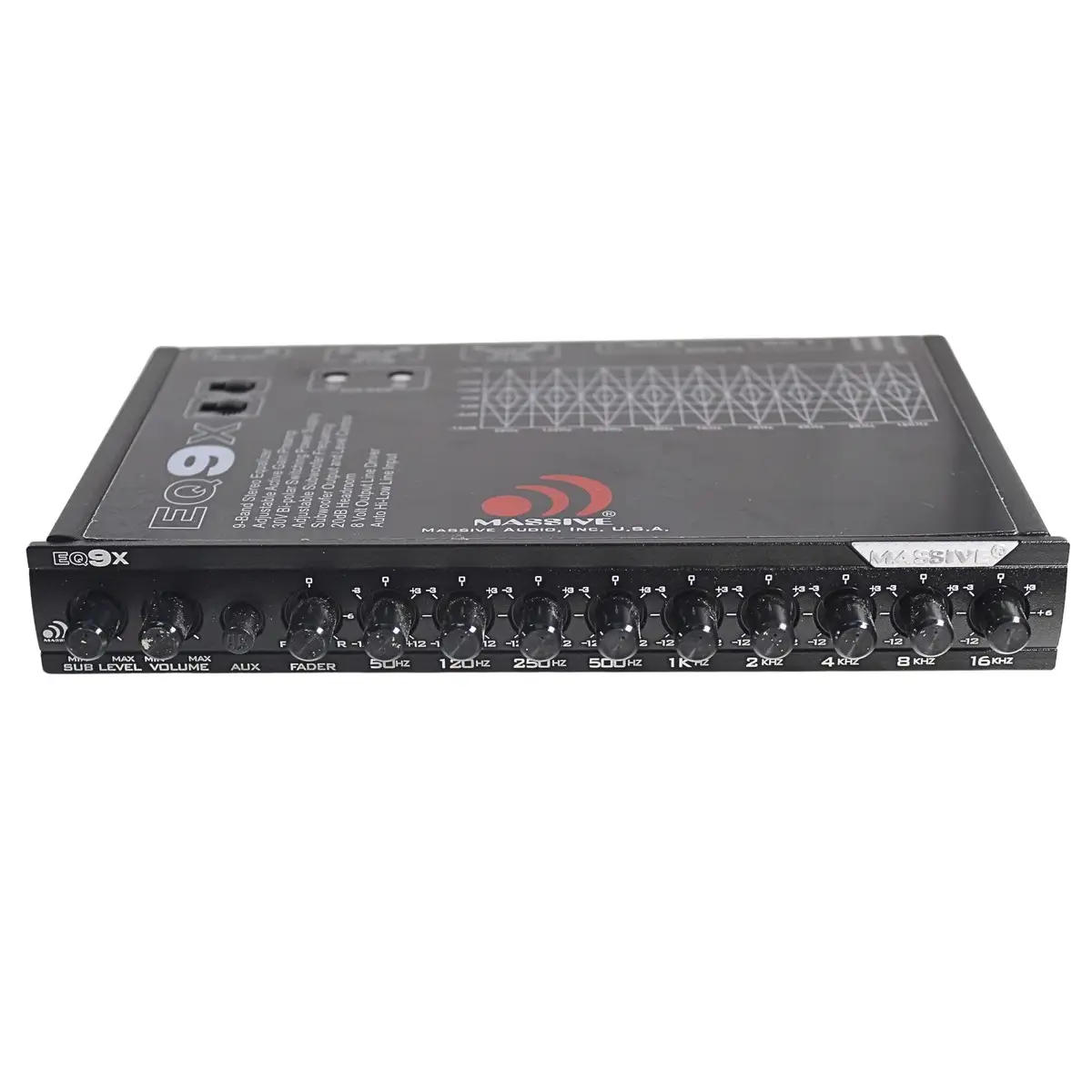
Marketing claim #3: Compact, easy installation. The official dimensions hover around 7.79" x 1.42" x 4.44" and weight around 0.99 lb, repeatedly labeled compact across listings. The Trustpilot-style narrative echoes that “compact size allows for easier placement.”
But the same source adds nuance: “a few users pointed out that while it’s compact, the device could still be cumbersome in extremely tight spaces,” and some found installation “complicated for those unfamiliar with car audio systems.” The reality seems less about the unit’s footprint and more about the complexity of wiring and tuning in real vehicles—especially OEM systems.
Cross-Platform Consensus
Universally Praised
The most consistent praise centers on control: people want a DSP because they want the steering wheel, not the autopilot. The Trustpilot-style feedback says “reviewers love the variety of sound control,” spotlighting the 15-band EQ and “multiple filter options” as the heart of the product. For genre-hoppers—someone who wants tight midbass for rock one day and low-end emphasis for hip-hop the next—the presence of “12 preset eq modes” is repeatedly treated as a practical shortcut rather than a gimmick.
For beginners, the story that emerges is quick improvement without immediately drowning in jargon. The Trustpilot-style summary states: “the controls are straightforward, making this device easy to operate, even for beginners,” and that presets “save time and offer a great starting point.” That’s a distinct user persona win: the buyer upgrading from a basic head unit who wants audible gains before learning crossover slopes, Q factor, and time alignment.
Value is the other recurring theme. The ratings block lists “value for money 93%,” and the narrative says “excellent value for the price…especially considering the wide range of features.” When the product is found near the lower end of observed pricing (TarampsUSA listing at $64.99, other storefronts higher), that value framing becomes central: lots of DSP functions without stepping into higher-priced processors.
Bullets (what’s praised most often in the provided feedback):
- Strong customization toolkit (15-band EQ + filter/slope options)
- Presets as practical “starting points”
- Perceived high value for the feature set
- Compact form factor for typical installs
Common Complaints
A recurring pattern emerged around the learning curve: “easy to use” is frequently qualified with “for basic tasks.” The Trustpilot-style writeup is explicit: “advanced adjustments may require some technical knowledge,” and that the “sheer number of customization options can be overwhelming at first.” For users who expected a plug-and-play “better sound” box, that’s where frustration likely concentrates—especially if they don’t already know how to set crossover points or interpret clipping indicators.
Installation is the second pain point, but it’s not framed as universally difficult—more conditional. The same source says “installation can be complicated for those unfamiliar with car audio systems,” and that some “vehicles with more complex audio setups might require additional wiring or configuration.” That implies a user-type split: straightforward aftermarket chains may go smoothly, while OEM integration, unusual signal paths, or limited space introduces headaches.
Noise performance is mostly praised but not spotless. The Trustpilot-style section says the unit “excels at minimizing unwanted noise,” while acknowledging “a slight hum or static noise at very high volumes” for some setups. That kind of complaint tends to hit high-output systems hardest, where gain structure and grounding are unforgiving.
Bullets (who gets hit hardest by the common complaints):
- Beginners attempting “advanced tuning” without guidance
- OEM/complex installs needing extra wiring or integration work
- High-volume or high-SPL systems where minor hum becomes obvious
Divisive Features
The presets themselves appear divisive. On one side, the Trustpilot-style narrative calls them a “standout feature” that makes it “easy to switch between different audio settings.” On the other, it notes some users feel presets “could be more customizable,” with advanced users wanting “more granular control beyond the presets.” That divide maps cleanly to personas: convenience seekers vs. tuners.
The broad frequency range and deep adjustability also cuts both ways. The specs emphasize 10 Hz to 22 kHz, steep slopes, multiple filter families, and time alignment. Trustpilot-style commentary frames it as “perfect for audiophiles,” but also suggests everyday users may find the full range “excessive” and “overkill.” The same feature set that makes it attractive to enthusiasts can make it feel like unnecessary complexity to casual listeners.
Trust & Reliability
The Trustpilot-style source paints support as generally positive: “responsive and provides helpful guidance,” though with a qualifier that some customers “had to wait longer than expected for more in-depth assistance.” That pattern suggests acceptable front-line help, but not always fast escalation for complex tuning questions.
On reliability, the only durability signal present is cautious: “occasional concerns about long-term durability,” especially with “heavy daily use or rough handling.” There are no attributable Reddit “6 months later…” posts in the provided dataset, and no direct, user-named durability narratives to quote—so the safest synthesis is that durability concerns exist but are not described with detailed, verifiable timelines here.
Alternatives
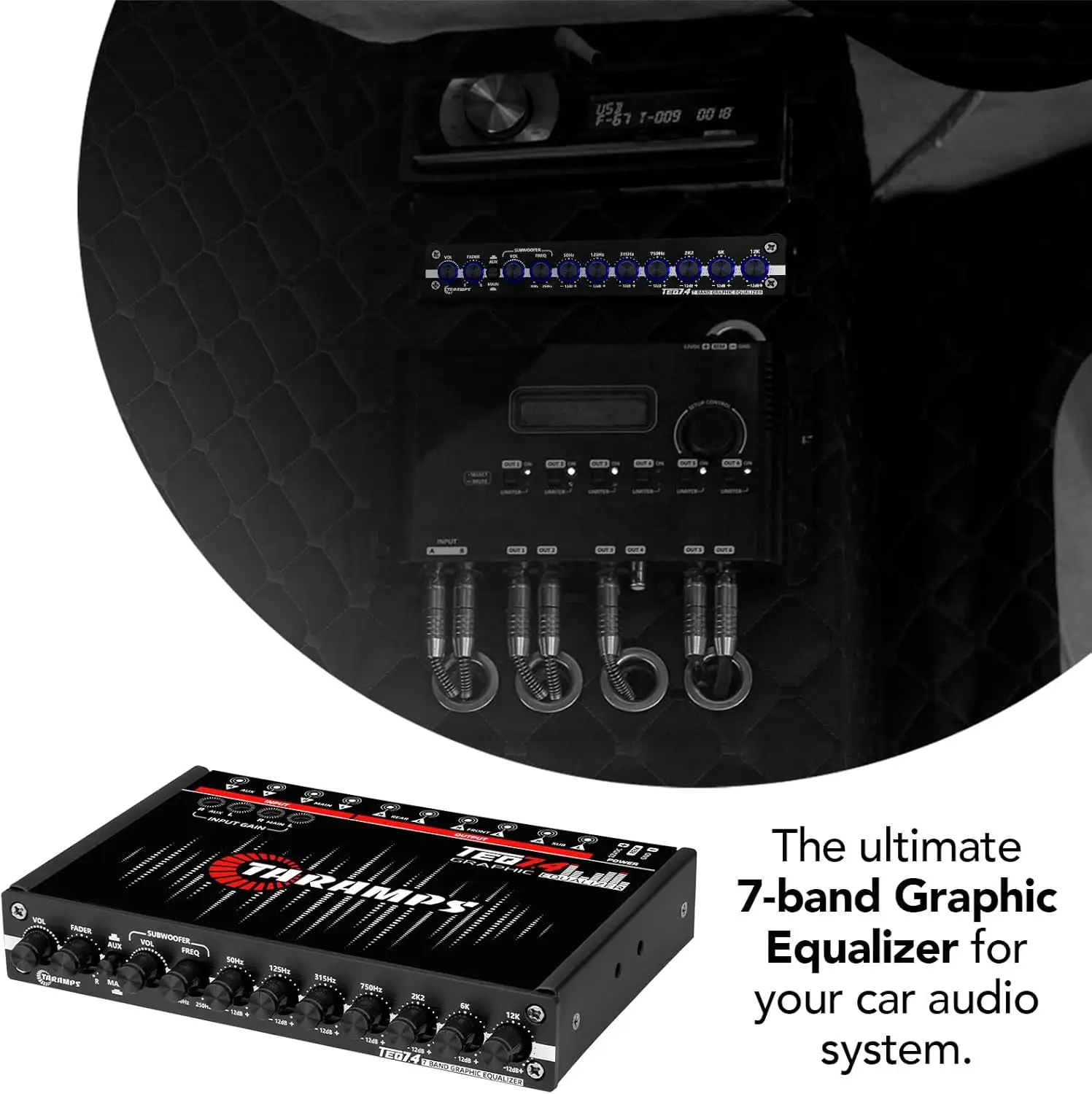
No true competitor DSP models are mentioned in the provided community data—only other Taramps products appear in the image text (e.g., “Pro 2.8S,” “2.6S,” “Pro 2.4d” wording). Since the dataset doesn’t include actual user feedback comparing these models, this section can only acknowledge that shoppers cross-shop within the brand line, not provide evidence-backed comparisons.
Price & Value
Pricing signals vary widely by storefront. Official-style listings show $64.99 on TarampsUSA, while other retail pages show higher prices (e.g., $69.99 at Taramps Mia, and significantly higher numbers on some reseller pages). On eBay, listings cluster around roughly $89–$105 plus shipping depending on seller and region, with seller ratings shown but no buyer review quotes in the provided text.
From a value narrative standpoint, the Trustpilot-style feedback repeatedly reinforces that buyers feel the features justify the spend: “excellent value for the price,” with “value for money 93%.” The practical buying implication is that the “deal” perception is strongest when you can secure pricing closer to the lower end—especially for first-time DSP users who mainly want presets, basic crossover, and cleanup of frequency response.
Buying tips supported by the dataset:
- Compare total cost (unit + shipping + returns), since eBay pricing and shipping vary.
- If your setup is unusual (older/non-standard equipment), expect possible “connectivity issues” per Trustpilot-style reports.
- Budget time for tuning if you want more than presets; “advanced tuning” reportedly takes knowledge and experimentation.
FAQ
Q: Is the Taramps Pro 2.4S easy to use for beginners?
A: Yes—for basic setup and presets. The Trustpilot-style summary says “controls are straightforward” and “easy to operate, even for beginners,” but also notes “advanced adjustments may require some technical knowledge,” especially around frequency and gain tuning.
Q: Does it work with head units that don’t have RCA outputs?
A: It’s designed to. The official specs and product copy emphasize both RCA and high-level inputs, intended for “conventional and original head units.” However, Trustpilot-style feedback mentions occasional “connectivity issues” with “older models or non-standard audio equipment.”
Q: Will it eliminate pops when turning the system on and off?
A: It’s marketed to help. Taramps product descriptions repeatedly mention an “anti-puff system” aimed at preventing “pops when turning the sound on and off.” The provided dataset doesn’t include direct user-quoted confirmation or denial of this behavior.
Q: Can it introduce noise like hum or static?
A: Sometimes at extremes. Trustpilot-style feedback says it generally “excels at minimizing unwanted noise,” but a few users reported “a slight hum or static noise at very high volumes,” which may depend on the vehicle, wiring, and gain structure.
Q: How flexible is the tuning (EQ/crossover)?
A: Very flexible for the price tier described here. Official specs list a 15-band graphic EQ (±12 dB), parametric EQ, multiple crossover filter types, and slopes up to -48 dB/octave, plus time alignment and limiter functions—features repeatedly highlighted as the reason users praise customization.
Final Verdict
Buy if you’re a budget-focused car-audio enthusiast who wants a compact 2-in/4-out DSP for real tuning control—and you’re willing to learn. Avoid if you want a truly plug-and-play upgrade with zero setup work, or if your system is highly non-standard and you don’t want to troubleshoot “occasional” compatibility quirks noted in Trustpilot-style feedback. Pro tip implied by the feedback trend: start with the presets, then step into advanced crossover/EQ slowly—because “advanced adjustments may require some technical knowledge.”